
Global Sustainability in 2026: From Ambition to Accountable Action
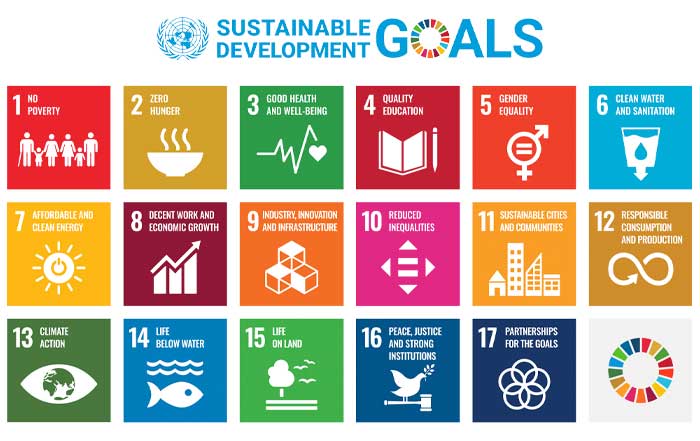
As the world moves deeper into the second half of the 2020s, sustainability has evolved from a visionary ideal into a concrete, measurable, and in many sectors non-negotiable requirement for long-term economic and social stability. The year 2026 finds governments, businesses, and communities reassessing their progress against the United Nations Sustainable Development Goals (SDGs), originally set in 2015 as a shared roadmap to 2030. These 17 goals, which span poverty reduction, climate action, clean energy, sustainable cities, responsible consumption, and biodiversity protection, now function less as distant aspirations and more as urgent performance benchmarks. For eco-natur.com, which engages readers from the United States, Europe, Asia, Africa, and beyond on themes such as sustainable living, sustainability, recycling, and organic food, this global transition is not an abstract narrative; it is a daily, practical reality that shapes how individuals and organizations act, invest, and plan for the future.
The Maturing of Global Sustainability Goals
When all UN member states adopted the SDGs in 2015, the framework represented a historic consensus on what a balanced, inclusive, and environmentally secure future could look like. By 2026, it has become clear that while the goals remain valid, the timeline for achieving them is under intense pressure. Progress has been significant in certain areas: renewable energy deployment has expanded rapidly; awareness of plastic pollution has entered mainstream debate; and many cities have begun to integrate low-carbon mobility and green infrastructure. Yet the world is still grappling with accelerating climate impacts, persistent inequality, and widespread ecosystem degradation.
International assessments by bodies such as the United Nations Development Programme show that countries like Sweden, Norway, Germany, and Denmark continue to rank among the leaders in SDG implementation, supported by strong policy frameworks, social safety nets, and ambitious climate targets. Large economies such as the United States and China remain decisive actors, both because of their substantial carbon footprints and their capacity to finance and scale clean technologies. Emerging economies in Asia, Africa, and South America are simultaneously seeking to lift populations out of poverty while avoiding the environmentally destructive pathways that characterized earlier waves of industrialization. In this context, platforms such as eco-natur.com play a role in translating global frameworks into tangible guidance that households, entrepreneurs, and communities can realistically adopt.
Readers who wish to understand the broader UN agenda can explore how the SDGs are structured and monitored through the official UN SDG overview, which provides a comprehensive view of targets and indicators that now shape regulatory, financial, and corporate strategies worldwide.
Climate Change: The Central Test of Credibility
Climate change remains the defining stress test for global sustainability. Reports from the Intergovernmental Panel on Climate Change (IPCC) have continued to reinforce the conclusion that limiting global warming to 1.5°C above pre-industrial levels is still technically feasible but increasingly difficult, with each year of delayed action narrowing the available carbon budget. The mid-2020s have witnessed intensifying heatwaves in North America and Europe, devastating floods in parts of Asia and Africa, and prolonged droughts affecting agricultural regions from the United States to Australia and Brazil, all of which carry profound implications for food security, infrastructure resilience, and financial stability.
Global climate diplomacy, anchored in the Paris Agreement, has evolved from high-level commitments to more granular scrutiny of national policies and corporate transition plans. The UNFCCC platform now provides detailed updates on nationally determined contributions and long-term strategies, allowing observers to monitor how closely pledges align with scientific requirements. For the audience of eco-natur.com, these developments highlight that climate risk is no longer a distant environmental concern but a core economic and societal issue that must be integrated into business models, investment decisions, and daily lifestyle choices.
Readers interested in the scientific foundation for climate targets can review the latest assessments from the IPCC, which remain the authoritative reference for understanding the scale and urgency of required emission reductions.
The Global Acceleration of Renewable Energy
One of the most visible areas of progress since 2020 has been the expansion of renewable energy. Falling costs for solar photovoltaics, onshore and offshore wind, and increasingly energy storage have transformed the economics of power generation. Countries across Europe, North America, Asia, and Oceania are now integrating renewables into their grids at record pace, reshaping energy markets and investment flows. Spain and Denmark have consolidated their roles as leaders in wind and solar deployment, while Germany continues to strengthen its Energiewende strategy. China has extended its position as the world's largest investor in clean energy infrastructure, and India has emerged as a major solar power hub.
The International Energy Agency (IEA) has repeatedly revised its projections upward, acknowledging that renewables are now expected to account for the majority of new power capacity additions globally. At the same time, however, coal and oil remain entrenched in several regions, and gas infrastructure is expanding in some markets as a perceived transition fuel. This dual reality underscores the need for clear policy signals, stable regulatory frameworks, and supportive financing mechanisms if the world is to align with a net-zero pathway.
Within this evolving landscape, eco-natur.com offers readers practical insight into how households, small businesses, and communities can participate in the energy transition. The site's dedicated section on renewable energy explains how rooftop solar, community energy projects, and efficiency upgrades can reduce emissions, stabilize long-term energy costs, and increase resilience to supply disruptions. Those seeking a global perspective on the energy transition can complement this with data and analysis from the International Energy Agency, which tracks trends across electricity, transport, and industry.
Sustainable Living and the Power of Consumer Choice
While policy frameworks and corporate strategies are crucial, the sustainability transition ultimately depends on how billions of people live, consume, travel, and eat. Over the last decade, sustainable living has shifted from a niche interest to a mainstream expectation in many markets, especially among younger generations in the United States, United Kingdom, Canada, Germany, Australia, France, and Nordic countries. Surveys from organizations such as Deloitte and PwC show that Millennials and Gen Z consumers are significantly more likely to consider environmental and social factors when making purchasing decisions, and they increasingly reward brands that demonstrate authenticity, transparency, and measurable impact.
For eco-natur.com, sustainable living is not presented as a restrictive lifestyle but as an integrated approach to health, comfort, and long-term security. The platform's guide to sustainable living explores how individuals can reduce their ecological footprint by rethinking home energy use, mobility choices, food consumption, and waste management, while still maintaining quality of life. Readers can also deepen their understanding of broader sustainability principles, including how personal decisions intersect with corporate supply chains and public policy.
Globally, interest in sustainable lifestyles is supported by a growing ecosystem of tools and services, from carbon-tracking apps and repair platforms to local sharing economies. Organizations such as WWF and Greenpeace continue to provide educational resources and campaigns that help citizens translate concern into action, while businesses that align with these values gain reputational and competitive advantages in increasingly discerning markets. To explore consumer-oriented sustainability insights, readers may find the resources of the World Wildlife Fund particularly valuable.
Plastic-Free Futures, Recycling, and the Rise of Circularity
Plastic pollution remains one of the most visible and emotionally resonant sustainability challenges. Images of oceans and rivers choked with plastic waste have galvanized public opinion from Europe to Asia, and have spurred regulatory responses in the European Union, United Kingdom, Canada, and numerous cities worldwide. Single-use plastics bans, extended producer responsibility schemes, and design-for-recycling standards are now common features of environmental policy.
Eco-natur.com addresses this issue directly through its focus on plastic-free solutions and its broader coverage of zero-waste principles. For readers in North America, Europe, and rapidly urbanizing regions of Asia and Africa, the site offers practical guidance on how to reduce dependence on disposable packaging, choose durable and refillable products, and support brands that prioritize circular design. These recommendations complement the growing body of global best practices curated by organizations such as the Ellen MacArthur Foundation, which has been instrumental in defining the circular economy and mobilizing businesses and policymakers to redesign production and consumption systems. Those interested in the conceptual and economic foundations of circularity can learn more through the Ellen MacArthur Foundation's circular economy resources.
Recycling remains an essential, though not sufficient, component of this transition. Countries like Germany, Sweden, and Netherlands have developed highly efficient recycling systems, supported by strong regulation, clear labeling, and a culture of citizen participation. Yet many regions still struggle with contamination, inadequate infrastructure, and a lack of viable markets for secondary materials. Eco-natur.com's section on recycling helps readers understand the limitations and opportunities of existing systems, encouraging them to prioritize waste prevention and reuse while still participating fully in local recycling programs. For a global overview of waste and material flows, the OECD provides data and analysis that illuminate where progress is being made and where structural reforms are needed, accessible through the OECD environment and waste portal.
Food Systems, Organic Production, and Regenerative Practices
Food systems sit at the intersection of climate, biodiversity, health, and livelihoods, making them central to any credible sustainability strategy. Industrial agriculture, with its heavy reliance on synthetic fertilizers, pesticides, and monocultures, remains a major source of greenhouse gas emissions, soil degradation, and water contamination. At the same time, the global population continues to grow, and dietary shifts toward higher meat and dairy consumption in parts of Asia, Latin America, and Africa add further pressure to land and resources.
In response, demand for organic, local, and regenerative food systems has expanded in regions as diverse as France, Italy, Spain, United States, Canada, and New Zealand. Eco-natur.com's dedicated content on organic food helps readers evaluate labels, understand the environmental and health implications of different production methods, and make informed choices that support both personal well-being and ecological resilience. The platform emphasizes that organic farming, when combined with regenerative practices such as crop rotation, agroforestry, and soil restoration, can enhance biodiversity, improve water retention, and sequester carbon, thereby contributing to climate mitigation.
International organizations such as the Food and Agriculture Organization (FAO) of the United Nations provide in-depth analysis of sustainable agriculture, food security, and nutrition trends across regions, helping policymakers and practitioners design interventions that balance productivity with environmental stewardship. Readers who wish to explore these dynamics in more detail can consult the FAO's sustainable food and agriculture resources, which complement the practical, consumer-focused perspective offered by eco-natur.com.
Wildlife, Biodiversity, and Ecosystem Resilience
The protection of wildlife and biodiversity has moved from the periphery of environmental debate to the center of global security and economic planning. Scientific assessments by bodies such as the Intergovernmental Science-Policy Platform on Biodiversity and Ecosystem Services (IPBES) warn that more than one million species are at risk of extinction within decades if current trends continue, with profound implications for pollination, water regulation, disease control, and cultural identity. From the Amazon rainforest and the Congo Basin to coral reefs in the Pacific and Indian Oceans, critical ecosystems are under pressure from deforestation, overfishing, pollution, and climate change.
Eco-natur.com highlights these interconnections in its coverage of wildlife and biodiversity, showing readers how choices in diet, travel, consumption, and investment can either exacerbate or alleviate pressures on natural systems. The platform encourages support for conservation initiatives, responsible tourism, and products that avoid deforestation-linked commodities. At the policy level, the Convention on Biological Diversity and the emerging implementation of the global 30x30 target-to protect 30 percent of land and sea by 2030-represent critical frameworks that guide national strategies and international funding. Those seeking to understand these commitments in detail can explore the Convention on Biological Diversity's official site.
The link between ecosystem health and human health has also become more widely recognized, particularly in the aftermath of global health crises and zoonotic disease outbreaks. The World Health Organization (WHO) now explicitly integrates environmental determinants into its public health strategies, reinforcing the idea that protecting nature is not an optional moral choice but a foundational element of global resilience. Readers can explore this nexus further through the WHO's work on climate and health, accessible via the WHO climate change and health portal.
Sustainable Business, ESG, and the Green Economy
Businesses have emerged as pivotal actors in the sustainability arena, both because they have historically contributed to environmental degradation and because they possess the resources and innovation capacity to drive solutions. Over the last few years, Environmental, Social, and Governance (ESG) criteria have become mainstream in investment decision-making across Europe, North America, and parts of Asia, influencing how capital is allocated and how corporate performance is evaluated. While debates continue about the rigor and comparability of ESG metrics, the direction of travel is clear: companies that fail to integrate sustainability into their core strategy face growing regulatory, financial, and reputational risks.
Eco-natur.com supports this transition by providing a focused guide to sustainable business, aimed at entrepreneurs, small and medium-sized enterprises, and corporate leaders who wish to align profitability with long-term environmental and social value. The platform emphasizes the importance of circular business models, science-based climate targets, responsible sourcing, and transparent reporting, all of which contribute to trust and resilience. In parallel, international institutions such as the World Bank and International Monetary Fund (IMF) are integrating climate and environmental risk into their economic analyses, recognizing that unchecked environmental damage poses systemic threats to financial stability. Readers can explore how these institutions frame the opportunity side of sustainability by visiting the World Bank's climate and green growth resources.
From an economic perspective, the transition to a low-carbon, resource-efficient economy is increasingly viewed not as a cost, but as a growth strategy. The International Labour Organization (ILO) estimates that millions of new jobs could be created in renewable energy, sustainable agriculture, building retrofits, and circular manufacturing by 2030. Eco-natur.com's coverage of the economy situates these trends in a broader discussion of just transition, regional competitiveness, and social inclusion, highlighting that the benefits of green growth must be shared across regions and income groups if they are to be politically and socially sustainable.
Health, Lifestyle, and Integrated Well-Being
The convergence of environmental and health agendas has become one of the defining features of sustainability discourse in the mid-2020s. Air pollution, heat stress, water contamination, and unhealthy diets are all now recognized as major drivers of disease and healthcare costs, particularly in rapidly urbanizing regions of Asia, Africa, and South America. At the same time, lifestyle choices that reduce environmental impact-such as active mobility, plant-rich diets, and access to green spaces-are strongly correlated with improved physical and mental health.
Eco-natur.com addresses this intersection explicitly through its health and lifestyle content, which encourages readers to see sustainable choices not as sacrifices but as pathways to greater well-being and resilience. The platform discusses how reducing exposure to harmful chemicals, improving indoor air quality, and prioritizing nutritious, minimally processed foods can have immediate benefits while also contributing to reduced healthcare burdens and environmental pressure. International bodies such as the Lancet Commission on Health and Climate Change reinforce this integrated view, arguing that climate action could represent the greatest global health opportunity of the century.
For those wishing to explore how urban design, mobility systems, and public health policies can jointly advance sustainability and well-being, the C40 Cities Climate Leadership Group provides case studies from cities across Europe, North America, Asia, Africa, and South America, accessible through the C40 cities climate action site.
Regional Dynamics and the Global Outlook to 2030
Regional diversity remains a defining feature of the sustainability landscape. In Europe, the European Green Deal continues to set the pace for integrated climate, energy, and industrial policy, influencing regulations from building standards to sustainable finance. North America is characterized by a mix of ambitious state and provincial initiatives in places like California, British Columbia, and Quebec, alongside national-level debates about the role of fossil fuels and industrial policy. In Asia, countries such as Japan, South Korea, Singapore, and China are investing heavily in clean technology, smart cities, and digital solutions to resource management, while also grappling with air pollution and rapid urbanization.
In Africa, Latin America, and parts of South and Southeast Asia, the focus often lies on balancing development needs with climate resilience, energy access, and ecosystem protection. Renewable energy mini-grids, climate-smart agriculture, and nature-based solutions are increasingly recognized as cost-effective strategies for enhancing resilience and reducing poverty. International cooperation mechanisms, including climate finance under the Green Climate Fund, aim to support these efforts, though questions remain about the adequacy and accessibility of funding for the most vulnerable countries.
For eco-natur.com, which serves a global readership, these regional perspectives are not abstract geopolitical observations but practical context for readers' own decisions about energy, food, mobility, and investment. The platform's global perspective helps connect local actions with broader trends, showing how individual and organizational choices in United States, United Kingdom, Germany, Canada, Australia, France, Italy, Spain, Netherlands, Switzerland, China, Sweden, Norway, Singapore, Denmark, South Korea, Japan, Thailand, Finland, South Africa, Brazil, Malaysia, and New Zealand contribute to shared global outcomes.
The Role of Eco-Natur.com in a Decisive Decade
As 2030 approaches, the credibility of global sustainability efforts will be measured not by the ambition of long-term pledges but by the consistency and transparency of near-term actions. This decade is decisive: infrastructure built now will shape emissions and resource use for generations; policies adopted today will influence whether communities can adapt to climate impacts; and cultural norms evolving in the 2020s will determine whether sustainable living becomes the default or remains a niche.
In this context, eco-natur.com positions itself as a trusted, practical, and globally relevant resource for individuals, families, and businesses seeking to align their choices with a sustainable future. By combining accessible explanations of complex topics with concrete guidance on sustainable living, plastic-free alternatives, recycling, organic food, renewable energy, and sustainable business, the platform helps bridge the gap between global frameworks and daily practice. Its emphasis on experience, expertise, authoritativeness, and trustworthiness ensures that readers can rely on its content to make informed decisions in a rapidly changing world.
The years leading up to 2030 will test whether humanity can translate knowledge into action at the necessary scale and speed. Yet they also offer an unprecedented opportunity to redesign economies, cities, and lifestyles in ways that enhance both human well-being and ecological integrity. For the community around eco-natur.com, every decision-from the energy used at home to the food placed on the table, the products chosen in stores, and the investments made in businesses-represents a tangible contribution to this shared global effort.
