
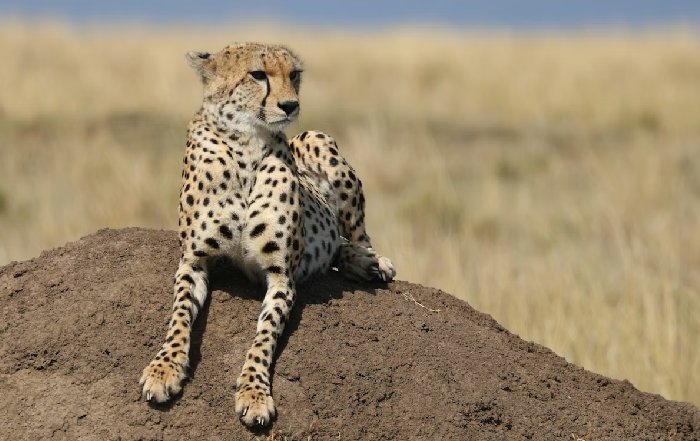
Cheetah Conservation Efforts in Southern Africa: A Strategic Imperative for a Sustainable Future
Cheetahs, Sustainability, and the Business Case for Conservation
Cheetah conservation in Southern Africa has evolved from a purely ecological concern into a strategic test case for how societies, businesses, and policymakers integrate biodiversity protection into broader sustainability agendas. The fate of the cheetah, the world's fastest land animal and one of its most vulnerable big cats, is now closely intertwined with debates on sustainable land use, climate resilience, rural livelihoods, and responsible investment. For eco-natur.com, which is dedicated to advancing sustainable living and responsible economic choices, the story of cheetah conservation offers a powerful, real-world illustration of how environmental stewardship can be aligned with long-term value creation and risk management across sectors and regions.
Southern Africa, spanning countries such as Namibia, Botswana, South Africa, Zimbabwe, and parts of Mozambique and Angola, remains one of the last strongholds for wild cheetahs. Yet, according to the International Union for Conservation of Nature (IUCN), global cheetah populations have declined dramatically over the last century, with habitat fragmentation, human-wildlife conflict, illegal wildlife trade, and declining prey species all contributing to their vulnerability. As stakeholders increasingly recognize that healthy ecosystems underpin economic stability and human well-being, cheetah conservation has become a benchmark for how effectively societies can integrate biodiversity into sustainability strategies, from national policy frameworks to corporate ESG commitments and community-level initiatives. Readers seeking a broader context on how biodiversity fits into sustainability may explore the perspective on sustainable living presented by eco-natur.com, which emphasizes the interdependence between ecological integrity, social equity, and economic resilience.
The Ecological and Economic Importance of Cheetahs
Cheetahs are not merely charismatic wildlife; they are apex mesopredators that help regulate herbivore populations and maintain the balance and health of savanna and grassland ecosystems. By preying primarily on medium-sized ungulates, cheetahs help prevent overgrazing and promote vegetation diversity, which in turn supports a wide web of other species, from insects and birds to larger mammals. The United Nations Environment Programme (UNEP) has consistently highlighted that such ecosystem services underpin food security, climate regulation, and water cycles, all of which carry direct implications for national economies and regional stability in Africa and beyond.
For businesses and investors operating in or sourcing from Southern Africa, the loss of cheetahs and their habitats is not a distant conservation issue but a material risk factor. Land degradation, biodiversity loss, and climate vulnerability can disrupt agricultural supply chains, tourism revenues, and infrastructure investments, ultimately impacting profitability and community livelihoods. The World Bank and Organisation for Economic Co-operation and Development (OECD) have both stressed that natural capital degradation poses systemic risks to global economic systems and that integrating biodiversity into economic decision-making is no longer optional. From this perspective, cheetah conservation becomes part of a broader portfolio of actions that safeguard natural capital and enhance the resilience of rural economies in countries such as Namibia, South Africa, Botswana, and beyond.
Readers interested in the economic dimensions of sustainability can explore eco-natur.com's insights on the sustainable economy, which examine how environmental stewardship, including wildlife protection, can support long-term economic stability and innovation across industries.
Key Threats Facing Cheetahs in Southern Africa
Despite increasing recognition of their ecological and economic importance, cheetahs in Southern Africa face a complex combination of threats that require coordinated, cross-sectoral responses. Habitat loss and fragmentation remain among the most pressing challenges, as expanding agriculture, infrastructure development, and urbanization carve up once-continuous ranges into isolated pockets. The Food and Agriculture Organization (FAO) has documented how land-use change in regions such as Southern Africa is reshaping landscapes and intensifying competition for space between wildlife and human activities, particularly livestock production and crop cultivation.
Human-wildlife conflict, particularly with livestock farmers, is another major driver of cheetah mortality. When cheetahs prey on goats, sheep, or calves, they are often perceived as direct economic threats by rural communities, who may resort to lethal control measures. This conflict is exacerbated by limited access to effective non-lethal deterrents, inadequate compensation schemes, and insufficient integration of wildlife management into agricultural planning. In some areas, poorly regulated trophy hunting and retaliatory killing further compound the pressures on already vulnerable cheetah populations, especially outside formally protected areas.
Illegal wildlife trade, including the trafficking of cheetah cubs for the exotic pet market, has emerged as a particularly insidious threat, with transnational criminal networks exploiting weak enforcement and porous borders. Organizations such as INTERPOL and the Convention on International Trade in Endangered Species of Wild Fauna and Flora (CITES) have noted that cheetah trafficking is often intertwined with broader wildlife crime, which undermines governance, fuels corruption, and destabilizes communities. Climate change is also beginning to alter prey distributions, water availability, and vegetation patterns, adding a further layer of uncertainty to cheetah conservation planning. For a deeper understanding of how climate and biodiversity interact, readers may wish to consult global analyses from the Intergovernmental Panel on Climate Change (IPCC), which outline the cascading effects of warming temperatures on ecosystems and human systems worldwide.
Conservation Organizations and Collaborative Frameworks
Responding to these diverse threats requires coordinated action from governments, conservation organizations, research institutions, local communities, and the private sector. In Southern Africa, several leading organizations have become synonymous with cheetah conservation. The Cheetah Conservation Fund (CCF), based in Namibia, has pioneered integrated approaches that combine scientific research, farmer support, education, and policy advocacy. Similarly, the Endangered Wildlife Trust (EWT) in South Africa and the Panthera wild cat conservation organization work across borders to protect cheetahs and other big cats through habitat conservation, conflict mitigation, and law enforcement support. Interested readers can learn more about regional big cat strategies through sources such as Panthera and the IUCN Cat Specialist Group, which provide detailed data and policy recommendations for decision-makers.
These organizations increasingly operate within broader international frameworks that recognize biodiversity as a global public good. The Convention on Biological Diversity (CBD) and its Kunming-Montreal Global Biodiversity Framework, adopted in late 2022, have set ambitious targets for protecting at least 30 percent of land and sea by 2030, restoring degraded ecosystems, and integrating biodiversity into all sectors of society. For Southern African governments and businesses, this translates into commitments to expand protected areas, strengthen community conservancies, and develop nature-positive investment strategies. The World Wide Fund for Nature (WWF) and The Nature Conservancy (TNC), among others, provide technical support and financing models that help align national development plans with biodiversity objectives, including cheetah conservation. For readers exploring how such frameworks translate into daily choices, eco-natur.com offers perspectives on sustainability and global environmental action, emphasizing that policy commitments must be supported by informed consumer behavior and corporate accountability.
Community-Based Conservation and Sustainable Livelihoods
A central lesson from decades of cheetah conservation work in Southern Africa is that durable success depends on the active participation and empowerment of local communities. In countries such as Namibia and Botswana, community-based natural resource management (CBNRM) programs have demonstrated that when rural residents have legal rights and economic incentives to manage wildlife, they become powerful allies in conservation rather than reluctant bystanders or adversaries. Community conservancies, often supported by organizations like CCF, EWT, and WWF, generate income through nature-based tourism, sustainable hunting quotas where appropriate, and diversified enterprises such as crafts and hospitality, creating a direct link between healthy wildlife populations and improved livelihoods.
Non-lethal predator management techniques are a cornerstone of these community-based strategies. Livestock guarding dogs, improved kraal (enclosure) designs, better herding practices, and landscape-level planning all help reduce livestock losses and build tolerance for cheetahs and other predators. The success of such interventions has been documented by research institutions including the Smithsonian Conservation Biology Institute and universities across Southern Africa and Europe, which highlight measurable reductions in conflict and increases in predator survival where communities receive training, support, and fair economic returns. For readers interested in how everyday choices can support such models, the guidance on sustainable business practices at eco-natur.com underscores the importance of responsible sourcing, fair trade, and community engagement in supply chains that intersect with conservation landscapes.
Community-based conservation also intersects with broader themes of organic food production, regenerative agriculture, and climate-smart land management. By adopting farming practices that enhance soil health, protect water resources, and maintain wildlife corridors, rural communities can support both food security and biodiversity. Organizations such as IFOAM - Organics International and the Food and Land Use Coalition have highlighted examples from Southern Africa where agroecological methods coexist with wildlife, demonstrating that productivity and conservation need not be mutually exclusive. For consumers and businesses across the United States, Europe, Asia, and beyond, supporting organic food systems and nature-positive supply chains can indirectly contribute to the resilience of landscapes that cheetahs depend on.
Protected Areas, Corridors, and Landscape-Scale Planning
While community conservancies play a crucial role, formal protected areas remain essential anchors for cheetah populations. National parks and reserves in Namibia, Botswana, and South Africa provide vital core habitats, yet cheetahs are wide-ranging animals that often move beyond park boundaries in search of prey and territory. This reality has driven a shift toward landscape-scale conservation planning, which seeks to maintain connectivity between protected areas through wildlife corridors, conservation easements, and compatible land uses. The African Parks network, as well as national agencies such as South African National Parks (SANParks), work with local communities and private landowners to secure these corridors and ensure that infrastructure development, such as roads and fences, is designed with wildlife mobility in mind.
Geospatial analysis, satellite monitoring, and advanced modeling techniques are increasingly used to identify critical movement routes and predict how climate change may alter habitat suitability over time. Institutions such as the Global Environment Facility (GEF) and the World Resources Institute (WRI) provide funding and technical expertise for such projects, recognizing that landscape connectivity is essential not only for cheetahs but for broader ecosystem resilience. For readers interested in the intersection of conservation and design, eco-natur.com explores how sustainable design principles can be applied to infrastructure, urban planning, and product development to reduce ecological footprints and support biodiversity.
This landscape-scale approach also aligns with global efforts to create transfrontier conservation areas, such as the Kavango-Zambezi Transfrontier Conservation Area (KAZA TFCA), which spans Angola, Botswana, Namibia, Zambia, and Zimbabwe. These initiatives aim to harmonize policies, coordinate enforcement, and create contiguous habitats across political boundaries, recognizing that wildlife does not adhere to national borders. Such regional cooperation is particularly relevant for cheetahs, whose ranges can extend over thousands of square kilometers and cross multiple jurisdictions, making isolated national efforts insufficient for long-term population viability.
Research, Technology, and Data-Driven Conservation
Scientific research and technological innovation are indispensable components of modern cheetah conservation. Accurate population estimates, genetic diversity assessments, movement data, and health monitoring all inform management decisions and policy design. Researchers from institutions such as the University of Pretoria, University of Cape Town, Oxford University's Wildlife Conservation Research Unit (WildCRU), and Leibniz Institute for Zoo and Wildlife Research collaborate with conservation organizations to deploy GPS collars, camera traps, and non-invasive genetic sampling techniques that build a detailed picture of cheetah ecology and threats.
Advances in data analytics and artificial intelligence, many of which are highlighted by organizations like the Allen Institute for AI and the Microsoft AI for Earth program, are enabling more precise forecasting of habitat changes, poaching risk, and human-wildlife conflict hotspots. Remote sensing data from agencies such as NASA and the European Space Agency (ESA) support land-use planning and climate resilience strategies, helping decision-makers identify where conservation investments will yield the greatest impact. For readers exploring how technology can support a broader sustainable lifestyle, eco-natur.com discusses the role of innovation in sustainable living choices, emphasizing that digital tools and data transparency can empower both organizations and individuals to make more informed decisions.
Crucially, research also informs captive breeding and reintroduction programs, which, while not a panacea, can play a role in restoring cheetah populations in areas where they have been extirpated. In South Africa, carefully managed metapopulation programs on private reserves and protected areas have helped bolster numbers and genetic diversity, although these efforts require rigorous planning to avoid inbreeding, disease transmission, and human-wildlife conflict. The Global Species Management Plans coordinated by institutions such as the Association of Zoos and Aquariums (AZA) and the European Association of Zoos and Aquaria (EAZA) contribute to ex situ conservation efforts that complement in situ strategies in Southern Africa.
Cheetah Conservation, Plastic-Free Futures, and Circular Economies
At first glance, the connection between cheetah conservation and global movements toward plastic-free and circular economies may appear indirect, yet they share a common foundation in reducing human pressures on ecosystems and transitioning to more sustainable consumption and production patterns. Plastic pollution, while more visibly associated with marine environments, also affects terrestrial ecosystems across Africa, where discarded plastics can degrade habitats, harm wildlife, and contribute to broader environmental degradation. Efforts to reduce single-use plastics, encourage recycling, and promote circular business models thus form part of the broader context in which cheetah habitats are either degraded or restored.
International initiatives such as the UN Environment Assembly's ongoing negotiations toward a global plastics treaty, alongside national bans and regulations in countries from Kenya to the European Union, signal a growing recognition that waste reduction is integral to environmental health. Businesses that redesign products and packaging to be reusable, recyclable, or compostable are not only reducing pollution but also aligning with emerging regulatory frameworks and consumer expectations. Readers interested in aligning their own choices with these trends can explore eco-natur.com's resources on plastic-free living and recycling practices, which provide practical guidance for individuals and organizations seeking to minimize their environmental footprint.
Cheetah conservation landscapes are often intertwined with rural communities that lack robust waste management infrastructure, making them particularly vulnerable to pollution and environmental degradation. By supporting circular economy initiatives, responsible tourism operators, and sustainable supply chains that prioritize waste reduction and resource efficiency, stakeholders can contribute to healthier ecosystems that benefit both people and wildlife. This systems-level thinking reflects the core message of eco-natur.com: that individual choices, corporate strategies, and policy frameworks are all interconnected and must be aligned if biodiversity, including cheetahs, is to thrive in the decades ahead.
The Role of Eco-Tourism and Responsible Travel
Eco-tourism has long been heralded as a potential win-win solution for conservation and development, and in Southern Africa it plays a particularly significant role in funding protected areas, supporting community conservancies, and raising global awareness about cheetah conservation. When designed and managed responsibly, wildlife tourism can generate substantial revenues that incentivize habitat protection, create employment opportunities, and finance anti-poaching and monitoring efforts. Reputable operators across Namibia, Botswana, and South Africa increasingly work with conservation organizations and communities to develop experiences that prioritize animal welfare, ecological integrity, and cultural respect.
However, the benefits of eco-tourism are not automatic. Poorly managed tourism can lead to habitat disturbance, stress for wildlife, and inequitable distribution of benefits, which can in turn undermine local support for conservation. International guidelines from organizations such as the Global Sustainable Tourism Council (GSTC) and the World Tourism Organization (UNWTO) provide frameworks for assessing and improving the sustainability of tourism operations, encouraging transparency, community participation, and rigorous environmental standards. For travelers from North America, Europe, Asia, and beyond, choosing operators that adhere to such standards and support conservation initiatives is a concrete way to contribute to cheetah protection.
From the perspective of eco-natur.com, responsible travel is an extension of broader commitments to sustainable living and ethical consumption. Whether selecting accommodations that invest in renewable energy and water conservation, supporting local organic food producers, or participating in educational wildlife experiences that fund conservation, travelers can transform their journeys into meaningful contributions to the long-term survival of species like the cheetah.
Integrating Cheetah Conservation into Global Sustainability Agendas
As the world moves deeper into the 2020s, the intersection between wildlife conservation and global sustainability agendas has become increasingly clear. The United Nations Sustainable Development Goals (SDGs), which guide international development efforts through 2030, explicitly recognize the need to protect terrestrial ecosystems (SDG 15), combat climate change (SDG 13), and promote sustainable economic growth and decent work (SDG 8). Cheetah conservation in Southern Africa sits at the nexus of these goals, illustrating how biodiversity protection can reinforce climate resilience, rural development, and social stability.
In practice, integrating cheetah conservation into sustainability strategies means that governments, businesses, and investors must consider biodiversity impacts in land-use planning, infrastructure development, agricultural policies, and financial decision-making. Environmental, social, and governance (ESG) frameworks, increasingly adopted by institutional investors and corporations across Europe, North America, and Asia, provide a mechanism for assessing and disclosing such impacts, but they require robust data, clear standards, and meaningful stakeholder engagement to be effective. Institutions such as the Taskforce on Nature-related Financial Disclosures (TNFD) and the World Economic Forum (WEF) have highlighted biodiversity loss as a top-tier global risk, urging companies to measure, manage, and mitigate their nature-related dependencies and impacts.
For readers and organizations engaging with eco-natur.com, the call to action is both strategic and ethical. Supporting cheetah conservation is not limited to donations or symbolic gestures; it encompasses a wide range of decisions, from sourcing policies and investment choices to product design and lifestyle habits. By aligning with zero-waste principles, investing in renewable energy solutions, and advocating for policies that protect biodiversity, individuals and businesses can contribute to a future in which cheetahs and other species continue to play their vital roles in healthy, functioning ecosystems.
A Shared Responsibility for the Fastest Cat on Earth
The story of cheetah conservation in Southern Africa is ultimately a story about choices-choices made by farmers balancing livelihoods with predator presence, by policymakers weighing short-term development pressures against long-term ecological stability, by businesses determining how to source materials and manage risk, and by consumers deciding which products, services, and experiences to support. In 2026, there is a growing recognition that these choices are interconnected and that the survival of cheetahs is inseparable from broader efforts to create a more sustainable, equitable, and resilient world.
For eco-natur.com, sharing this narrative is part of a broader mission to foster informed, responsible decision-making among its global audience, from the United States and Europe to Asia, Africa, and South America. By highlighting the experience, expertise, and collaborative efforts of organizations, communities, and researchers working on the front lines of cheetah conservation, the platform underscores a central message: that protecting wildlife is not a niche concern but a core component of sustainable living and responsible business in the twenty-first century. As stakeholders across sectors and regions continue to refine their approaches to sustainability, the fate of the cheetah will remain a powerful indicator of whether humanity can successfully reconcile economic ambition with the stewardship of the natural world on which all prosperity ultimately depends.
