
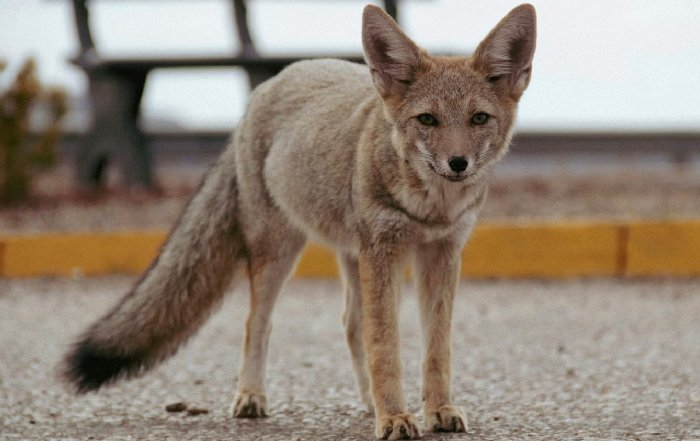
Creating Safe Havens for Urban Foxes: A Strategic Opportunity for Sustainable Cities and Businesses
Urban Foxes at the Heart of Sustainable Cities
The presence of foxes in major cities across Europe, North America, Asia and beyond has become a defining feature of the changing relationship between people, wildlife and the built environment. From London and Berlin to Toronto, Sydney and Tokyo, red foxes and related species have adapted to dense urban landscapes, exploiting fragmented green spaces, transport corridors and residential gardens. Their growing visibility is not simply a curiosity of modern city life; it is a powerful indicator of how urban ecosystems are functioning and how seriously societies take their commitments to biodiversity, climate resilience and public health. For eco-natur.com, whose readers are deeply engaged with sustainable living, sustainability and the future of urban environments, the question is no longer whether foxes belong in cities, but how cities, businesses and communities can create safe havens where these animals can coexist responsibly with people.
Urban foxes sit at the intersection of environmental policy, corporate responsibility and community practice. Their survival depends on how city planners design green infrastructure, how companies manage waste and land assets, how households approach plastic-free lifestyles and how local authorities regulate pest control and wildlife management. As global institutions such as the United Nations Environment Programme emphasize the need to halt biodiversity loss in urban areas, and as the World Health Organization highlights the health benefits of nature in cities, the creation of safe havens for urban foxes becomes a practical expression of larger sustainability commitments. In this context, the work of platforms like eco-natur.com is not just educational; it is part of a broader movement to align city life with ecological integrity.
The Ecological Role of Foxes in Urban Landscapes
Urban foxes are often framed as nuisances, yet ecological research from organizations such as the International Union for Conservation of Nature and leading universities shows that foxes can play a stabilizing role in city ecosystems. They help regulate populations of rodents and some invertebrates, reduce food waste by scavenging, and contribute to the overall diversity of urban fauna. In cities across the United Kingdom, Germany, Canada and Australia, long-term studies have demonstrated that foxes adapt quickly to fragmented habitats, using railway verges, river corridors and small parks as movement routes, while also exploiting residential gardens as feeding and resting sites. Learn more about the value of urban biodiversity through resources from the UN Convention on Biological Diversity at cbd.int.
In ecological terms, foxes are mesopredators, occupying a middle position in the food web. Their presence can influence the behavior and abundance of smaller mammals, birds and invertebrates, which in turn affects plant communities and soil processes. Urban planners and sustainability professionals increasingly recognize that maintaining such trophic interactions, even in heavily modified environments, supports ecosystem services that cities rely on, from pest control to psychological well-being. Evidence compiled by the European Environment Agency has shown that access to wildlife and green spaces enhances mental health, reduces stress and improves social cohesion, providing a strong argument for integrating wildlife-friendly design into urban regeneration projects. In this sense, the creation of fox-friendly habitats aligns closely with the broader vision of sustainable lifestyles promoted by eco-natur.com.
Human-Wildlife Coexistence: Risks, Perceptions and Realities
Despite their ecological value, urban foxes often generate controversy. Media stories from the United Kingdom, Germany and Australia periodically highlight conflicts involving property damage, noise, garden disturbances or, in rare cases, aggressive behavior. Public health concerns about parasites and disease transmission also surface regularly. Yet research collated by public health agencies and veterinary associations in the United States, Canada and Europe suggests that the actual risk posed by foxes to humans is generally low when basic hygiene and responsible waste management practices are observed. Findings summarized by the Centers for Disease Control and Prevention in the United States, for example, indicate that the main disease risks are associated with contact with fox feces or handling of sick animals, rather than casual observation in gardens or parks.
Perception, however, often diverges from evidence. Behavioral ecologists at institutions such as University College London and ETH Zürich have documented how cultural narratives, sensational reporting and lack of public understanding can amplify fear and hostility toward urban wildlife. In some cities, this has led to calls for culling or aggressive control measures that can disrupt local ecosystems and undermine broader conservation goals. Forward-looking municipalities are therefore investing in public education campaigns, citizen science initiatives and transparent communication strategies that encourage residents to view foxes as part of an evolving urban ecosystem rather than as invaders. Businesses that operate in residential neighborhoods, logistics hubs or industrial estates can contribute by adopting evidence-based wildlife policies and sharing accurate information with employees and customers. For deeper insights into coexistence strategies, readers can explore guidance from the IUCN Urban Alliance at iucn.org.
Designing Safe Havens: From Micro-Habitats to Green Networks
Creating safe havens for urban foxes is not about encouraging uncontrolled feeding or attracting animals into hazardous areas; it is about designing cities in ways that reduce conflict, provide secure habitat and maintain ecological functions. At the household and community level, this begins with thoughtful garden and yard design. Dense shrubs, native plantings, log piles and undisturbed corners can provide shelter for foxes and their prey species, while also benefiting birds, pollinators and other small mammals. Such micro-habitats are especially important in densely built neighborhoods in London, Amsterdam, Berlin or Toronto, where private gardens collectively form significant green networks. Resources on biodiversity-friendly design and biodiversity at eco-natur.com offer practical guidance for readers seeking to adapt their own spaces.
At the scale of city planning, safe havens depend on the continuity of green infrastructure. Urban foxes require movement corridors that allow them to travel between feeding, resting and breeding areas without crossing high-risk roads or industrial zones. Planners in progressive cities in the Netherlands, Scandinavia and Germany are increasingly using ecological connectivity models to map fox movements and integrate wildlife crossings, vegetated verges and river buffers into transport and land-use plans. The European Commission's guidance on green infrastructure, available at ec.europa.eu, has been influential in shaping these approaches, and similar frameworks are emerging in North America, Asia and Australia. For global readers, learning how green infrastructure supports wildlife can inform advocacy efforts and local planning consultations.
Waste, Plastic and the Hidden Dangers of Urban Food Sources
One of the defining features of urban foxes is their reliance on human-generated food sources, from unsecured rubbish bags to discarded fast food and pet food left outdoors. While this adaptability has enabled fox populations to thrive in some cities, it also exposes them to significant risks, including ingestion of plastic, contamination from chemicals and increased exposure to traffic and conflict. The global plastic pollution crisis, documented by the United Nations Environment Programme and the Ellen MacArthur Foundation, does not only affect marine life; terrestrial wildlife in cities is equally vulnerable to plastic fragments, packaging and microplastics. Moving toward plastic-free living and better waste management is therefore a direct contribution to safer urban habitats for foxes and other animals.
Businesses have a particularly important role here. Retailers, hospitality companies and logistics providers can reduce wildlife conflicts by investing in secure waste storage, minimizing single-use packaging and training staff to manage food waste responsibly. Municipal authorities can reinforce these efforts through clear regulations, enforcement and public awareness campaigns that highlight the connection between litter, wildlife health and urban aesthetics. For companies seeking structured guidance, the Ellen MacArthur Foundation's circular economy resources at ellenmacarthurfoundation.org offer practical frameworks for redesigning packaging and product systems that reduce leakage into the environment. On eco-natur.com, readers can explore complementary insights on recycling and the broader zero-waste movement, connecting everyday choices with tangible benefits for urban wildlife.
Sustainable Business, Urban Wildlife and the Green Economy
In 2026, sustainability-oriented businesses no longer view biodiversity as an optional add-on to climate or energy strategies; it is increasingly recognized as a core component of risk management, brand value and regulatory compliance. The Taskforce on Nature-related Financial Disclosures (TNFD) and policy initiatives emerging from the Kunming-Montreal Global Biodiversity Framework are pushing companies in Europe, North America and Asia to assess their impacts and dependencies on nature, including in urban areas where many corporate headquarters, warehouses and retail outlets are located. Urban foxes, as visible representatives of city biodiversity, provide a compelling narrative for businesses seeking to demonstrate concrete contributions to nature-positive outcomes. Learn more about sustainable business practices through resources from the World Business Council for Sustainable Development at wbcsd.org.
For organizations featured or engaged with eco-natur.com, integrating urban wildlife considerations into sustainable business strategies can take several forms. Real estate developers can design wildlife-friendly landscapes around office complexes and residential projects, incorporating native vegetation, green roofs and quiet refuges away from heavy foot traffic. Retailers can support local conservation groups that monitor urban fox populations, sponsor educational campaigns or fund wildlife corridors in partnership with municipal authorities. Logistics and industrial operators can review lighting, fencing and waste practices to reduce hazards for nocturnal animals. These measures not only contribute to ecological resilience but also enhance corporate reputation among consumers in the United States, United Kingdom, Germany, Canada, Australia and other priority markets who increasingly expect demonstrable environmental stewardship from the brands they support.
Policy, Regulation and Governance for Urban Wildlife
Effective protection of urban foxes requires coherent governance across multiple levels, from local councils to national ministries and international bodies. Municipalities in the United Kingdom, Germany, the Netherlands and Scandinavia have developed varying approaches to fox management, ranging from permissive coexistence strategies to more interventionist policies where conflicts are frequent. National wildlife laws and animal welfare regulations also shape what is permissible in terms of control, relocation or habitat modification. Internationally, frameworks such as the Bern Convention in Europe and national biodiversity strategies aligned with the Convention on Biological Diversity influence how urban wildlife is valued and protected, even if foxes themselves are not always explicitly mentioned.
For business leaders and sustainability professionals, understanding this regulatory landscape is essential. Compliance risks can arise from inappropriate pest control measures, habitat destruction or failures to consider protected species in development projects. Conversely, alignment with progressive policies can open opportunities for funding, partnerships and recognition. The OECD provides useful overviews of environmental regulation and green growth strategies at oecd.org, helping companies benchmark their practices across regions such as Europe, North America and Asia. Readers of eco-natur.com who are active in policy advocacy or corporate sustainability roles can leverage this knowledge to champion urban wildlife-friendly policies in their own cities, building bridges between environmental NGOs, businesses and local governments.
Health, Safety and Ethical Considerations
Creating safe havens for urban foxes must be balanced with legitimate concerns about public health, animal welfare and safety. Veterinary and public health experts emphasize that feeding foxes intentionally, especially with inappropriate food, can create dependency, encourage bold behavior and increase the risk of conflict. Instead, the focus should be on designing environments where foxes can find natural food sources, shelter and passageways without being drawn into close, frequent contact with humans. The Royal Society for the Prevention of Cruelty to Animals (RSPCA) and similar organizations in other countries offer detailed advice on humane coexistence with urban wildlife, which can be explored at rspca.org.uk.
Ethically, the presence of foxes in cities raises questions about human responsibility for habitats that have been heavily transformed. Many of the conditions that attract foxes-abundant waste, fragmented green spaces, reduced numbers of larger predators-are the result of human decisions. Recognizing this, a growing number of ethicists, conservation biologists and urban planners argue for a relational approach in which humans accept a degree of responsibility for ensuring that wildlife that shares their cities can live without undue suffering. On eco-natur.com, the intersection of health, environmental quality and ethical consumption is a recurring theme, and urban foxes provide a concrete case study of how these dimensions intersect in daily life, from garden design to food choices and neighborhood governance.
Organic Food, Urban Agriculture and Food Webs
The rise of urban agriculture, community gardens and organic food markets in cities worldwide has created new interfaces between people, plants and wildlife. Foxes are increasingly observed near allotments, rooftop gardens and peri-urban organic farms, where they may scavenge fallen fruit, hunt rodents or investigate compost heaps. While this can sometimes lead to minor conflicts, it also reflects the re-emergence of more complex food webs within city boundaries. As more consumers in the United States, Europe, Asia and beyond seek organic food and shorter supply chains, the ecological dynamics of urban and peri-urban landscapes become more important.
Organizations such as IFOAM - Organics International highlight that organic farming principles include respect for ecological balances and wildlife. When applied to urban and peri-urban agriculture, these principles encourage farmers and gardeners to accommodate species like foxes where possible, using non-lethal deterrents to protect vulnerable crops or livestock while preserving habitat features that support biodiversity. For eco-natur.com readers who are involved in community gardens or local food initiatives, understanding the role of foxes in controlling rodents and maintaining ecological diversity can inform management decisions and community guidelines. At a broader scale, integrating wildlife considerations into urban food policies supports resilient, nature-positive food systems that align with the Food and Agriculture Organization's vision for sustainable food and agriculture, accessible at fao.org.
Climate Resilience, Energy and the Future of Urban Wildlife
Climate change is reshaping urban ecosystems in complex ways, altering temperature regimes, precipitation patterns and the distribution of species. Foxes, with their behavioral flexibility and broad diet, are likely to remain successful in many cities, but they will also face new challenges, including heat stress, altered prey populations and changing disease dynamics. Cities that invest in climate-resilient green infrastructure, energy-efficient buildings and low-carbon transport systems not only reduce greenhouse gas emissions but also create more hospitable conditions for wildlife. Shaded corridors, water features, tree canopies and permeable surfaces all contribute to cooler microclimates that benefit both humans and animals. Readers can explore how renewable energy and climate policy intersect with biodiversity through analyses from the International Energy Agency at iea.org.
For eco-natur.com, which addresses the links between economy, environment and society, the presence of foxes in future low-carbon cities offers a compelling symbol of integrated sustainability. As cities in Europe, North America, Asia, Africa and South America implement climate adaptation plans, they will need to consider wildlife corridors alongside flood defenses, green roofs alongside energy retrofits, and biodiversity metrics alongside carbon budgets. Businesses that align their strategies with this holistic vision-investing in nature-based solutions, supporting local conservation and integrating wildlife into corporate campuses and supply chains-will be better positioned to thrive in an economy that increasingly values resilience and ecological integrity.
A Shared Future: Eco-Natur.com and the Global Urban Wildlife Agenda
Creating safe havens for urban foxes is ultimately a collaborative endeavor that spans households, community groups, businesses, planners and policymakers across continents. In cities from London and New York to Berlin, Singapore, São Paulo and Johannesburg, the practical steps may differ, but the underlying principles are the same: reduce unnecessary risks, protect and connect green spaces, manage waste responsibly, and foster a culture of respect for wildlife. Platforms like eco-natur.com play a crucial role in this transformation by connecting readers to evidence-based resources on sustainable living, sustainability, wildlife and global environmental trends, while offering practical guidance tailored to everyday decisions.
As 2026 progresses, the business community is increasingly called upon to demonstrate leadership not only on climate and energy but also on biodiversity and urban ecosystems. The fox trotting through a business park at night or crossing a residential street before dawn is a reminder that even the most developed landscapes remain part of a larger web of life. By embedding wildlife considerations into design, operations and strategy, companies can contribute to cities that are healthier, more resilient and more attractive places to live and work. For eco-natur.com and its global audience, embracing the challenge of creating safe havens for urban foxes is part of a broader commitment to a future in which economic vitality, social well-being and ecological integrity reinforce rather than undermine one another. Readers who wish to deepen their engagement can continue exploring the interconnected themes of sustainable living, circular economies, responsible consumption and urban biodiversity that define the evolving mission of eco-natur.com in a rapidly changing world.
