
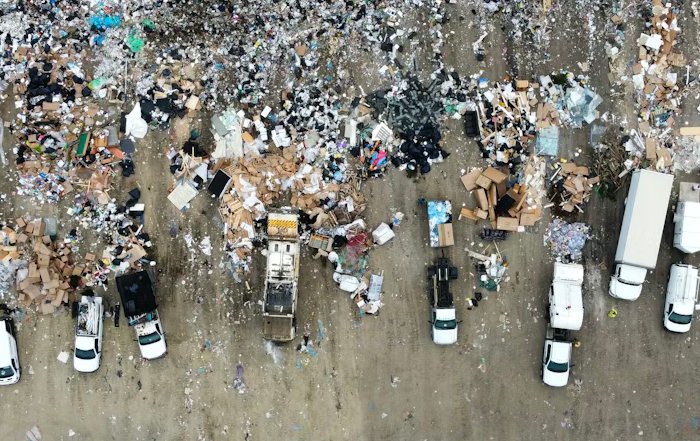
E-Waste: The Growing Global Challenge
Introduction: Why Electronic Waste Defines the Sustainability Agenda in 2026
By 2026, electronic waste has become one of the most pressing and complex sustainability issues confronting governments, businesses and communities worldwide. As digitalization accelerates across the United States, United Kingdom, Germany, China, India, Brazil, South Africa, and every other major economy, the volume of discarded smartphones, laptops, servers, household appliances, electric vehicles and connected devices continues to rise at a pace that outstrips the capacity of existing collection and recycling systems. According to recent assessments by the United Nations and the International Telecommunication Union, global e-waste is growing several times faster than the world's population, and only a fraction is being formally collected and responsibly recycled, despite the mounting environmental, health and economic implications. For a platform like eco-natur.com, which is dedicated to advancing sustainable living and helping individuals and organizations transition to more responsible consumption models, e-waste is not a niche technical issue; it is a central test of whether modern societies can align digital progress with planetary boundaries and social well-being.
Understanding E-Waste: Scope, Definitions and Data
Electronic waste, often shortened to e-waste, is generally defined as discarded electrical and electronic equipment and components, ranging from small personal devices to large industrial machines. This includes consumer electronics such as mobile phones, televisions, computers, tablets and gaming consoles; household appliances such as refrigerators, washing machines and air conditioners; professional and medical equipment; and increasingly, the expanding universe of Internet-of-Things devices, smart home systems and renewable energy components such as solar inverters and battery storage units. Readers who wish to explore formal definitions and statistical methodologies can review the global e-waste monitor resources published by the United Nations Institute for Training and Research and the International Solid Waste Association, as well as data from the OECD on material flows and resource efficiency, which provide detailed breakdowns of categories and regional trends.
The challenge is not only the sheer volume of e-waste, but also its complex composition. Electronic products contain a mixture of valuable materials such as gold, silver, palladium, copper, rare earth elements and high-grade plastics, alongside hazardous substances including lead, mercury, cadmium, brominated flame retardants and certain types of persistent organic pollutants. The World Health Organization has highlighted how improper handling exposes workers and nearby communities to serious health risks, particularly in informal recycling hubs across parts of Asia, Africa and South America, where regulations and enforcement remain limited. At the same time, the World Bank and International Energy Agency have emphasized that recovering critical minerals from e-waste is essential to support the clean energy transition, since demand for these materials is escalating for batteries, wind turbines, electric vehicles and grid infrastructure. Learn more about how resource efficiency is reshaping the global economy through analyses by the International Resource Panel and similar expert bodies.
The Global Geography of E-Waste: A Truly Worldwide Problem
E-waste is a global challenge in both origin and impact, and its geography reflects broader economic, technological and regulatory patterns. High-income regions such as North America, Europe, Japan, South Korea, Singapore, Australia, New Zealand and the Nordic countries generate some of the highest per-capita e-waste volumes, driven by rapid device turnover, high purchasing power and intensive digital lifestyles. Reports from the European Environment Agency and the U.S. Environmental Protection Agency have documented how short product lifespans, aggressive marketing cycles and limited repairability contribute to a steady stream of discarded electronics, even as formal recycling infrastructure in these regions is relatively advanced compared with much of the world. In contrast, emerging economies in Asia, Africa and South America are experiencing a dual burden: rapidly growing domestic e-waste generation as incomes rise and technology adoption spreads, combined with the continued inflow of used and end-of-life equipment from wealthier countries, despite international agreements designed to restrict hazardous waste shipments.
The Basel Convention and associated regional agreements have sought to regulate transboundary movement of hazardous waste, including certain categories of e-waste, yet loopholes and weak enforcement still allow significant volumes to be exported under labels such as "used electronics" or "donations." Investigations by organizations like Basel Action Network and research published by the United Nations University have traced complex global trade routes that move e-waste from Europe and North America to processing hubs in West Africa, South Asia and Southeast Asia, where informal recycling often relies on open burning, acid baths and manual dismantling without adequate protective equipment. These practices not only endanger local communities and ecosystems, but also undermine legitimate recycling businesses that invest in proper environmental and occupational safeguards. For readers at eco-natur.com who are concerned with global sustainability, understanding this geography underscores why responsible e-waste management cannot be solved within national borders alone and requires coordinated international governance, corporate accountability and consumer awareness.
Environmental and Health Impacts: Hidden Costs of the Digital Age
The environmental and public health implications of mismanaged e-waste are severe and multifaceted, touching air, water, soil, biodiversity and human health in interconnected ways. When electronic products are dumped in landfills or burned in open spaces, hazardous substances can leach into groundwater, contaminate soils and release toxic fumes into the atmosphere, contributing to local air pollution and broader climate impacts through the emission of greenhouse gases and black carbon. Studies compiled by the Intergovernmental Panel on Climate Change have indicated that while e-waste is not the largest source of global emissions, its contribution is significant when considering the full lifecycle of electronics, from resource extraction and manufacturing to use and end-of-life treatment. Learn more about sustainable business practices that address lifecycle emissions through resources from the World Business Council for Sustainable Development and similar organizations that guide corporate climate strategies.
The health consequences are particularly alarming for vulnerable populations. Children and pregnant women in informal recycling communities face exposure to heavy metals and toxic chemicals that can impair neurological development, respiratory function and immune systems, as documented by the World Health Organization and UNICEF. Informal workers, many of whom operate without legal protections or access to healthcare, handle and dismantle devices using rudimentary tools, often burning cables to recover copper or soaking circuit boards in acid to extract precious metals. These practices not only harm workers directly but also contaminate local food chains, affecting agriculture and fisheries and undermining the livelihoods of broader communities. The intersection between e-waste and public health is therefore a critical concern for policymakers and businesses in countries as diverse as India, Nigeria, China, Thailand, Brazil and South Africa, as they seek to balance digital development with social and environmental protections.
Biodiversity and ecosystem integrity are also at stake. As e-waste contaminates rivers, wetlands and coastal zones, it adds to the cumulative pressures already facing wildlife from habitat loss, climate change and plastic pollution. Research coordinated by the Convention on Biological Diversity and conservation organizations such as WWF has shown how heavy metals and persistent organic pollutants can bioaccumulate in aquatic and terrestrial species, threatening endangered wildlife and undermining ecosystem services that human societies rely on. For readers engaged with eco-natur.com's focus on wildlife and biodiversity, e-waste should be seen as part of a broader mosaic of environmental stressors that must be addressed through integrated strategies that protect habitats, regulate pollutants and promote circular material flows.
Economic Dimensions: From Linear Waste to Circular Opportunity
Despite its risks, e-waste also represents a significant economic opportunity when managed responsibly, and this is where the concept of a circular economy becomes central. Electronic products contain substantial quantities of valuable metals and high-quality plastics that, if efficiently recovered, can reduce pressure on virgin resource extraction, lower production costs and create green jobs across Europe, Asia, Africa, North America and South America. Analyses by the Ellen MacArthur Foundation and the International Labour Organization have estimated that transitioning to circular models in electronics could unlock billions of dollars in economic value, while generating employment in repair, refurbishment, remanufacturing and advanced recycling. Learn more about how circular economy principles are reshaping the global sustainable economy and influencing investment decisions in both developed and emerging markets.
For businesses, the economic rationale extends beyond material recovery. Designing products for durability, modularity and repairability can enhance brand reputation, reduce warranty costs and foster long-term customer relationships, particularly as consumers in the United States, United Kingdom, Germany, France, Italy, Spain, Netherlands, Sweden, Norway and Denmark become more conscious of their environmental footprint and increasingly demand sustainable options. Initiatives such as the Right to Repair movement, supported by organizations like iFixit and policy developments in the European Union, are pushing manufacturers to provide spare parts, repair manuals and software support for longer periods, thereby extending product lifespans and reducing waste. For companies that engage with platforms like eco-natur.com and adopt sustainable business models, aligning with these trends is no longer optional; it is a strategic necessity to remain competitive and resilient in a regulatory and market environment that increasingly rewards circular thinking.
At the same time, financial institutions and investors are beginning to recognize e-waste as both a risk and an opportunity within environmental, social and governance (ESG) frameworks. Guidance from the Principles for Responsible Investment and sustainability indices maintained by organizations such as MSCI and S&P Global encourage companies to disclose how they manage product stewardship and waste, including electronics. This shift is influencing capital flows, as firms that demonstrate robust e-waste strategies can attract investment from funds that prioritize long-term sustainability and risk mitigation. For readers interested in how these dynamics intersect with sustainability and corporate governance, following analyses from institutions like the World Economic Forum and leading academic centers can provide further insight into evolving best practices.
Policy and Regulation: Evolving Frameworks Across Regions
Public policy is a critical lever in addressing the e-waste challenge, and regulatory frameworks have evolved considerably over the past two decades, though significant gaps remain. Many jurisdictions now apply extended producer responsibility (EPR) schemes to electronics, requiring manufacturers and importers to finance and organize the collection and recycling of end-of-life products. The European Union has been at the forefront with its Waste Electrical and Electronic Equipment (WEEE) Directive and related regulations on eco-design, hazardous substances and circular economy action plans, which collectively set ambitious targets for collection rates, recycling efficiency and design for disassembly. Learn more about how European policy is shaping global norms by consulting resources from the European Commission and the European Environment Agency, which regularly publish updates on implementation and performance across member states.
Other regions are following suit, though with varying levels of ambition and enforcement. In the United States, a patchwork of state-level e-waste laws coexists with voluntary industry initiatives, while federal policy discussions continue around harmonization and national standards. Canada, Australia, Japan, South Korea and Singapore have established national frameworks that blend EPR with public awareness campaigns and support for recycling infrastructure. In contrast, several countries in Africa, South Asia and parts of Latin America are still in the early stages of developing comprehensive e-waste legislation, often relying on donor-supported pilot projects and public-private partnerships to build capacity. Organizations such as the International Telecommunication Union and the United Nations Industrial Development Organization provide technical assistance and policy guidance to help these countries craft regulations that are both effective and tailored to local realities.
For businesses and institutions that engage with eco-natur.com, understanding this regulatory landscape is essential for compliance, risk management and strategic planning. Companies operating across multiple regions must navigate differing definitions, reporting requirements and collection targets, which can complicate supply chain management and product design decisions. However, forward-looking firms are increasingly choosing to adopt global internal standards that meet or exceed the strictest regulatory requirements, recognizing that harmonized, high-ambition approaches can reduce complexity, build trust with stakeholders and prepare them for future policy tightening. This alignment between corporate strategy and public policy is central to building the kind of trustworthy, transparent and resilient systems that readers of eco-natur.com expect from responsible market leaders.
Design, Innovation and the Role of Sustainable Product Development
Addressing e-waste at scale requires rethinking how electronic products are conceived, designed and brought to market. Sustainable product design is no longer limited to niche eco-gadgets; it is becoming a mainstream expectation across sectors, from consumer electronics and household appliances to industrial equipment and smart infrastructure. Design principles that prioritize durability, modularity, repairability, upgradability and recyclability are now recognized as essential to reducing waste and enabling circular business models. For a deeper exploration of these principles, resources from the Cradle to Cradle Products Innovation Institute, the Design Council and leading design schools provide case studies and frameworks that demonstrate how thoughtful engineering and aesthetics can coexist with environmental responsibility. Readers can also explore how design intersects with sustainable innovation in other sectors, offering transferable lessons for electronics.
Innovation is occurring at multiple levels. Some manufacturers are experimenting with modular smartphones and laptops that allow users to replace or upgrade components such as batteries, cameras and storage without discarding the entire device. Others are developing new materials, including bio-based plastics and low-toxicity flame retardants, that reduce environmental and health risks during production and end-of-life treatment. Advances in digital technologies, including artificial intelligence, blockchain and advanced data analytics, are also being deployed to improve traceability of materials, optimize reverse logistics and enhance sorting and processing in recycling facilities. Organizations like the Ellen MacArthur Foundation, World Economic Forum and various national innovation agencies highlight how such technologies can accelerate the transition toward a circular electronics value chain, particularly when combined with supportive policy and consumer engagement.
For eco-natur.com, which emphasizes sustainable lifestyles and responsible consumption, the design dimension is deeply personal. When individuals and businesses choose products that embody these sustainable design principles, they send a clear market signal that durability, reparability and transparency matter. Over time, such choices can reshape entire industries, encouraging more companies to invest in eco-design, provide long-term software support, offer take-back services and embrace service-based models such as product-as-a-service or leasing. This evolution not only reduces e-waste but also supports broader sustainability goals, including resource conservation, climate mitigation and social equity.
E-Waste, Sustainable Living and the Plastic-Free, Zero-Waste Movement
For many readers of eco-natur.com, sustainability is expressed through daily choices related to sustainable living, plastic-free habits, recycling, organic food and zero-waste lifestyles. E-waste might seem more abstract than single-use plastics or food packaging, yet it is intimately connected to the same underlying questions about consumption, convenience, social norms and long-term responsibility. The proliferation of low-cost gadgets, frequent upgrade cycles and marketing that equates newness with status or productivity has normalized a throwaway culture in electronics, just as it has in fashion and packaging. Shifting away from this pattern requires not only better infrastructure and regulations, but also a cultural revaluation of sufficiency, repair and longevity.
Consumers in Europe, North America, Asia-Pacific and beyond are increasingly embracing practices such as buying refurbished devices, extending the lifespan of existing equipment, sharing or renting electronics, and supporting local repair services. Platforms and communities dedicated to repair cafés, maker spaces and do-it-yourself maintenance are growing in cities from London and Berlin to Toronto, Sydney, Singapore and Cape Town, often supported by municipal programs or civil society organizations. These initiatives align with broader plastic-free and zero-waste philosophies, which emphasize reducing consumption at the source, reusing and repurposing items, and recycling only as a last resort when other options are exhausted. For individuals who already pay close attention to food choices, renewable energy adoption and daily waste reduction, integrating responsible e-waste practices is a natural extension of a holistic sustainability mindset.
Moreover, the intersection between e-waste and other sustainability domains is increasingly visible. For example, the deployment of renewable energy systems across Germany, China, United States, India, Spain and South Africa relies heavily on electronic components and batteries that will eventually become e-waste if not designed and managed properly. Smart agriculture technologies, which support the expansion of organic food systems in regions such as France, Italy, Netherlands and Brazil, also generate electronic equipment that must be responsibly handled at end-of-life. Recognizing these connections helps readers of eco-natur.com understand that tackling e-waste is not a separate agenda, but an integral part of building sustainable, resilient and equitable societies.
Building Trustworthy Systems: Transparency, Accountability and Collaboration
A recurring theme in credible responses to the e-waste challenge is the importance of transparency, accountability and multi-stakeholder collaboration. Trustworthy systems depend on reliable data, clear responsibilities and mechanisms that allow citizens, civil society, businesses and regulators to verify claims and track progress. Initiatives such as the Global E-waste Statistics Partnership, which brings together the United Nations University, International Telecommunication Union and International Solid Waste Association, provide standardized data and reporting that enable policymakers and researchers to monitor trends and evaluate the effectiveness of interventions. Learn more about how harmonized data collection supports informed decision-making by exploring their public dashboards and analytical reports, which highlight regional disparities and emerging best practices.
Corporate transparency is equally vital. Leading technology companies, electronics manufacturers and retailers are increasingly publishing detailed sustainability reports that disclose e-waste management strategies, take-back program performance, material recovery rates and progress toward circularity targets. Independent verification by third-party auditors, rating agencies and certification bodies such as TCO Certified and EPEAT helps ensure that these claims are credible and comparable. For readers of eco-natur.com, understanding which labels, certifications and disclosures are meaningful can guide purchasing decisions and advocacy efforts, enabling them to support organizations that demonstrate genuine commitment to responsible product stewardship.
Collaboration across sectors and borders is essential because no single actor can solve the e-waste problem alone. Governments must create enabling policy environments; businesses must design and operate products and systems that minimize waste; financial institutions must align capital with sustainable outcomes; civil society must advocate for vulnerable communities and hold powerful actors accountable; and consumers must adjust expectations and behaviors. Platforms like eco-natur.com play a vital role in this ecosystem by curating reliable information, connecting diverse perspectives and empowering individuals and organizations to make informed, values-aligned choices. In doing so, they contribute to the broader architecture of trust that underpins effective environmental governance and long-term societal resilience.
Conclusion: From Growing Crisis to Catalyst for Sustainable Transformation
As of 2026, e-waste stands as both a symbol and a test of the world's ability to reconcile digital innovation with environmental integrity and social justice. The growing volumes of discarded electronics across Europe, Asia, Africa, North America and South America reveal the shortcomings of linear "take-make-dispose" models, while also illuminating the immense potential of circular economy approaches that prioritize durability, repair, reuse and high-quality recycling. Environmental and health impacts from mismanaged e-waste, particularly in vulnerable communities, underscore the urgency of coordinated action, yet the economic opportunities associated with material recovery, green jobs and sustainable business models demonstrate that responsible e-waste management can be a driver of inclusive prosperity rather than a constraint.
For the business-oriented audience of eco-natur.com, the message is clear: e-waste is not merely a compliance issue or a technical afterthought; it is a strategic arena where experience, expertise, authoritativeness and trustworthiness must converge. Organizations that invest in sustainable design, transparent reporting, robust take-back systems and collaborative partnerships will be better positioned to navigate regulatory change, meet stakeholder expectations and contribute to global sustainability goals. Individuals who align their purchasing and lifestyle choices with these principles-by extending device lifespans, supporting repair and refurbishment, and engaging with credible information sources-become active participants in a collective transformation that spans continents and sectors.
In this sense, e-waste is more than a growing global challenge; it is a catalyst that compels societies to rethink how technology is produced, used and valued. By integrating responsible e-waste management into broader efforts around sustainable living, sustainability, recycling, wildlife protection, sustainable business and the evolving global economy, platforms like eco-natur.com help chart a path toward a future in which technological progress supports, rather than undermines, the health of people and the planet.
