
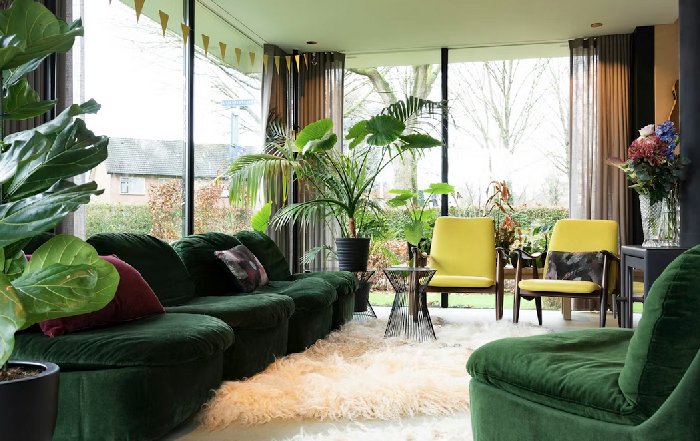
How to Transform Your Home With Green Décor in 2026
Green Décor as a Strategic Lifestyle and Business Decision
By 2026, green décor has matured into a strategic choice that sits at the intersection of climate responsibility, health, and long-term economic resilience, shaping how households and businesses in North America, Europe, Asia, Africa, and South America define quality and comfort in the built environment. Across the United States, the United Kingdom, Germany, Canada, Australia, France, Italy, Spain, the Netherlands, Switzerland, China, Sweden, Norway, Singapore, South Korea, Japan, Thailand, Finland, South Africa, Brazil, Malaysia, and New Zealand, residents increasingly expect their homes to express not only aesthetic taste but also measurable commitments to sustainability, ethical production, and personal well-being. For eco-natur.com, this evolution confirms that interior design is no longer a purely decorative exercise; it is a powerful, everyday mechanism for advancing sustainable living and embedding environmental values into the core of domestic life and business strategy.
Green décor in 2026 encompasses far more than the addition of indoor plants or the adoption of earth-toned color palettes. It requires careful consideration of embodied carbon, life-cycle impacts, indoor air quality, resource efficiency, and the social and labor conditions behind each product that enters the home. Institutions such as the United Nations Environment Programme continue to highlight how consumption patterns in buildings and interiors drive global emissions, resource depletion, and biodiversity loss, and homeowners who wish to learn more about sustainable consumption in the built environment can explore the guidance available from UNEP on sustainable buildings and cities. Within this context, transforming a home through green décor becomes both a personal design journey and a contribution to a global shift in how societies produce, purchase, and use materials.
Foundations of Green Décor: Health, Science, and Authentic Sustainability
A credible approach to green décor begins with a clear understanding of what "green" means in scientific, health, and policy terms, rather than relying on vague marketing language. Indoor environments can concentrate pollutants, and the U.S. Environmental Protection Agency has repeatedly warned that indoor air may be several times more polluted than outdoor air due to volatile organic compounds, combustion by-products, and off-gassing from building materials, furniture, and cleaning products. Readers who wish to deepen their understanding of these issues can learn more about indoor air quality and VOCs and then translate that knowledge into more rigorous product selection for paints, floor finishes, adhesives, and furnishings.
Green décor also relies on life-cycle thinking, in which materials are evaluated from extraction through manufacturing, use, and end-of-life. Certifications such as Forest Stewardship Council (FSC) for wood, Global Organic Textile Standard (GOTS) and OEKO-TEX for textiles, and Cradle to Cradle Certified for products provide structured, independently verified criteria that help distinguish genuinely responsible products from those that merely adopt green branding. These frameworks align closely with the broader sustainability principles presented on eco-natur.com's sustainability hub, where readers can explore how home design decisions fit within global climate and biodiversity goals and how they can support more resilient economies.
Connecting Décor With Broader Sustainable Living Goals
For the community around eco-natur.com, home décor is one visible strand in a larger tapestry of decisions that define a sustainable lifestyle, touching on food choices, mobility, energy use, waste management, and financial planning. When residents in cities from New York, London, and Berlin to Singapore, Seoul, and São Paulo frame their interiors as platforms for sustainable living, they begin to align décor choices with clear, outcome-oriented goals such as reducing waste, lowering energy consumption, supporting ethical supply chains, and cultivating spaces that encourage restorative, low-impact habits.
The World Green Building Council has consistently emphasized that buildings must become healthier, more energy-efficient, and more resource-conscious if the world is to meet net-zero targets, and individuals interested in this agenda can explore how buildings contribute to climate solutions by visiting the World Green Building Council's resources. Translating these high-level goals into domestic interiors means favoring durable, repairable furniture over disposable pieces, designing storage that supports low-waste habits, and integrating functional zones for recycling, composting, and zero-waste storage, in line with the guidance on zero-waste principles and circular living that eco-natur.com has developed for its global audience.
Selecting Materials With Low Environmental and Health Impacts
Material choice remains one of the most consequential aspects of green décor, because it directly influences both the environmental footprint of the home and the health of its occupants. Natural materials such as responsibly sourced wood, bamboo, cork, wool, linen, hemp, and organic cotton can offer lower embodied carbon and improved end-of-life options compared with many synthetic alternatives, but only when they are produced under robust environmental and social standards. The Forest Stewardship Council provides a globally recognized benchmark for responsible forestry, and homeowners can learn more about FSC-certified wood products to ensure that furniture, flooring, and millwork do not contribute to deforestation or habitat destruction in critical regions such as the Amazon, Southeast Asia, or Central Africa.
Textiles certified by GOTS or OEKO-TEX help reduce exposure to harmful dyes, finishes, and residual chemicals, and they support farming practices that are less damaging to soil and water systems. For households in the United States, Canada, the United Kingdom, Germany, France, Italy, Spain, the Netherlands, and beyond, these certifications provide an essential filter that cuts through greenwashing and allows decision-makers to prioritize products that embody verifiable improvements in environmental and social performance. On eco-natur.com, the emphasis on plastic-free alternatives further reinforces the importance of material choices by drawing attention to the growing body of evidence around microplastics in air, dust, and food, which is being documented by organizations such as the World Health Organization, where readers can explore research on microplastics and health implications.
Reducing avoidable plastic in décor-especially in textiles, finishes, and frequently handled accessories-can lower microplastic shedding and support broader efforts to tackle plastic pollution in oceans, rivers, and soils. While high-performance plastics may remain necessary in certain safety-critical or long-lived applications, an intentional shift toward glass, metal, wood, and natural fibers in non-essential uses aligns with the plastic-free and circular economy guidance that eco-natur.com has been advancing for readers worldwide.
Integrating Energy Efficiency and Renewable Energy Into Interior Design
In 2026, green décor is increasingly inseparable from energy performance, as households recognize that lighting, appliances, and thermal comfort strategies significantly influence both carbon footprints and operating costs. Thoughtful lighting design, centered on high-quality LEDs, task-based illumination, and smart controls, can dramatically reduce electricity consumption while improving visual comfort and ambiance. The International Energy Agency continues to document how efficient lighting and appliances contribute to national and global energy transitions, and homeowners who wish to integrate these insights into interior planning can explore energy efficiency guidance from the IEA.
In countries such as Germany, the Netherlands, Sweden, Denmark, and Switzerland, where building regulations have driven high performance standards, many households are now incorporating renewable energy directly into their homes through rooftop solar, building-integrated photovoltaics, and home energy storage, with interior layouts and wiring strategies designed to accommodate these systems. For readers of eco-natur.com, resources on renewable energy in domestic settings provide a framework for aligning décor and technology, whether in compact apartments in Singapore or Tokyo, or in detached homes in Canada, Australia, and New Zealand. Window treatments, shading devices, and insulation are also increasingly recognized as core décor elements, because thermally effective curtains, blinds, and shutters can reduce heating and cooling loads in climates as diverse as Norway, Finland, Thailand, Brazil, and South Africa, while still contributing to the visual identity of a room.
Designing for Zero Waste, Durability, and Circularity
The transition from a linear to a circular economy is now a central theme in sustainability discussions, and eco-natur.com has placed circularity at the heart of its guidance on zero-waste living. Within the home, this translates into a preference for timeless, repairable, and modular furnishings that can be adapted, refurbished, or resold rather than discarded. The Ellen MacArthur Foundation, a leading authority on circular design, provides extensive resources on how products can be conceived for longevity and re-use, and readers who wish to understand how furniture and interiors fit into these systems can learn more about circular design principles.
Durability becomes a financial as well as an environmental strategy when households choose solid wood tables that can be refinished rather than replaced, sofas with replaceable covers and components, and cabinetry designed for easy repair. At the same time, the growth of second-hand markets, refurbishment services, and furniture libraries in cities such as New York, Toronto, London, Berlin, Paris, Milan, Amsterdam, Stockholm, Singapore, and Seoul is redefining access to quality décor, allowing residents to experiment with design while dramatically reducing the demand for new materials. Inside the home, well-planned storage and labeling systems for recycling and material recovery help normalize circular habits, making it easy for residents to separate paper, metals, glass, textiles, and electronics so that they can re-enter productive cycles rather than contributing to landfill or incineration.
Biophilic Design and the Connection to Wildlife and Biodiversity
Biophilic design-the practice of integrating patterns, materials, and elements that evoke nature-has gained significant scientific backing in recent years, and by 2026 it is recognized as a core pillar of evidence-based green décor. Research from institutions such as Harvard T.H. Chan School of Public Health has linked access to natural light, views of greenery, and the presence of indoor plants to improved mental health, reduced stress, and better cognitive function, and readers can explore the health benefits of nature-connected design when planning home offices, study areas, and recovery spaces.
For eco-natur.com, biophilic design is inseparable from the protection of wildlife and biodiversity, because the same design moves that enhance human well-being can also create microhabitats for urban species. Balconies planted with native or regionally adapted species can provide food and shelter for pollinators and birds in cities from Los Angeles and Vancouver to London, Berlin, Madrid, Rome, Amsterdam, Zurich, Singapore, Bangkok, and Johannesburg. Window boxes, green walls, and small courtyard gardens visible from interior spaces soften the boundary between indoors and outdoors, reinforcing the sense that the home is embedded in a living ecosystem rather than isolated from it. Organizations such as the International Union for Conservation of Nature (IUCN) provide data and guidance on threatened species and ecosystems, and individuals interested in aligning their garden and balcony design with conservation priorities can learn more about biodiversity protection.
Biophilic strategies also extend to acoustics, daylighting, and airflow. The World Health Organization has highlighted the health impacts of noise and poor indoor environments, and residents can explore WHO guidance on healthy housing and noise to better understand how materials and layouts influence comfort. Soft, sound-absorbing finishes, operable windows that allow for natural ventilation where outdoor air quality permits, and careful control of glare and contrast can all contribute to interiors that feel calmer and more connected to natural rhythms, supporting the broader well-being agenda that eco-natur.com promotes through its content on health and sustainable homes.
Organic, Healthy Kitchens and Dining Spaces
Kitchens and dining areas remain focal points for sustainable transformation because they connect interior design with food systems, waste management, and social rituals. As interest in organic, local, and regenerative agriculture has grown across Europe, North America, Asia, Africa, and South America, many households are redesigning their kitchens to support organic and sustainable food choices and to make low-waste, plant-forward cooking more intuitive. Durable, non-toxic surfaces, responsibly sourced cabinetry, and low-VOC finishes help ensure that the heart of the home supports respiratory and overall health, while open shelving, glass containers, and visible storage encourage the use of existing ingredients, thereby reducing food waste.
The Food and Agriculture Organization of the United Nations has documented how dietary patterns influence climate, water, and biodiversity, and individuals who wish to understand this connection more deeply can explore FAO resources on sustainable diets. Translating this knowledge into design means allocating space for bulk goods, reusable containers, and composting systems, as well as considering how layout and lighting affect the ease of preparing fresh meals rather than relying on highly processed foods. Dining spaces, whether in compact apartments in Tokyo, Hong Kong, or Singapore or in larger homes in the United States, Canada, the United Kingdom, Germany, and Australia, can be curated with solid wood tables, organic textiles, and long-lasting tableware that collectively signal a commitment to quality, community, and mindful consumption, echoing the values expressed throughout eco-natur.com.
The Economics of Green Décor and the Rise of Sustainable Business
For a business-oriented audience, the economic case for green décor in 2026 is increasingly clear, as data accumulates on the financial benefits of energy efficiency, durability, and healthier interiors. Strategic investments in efficient lighting, high-performance windows, better insulation, and non-toxic materials can reduce operating costs, lower healthcare risks, and potentially enhance property values, particularly in markets where green certifications and sustainability ratings influence buyer and tenant decisions. Institutions such as the Organisation for Economic Co-operation and Development (OECD) and the World Bank have shown how green infrastructure and energy efficiency contribute to macroeconomic resilience, and readers can learn more about the economic rationale for green investment when planning phased upgrades to their homes.
From the perspective of eco-natur.com, green décor is deeply intertwined with the evolution of sustainable business models across the design, construction, and home goods industries. Companies that provide transparent supply chains, robust third-party certifications, and take-back or refurbishment programs are gaining market share in the United States, Canada, the United Kingdom, Germany, France, Italy, Spain, the Netherlands, Switzerland, Sweden, Norway, Denmark, China, Japan, South Korea, Singapore, Australia, New Zealand, Brazil, South Africa, and other markets where informed consumers are reshaping demand. This shift is driving innovation in low-impact materials, modular design, and service-based offerings such as furniture leasing, repair subscriptions, and product-as-a-service models. Readers who wish to situate their personal décor decisions within these broader economic trends can explore eco-natur.com's analysis of the green economy and sustainable markets.
For individual households, it is prudent to treat green décor as a staged investment plan rather than a single, disruptive project. Prioritizing upgrades with the highest environmental and financial returns-such as improving insulation, eliminating the most toxic materials, and optimizing lighting-allows residents in diverse economic contexts, from high-income cities in Europe and North America to rapidly growing urban centers in Asia, Africa, and South America, to progress at a manageable pace while still contributing meaningfully to global sustainability goals.
Regional Nuances in Global Green Décor Practice
Although the core principles of green décor are widely applicable, their implementation varies significantly by region due to climate, cultural preferences, regulatory frameworks, and market maturity. In Europe, particularly in Germany, Sweden, Denmark, the Netherlands, and Switzerland, strong building codes and high public awareness of climate issues have created robust markets for eco-certified products, low-emission finishes, and high-performance building components. The European Environment Agency provides extensive data and analysis on sustainable building trends, and those interested in the European context can explore EEA reports on buildings and energy.
In North America, concerns about climate resilience, wildfire risk, and indoor air quality are pushing homeowners to consider fire-resistant materials, advanced filtration, and design strategies that balance natural ventilation with protection from outdoor pollution. In Asia-Pacific regions such as Singapore, Japan, South Korea, Thailand, and New Zealand, high-density urban living and smaller floor areas are driving innovation in multi-functional furniture, vertical greenery, and highly efficient storage solutions, allowing residents to achieve ambitious sustainability goals within compact spaces. In many parts of Africa and South America, traditional vernacular architecture and long-standing cultures of repair and reuse offer valuable lessons in climate-adapted design, resource efficiency, and community-based approaches to construction and furnishing.
For eco-natur.com, which serves a global readership, the challenge and opportunity lie in presenting universal principles while encouraging adaptation to local conditions. Readers are invited to complement the site's guidance with resources from national green building councils, local environmental agencies, and international organizations such as the World Resources Institute, where they can explore region-specific insights on sustainable cities and buildings. This localized approach ensures that green décor strategies remain both aspirational and practical, respecting climatic realities, cultural traditions, and regulatory environments.
Building a Coherent Green Home Narrative With eco-natur.com
Transforming a home with green décor in 2026 is best understood as an ongoing narrative rather than a one-time makeover, a process in which each decision about materials, layouts, colors, and technologies contributes to a coherent story about values, evidence, and long-term vision. For the community of readers at eco-natur.com, this narrative is supported by a comprehensive ecosystem of resources covering sustainable lifestyles, biodiversity, health and well-being, and global sustainability challenges, all of which help individuals situate their décor choices within the larger context of planetary boundaries and social equity.
Scientific bodies such as the Intergovernmental Panel on Climate Change (IPCC) have underscored the importance of demand-side measures and lifestyle changes in achieving climate targets, and those who wish to understand the role of households in climate mitigation can learn more from IPCC reports. By acting on this knowledge through the lens of interior design-prioritizing low-impact materials, energy-efficient systems, circular and zero-waste practices, biophilic elements, and ethical supply chains-homeowners and tenants from North America and Europe to Asia, Africa, and South America can create interiors that are visually compelling, healthier, and more resilient, while also contributing to global sustainability objectives.
A green home, as presented by eco-natur.com, is defined less by perfection than by direction: a consistent movement toward lower environmental impact, higher quality, and deeper connection with the natural world. As the platform continues to expand its guidance on sustainability, recycling, plastic-free living, renewable energy, and sustainable living in practice, it invites readers in every region to view their homes as active participants in the global transition to a more just and regenerative economy. Through informed, intentional design decisions, each living room, kitchen, bedroom, and workspace can become a quiet yet powerful expression of a future in which aesthetics, health, and sustainability are not competing priorities but mutually reinforcing pillars of modern life.
