
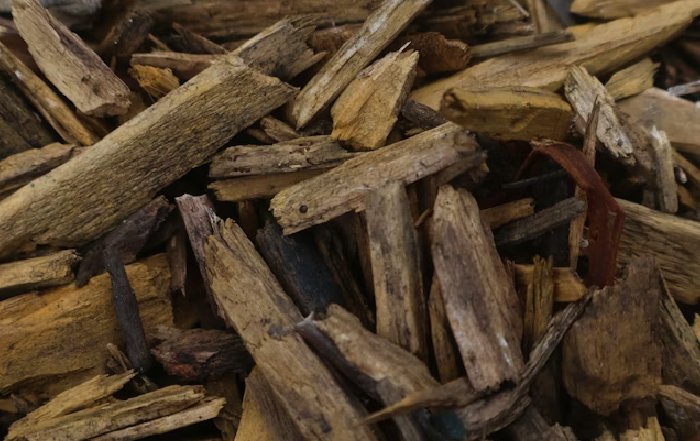
Identifying Truly Compostable Materials: A Practical Guide for Businesses and Households
The New Urgency Around Compostable Materials
Organizations and households across the world are reassessing what it means to live and operate sustainably, and few topics generate more confusion than compostable materials. As governments from the United States to Germany, Australia, Japan, and South Africa tighten waste regulations and phase out single-use plastics, the marketplace has been flooded with products labeled as "biodegradable," "eco-friendly," or "compostable," yet many of these claims do not withstand technical scrutiny or real-world composting conditions. For readers of eco-natur.com, which has long focused on practical pathways to sustainable living and responsible consumption, the central challenge is no longer just finding "green" products, but identifying which materials are truly compostable and how they behave in actual home and industrial compost systems.
This shift is not merely a matter of environmental preference; it is increasingly a question of regulatory compliance, brand credibility, and operational efficiency. Businesses that mislabel or misunderstand compostable claims risk legal penalties, reputational damage, and higher waste-management costs, while households that place the wrong materials into compost bins can contaminate entire batches, undermining local circular-economy efforts. Understanding the science, standards, and infrastructure behind compostable materials has therefore become a core component of modern sustainability strategy for companies and citizens alike.
Compostable vs. Biodegradable vs. Recyclable: Clarifying the Language
The first step in identifying truly compostable materials is to distinguish clearly between compostable, biodegradable, and recyclable, terms that are often used interchangeably in marketing yet have fundamentally different technical meanings and implications for waste systems. According to the U.S. Environmental Protection Agency and similar regulators in Europe and Asia, a compostable material is one that breaks down into carbon dioxide, water, inorganic compounds, and biomass at a rate consistent with known compostable materials, leaving no visible, distinguishable, or toxic residue in a composting environment. In contrast, a biodegradable material may eventually break down under natural conditions, but it might take years or decades, and it may fragment into microplastics or other persistent substances rather than integrating safely into soil.
Recyclable materials follow an entirely different pathway, requiring collection, sorting, and reprocessing into new products, often via specialized industrial systems. Many types of plastic packaging that are technically recyclable are not accepted in local programs because of contamination or lack of infrastructure, as documented by organizations such as OECD and Ellen MacArthur Foundation. For those seeking to reduce waste through recycling, understanding local capabilities is as important as understanding the material itself. Compostable materials, by contrast, are designed to return to the biosphere through controlled biological processes, but whether they can do so in a backyard compost heap in Canada or only in an industrial facility in Singapore depends on their composition and certification.
The Science Behind Compostability
To determine whether a material is truly compostable, one must look beyond marketing claims to the underlying science of how it behaves in a composting environment. Industrial composting facilities, such as those described by European Compost Network and US Composting Council, typically operate at temperatures between 55°C and 65°C with carefully controlled moisture, aeration, and microbial activity. Under these conditions, certified compostable materials are expected to disintegrate within a defined period (often 12 weeks) and fully biodegrade within six months, leaving no harmful residues or heavy metals above regulatory thresholds.
Home composting conditions in United Kingdom, France, Brazil, or New Zealand are far more variable. Backyard systems may never reach the high temperatures needed to break down thicker bioplastics or multi-layer products, especially in cooler climates such as Sweden, Norway, or Finland. As a result, many items labeled "compostable" are in practice only "industrially compostable." Standards organizations such as ASTM International and CEN define test methods for industrial compostability (for example, ASTM D6400 or EN 13432), while separate, more stringent criteria are emerging for home compostability. Understanding which standard a product meets is essential for anyone aiming to advance a zero-waste lifestyle or implement credible corporate sustainability programs.
Certification Systems and Logos: What to Look For
In 2026, credible compostability claims are anchored in independent certification systems that verify performance against recognized standards. Across North America, the Biodegradable Products Institute (BPI) remains a leading certifier for industrially compostable products, authorizing the use of a distinctive logo that signals compliance with ASTM standards. In Europe, organizations such as TÜV Austria and DIN CERTCO certify both industrial and home compostable products under EN 13432 and related standards, while in Asia and Oceania, similar schemes are increasingly being aligned to international norms, particularly in countries like Japan, South Korea, Singapore, and Australia.
Businesses seeking to ensure that their packaging is truly compostable must verify not only that a product carries a recognized certification mark, but also that the certification is current, traceable, and appropriate for the intended composting environment. For households and professionals visiting eco-natur.com, a practical approach involves cross-checking product claims against official lists published by certifiers and local composting facilities, as well as learning how to interpret labels that specify "home compostable" versus "industrially compostable." Doing so can help avoid the common pitfall of assuming that any product marked "compostable" will break down in a modest backyard bin in Italy or an urban balcony system in Spain.
Distinguishing Truly Compostable Bioplastics from Greenwashing
Bioplastics are among the most confusing material categories for consumers and procurement teams alike. Some bioplastics, such as PLA (polylactic acid), can be compostable under industrial conditions, while others are designed primarily for recyclability or durability and may not degrade meaningfully in any realistic timeframe. Organizations such as European Bioplastics and research institutes highlighted by National Renewable Energy Laboratory explain that "bio-based" refers to the origin of the material (derived partly or wholly from biomass), whereas "biodegradable" and "compostable" refer to its end-of-life behavior. A bio-based plastic can be non-compostable, and a compostable plastic can be made partly from fossil resources.
For a material to qualify as truly compostable, it must not only disintegrate and biodegrade under specified composting conditions, but also avoid leaving behind microplastics or toxic residues that could harm soil health, wildlife, or human health. This is particularly relevant to readers interested in wildlife conservation and soil biodiversity, where improper disposal of pseudo-compostable plastics can introduce persistent pollutants into sensitive ecosystems. Companies that wish to build trust with environmentally conscious customers in Netherlands, Switzerland, China, Thailand, and beyond are increasingly conducting independent third-party testing, publishing detailed material safety data, and engaging transparently with local composting operators to ensure that their products perform as claimed in real-world conditions.
Paper, Cardboard, and Natural Fibers: Not All Are Equal
Paper, cardboard, and plant-based fibers are often assumed to be inherently compostable, yet coatings, inks, and additives can significantly alter their behavior. Uncoated, unbleached paper and cardboard, free from plastic laminates, synthetic glues, or heavy-metal inks, generally compost well and can support nutrient cycling in both home and industrial systems, as documented by agronomy research from institutions such as FAO and Rodale Institute. However, many food-service items, including coffee cups, takeaway containers, and bakery boxes, are lined with thin plastic films or treated with fluorinated compounds to resist grease and moisture, making them either non-compostable or only suitable for specific industrial processes.
Textiles based on natural fibers, such as organic cotton, hemp, or wool, can be compostable when untreated, but modern fashion and home textiles often contain synthetic blends, dyes, and finishes that hinder degradation or introduce contaminants. As the global conversation around sustainable business intensifies, particularly in sectors such as hospitality, food service, and retail across Europe, Asia, and South America, procurement policies are increasingly specifying not only fiber content but also chemical treatments and certified compostability. For businesses featured on eco-natur.com, this deeper material due diligence is becoming a hallmark of authentic environmental leadership.
Food Waste, Organic Matter, and the Link to Organic Food Systems
Food scraps, yard trimmings, and other organic residues remain the backbone of any composting system, and their proper management is central to both climate mitigation and soil health. Organizations such as UN Environment Programme and World Resources Institute have documented how food waste contributes significantly to global greenhouse gas emissions, while regenerative composting can restore degraded soils, support biodiversity, and reduce dependence on synthetic fertilizers. For readers interested in organic food, composting is not merely a waste-management technique; it is a critical feedback loop that returns nutrients to the land and sustains organic agriculture in regions as diverse as United Kingdom, Canada, Brazil, and Kenya.
In this context, identifying truly compostable materials extends beyond packaging to include the quality of the organic feedstock itself. Contamination from plastics, metals, or hazardous chemicals can compromise compost quality and limit its use on farms certified by organizations such as IFOAM - Organics International. Businesses in the food and hospitality sectors, from small restaurants in Italy to large hotel chains in Thailand and South Africa, are therefore adopting stricter front-of-house and back-of-house sorting practices, supported by staff training and clear communication with customers, in order to protect the integrity of the compost stream and align with broader health and lifestyle goals.
Regional Infrastructure and Policy: Why Location Matters
The compostability of a material is not only a function of its chemistry and certification but also of the infrastructure and policies available in a given region. In the United States, industrial composting facilities are expanding, yet access remains uneven, with some metropolitan areas offering curbside organics collection and others lacking basic infrastructure. In Germany, France, and the Netherlands, well-established organics collection systems and stringent waste regulations have created more robust markets for certified compostable packaging, while countries like Singapore, Japan, and South Korea are integrating composting into broader circular-economy strategies that also emphasize energy recovery and advanced recycling, as outlined by organizations such as World Bank and International Solid Waste Association.
For businesses and households worldwide, including those following eco-natur.com from Australia, New Zealand, Malaysia, Denmark, Norway, Finland, and Brazil, the key question is whether local systems can actually process the compostable materials they adopt. A coffee chain that switches to certified compostable cups in Canada but operates in cities without organics collection may inadvertently send those cups to landfill or incineration, negating much of the anticipated environmental benefit. Consequently, responsible organizations are increasingly mapping local infrastructure, engaging with municipal authorities, and designing products that align with the actual end-of-life pathways available in each market, rather than relying on a single global packaging solution.
Compostable Materials, Plastic-Free Strategies, and the Circular Economy
The move toward compostable materials is often part of a broader ambition to go plastic-free and build circular business models that minimize waste and resource extraction. However, experts at institutions such as Ellen MacArthur Foundation and Chatham House caution that compostable materials are not a universal substitute for conventional plastics and should be deployed strategically, particularly where contamination with food or organic matter makes recycling impractical. Compostable solutions can be especially effective for items like food-service packaging, produce bags, and certain agricultural films, where they can integrate seamlessly into organics collection and composting systems.
At the same time, a credible circular strategy requires careful life-cycle assessment, considering factors such as land use, water consumption, and energy inputs associated with bio-based materials. Businesses that appear on eco-natur.com and position themselves as sustainability leaders are increasingly using tools from organizations like GHG Protocol to evaluate the net climate impact of shifting to compostable materials, while also exploring complementary strategies such as reuse systems, packaging reduction, and improved economy and resource efficiency. In this way, compostability becomes one component of a holistic approach rather than a stand-alone solution.
Practical Guidance for Businesses: Procurement, Labeling, and Operations
For companies operating in sectors such as food service, retail, e-commerce, and hospitality across North America, Europe, Asia, and Africa, identifying truly compostable materials requires coordinated action across procurement, marketing, and operations. Procurement teams must establish clear specifications that require third-party compostability certifications, transparency about material composition, and compatibility with local composting infrastructure. Operations managers need to work closely with waste haulers and composting facilities to confirm which items are accepted and under what conditions, recognizing that acceptance lists may differ between regions or even between neighboring municipalities.
Accurate labeling and customer communication are also critical. In United Kingdom, Germany, and Canada, regulators have increased scrutiny of environmental claims, and organizations such as Federal Trade Commission and European Commission have issued guidelines to prevent greenwashing. Businesses that describe their products as "compostable" must clarify whether this refers to industrial or home composting, provide instructions for proper disposal, and avoid ambiguous terms like "biodegradable" that can mislead consumers. For the audience of eco-natur.com, which values authenticity and technical rigor, such transparency is a key indicator of trustworthy sustainable business practices.
Empowering Households: Home Composting and Informed Choices
Households in United States, United Kingdom, Italy, Spain, France, Netherlands, Switzerland, China, Japan, Thailand, and beyond increasingly view composting as an essential part of sustainable living and lifestyle change, yet they often struggle to determine which products belong in a home compost bin. In practice, residents are best served by prioritizing food scraps, yard waste, uncoated paper, and clearly labeled home-compostable items, while treating most bioplastics and complex packaging as candidates for industrial composting or landfill where no industrial option exists. Local governments and NGOs, including Zero Waste International Alliance and national environmental agencies, provide guidance specific to climate, housing types, and available infrastructure, helping citizens avoid contamination and maximize compost quality.
For those inspired by eco-natur.com to deepen their engagement, home composting becomes more than a waste-management tactic; it is a tangible connection to soil health, biodiversity, and climate resilience. By observing how different materials behave in their own compost systems, individuals gain practical insight into the difference between marketing language and real-world performance, reinforcing the importance of certified, truly compostable products and encouraging more informed purchasing decisions.
The Role of Eco-Natur.com in Navigating Compostability
As sustainability expectations rise across Global, Europe, Asia, Africa, South America, and North America, the need for reliable, independent guidance on compostable materials has never been greater. Eco-Natur.com occupies a distinct position in this evolving landscape, serving both as a knowledge hub and as a bridge between technical expertise and everyday decision-making. Through its content on sustainable living, sustainability frameworks, recycling systems, organic food and agriculture, and the broader global sustainability context, the platform helps readers distinguish between genuinely compostable solutions and superficial green branding.
By highlighting organizations with strong track records in compostability research and standard-setting, such as BPI, TÜV Austria, US Composting Council, ASTM International, CEN, UNEP, and FAO, and by connecting these global insights to practical guidance tailored to local realities, eco-natur.com supports both businesses and households in making informed, trustworthy choices. In doing so, it reinforces the core principles of experience, expertise, authoritativeness, and trustworthiness that are essential for navigating the complex and rapidly evolving world of compostable materials in 2026.
Ultimately, identifying truly compostable materials is not a single decision but an ongoing process that integrates science, certification, infrastructure, and behavior. For organizations seeking to build credible sustainability strategies and for individuals committed to living in harmony with nature, the path forward involves continual learning, careful material selection, and active engagement with local composting systems. Through this integrated approach, and with platforms like eco-natur.com providing clear, evidence-based guidance, compostability can move from marketing promise to measurable environmental reality.
