
Plastic-Free Storage Options for the Modern Kitchen
Rethinking the Modern Kitchen: Why Plastic-Free Matters
In homes across the world, the kitchen has become the focal point of a quiet but powerful transformation. Consumers, businesses and policymakers are increasingly aware that conventional plastic, especially single-use and low-recyclability plastics, carries a heavy environmental and health burden. Scientific research has documented how plastic production and disposal contribute to greenhouse gas emissions, how microplastics are now found from Arctic ice to deep-sea sediments, and how food packaging can leach chemicals into meals, particularly when heated. Reports from organizations such as the United Nations Environment Programme highlight that plastic pollution has more than doubled in the past two decades, while studies summarized by Harvard T.H. Chan School of Public Health discuss concerns around additives like phthalates and bisphenols in certain plastics.
Within this context, the shift toward plastic-free storage in the modern kitchen is not a lifestyle fad but a meaningful response to global environmental and health challenges. For readers of Eco Natur at eco-natur.com, this transition aligns closely with broader commitments to sustainable living, responsible consumption and a healthier home environment. The plastic-free movement is increasingly supported by innovations in materials science, evolving consumer expectations, and policy initiatives in regions from the European Union to parts of North America and Asia, all aiming to reduce plastic waste and promote circularity.
Understanding the Impact of Plastic in Food Storage
Before exploring alternatives, it is useful to understand why so many households and sustainable brands are deliberately moving away from plastic containers, wraps and bags as default storage options. Conventional plastics used in food storage, such as polyethylene, polypropylene and polycarbonate, are derived largely from fossil fuels. According to analyses from the International Energy Agency and OECD, plastic production is a growing driver of oil and gas demand, and its lifecycle emissions are increasingly significant in climate modeling.
In addition, even when plastics are technically recyclable, actual recycling rates remain low in many countries due to contamination, economic barriers and limited infrastructure. Reports from the U.S. Environmental Protection Agency and the European Environment Agency indicate that only a fraction of plastic packaging is effectively recycled, with much of it ending up in landfills, incinerators or the natural environment. Over time, larger plastic items break down into microplastics, which have been detected in tap water, bottled water and even human blood in emerging research summarized by organizations such as World Health Organization and National Geographic.
Health concerns, while still an active area of research, have added urgency. Some chemical additives used in plastics have been associated in scientific literature with endocrine disruption and other potential health effects, especially when plastics are heated, scratched or exposed to acidic or fatty foods. While regulatory agencies such as the European Food Safety Authority and the U.S. Food and Drug Administration continuously review safety data and set limits, many consumers prefer a precautionary approach, particularly for children's food and long-term storage.
Within this landscape, Eco Natur has consistently emphasized the connection between sustainability, personal health and mindful design, encouraging readers to favor durable, non-toxic materials that can be reused for many years and easily recycled or repurposed at end of life.
Principles of Plastic-Free Kitchen Storage
Transitioning to a plastic-free kitchen is most successful when guided by clear principles rather than a simple product swap. Sustainable storage solutions are evaluated not only by their lack of plastic, but also by their overall environmental footprint, durability, and compatibility with real-life cooking habits.
A core principle is longevity. Materials that last decades, such as glass, stainless steel or high-quality ceramics, generally have higher upfront production impacts than disposable plastic but offer significant environmental benefits when used and reused over many years. Life-cycle assessments summarized by the Ellen MacArthur Foundation and UNEP show that durable, reusable systems can dramatically reduce waste and resource use compared with single-use packaging.
Another principle is circularity. Ideally, storage containers should be made from materials that can be recycled or safely returned to nature. Glass and metal are widely recyclable in many countries, while natural fibers like cotton, hemp or beeswax-coated cloth are biodegradable under appropriate conditions. Responsible consumers are increasingly consulting local waste management guidelines and resources such as Earth911 or municipal recycling portals to ensure that their choices align with regional infrastructure.
A further principle is health protection. For those concerned about chemical migration, materials that are inert, non-reactive and free from problematic additives are preferred. Scientific and regulatory bodies such as EFSA and WHO provide evolving guidance on safe food contact materials, and many eco-conscious households rely on glass, stainless steel and certain ceramics as their primary storage options for both cold and hot foods.
Within these principles, Eco Natur emphasizes that a plastic-free kitchen is not about perfection but about steady, thoughtful change. Rather than discarding all existing plastic items at once, which can create unnecessary waste, the platform encourages readers to phase in alternatives as old items wear out, guided by practical advice in areas such as zero-waste living and recycling.
Glass: The Cornerstone of Plastic-Free Food Storage
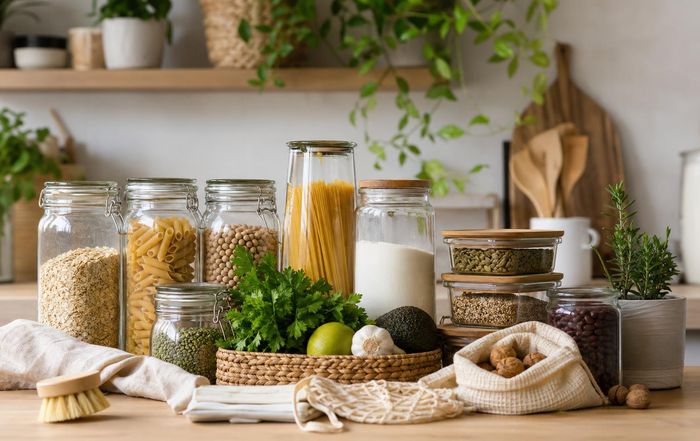
Among all alternatives, glass has become the cornerstone of plastic-free storage in modern kitchens worldwide. Tempered glass containers, glass jars and bottles are valued for their transparency, durability and non-reactive nature, which makes them suitable for a wide range of uses from pantry storage to freezer meals.
Glass is chemically inert under normal household conditions, which means it does not absorb odors or flavors and does not leach chemicals into food. This property has made glass a preferred material for food and beverage containers for more than a century. Organizations such as the Glass Packaging Institute and European Container Glass Federation highlight that glass is endlessly recyclable without loss of quality, and in regions with strong recycling systems, a high proportion of glass packaging is effectively recovered and reprocessed.
In practice, glass storage containers are particularly suited for leftovers, meal prep and batch cooking. Their transparency allows quick identification of contents, which can reduce food waste by preventing forgotten items from languishing in the back of the refrigerator. Many households repurpose glass jars from products such as sauces, jams or pickles, extending their life far beyond a single use. This aligns closely with Eco Natur's advocacy for creative reuse and sustainable design that minimizes the need for new resources.
There are, however, considerations to bear in mind. Glass is heavier than plastic and can break if dropped, which can be a concern in homes with young children or in regions where tiled floors are common. Some glass containers are sold with plastic or silicone lids, which may not align with strict plastic-free goals, though they still significantly reduce overall plastic use. For those seeking completely plastic-free options, lids made from stainless steel, cork or untreated wood are increasingly available from specialized suppliers and small sustainable businesses that prioritize ethical sourcing and long product life.
Stainless Steel and Metal Containers: Durable and Versatile
Stainless steel and other food-grade metals offer another robust alternative to plastic storage, particularly for households seeking durability, lightness compared with glass, and resistance to impact. Stainless steel lunch boxes, tiffins and canisters have long been used in countries such as India and are now widely adopted in Europe, North America and Asia as part of the broader zero-waste and plastic-free movement.
High-quality stainless steel is non-reactive with most foods, resistant to corrosion and easy to clean. It is especially valued for on-the-go storage, such as packed lunches, snacks and picnics, where breakage and weight are key concerns. Reputable organizations like Health Canada and FDA consider food-grade stainless steel safe for food contact when used appropriately, and many eco-conscious families choose it as their primary alternative to plastic lunch containers.
From a sustainability perspective, stainless steel production is energy-intensive, but the material is highly recyclable and often contains a significant proportion of recycled content, as documented by the International Stainless Steel Forum. When used for many years, the environmental benefits of durability and recyclability typically outweigh the initial production impact. Metal containers are also well suited to bulk shopping, allowing customers to avoid single-use packaging when purchasing grains, nuts, dried fruits and other pantry staples, a practice promoted by organizations like Zero Waste Europe.
For Eco Natur readers, stainless steel aligns with the platform's emphasis on sustainable business practices, since many responsible brands in this space prioritize traceable supply chains, fair labor standards and long-term warranties. Consumers are encouraged to look for clear labeling on alloy composition, food-grade certifications and transparent information about manufacturing conditions to ensure that their purchases support a more ethical and resilient economy.
Natural Fiber Wraps and Bags: Flexible, Lightweight Solutions
For items that traditionally relied on plastic wrap, sandwich bags or produce bags, natural fiber solutions have emerged as a flexible and lightweight alternative. Beeswax wraps, cotton bowl covers, linen bread bags and mesh produce bags are now common in zero-waste stores and mainstream supermarkets in many countries, reflecting a broader cultural shift toward reusable textiles in the kitchen.
Beeswax wraps, typically made from cotton infused with beeswax, tree resin and plant oils, can be molded around bowls, cut fruit, cheese or sandwiches using the warmth of the hands. They create a breathable yet protective barrier that helps keep food fresh while avoiding single-use plastic film. Brands and consumer guides often recommend gentle hand-washing and air-drying to prolong their life, after which they can be composted in appropriate conditions. Organizations such as Friends of the Earth and Greenpeace frequently highlight these wraps as practical examples of everyday plastic reduction.
Cotton or linen produce bags and bread bags reduce reliance on thin plastic bags at supermarkets and bakeries. When made from organic fibers, they also avoid the pesticide and fertilizer impacts associated with conventional cotton, as documented by Textile Exchange and Global Organic Textile Standard (GOTS). These bags can be used repeatedly for shopping and storage, then washed and repaired as needed, embodying the repair-and-reuse ethos that Eco Natur promotes across its lifestyle content.
Consumers should be aware that textiles have their own environmental footprint, particularly in water use and land use for cotton. Responsible sourcing, preference for organic fibers, and long-term use are therefore important. In addition, beeswax wraps are not suitable for very hot foods or raw meat, due to cleaning limitations, and vegan households may prefer plant-wax alternatives. As with all plastic-free options, thoughtful matching of material to purpose ensures both safety and sustainability.
Ceramic, Enamel and Wood: Traditional Materials for Modern Kitchens
Many traditional materials are experiencing a renaissance in contemporary kitchens as people seek plastic-free storage that is both functional and aesthetically pleasing. Ceramic crocks, enamel containers and wooden boxes or lids offer distinctive benefits when used appropriately.
Ceramic containers, including stoneware and porcelain, are widely used for dry goods such as flour, sugar, coffee and tea. High-quality, food-safe glazes create a non-porous surface that is easy to clean and resistant to odors. When produced responsibly, ceramics can last for decades, and their timeless appearance makes them well suited to kitchens that value both sustainability and design. However, consumers are advised to purchase from reputable manufacturers and to avoid older or unlabelled ceramics for food storage where there may be concerns about lead or other heavy metals, an issue addressed in guidance from WHO and national health agencies.
Enamel-coated steel containers combine the strength of metal with a smooth, easy-to-clean surface. Enamelware has a long history in European and North American kitchens and is now being rediscovered as a durable alternative to plastic. Modern enamel products designed for food use are generally considered safe when the coating is intact, but users should avoid heavily chipped or cracked surfaces, especially for acidic foods. Organizations such as Consumer Product Safety Commission and national food safety authorities offer advice on safe use and maintenance.
Wood, including bamboo and hardwoods, is increasingly used for lids, bread boxes and certain dry storage containers. When sourced from responsibly managed forests certified by bodies such as the Forest Stewardship Council, wooden items can be a renewable and low-impact choice. They are particularly popular for storing bread and root vegetables, where slight breathability can help prevent moisture buildup. To ensure hygiene and longevity, wooden items typically require gentle cleaning, thorough drying and periodic oiling with food-safe oils.
For Eco Natur, these traditional materials underscore that a modern, environmentally conscious kitchen does not need to rely on cutting-edge technology alone. Instead, it can draw on centuries of practical knowledge while integrating contemporary standards of safety, transparency and biodiversity protection through responsible sourcing.
Plastic-Free Storage and Food Quality: Freshness, Nutrition and Safety
A central question for many households transitioning away from plastic is whether alternative materials can maintain or even improve food freshness, nutritional quality and safety. Research into food storage has shown that factors such as temperature, humidity, exposure to light and air, and the natural properties of the food itself often play a larger role than the specific container material, provided that the container is clean, intact and appropriate for food contact.
Glass and stainless steel are particularly effective for preventing oxygen and moisture exchange, which helps preserve the quality of leftovers, batch-cooked meals and frozen foods. Their impermeability also prevents absorption of odors and colors, which is a common frustration with plastic containers. Studies summarized by organizations like FAO and European Food Information Council emphasize that rapid cooling of cooked foods, proper refrigeration, and avoiding temperature abuse are critical for food safety, regardless of whether the container is plastic-free.
For fresh produce, breathable natural materials can sometimes be advantageous. Cloth produce bags, paper wrappers and ventilated wooden or metal baskets can help prevent condensation, which may reduce mold growth on certain fruits and vegetables. At the same time, some foods, such as leafy greens and cut herbs, benefit from higher humidity, which can be achieved by storing them in glass containers with a damp cloth. Many home cooks are discovering these nuances through a combination of traditional wisdom and modern resources, including guidance from USDA Food Safety and Inspection Service and national health agencies.
Plastic-free storage can also support healthier eating patterns indirectly. When pantries and refrigerators are organized with clear glass jars, labeled stainless steel containers and visually appealing ceramic or wooden elements, many people report being more inclined to cook at home, use whole ingredients and avoid impulse purchases of heavily packaged processed foods. While this relationship is influenced by many social and economic factors, the growing interest in home cooking, organic ingredients and healthy lifestyles aligns strongly with the design choices promoted by Eco Natur.
Integrating Plastic-Free Storage into Everyday Sustainable Living
Adopting plastic-free storage options is most effective when integrated into a broader approach to sustainable living that includes mindful purchasing, waste reduction and responsible disposal. Households in cities from New York to Berlin, Sydney, Singapore and Cape Town are increasingly combining glass, metal and natural fiber containers with practices such as bulk shopping, meal planning and composting, creating a holistic system that reduces waste and saves money over time.
One practical strategy is to begin with the most frequently used items. Replacing plastic wrap with beeswax or plant-wax wraps, upgrading worn plastic containers to glass or stainless steel, and introducing cloth produce bags can quickly reduce daily plastic use. Over time, as existing items reach the end of their life, they can be responsibly recycled or repurposed where possible, following guidance from local authorities and resources such as Recycle Now in the United Kingdom or city-specific programs in North America, Europe and Asia.
For readers of Eco Natur, this process is supported by a wealth of educational resources on plastic-free living, recycling best practices and global sustainability trends. The platform emphasizes that every household, regardless of location or budget, can take meaningful steps, whether through simple jar reuse, careful product selection, or advocacy for better waste management infrastructure in their communities.
Businesses also play a crucial role. Cafés, restaurants, food retailers and delivery services that offer reusable container programs, bulk sections and minimal packaging options provide powerful support for individuals striving to live more sustainably. Case studies from organizations such as the Ellen MacArthur Foundation and World Business Council for Sustainable Development show how circular packaging systems can reduce waste and costs, while strengthening customer loyalty. By highlighting such innovations, Eco Natur encourages readers to support enterprises that align with their values and to advocate for broader adoption of circular models in the food sector.
The Role of Policy, Innovation and Community in a Plastic-Free Future
The shift to plastic-free storage in the modern kitchen does not occur in isolation; it is influenced by policy frameworks, technological innovation and community initiatives. In many regions, governments are introducing regulations on single-use plastics, encouraging reusable packaging and investing in improved recycling and waste management systems. The European Union's Single-Use Plastics Directive, bans on certain plastic bags in countries like France and parts of the United States, and extended producer responsibility schemes in nations such as Germany and South Korea are shaping the market for household storage products and food packaging.
Innovation is also accelerating. Researchers and startups are exploring materials such as bio-based polymers, compostable films and advanced glass or metal designs that balance durability, lightness and cost. While some so-called "bioplastics" and compostable materials have sparked debate over their real-world performance and infrastructure requirements, organizations like European Bioplastics and independent researchers stress the importance of clear labeling, appropriate use cases and robust standards. Consumers are encouraged to approach new materials thoughtfully, seeking out transparent information and independent evaluations from sources such as Consumer Reports or national standards bodies.
Community initiatives, from local zero-waste groups to global networks like Break Free From Plastic, provide education, peer support and practical tips for transitioning to plastic-free living. In cities and rural areas alike, workshops on home fermentation, bulk shopping, and low-waste cooking help residents discover how glass jars, metal containers and natural fiber wraps can support healthy, affordable and environmentally responsible diets. Such grassroots efforts complement the educational mission of Eco Natur, which aims to empower individuals with reliable knowledge and inspire collective action for a more sustainable world.
Inspiring a New Kitchen Culture with Eco Natur
The modern kitchen is evolving from a place of convenience-driven consumption to a space where environmental responsibility, health and creativity intersect. Plastic-free storage options-glass, stainless steel, ceramics, natural fiber wraps and responsibly sourced wood-are at the heart of this transformation, offering tangible ways for households to reduce waste, protect food quality and align daily habits with broader ecological values.
For Eco Natur, the move toward plastic-free kitchens is part of a larger vision that encompasses sustainable living, organic food choices, wildlife protection and resilient local and global economies. By sharing practical guidance, highlighting trustworthy innovations and celebrating positive change, the platform supports readers in the United States, Europe, Asia, Africa, South America and beyond who are ready to reimagine their kitchens as hubs of regeneration rather than sources of waste.
As households continue to adopt glass jars instead of plastic tubs, stainless steel containers instead of disposable bags, and beeswax wraps instead of cling film, they participate in a quiet but significant cultural shift. This shift supports cleaner oceans, healthier communities and more vibrant ecosystems, aligning everyday routines with the broader goals articulated by global frameworks such as the UN Sustainable Development Goals. In doing so, it demonstrates that meaningful environmental progress often begins not with grand gestures, but with the simple, repeated choice of what holds tonight's leftovers, tomorrow's lunch and next week's carefully stored harvest.
By embracing plastic-free storage options, the modern kitchen becomes a powerful expression of care-for personal health, for future generations and for the living planet that sustains every meal.
