
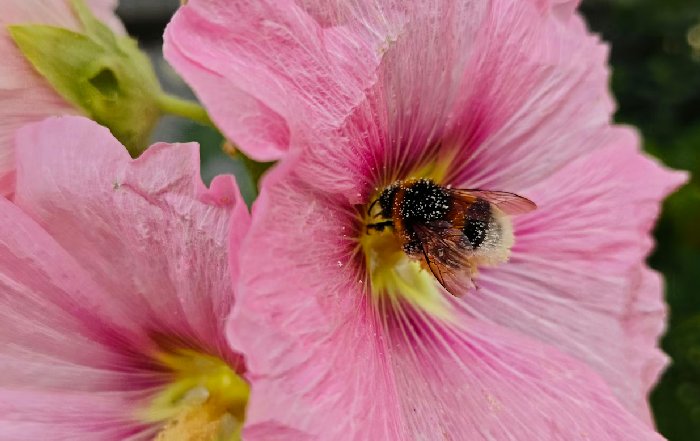
Protecting Pollinators in Your Backyard: A Strategic Imperative for Homes and Businesses
Why Pollinators Matter to the Global Economy and to Eco-Natur's Community
The conversation about climate, biodiversity, and sustainable growth has moved decisively from the margins to the center of economic and policy debates, and nowhere is this shift more visible than in the growing focus on pollinators. From suburban gardens in the United States and the United Kingdom to vineyards in France, almond orchards in Australia, coffee farms in Brazil, and urban rooftops in Singapore, bees, butterflies, moths, bats, and other pollinating species are now recognized not just as symbols of nature, but as critical infrastructure for the global food system and the wider economy. For the readers and partners of Eco-Natur and the eco-natur.com community, who are already engaged with themes of sustainable living, sustainability, and wildlife protection, protecting pollinators in the backyard has become a tangible, local expression of global responsibility.
Leading organizations such as the Food and Agriculture Organization of the United Nations (FAO) estimate that a significant proportion of the world's food crops, including fruits, vegetables, nuts, and oilseeds, depend at least in part on animal pollination, and this dependence is especially evident in high-value crops that underpin rural livelihoods and export revenues in regions such as Europe, North America, Asia, Africa, and South America. Readers who wish to understand the macroeconomic dimension can explore how pollinators support agricultural productivity and rural economies through resources such as the FAO's overview of pollinators and food production. Yet, beyond the macro statistics, the crucial insight for households, small businesses, and sustainability-oriented enterprises is that pollinator protection is no longer solely the concern of large farms or conservation organizations; it is a practical, evidence-based action that can be implemented in every backyard, balcony, rooftop, and business landscape, directly aligning with the values and guidance that Eco-Natur promotes through its coverage of sustainable business strategies and green economic models.
The Science of Pollination and the Global Decline in Pollinators
Scientific understanding of pollination ecology has advanced rapidly over the past decade, revealing intricate relationships between plants and the animals that transfer pollen between flowers, enabling fertilization and seed production. The Intergovernmental Science-Policy Platform on Biodiversity and Ecosystem Services (IPBES) has highlighted how more than three-quarters of global food crop types benefit from animal pollination, and how this service supports not only food quantity but also quality, nutritional value, and resilience in the face of climate variability. Those interested in a deeper scientific foundation can review the IPBES assessment on pollinators, pollination, and food production to see how this ecosystem service underpins both local food security and international trade.
At the same time, multiple long-term monitoring programs in Europe, North America, and Asia have documented declines in wild bee populations, butterflies, and other pollinators, driven by a combination of habitat loss, pesticide exposure, climate change, invasive species, and disease. The International Union for Conservation of Nature (IUCN) and national conservation agencies in countries such as Germany, the United Kingdom, and Sweden have placed several bee and butterfly species on red lists of threatened species, underscoring the urgency of action at every scale. For a global overview of species status, readers can consult the IUCN Red List and its analysis of threatened pollinator species. These scientific findings are not abstract; they translate into practical guidance for how individuals and businesses can use their properties more intelligently, designing gardens, yards, and corporate landscapes that serve as refuges and corridors for pollinators, in line with the nature-positive approach that Eco-Natur advocates across its coverage of biodiversity and global environmental trends.
Backyard Habitats as Strategic Biodiversity Infrastructure
Across cities in the Netherlands, suburban communities in Canada, rural regions of Italy and Spain, and emerging megacities in Asia and Africa, a growing body of research shows that small, well-managed green spaces can collectively form powerful networks of habitat for pollinators. The concept of "backyard biodiversity infrastructure" has gained traction among urban planners and sustainability professionals, who now see residential and commercial landscapes not merely as decorative spaces, but as functional components of ecological networks that connect parks, nature reserves, and agricultural land. The United Nations Environment Programme (UNEP) has provided guidance on how urban nature can contribute to resilience, and readers can explore how cities are integrating pollinator-friendly design through UNEP's resources on urban biodiversity and ecosystems.
For the eco-natur.com audience, this perspective aligns directly with the site's emphasis on sustainable living choices that have measurable environmental outcomes. In practical terms, a backyard in the United States planted with native flowering shrubs, a balcony garden in Germany filled with pesticide-free herbs, a community garden in South Africa with diverse flowering crops, or a rooftop meadow in Singapore designed with local wildflowers can each function as stepping stones that allow pollinators to move across fragmented landscapes. These micro-habitats help offset the homogenization of rural land caused by intensive agriculture and large-scale monocultures, while also mitigating the ecological simplification often seen in conventional ornamental landscaping.
Designing a Pollinator-Friendly Backyard: From Aesthetic to Ecological Performance
Designing a backyard that actively supports pollinators involves moving beyond purely aesthetic criteria and evaluating plant choices, layout, and maintenance practices through an ecological lens. Landscape architects and ecologists now emphasize the importance of plant diversity, structural variety, and continuous bloom throughout the growing season, ensuring that nectar and pollen are available from early spring to late autumn in temperate climates and year-round in tropical and subtropical regions. The Royal Horticultural Society (RHS) in the United Kingdom has developed practical guidance on choosing plants for pollinators, which can be adapted to different regions and climate zones, including continental Europe, North America, and parts of Asia and Oceania.
For readers of Eco-Natur, who are often already attentive to sustainable design and material choices, integrating pollinator support can be seen as a natural extension of broader environmental goals. The selection of native or well-adapted flowering plants, the incorporation of layered vegetation from groundcovers to shrubs and small trees, and the reduction of heavily manicured lawns in favor of meadow-like plantings all contribute to a more resilient backyard ecosystem. Those interested in aligning garden design with broader sustainable principles can explore Eco-Natur's insights on eco-conscious design, which complement technical guidance from institutions such as the United States Department of Agriculture (USDA), whose Natural Resources Conservation Service provides region-specific recommendations for pollinator-friendly plantings.
Reducing Pesticides and Embracing Integrated Pest Management
One of the most significant threats to pollinators across the United States, Europe, and parts of Asia has been the widespread use of synthetic pesticides, especially systemic insecticides that can persist in plant tissues and contaminate nectar and pollen. Scientific reviews by agencies such as the European Food Safety Authority (EFSA) and the United States Environmental Protection Agency (EPA) have examined the risks posed by certain classes of pesticides, prompting regulatory restrictions in the European Union and heightened scrutiny in other jurisdictions. Readers who wish to understand the regulatory science can consult the EPA's overview of pollinator protection and pesticides.
For homeowners, small businesses, and community organizations, the most effective response is often to reduce or eliminate routine pesticide use in gardens and landscapes, replacing it with integrated pest management approaches that prioritize prevention, biological control, and targeted interventions only when necessary. This shift aligns closely with Eco-Natur's advocacy for plastic-free and toxin-reduced lifestyles, where the emphasis is on minimizing unnecessary chemical inputs into homes, soils, and waterways. By tolerating minor aesthetic imperfections in plants, encouraging beneficial insects such as ladybirds and lacewings, and using physical barriers or organic treatments only when absolutely needed, backyard managers can significantly reduce the chemical burden on pollinators while still maintaining healthy and attractive landscapes.
Supporting Pollinators through Water, Shelter, and Nesting Sites
While flowering plants and pesticide reduction are central, robust pollinator support in a backyard or business property also requires attention to water, shelter, and nesting opportunities. Wild bees, for example, include many solitary species that nest in bare soil, hollow stems, or existing cavities, while butterflies and moths need host plants for their larvae and safe overwintering sites. Providing shallow water sources with landing stones, leaving some areas of bare or lightly mulched ground, and retaining dead wood or hollow stems in discreet parts of the garden can substantially increase habitat quality. The Xerces Society for Invertebrate Conservation, a leading organization in North America, offers detailed guidance on creating habitat for native pollinators, which can inspire adaptations in Europe, Asia, and beyond.
For readers of eco-natur.com, many of whom are already engaged with zero-waste principles, the creation of nesting sites and shelters can be integrated into broader resource-efficient practices. For instance, instead of discarding pruned branches or untreated timber, these materials can be repurposed into insect hotels or habitat piles, while old clay pots and natural stones can be arranged to create microhabitats that benefit both pollinators and other beneficial wildlife. In urban settings, small interventions such as leaving a section of a balcony planter undisturbed or installing a bee hotel on a sunny wall can have disproportionate benefits, particularly in cities where natural cavities and undisturbed ground are scarce.
Organic Food, Pollinators, and Consumer Choices
The relationship between pollinators and food is bidirectional: pollinators support the production of many foods valued by consumers, and consumer choices, in turn, influence agricultural practices that can either harm or help pollinator populations. The growing demand for organic and agroecological products in markets from Germany and France to Japan, South Korea, and New Zealand has encouraged farmers to adopt practices that reduce synthetic pesticide use, increase crop diversity, and maintain semi-natural habitats on farms, all of which tend to benefit pollinators. The Research Institute of Organic Agriculture (FiBL) and international networks such as IFOAM - Organics International have documented how organic systems often support higher pollinator abundance and diversity compared with conventional systems, and readers can explore these dynamics through overviews of organic agriculture and biodiversity.
For the Eco-Natur community, which already engages with organic food choices as part of a broader sustainable lifestyle, this connection highlights how everyday purchasing decisions can reinforce the benefits created in their own backyards. Choosing certified organic fruits, vegetables, and nuts where possible, supporting local farmers' markets and community-supported agriculture schemes, and favoring products that explicitly commit to pollinator-friendly practices all help create market signals that reward responsible land stewardship. In turn, these shifts in demand encourage farmers in regions as diverse as Brazil, Thailand, and South Africa to experiment with diversified cropping systems, flowering field margins, and reduced pesticide regimes, amplifying the impact of individual backyard actions.
Pollinators, Climate Resilience, and the Future of Sustainable Living
As climate change accelerates, with observable impacts on temperature regimes, precipitation patterns, and extreme weather events across Europe, Asia, Africa, and the Americas, pollinators face new challenges. Changes in flowering times, mismatches between plant blooms and pollinator activity, and the spread of pests and diseases into new regions all threaten to destabilize the delicate timing and interactions that underpin pollination services. The Intergovernmental Panel on Climate Change (IPCC) has highlighted how climate-driven shifts in species distributions and phenology can affect ecosystem services, and readers can explore these dynamics in the IPCC's assessments of climate change impacts on ecosystems.
Within this context, the backyard becomes a testing ground for climate-resilient practices that support both pollinators and human communities. Planting a diversity of species with staggered flowering times, selecting varieties tolerant of heat or drought, and incorporating features such as rain gardens and shade trees all help buffer gardens against climate extremes while providing continuous resources for pollinators. For households and businesses that follow Eco-Natur's guidance on renewable energy adoption and low-carbon lifestyles, integrating climate-smart planting strategies into backyard management is a logical next step, ensuring that pollinator-friendly landscapes remain functional even as environmental conditions change.
The Business Case: Pollinators, Corporate Landscapes, and ESG Performance
For businesses in sectors ranging from real estate and retail to hospitality and manufacturing, corporate landscapes and facility grounds represent underutilized assets in the pursuit of environmental, social, and governance (ESG) goals. Transforming conventional lawns and ornamental plantings into pollinator-friendly habitats can contribute to biodiversity targets, climate adaptation strategies, employee well-being, and community relations. Organizations such as the World Business Council for Sustainable Development (WBCSD) and the World Economic Forum (WEF) have increasingly emphasized nature-positive business models and the integration of biodiversity into corporate risk management, and readers can explore how leading companies are acting on these priorities through analyses of business and nature.
From the perspective of Eco-Natur and its content on sustainable business, the protection of pollinators in corporate backyards, campuses, and industrial sites is not merely a philanthropic gesture; it is a strategic investment in ecosystem services, brand reputation, and regulatory preparedness. Companies operating in regions such as the United States, Germany, Japan, and Singapore are already facing increasing expectations from investors, regulators, and customers to demonstrate concrete contributions to biodiversity and climate resilience, and pollinator-friendly landscaping offers a visible, measurable, and relatively low-cost avenue for doing so. When combined with employee engagement programs, citizen-science monitoring of pollinators, and transparent reporting, these initiatives can strengthen trust and demonstrate that sustainability commitments extend beyond rhetoric into tangible land-management practices.
Policy, Community Action, and the Role of Eco-Natur
Public policy frameworks in the European Union, the United Kingdom, Canada, and several Asian and Latin American countries are increasingly supportive of pollinator protection, through national pollinator strategies, agri-environment schemes, and urban biodiversity plans. The European Commission, for example, has advanced an EU Pollinators Initiative that encourages member states to restore habitats, reduce pesticide risks, and improve monitoring, and readers can learn more about these policy directions through the Commission's summary of actions for pollinators. At the municipal level, cities from Copenhagen and Oslo to Melbourne and Vancouver are experimenting with pollinator-friendly mowing regimes, wildflower corridors, and public education campaigns, recognizing that citizen participation is essential to scaling up impact.
Within this evolving landscape, Eco-Natur serves as both a knowledge hub and a connector for individuals, families, and businesses who want to align their daily decisions with larger environmental and economic transitions. By curating practical guidance on recycling and resource efficiency, promoting sustainable living practices, and highlighting the links between biodiversity, health, and the economy, the platform helps its audience move from awareness to action. In the specific context of pollinators, eco-natur.com can amplify best practices from around the world, showcase case studies from different climates and cultures, and encourage its community to view every backyard, terrace, or corporate courtyard as a strategic asset in the global effort to protect the living systems that underpin food, livelihoods, and long-term prosperity.
Toward a Pollinator-Positive Future
Thinking what's coming ahead to the remainder of this decade, protecting pollinators in backyards, gardens, and business landscapes will increasingly be seen as a core component of responsible citizenship and modern sustainability strategy, rather than a niche hobby for nature enthusiasts. As evidence accumulates from scientific research, policy experimentation, and on-the-ground practice in regions as diverse as the United States, China, South Africa, and Brazil, it becomes clear that small-scale actions, when replicated across millions of properties, can collectively restore ecological functions that have been eroded by decades of intensive land use and chemical dependence.
For the global audience of Eco-Natur, spanning Europe, Asia, Africa, Oceania, and the Americas, the message is both empowering and demanding. It is empowering because every reader, regardless of whether they manage a large garden in the countryside, a modest backyard in a suburb, a balcony in a high-rise, or a corporate campus in a major city, holds a portion of the solution in their hands. It is demanding because meaningful change requires a willingness to rethink conventional aesthetics, to prioritize ecological performance over short-term convenience, and to integrate pollinator protection into broader decisions about consumption, energy, and economic activity.
By treating backyards as critical habitat, aligning purchasing choices with pollinator-friendly agriculture, engaging in community and corporate initiatives, and drawing on the expertise and resources available through eco-natur.com and trusted international organizations, individuals and businesses can help secure a pollinator-positive future. In doing so, they not only protect bees, butterflies, and other vital species, but also reinforce the foundations of a resilient, sustainable, and inclusive global economy that recognizes the true value of nature in every decision it makes.
