
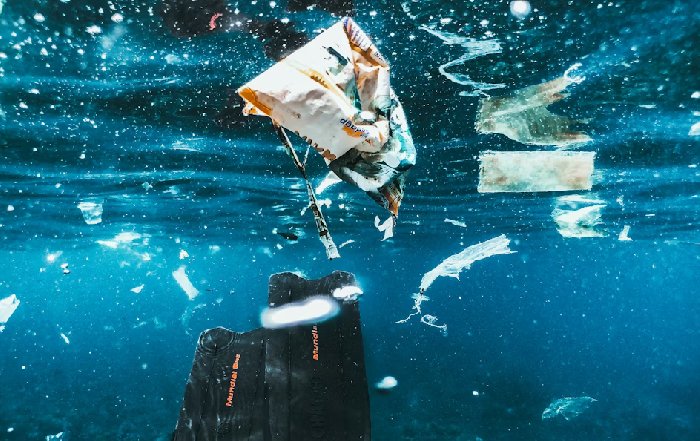
The Problem with Microplastics in Our Oceans: Risks, Responsibilities, and Paths to Action
Microplastics as a Defining Sustainability Challenge
Microplastics have moved from being an obscure scientific concern to a central theme in global discussions about sustainability, public health, and responsible business. For readers of eco-natur.com, who are already attuned to issues such as sustainable living, plastic-free choices, and recycling, the mounting evidence around microplastics in oceans underscores how deeply modern consumption patterns are intertwined with planetary health and long-term economic resilience. Microplastics, typically defined as plastic particles smaller than 5 millimeters, now permeate marine environments from coastal estuaries in the United States and Europe to the deepest trenches of the Pacific and the Southern Ocean, and they are increasingly detected in drinking water, food, and even human blood and lung tissue, raising profound questions about risk management, corporate accountability, and the future of sustainable business models.
While plastics have brought undeniable benefits to sectors ranging from healthcare to logistics, the cumulative impact of decades of linear, take-make-waste production has led to a persistent, microscopic legacy that conventional clean-up efforts cannot easily reverse. The challenge for businesses, policymakers, and consumers in regions such as North America, Europe, and Asia, as well as emerging economies across Africa and South America, is to transform this knowledge into credible action that aligns environmental responsibility with economic opportunity, rather than treating them as opposing forces. Within this context, eco-natur.com positions itself as a platform that not only explains the science and policy landscape, but also connects these global dynamics to everyday decisions about lifestyle, product design, supply chains, and investment.
What Microplastics Are and How They Reach the Ocean
Microplastics originate from two main sources: primary microplastics, which are manufactured at microscopic sizes for use in products such as industrial abrasives and certain cosmetics, and secondary microplastics, which result from the breakdown of larger plastic items like packaging, fishing gear, automotive tires, and synthetic textiles. Over time, exposure to sunlight, mechanical abrasion, and chemical weathering fragments bottles, bags, and other discarded materials into tiny particles that can persist for decades or centuries. Studies by organizations such as UN Environment Programme and research institutions like Woods Hole Oceanographic Institution have documented microplastics in surface waters, deep-sea sediments, Arctic ice, and remote coral reefs, showing that no ocean basin is untouched. Learn more about the global distribution of plastic pollution through the resources provided by UNEP and Woods Hole Oceanographic Institution.
The pathways that carry microplastics into marine environments are as diverse as modern economies themselves. Urban stormwater systems wash plastic fragments from streets into rivers, wastewater treatment plants release microfibers that have shed from synthetic clothing during washing, and wind transports lightweight particles from landfills and industrial sites over long distances. In coastal regions of the United States, the United Kingdom, Germany, and other European countries, combined sewer overflows during heavy rainfall events have become a particularly significant vector, while in rapidly urbanizing parts of Asia, inadequate waste management infrastructure allows large volumes of plastic to enter waterways directly. Even in countries with advanced recycling systems, such as Sweden, Norway, and the Netherlands, microplastics generated from tire wear and road markings continue to escape into the environment, highlighting that end-of-pipe solutions alone are insufficient. For readers seeking a broader understanding of the systemic drivers behind this issue, the concept of a circular economy, as outlined by organizations such as the Ellen MacArthur Foundation, provides a valuable framework; further details are available at the Ellen MacArthur Foundation.
Ecological Impacts on Marine Life and Biodiversity
The ecological consequences of microplastic pollution are complex and still being fully quantified, yet the evidence accumulated by 2026 is sufficiently robust to justify urgent intervention. Microplastics are ingested by a wide range of marine organisms, from plankton and filter-feeding shellfish to fish, seabirds, and marine mammals. Laboratory and field studies conducted by research bodies such as NOAA, IFREMER in France, and universities across Canada, Australia, and Japan have demonstrated that ingestion can lead to physical blockages, reduced feeding, impaired growth, and compromised reproductive success in various species. Moreover, microplastics can act as vectors for chemical contaminants and pathogens, adsorbing persistent organic pollutants from seawater and transporting them through food webs. Further information on these ecological dynamics can be explored through research summaries from NOAA Marine Debris Program and the International Union for Conservation of Nature, accessible via IUCN.
From the perspective of biodiversity, microplastics represent an additional stressor in ecosystems already challenged by overfishing, ocean warming, acidification, and habitat degradation. Coral reefs in regions such as Southeast Asia, the Caribbean, and the Great Barrier Reef are now exposed to microplastic particles that can abrade tissues, introduce disease, and interfere with symbiotic relationships. For coastal communities in countries including Thailand, Brazil, South Africa, and New Zealand, whose livelihoods and cultural identities are closely linked to healthy marine ecosystems, these changes translate into both ecological and socio-economic vulnerability. Readers interested in how biodiversity loss, including the impacts of microplastics, intersects with broader conservation strategies can find more context in the dedicated section on biodiversity at eco-natur.com, as well as in global assessments by the Convention on Biological Diversity, available at CBD.
The disruption of marine food webs has implications for wildlife far beyond the oceans themselves. Seabirds that feed on fish contaminated with microplastics may experience reduced breeding success, while marine mammals such as dolphins and whales can accumulate particles and associated contaminants over time, potentially affecting immune function and overall health. Organizations such as BirdLife International and WWF have documented these cascading impacts, emphasizing that microplastics contribute to a broader pattern of human-induced pressures on wildlife. Readers can learn more about the intersection of marine plastics and wildlife protection through WWF's marine work and by exploring the wildlife resources curated by eco-natur.com.
Human Health, Food Systems, and Economic Risks
As scientific understanding has advanced, the presence of microplastics in seafood, drinking water, table salt, and even the air has raised concerns about potential human health impacts. While there is still uncertainty regarding dose-response relationships and long-term effects, research initiatives coordinated by bodies such as the World Health Organization and the European Food Safety Authority have found microplastics and nanoplastics in a variety of food products, particularly shellfish and small pelagic fish that are consumed whole. For individuals and families who prioritize organic food and healthy diets, including in markets like the United States, United Kingdom, Germany, France, Italy, and Spain, the emerging evidence underscores that environmental contamination is not a distant problem but one that intersects directly with daily life and public health. More detailed analysis of the current scientific consensus can be found through reports and updates from WHO and EFSA.
Microplastics are not only a health concern but also a material risk for global food systems and the blue economy. Fisheries and aquaculture sectors in countries such as Norway, Japan, South Korea, and Canada depend on consumer trust in the safety and quality of seafood products. As awareness of microplastic contamination grows, businesses along these value chains face reputational risks, potential regulatory burdens, and the possibility of shifting consumer preferences. The Food and Agriculture Organization of the United Nations has highlighted the need for integrated management strategies that address both marine litter and microplastics in fisheries and aquaculture, which can be further explored at FAO. For a business audience, including those following the sustainable business and economy sections of eco-natur.com, it is increasingly clear that proactive engagement with microplastic mitigation is not only an environmental responsibility but also a component of long-term risk management and market positioning.
In parallel, healthcare and environmental agencies are beginning to consider the potential burden of microplastic exposure on public health systems, especially in densely populated urban centers across Asia, Europe, and North America. While definitive causal links to specific diseases are still being investigated, the precautionary principle is gaining traction among policymakers and corporate leaders who recognize that waiting for complete scientific certainty may lead to higher costs and more severe impacts in the future. Readers seeking a broader perspective on how environmental factors, including microplastics, intersect with wellbeing can consult the health resources on eco-natur.com and the environmental health materials provided by agencies such as the U.S. Environmental Protection Agency, accessible via EPA.
Policy, Regulation, and International Cooperation
By 2026, the regulatory landscape surrounding plastics and microplastics has evolved significantly, although unevenly, across regions. The European Union has advanced a suite of policies targeting single-use plastics, extended producer responsibility, and microplastic additives, with the European Commission and the European Chemicals Agency playing central roles in developing and enforcing these measures. Detailed information about EU initiatives on plastics and chemicals can be accessed through the European Commission and ECHA. The United Kingdom, following its own trajectory after Brexit, has introduced regulations on microbeads and is exploring broader restrictions on intentionally added microplastics, while countries such as Canada and Australia are implementing national strategies to reduce plastic waste and improve data collection on microplastic pollution.
On the global stage, negotiations toward an international legally binding instrument on plastic pollution, including the marine environment, have gained momentum under the auspices of the United Nations Environment Assembly, with active participation from governments across Africa, Asia, Europe, and the Americas. This emerging treaty framework aims to address the full life cycle of plastics, from production and design to waste management and remediation, which could have far-reaching implications for industries ranging from petrochemicals to consumer goods. Interested readers can follow developments in these negotiations through updates provided by UNEA and related policy analyses from institutions such as OECD, available at OECD Environment. For businesses and investors, anticipating the direction of these regulations is crucial to avoid stranded assets, compliance shocks, and reputational damage.
In many developing countries, particularly in parts of Asia, Africa, and South America, the challenge lies not only in setting ambitious policies but also in securing the financial and technical resources needed for implementation. International cooperation, climate finance mechanisms, and public-private partnerships are therefore essential to build resilient waste management systems and prevent further leakage of plastics into rivers and oceans. Organizations such as The World Bank and Global Environment Facility are increasingly integrating marine litter and microplastics into their project portfolios, recognizing the links between pollution, climate resilience, and sustainable development. Further insights into these financing mechanisms and their role in addressing plastic pollution can be found through The World Bank and GEF.
Corporate Responsibility, Innovation, and the Circular Economy
For corporate leaders and entrepreneurs, microplastics are not only a compliance issue but also an innovation frontier. Companies across sectors-from apparel and consumer goods to logistics and technology-are reassessing product design, materials, and supply chains to reduce plastic use, enhance recyclability, and minimize the generation of microplastics during production and use. Global brands, retailers, and manufacturers are increasingly incorporating science-based targets for plastic reduction into their broader environmental, social, and governance strategies, often guided by frameworks developed by organizations such as the World Business Council for Sustainable Development and CDP. Business readers can explore how leading firms are integrating circular principles into their operations by reviewing case studies and guidance available at WBCSD and CDP.
The circular economy model, which emphasizes designing out waste, keeping materials in use, and regenerating natural systems, provides a structured approach to tackling microplastics at their source. For example, shifting from single-use to reusable packaging, investing in refill systems, and adopting biodegradable or compostable materials where appropriate can significantly reduce the volume of plastics that might eventually fragment into microplastics. At the same time, advanced recycling technologies, such as chemical recycling and depolymerization, are being explored to recover value from complex plastic waste streams that are not easily handled by conventional mechanical recycling. The intersection of these technological innovations with renewable energy deployment and decarbonization strategies is particularly relevant for readers interested in renewable energy and integrated sustainability solutions, as highlighted in the sustainability section of eco-natur.com.
However, innovation alone is insufficient without transparent reporting, stakeholder engagement, and robust governance structures. Investors, regulators, and civil society organizations are increasingly scrutinizing corporate claims regarding plastic reduction and recyclability, seeking verifiable data and third-party assurance. Standards and initiatives such as the Global Reporting Initiative, Science Based Targets initiative, and ISO environmental management systems are helping to bring greater consistency and credibility to corporate sustainability disclosures, including those related to plastic and microplastic impacts. Professionals and decision-makers can deepen their understanding of these frameworks through resources provided by GRI and SBTi.
Consumer Behavior, Sustainable Living, and Plastic-Free Lifestyles
While systemic change requires action from governments and businesses, individual and household choices remain a powerful lever in reducing the flow of plastics into the environment and, ultimately, the generation of microplastics. For the eco-conscious audience of eco-natur.com, integrating plastic-free habits into everyday life is both a personal commitment and a signal to markets and policymakers that demand is shifting toward more sustainable products and services. This includes selecting products with minimal or reusable packaging, favoring durable over disposable items, choosing natural fibers over synthetics when possible, and supporting brands that demonstrate genuine transparency about their plastic footprints and progress.
Adopting a zero-waste mindset, as discussed in depth on eco-natur.com, encourages consumers to think beyond recycling and consider how to avoid waste generation at the source. For example, residents in cities across the United States, Canada, the United Kingdom, Germany, and the Netherlands are increasingly participating in refill stores, community repair workshops, and local initiatives that promote sharing and reuse. Similar movements are gaining traction in Asia, with cities in Japan, South Korea, Singapore, and Thailand experimenting with innovative packaging-free retail models and municipal campaigns to reduce single-use plastics. These local actions, when aggregated across regions and demographics, contribute to a cultural shift that makes it easier for policymakers and businesses to justify more ambitious interventions.
For individuals seeking guidance on how to align personal choices with broader environmental goals, the curated content on sustainable living and global sustainability trends at eco-natur.com offers practical insights tailored to diverse contexts, from urban apartments in Europe to coastal communities in Africa and island nations in the Pacific. Complementary resources from organizations such as Greenpeace, Surfrider Foundation, and Ocean Conservancy provide toolkits, campaigns, and community engagement opportunities that help translate concern about microplastics into meaningful action; readers can explore these opportunities through Ocean Conservancy and Surfrider Foundation.
Design, Materials, and the Built Environment
The problem of microplastics is also fundamentally a design challenge. Many of the products and systems that shed microplastics-such as synthetic textiles, paints, road surfaces, and building materials-were not originally designed with environmental fate in mind. As architects, product designers, and engineers rethink the built environment for a low-carbon, resource-efficient future, the reduction of microplastic emissions is becoming an increasingly important design criterion. This includes selecting materials that are less prone to fragmentation, incorporating filtration technologies into washing machines and industrial processes, and developing road and infrastructure solutions that minimize tire wear and particle release.
Designers and innovators who follow the design section of eco-natur.com are already aware that aesthetics and functionality must now be balanced with lifecycle impacts and end-of-life scenarios. International networks such as Cradle to Cradle Products Innovation Institute and The Royal Institute of British Architects are promoting design approaches that internalize environmental externalities, including microplastics, into early-stage decision-making. Professionals can gain further inspiration and technical guidance by exploring resources available through C2CPII and RIBA.
In parallel, urban planners and municipal authorities are examining how city infrastructure-from drainage systems and green spaces to waste collection and public transport-can be optimized to reduce plastic leakage and microplastic generation. Nature-based solutions, such as constructed wetlands and vegetated buffer zones, can help capture and filter particles before they reach rivers and oceans, while policies that encourage active mobility and public transit can indirectly reduce tire wear from private vehicles. These integrated approaches resonate strongly with the holistic vision of sustainability championed by eco-natur.com, which emphasizes the interconnections between environmental quality, public health, and economic vitality in both local and global contexts.
A Main Agenda for 2026 and Beyond
Now the problem of microplastics in the oceans has really become a litmus test for how seriously societies, businesses, and individuals are willing to take the transition toward truly sustainable systems. The evidence is clear that incremental, fragmented responses are insufficient; what is required is a coordinated strategy that spans policy, technology, finance, culture, and everyday behavior. For the global audience of eco-natur.com-from executives in New York, London, Frankfurt, and Singapore to community leaders in Cape Town, São Paulo, Bangkok, and Auckland-the task is to translate concern into structured, measurable action that reflects the principles of experience, expertise, authoritativeness, and trustworthiness.
This strategic agenda includes advocating for robust international agreements and national regulations that address the full life cycle of plastics; investing in innovation and infrastructure that support circular economy models and minimize microplastic emissions; integrating plastic and microplastic considerations into corporate governance, risk management, and disclosure frameworks; and fostering consumer cultures that prioritize quality, durability, and environmental integrity over convenience and disposability. It also requires a commitment to equity, ensuring that solutions are accessible and beneficial to communities across all regions, including those that have contributed least to the problem yet are often most affected by its consequences.
As a dedicated platform for sustainability, eco-natur.com will continue to provide excellent analysis, resources, and perspectives that help businesses, policymakers, and citizens navigate this evolving landscape. By engaging with the insights available across its sections on sustainability, economy, recycling, and more, readers can equip themselves with the knowledge and tools needed to play an informed and constructive role in addressing microplastics and advancing a more resilient, regenerative relationship between human societies and the world's oceans. In doing so, the global community has an opportunity not only to mitigate a pressing environmental threat but also to redefine prosperity in ways that respect planetary boundaries and secure a healthier future for generations to come.
