
Ways to Support Local Wildlife in Urban Areas in 2026
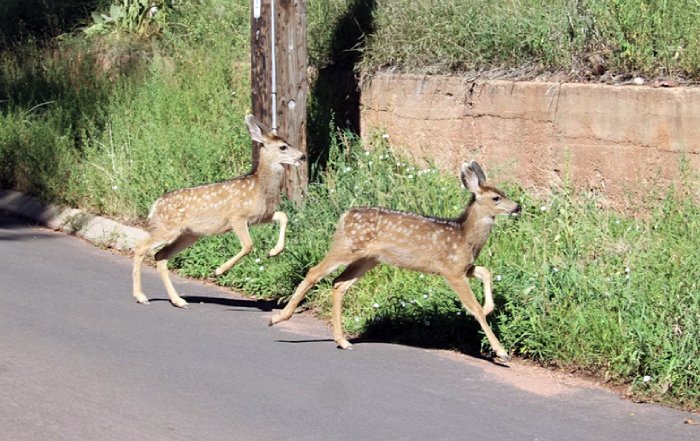
Urban life in 2026 is more interconnected, data-driven, and densely populated than ever before, yet it is also a moment in which cities worldwide are being reimagined as critical refuges and corridors for wildlife rather than as ecological dead zones. From New York, London, and Berlin to Singapore, São Paulo, and Cape Town, local governments, businesses, and communities are increasingly aware that urban areas can either intensify biodiversity loss or become catalysts for ecological restoration. For eco-natur.com, whose readers are deeply committed to sustainable living and the protection of local ecosystems, the central question has evolved from whether cities can support wildlife to how they can do so effectively, responsibly, and at scale in a rapidly changing global context.
Urban Wildlife as a Foundation of Sustainable Living
Urban wildlife is now widely recognized as a core component of resilient city systems that underpin human wellbeing, economic stability, and long-term sustainability, rather than as a decorative or optional feature of urban design. As the United Nations continues to emphasize in its analyses of urbanization trends, more than half of the global population lives in cities, and this share is projected to increase significantly over the coming decades as urban centers expand across North America, Europe, Asia, Africa, and South America. Readers can explore the evolving global urbanization trajectory through the UN Department of Economic and Social Affairs.
In this context, the presence of birds, pollinators, small mammals, amphibians, and urban-adapted predators such as foxes and raptors serves as a visible indicator that essential ecological processes are still functioning in otherwise heavily built environments. These species pollinate plants, disperse seeds, regulate pests, and contribute to the ecological complexity that enables urban green spaces to withstand climate shocks and environmental stress. Organizations like World Wildlife Fund continue to highlight that biodiversity, even at the neighborhood scale, improves ecosystem stability and provides services that support food systems, air quality, and mental health; readers can explore these perspectives through the WWF global biodiversity resources.
For the community around eco-natur.com, the relationship between wildlife and sustainable living is both practical and personal. Choices about diet, housing, transport, waste management, and product selection all influence whether urban environments become more hospitable or more hostile to local species. Guidance on sustainable living and broader sustainability on eco-natur.com underscores that supporting wildlife is not a separate activity from living sustainably; rather, it is one of the most tangible expressions of a sustainability mindset in everyday life, particularly for readers in the United States, United Kingdom, Germany, Canada, Australia, and beyond.
The Evolving Ecological Role of Cities in 2026
By 2026, cities are increasingly viewed as active ecological agents rather than as passive consumers of resources or mere sinks for pollution. Institutions such as The Nature Conservancy have documented how urban areas can function as stepping-stone habitats and migration corridors that connect fragmented landscapes, an increasingly important role as species shift their ranges in response to climate change. Readers can learn more about this perspective through The Nature Conservancy's urban conservation work.
This reframing carries significant implications for policy and business. Municipal governments and private sector leaders in regions from North America and Europe to Asia and Africa are embedding biodiversity considerations into zoning codes, infrastructure investments, and corporate sustainability strategies. The Convention on Biological Diversity has strengthened its focus on cities and local authorities, encouraging urban decision-makers to integrate biodiversity into planning and finance; further information is available in its resources on cities and biodiversity.
For eco-natur.com, which serves an audience especially interested in the intersection of ecology, economy, and design, this shift reinforces the importance of viewing cities as living systems. The site's content on biodiversity, design and sustainable architecture, and global sustainability dynamics is particularly relevant for readers in Europe, Asia, and North America who are witnessing firsthand how planning decisions, building codes, and investment flows can either degrade or enhance urban habitats. This systems perspective is central to modern sustainable business practice and to the long-term resilience of urban economies.
Transforming Green Spaces into Wildlife Habitats
One of the most powerful strategies for supporting local wildlife in urban areas is the transformation of how green spaces are designed and managed. Conventional landscaping, dominated by manicured lawns, exotic ornamentals, and heavy use of fertilizers and pesticides, often results in ecological deserts that provide minimal food, shelter, or nesting opportunities for native species. By contrast, nature-positive landscaping that prioritizes native vegetation, structural diversity, and low-disturbance management can convert even small urban plots into thriving micro-habitats.
Organizations such as the Royal Horticultural Society in the United Kingdom and the National Wildlife Federation in the United States have demonstrated that replacing lawns with native plant communities, incorporating layered vegetation from ground cover to shrubs and trees, and allowing natural processes such as leaf litter accumulation and dead wood retention can significantly increase bird and insect diversity. Readers interested in practical guidance on wildlife-friendly gardening can explore the Royal Horticultural Society and the National Wildlife Federation.
For the audience of eco-natur.com, this approach aligns closely with the platform's emphasis on integrated sustainable lifestyle choices. In dense urban environments such as Berlin, Amsterdam, Stockholm, Tokyo, and Singapore, small private gardens, balconies, rooftop terraces, and shared courtyards can collectively form extensive habitat networks when managed with wildlife in mind. Municipal authorities in cities like London, Melbourne, and Vancouver are increasingly offering incentives for green roofs, pollinator strips, and pocket parks, illustrating how coordinated policy can amplify the impact of individual and community-level action.
Pollinators, Urban Food Systems, and Organic Practices
Pollinators remain at the center of global concern in 2026, as their decline continues to pose risks to both wild ecosystems and agricultural production. Bees, butterflies, moths, hoverflies, and certain birds and bats are critical for the pollination of crops and native plants, enabling fruit and seed production that sustains food chains and human nutrition. The Food and Agriculture Organization of the United Nations estimates that a substantial share of global food crops depend on animal pollination, making pollinator conservation a matter of food security, economic resilience, and social stability; readers can explore this further through the FAO's pollination resources.
Urban areas, once overlooked as pollinator habitats, are increasingly recognized as important refuges, particularly when intensive agriculture in surrounding regions reduces floral diversity. Community gardens, rooftop farms, allotments, and corporate landscapes in cities across the United States, United Kingdom, Germany, France, Italy, Spain, China, and Japan are incorporating diverse, nectar-rich native plants, reducing or eliminating pesticide use, and providing nesting sites to support pollinator populations throughout the growing season.
For readers of eco-natur.com, the connection between pollinators and organic food is especially salient. Organic and regenerative agriculture, whether practiced on urban farms in Toronto, peri-urban plots near Paris, or balcony containers in Singapore and Hong Kong, typically avoids synthetic pesticides and emphasizes soil health, crop diversity, and ecosystem function, all of which benefit pollinator communities. Research organizations such as Rodale Institute, a long-standing leader in organic agriculture, provide extensive insights into these practices on the Rodale Institute website. As urban consumers increasingly seek organic and locally produced food, they are indirectly supporting farming systems that are more compatible with wildlife both inside and outside city boundaries.
Waste, Plastic, and the Health of Urban Wildlife
Waste management and plastic reduction remain central to any serious effort to improve urban wildlife health. Discarded plastics, food packaging, and microplastics contaminate rivers, lakes, soils, and even urban air, creating ingestion, entanglement, and toxic exposure risks for birds, fish, small mammals, and invertebrates. Cities across North America, Europe, Asia, Africa, and South America are grappling with rising waste volumes driven by e-commerce, single-use packaging, and fast-paced consumption patterns. For years, eco-natur.com has highlighted the importance of plastic-free living and robust recycling systems as foundational elements of sustainable urban lifestyles.
Scientific assessments from the United Nations Environment Programme continue to document the scale and complexity of plastic pollution and its effects on marine, freshwater, and terrestrial ecosystems, including those that intersect with urban areas. Readers can examine the latest findings and policy responses through the UNEP plastics and pollution hub. Many cities, including Los Angeles, Vancouver, Sydney, Barcelona, and Singapore, have implemented bans or restrictions on specific single-use plastics, expanded deposit-return schemes, and invested in improved collection and sorting infrastructure to reduce environmental leakage.
For households, businesses, and institutions, practical measures such as adopting refill and reuse systems, choosing products with minimal or compostable packaging, and integrating composting and high-quality recycling into operations reduce the pollution burden on nearby habitats. The eco-natur.com resource on zero waste strategies provides detailed guidance on how homes, offices, and public venues can shift toward circular resource use. These changes not only reduce greenhouse gas emissions and landfill pressures but also directly improve the quality of urban waterways, parks, and coastal zones that serve as critical habitats for wildlife.
Connectivity, Corridors, and the Urban Fabric
Habitat fragmentation remains one of the most serious threats to wildlife in and around cities. Roads, railways, dense building clusters, and impermeable surfaces can isolate populations, disrupt migration routes, and limit access to food, water, and breeding sites. To counter these effects, many cities are investing in wildlife corridors, greenways, and ecological networks that link parks, riverbanks, wetlands, and restored habitats, creating continuous or stepping-stone pathways that allow species to move more freely.
Examples from cities such as Singapore, Oslo, Zurich, and Brisbane demonstrate how carefully planned green corridors, wildlife overpasses and underpasses, and vegetated riparian buffers can reconnect fragmented habitats and reduce wildlife-vehicle collisions. Conservation organizations including IUCN have developed frameworks and guidance for integrating ecological connectivity into urban and regional planning, emphasizing that even relatively small links between green spaces can significantly enhance biodiversity and ecosystem resilience; readers can explore these frameworks at the IUCN website.
For the global audience of eco-natur.com, including readers in South Africa, Brazil, Malaysia, New Zealand, and rapidly growing cities across Asia and Africa, the design of wildlife corridors is a strategic issue that intersects with infrastructure investment, real estate development, and climate adaptation. Integrating connectivity into city planning supports broader objectives of a sustainable economy, as green infrastructure can deliver multiple co-benefits: flood management, heat island mitigation, recreational space, and enhanced property values. For businesses and investors, supporting corridor projects is increasingly seen as a tangible way to contribute to nature-positive outcomes in urban regions.
Building Design, Green Infrastructure, and Species-Friendly Cities
The design, construction, and operation of buildings have profound implications for urban wildlife. Glass facades can cause fatal bird collisions, excessive night-time lighting can disorient migratory species and disturb nocturnal behavior, and sealed roofs and walls can remove nesting and roosting opportunities for birds and bats. In response to growing awareness of these impacts, leading architects, developers, and city planners are integrating wildlife considerations into building codes, design standards, and certification systems.
Organizations such as the U.S. Green Building Council and the World Green Building Council have expanded their guidance to encourage biodiversity-enhancing features in buildings and urban districts. These include bird-safe glazing, green roofs, living walls, rain gardens, on-site habitat restoration, and water-sensitive urban design. Readers can learn more about how green buildings can support biodiversity through the World Green Building Council. In cities like New York, Toronto, Chicago, and London, bird-friendly design guidelines and lighting ordinances are increasingly common, particularly for large commercial or public buildings.
For eco-natur.com, which regularly explores the intersection of sustainability, technology, and design, these developments reinforce the importance of integrated thinking in urban development. The platform's page on renewable energy and sustainable infrastructure complements the biodiversity dimension by highlighting how energy-efficient, low-carbon design can coexist with and enhance wildlife-supportive features. In high-density cities across Europe and Asia, rooftop habitats, native planting in courtyards, permeable pavements, and nature-based stormwater management are becoming practical tools for reconciling urban growth with ecological integrity.
Corporate Responsibility and Nature-Positive Business
Businesses have a decisive influence on urban ecosystems through their real estate, supply chains, products, and advocacy. By 2026, leading companies in sectors such as real estate, finance, food and beverage, retail, and technology are increasingly aware that urban biodiversity is integral to their environmental, social, and governance (ESG) commitments and to their long-term license to operate. Investors and regulators in the United States, United Kingdom, European Union, and parts of Asia are beginning to scrutinize corporate impacts on nature alongside climate-related risks.
The World Business Council for Sustainable Development and other global business platforms are promoting frameworks that encourage companies to assess their dependencies and impacts on nature, set science-based targets for biodiversity, and integrate nature-positive strategies into their core business models. Readers can explore evolving approaches to sustainable business and biodiversity at the WBCSD website. These strategies may include restoring habitat on company premises, funding urban conservation initiatives, reducing light and noise pollution from facilities, and designing products and packaging that minimize harm to wildlife.
For the professional audience of eco-natur.com, many of whom work in management, consulting, design, and entrepreneurship across North America, Europe, and Asia, the alignment between wildlife support and sustainable business practice is increasingly evident. Companies that invest in local green infrastructure, collaborate with municipalities and NGOs on restoration projects, and adopt circular economy principles not only reduce ecological risk but also differentiate themselves in competitive markets, strengthen their employer brand, and build trust with communities that value nature, health, and quality of life.
Community Engagement, Education, and Citizen Science
Supporting local wildlife in urban areas ultimately depends on informed and engaged communities. Education, neighborhood initiatives, and citizen science programs help residents recognize the species around them, understand their ecological roles, and take practical actions to protect them. Platforms such as iNaturalist, supported by California Academy of Sciences and National Geographic Society, enable citizens in cities from Chicago and New York to London, Tokyo, Johannesburg, and São Paulo to record wildlife observations, contributing valuable data to scientists and planners; interested readers can participate via iNaturalist.
Urban nature centers, environmental NGOs, and municipal departments in countries such as Canada, France, Italy, Sweden, Norway, Singapore, South Korea, and Japan are expanding programs that include guided walks, school-based biodiversity projects, habitat restoration days, and public campaigns on issues such as light pollution and pesticide reduction. These activities often transform wildlife from an abstract environmental concern into a shared, local responsibility embedded in everyday life.
Within this landscape, eco-natur.com plays a distinctive role by providing accessible, expert-driven information on wildlife and ecosystem protection tailored to a global readership. Articles, interviews, and case studies help readers understand how their decisions about housing, mobility, consumption, and leisure influence local species, and how they can leverage digital tools, local organizations, and policy processes to accelerate positive change in cities across Europe, Asia, Africa, North America, and South America.
Health, Wellbeing, and the Human-Wildlife Relationship
The presence of wildlife in cities is closely linked to public health and wellbeing. A growing body of research, including analyses from the World Health Organization, shows that contact with nature, including encounters with urban wildlife, can reduce stress, improve mental health, and encourage physical activity-outcomes that are critical for health systems facing demographic change, rising chronic disease, and climate-related risks. Readers can explore these insights in the WHO's work on urban green spaces and health.
Everyday experiences such as hearing birdsong from a city balcony, seeing butterflies in a courtyard garden, or noticing hedgehogs, squirrels, or lizards in a neighborhood park can provide restorative moments that counterbalance the cognitive and emotional demands of urban life. For children growing up in high-density environments from Shanghai and Seoul to London, New York, and São Paulo, exposure to local wildlife fosters curiosity, empathy, and a sense of stewardship that can shape lifelong attitudes toward nature and sustainability.
The editorial focus of eco-natur.com on health and sustainability emphasizes that human wellbeing is inseparable from the health of local ecosystems. Cleaner air, moderated urban temperatures, improved stormwater management, and enhanced psychological resilience are all co-benefits of wildlife-friendly planning and sustainable urban lifestyles. For employers and policymakers, these linkages are increasingly material: nature-rich neighborhoods can improve workforce productivity, reduce healthcare costs, and make cities more attractive to talent and investment, reinforcing the strategic value of integrating biodiversity into urban development.
A Practical Roadmap for Eco-Natur.com Readers in 2026
For individuals, communities, and organizations seeking to act in 2026, supporting local wildlife in urban areas involves aligning daily decisions, investments, and advocacy with ecological principles and long-term sustainability goals. At the personal level, this means reducing reliance on single-use plastics, minimizing waste, and adopting sustainable living habits that lower one's ecological footprint while intentionally making space for nature in homes, gardens, balconies, and workplaces. Choosing organic, seasonal, and locally sourced food, informed by resources on organic food and sustainable diets, supports agricultural systems that are more compatible with biodiversity and climate resilience.
At the neighborhood and city scale, residents can collaborate to convert underused or neglected spaces into wildlife-friendly gardens, support tree-planting and pollinator corridors, and advocate for planning policies that prioritize green infrastructure, habitat connectivity, and climate adaptation. Businesses can integrate biodiversity into ESG strategies, partner with conservation organizations and local authorities, and design products and services that reduce environmental impact throughout their life cycles. Policymakers and planners can draw on international best practices and guidance from organizations such as the OECD, which continues to provide analysis on urban environmental policy, green growth, and nature-based solutions; further resources are available via the OECD environment portal.
For the global community of eco-natur.com, spanning the United States, United Kingdom, Germany, Canada, Australia, France, Italy, Spain, the Netherlands, Switzerland, China, Sweden, Norway, Singapore, Denmark, South Korea, Japan, Thailand, Finland, South Africa, Brazil, Malaysia, New Zealand, and many other regions, the unifying message is clear: cities can be powerful allies for wildlife when they are designed, managed, and inhabited with ecological intelligence and a long-term perspective. Economic vitality, technological innovation, and ecological resilience are not competing objectives; they are mutually reinforcing pillars of a sustainable urban future.
In 2026, supporting local wildlife in urban areas is no longer a peripheral environmental concern but a strategic imperative for sustainable living, competitive and resilient economies, and healthy societies. By combining informed lifestyle choices, wildlife-friendly design, responsible business practices, and engaged communities, the readers, partners, and contributors of eco-natur.com can help ensure that cities worldwide-from New York to Nairobi, Berlin to Bangkok, Cape Town to Calgary-become places where both people and wildlife can thrive, now and for generations to come.
