
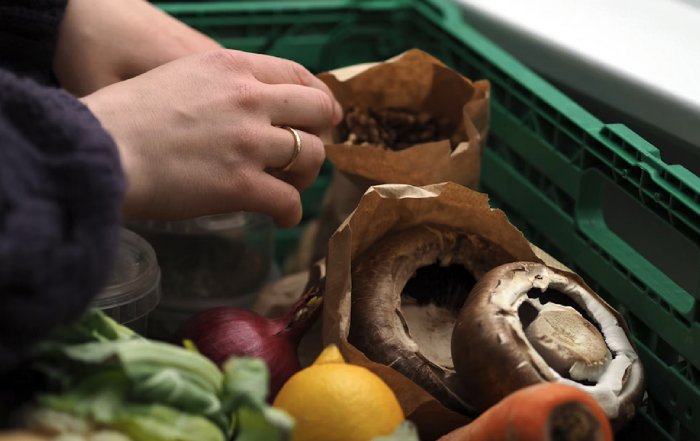
Strategies for Reducing Food Waste at Home in 2026
Food waste has emerged as one of the most urgent sustainability issues of the mid-2020s, and by 2026 it is widely recognized as a defining test of how seriously households, businesses, and policymakers are prepared to treat climate, biodiversity, and social equity. For eco-natur.com, whose community spans regions from North America and Europe to Asia, Africa, and South America, and whose interests range from sustainable living and plastic-free lifestyles to recycling, wildlife protection, sustainable business, and the green economy, household food waste is not an abstract policy topic. It is a daily, practical challenge that plays out in kitchens, supermarkets, local markets, and community spaces, affecting family budgets, personal health, and environmental footprints in cities and rural areas across the globe. In 2026, reducing food waste at home is increasingly understood as one of the most direct and personally meaningful ways to live more sustainably and to align everyday decisions with the values that guide the content and mission of eco-natur.com.
Food Waste in a Global Sustainability Context
Around the world, food is lost or wasted at every stage of the value chain, yet households remain a consistently large contributor to the overall problem. Analyses from organizations such as the Food and Agriculture Organization of the United Nations (FAO) estimate that roughly one-third of all food produced for human consumption is lost or wasted, a statistic that carries profound ethical, environmental, and economic implications. In a world where hundreds of millions of people remain food insecure, the fact that vast quantities of edible food are discarded in homes across the United States, United Kingdom, Germany, Canada, Australia, France, Italy, Spain, the Netherlands, Switzerland, China, Sweden, Norway, Singapore, Denmark, South Korea, Japan, Thailand, Finland, South Africa, Brazil, Malaysia, New Zealand and many other countries underscores a stark imbalance in how resources are produced, distributed, and valued. Readers who regularly explore broader themes of sustainability and systems thinking on eco-natur.com will recognize that every uneaten yogurt, forgotten lettuce, or stale loaf of bread embodies a long chain of impacts, from land conversion and water use to fertilizer application, energy consumption, and international transport.
The climate dimension of food waste is now better understood than ever. Research synthesized by the Intergovernmental Panel on Climate Change (IPCC) shows that food loss and waste contribute significantly to global greenhouse gas emissions, both through methane generated when organic matter decomposes in landfills and through the emissions embedded in producing, processing, and transporting food that is never eaten. For households that follow sustainable living practices, this recognition has been transformative: cutting food waste is no longer seen as a minor act of frugality, but as a high-impact climate action that sits alongside choices about renewable energy, transportation, and plastic reduction. Whether in large metropolitan areas like New York, London, Berlin, Toronto, Sydney, Paris, Milan, Madrid, Amsterdam, Zurich, Shanghai, Stockholm, Oslo, Singapore, Copenhagen, Seoul, Tokyo, Bangkok, Helsinki, Johannesburg, São Paulo, Kuala Lumpur, Wellington, or in smaller towns and rural communities, minimizing food waste is increasingly woven into a broader sustainability mindset that considers the full lifecycle of products and materials.
Economic and Social Costs of Wasted Food
The financial consequences of household food waste have become more visible in the wake of recent years' price volatility, inflation, and supply chain disruptions. Studies referenced by institutions such as the World Bank and the Organisation for Economic Co-operation and Development (OECD) indicate that in high-income countries, the average household discards hundreds of dollars' or euros' worth of food annually, a figure that can be even more significant for families facing tight budgets. In the United States, United Kingdom, Germany, Canada, Australia, and many parts of Europe and Asia, rising food prices have prompted consumers to pay closer attention to how much of their weekly shop ends up uneaten, and to seek practical strategies that protect both their wallets and the environment. For visitors to eco-natur.com who are following developments in the green and circular economy, food waste is also a systemic issue that influences how agricultural land is used, how labor markets function in food production and retail, and how logistics networks are designed.
When households reduce waste, they send a powerful signal upstream through the supply chain. Retailers and producers can respond by refining demand forecasts, adjusting portion sizes, experimenting with more flexible packaging formats, and investing in technologies that extend shelf life without compromising safety or nutrition. This shift aligns with the growing emphasis on sustainable business models, in which companies aim to minimize waste and design products and services that support circularity. For emerging and developing economies in Asia, Africa, and South America, household food waste reduction can play an important role in strengthening food security, easing pressure on local ecosystems, and creating more resilient local food systems that are less vulnerable to global shocks. Socially, reducing waste can also facilitate community initiatives such as food-sharing platforms and mutual aid networks that redistribute surplus food to those in need, reinforcing social cohesion and equity.
Where and Why Food Is Wasted at Home
Addressing household food waste effectively requires a clear understanding of where it occurs and what drives it. Research conducted by the United Nations Environment Programme (UNEP) and national agencies including the U.S. Environmental Protection Agency (EPA) and the UK Waste and Resources Action Programme (WRAP) consistently points to a similar set of culprits: fresh fruits and vegetables, bread and bakery products, dairy items, and prepared leftovers. These categories are highly perishable and often purchased in quantities that do not match actual consumption patterns, particularly when households are motivated by health aspirations, promotional offers, or bulk discounts without fully considering their schedules and habits.
Behavioral and psychological factors are central to this challenge. Overbuying due to multi-buy promotions, buying without a list, misunderstanding date labels, and routinely cooking more food than is needed all contribute to waste that could be avoided with relatively modest behavior changes. In fast-paced urban environments from Los Angeles and Chicago to London, Frankfurt, Vancouver, Melbourne, Lyon, Barcelona, Rotterdam, Zurich, Beijing, Gothenburg, Bergen, Singapore, Aarhus, Busan, Osaka, Chiang Mai, Tampere, Cape Town, Rio de Janeiro, and Auckland, time pressure and unpredictable work or social commitments often lead to last-minute takeout or dining out, leaving planned home-cooked meals untouched. For readers interested in sustainable lifestyle choices, recognizing these patterns is a first and crucial step in redesigning routines and expectations so that they better reflect actual needs and values.
Smart Planning as the Foundation of a Low-Waste Kitchen
Meal planning has become one of the most widely recommended strategies for minimizing household food waste, and in 2026 it is increasingly supported by both analog and digital tools. Experienced sustainability practitioners emphasize that effective planning is not about rigidly scripting every meal, but about creating a flexible framework that aligns planned meals with the realities of work schedules, travel, social events, and family routines. Organizations such as WRAP and the Love Food Hate Waste campaign have demonstrated that households which regularly plan meals, check existing supplies before shopping, and prepare realistic shopping lists can significantly reduce the volume of food they discard. For those in North America, the U.S. EPA provides practical guidance on reducing wasted food at home, helping consumers integrate planning into their weekly habits.
Digital solutions have matured since the early 2020s, with smartphone apps and smart kitchen devices now capable of tracking purchase dates, suggesting recipes based on what is already in the refrigerator or pantry, and sending reminders as expiration dates approach. However, the underlying principle remains rooted in awareness and intentionality rather than technology for its own sake. Households that take a few minutes each week to scan their cupboards, consider seasonal and local availability, and build in "use-it-up" meals focused on ingredients that need attention are far less likely to see food spoiled or forgotten. For regular readers of eco-natur.com who are already familiar with zero-waste principles, this planning mindset echoes the broader design philosophy of eliminating waste at the source, whether in packaging, energy use, or resource-intensive products.
Shopping with Purpose and Aligning Purchases with Values
Once planning is in place, purchasing becomes the next critical point of intervention. Shopping with purpose means resisting marketing cues that encourage buying more perishable food than is realistically needed, especially when promotions are framed around volume rather than actual value. Research from institutions such as the Harvard T.H. Chan School of Public Health has highlighted that buying in bulk is not inherently sustainable or economical if a significant portion of those purchases ends up in the bin. Instead, households achieve better outcomes by buying appropriate quantities, prioritizing versatile ingredients that can be used in multiple dishes, and incorporating frozen and canned options where suitable, since these forms often have longer shelf lives while retaining strong nutritional profiles. Learn more about how dietary choices intersect with health and sustainability through resources on healthy and sustainable diets from the World Health Organization (WHO).
Purposeful shopping also involves supporting food systems that are themselves oriented toward waste reduction and environmental stewardship. Farmers' markets, community-supported agriculture (CSA) programs, and local cooperatives in Europe, North America, Asia, and other regions are increasingly offering "imperfect" or surplus produce at lower prices, thereby preventing waste at the farm or retail level while giving consumers access to fresh, often organic and sustainably produced food. Digital platforms in countries such as Germany, the Netherlands, Sweden, Singapore, and Japan now connect consumers directly with restaurants and retailers offering surplus meals or products at discounted prices, a model championed by companies like Too Good To Go and Olio. For the eco-natur.com audience, these initiatives illustrate how individual purchasing decisions can reinforce broader market shifts toward sustainability and circularity.
Effective Storage: Extending Freshness and Preventing Loss
Even the most thoughtful planning and purchasing can be undermined if food is not stored properly. Effective storage is both a science and an art, drawing on knowledge of microbiology, temperature control, humidity, and the characteristics of different food categories. Public agencies such as the U.S. Department of Agriculture (USDA) and the UK Food Standards Agency (FSA) provide detailed recommendations on refrigeration temperatures, freezer use, and specific storage practices for meat, dairy, produce, and prepared foods, helping households in the United States, United Kingdom, and beyond maintain food safety while extending shelf life. Guidance from these agencies has become particularly important as households increasingly purchase a mix of fresh, frozen, and ready-to-eat items that each have distinct storage needs.
Practical implementation often begins with refrigerator organization. Placing items that need to be used soon at eye level, labeling containers with dates, and adopting a first-in, first-out approach can dramatically reduce the likelihood that food will be forgotten and eventually discarded. Understanding which fruits and vegetables should be refrigerated and which are better stored at room temperature, and recognizing the role of ethylene gas in accelerating ripening, can further extend freshness. For readers committed to plastic-free living, there has been a marked shift toward durable alternatives such as glass containers, stainless-steel boxes, and beeswax or plant-based wraps that provide effective protection without relying on single-use plastics. In regions where consistent refrigeration is not always available, including parts of Africa, South Asia, and Latin America, traditional preservation techniques such as drying, fermenting, curing, and pickling remain vital, offering low-energy, culturally rooted methods for keeping food safe and edible for longer periods.
Cooking Skills, Creativity, and a Low-Waste Culinary Culture
A significant portion of household food waste consists of edible food that is simply not used in time or not perceived as appealing once it deviates from ideal freshness. Strengthening basic cooking skills and fostering a culture of culinary creativity can transform how households relate to such ingredients, turning what might be seen as leftovers or scraps into valuable components of new meals. Organizations such as Slow Food International and numerous national public health agencies have emphasized the importance of simple, adaptable recipes that can absorb a variety of ingredients, including slightly wilted vegetables, surplus grains, or stale bread. Such dishes-soups, stews, stir-fries, frittatas, casseroles, and grain bowls-are central to many traditional cuisines across Italy, Spain, France, China, Thailand, Brazil, and beyond, illustrating that low-waste cooking is as much about cultural heritage as it is about modern sustainability.
For eco-natur.com readers who are attentive to health and wellness, this emphasis on home cooking has additional benefits. Meals prepared from whole ingredients, including those rescued from the back of the refrigerator or repurposed from previous dinners, tend to be more nutrient-dense and less reliant on ultra-processed products high in added sugars, unhealthy fats, and salt. Educational resources from bodies like the World Health Organization and the European Food Information Council have repeatedly underscored the connection between home cooking, diet quality, and long-term health outcomes. By embracing a mindset that sees every ingredient as an opportunity rather than a potential waste stream, households can simultaneously improve nutrition, save money, and reduce their environmental footprint.
Making Sense of Date Labels to Avoid Unnecessary Discards
Confusion around date labels remains a stubborn barrier to reducing household food waste in 2026. Terms such as "best before," "use by," and "sell by" are still interpreted inconsistently by consumers and, in some cases, even by retailers, leading to large volumes of perfectly edible food being discarded out of caution. Regulatory authorities including the European Food Safety Authority (EFSA) and the USDA have made progress in harmonizing and clarifying labeling frameworks, but differences among countries and product categories persist. The USDA Food Safety and Inspection Service provides detailed guidance on how to interpret date labels, helping consumers distinguish between indicators of quality and indicators of safety.
A more informed approach involves combining label information with basic sensory evaluation and an understanding of food safety principles. In many cases, "best before" dates refer to peak quality, meaning that products stored appropriately may remain safe and enjoyable beyond that date, particularly dry goods, canned items, and some refrigerated products. "Use by" dates, by contrast, are more closely linked to safety, particularly for highly perishable foods such as fresh meat, fish, and ready-to-eat chilled dishes. By learning to assess signs of spoilage-such as off smells, visible mold, or unusual textures-and by respecting appropriate storage conditions, households can confidently reduce unnecessary discards without compromising health. For a global audience spanning Europe, North America, Asia, and other regions, building this kind of literacy around date labels is a practical, low-cost step that can yield immediate reductions in food waste.
Composting and Recycling as the Final Loop for Unavoidable Waste
Even in the most efficient, low-waste households, some food residues are inevitable. Peels, cores, bones, coffee grounds, and similar materials cannot always be used in cooking, and responsible management of these organic by-products is essential. Composting has emerged as one of the most effective ways to handle unavoidable food waste, turning what would otherwise generate methane in landfills into a resource that improves soil structure, fertility, and water retention. Municipal composting programs have expanded in cities across the United States, Canada, Germany, the Netherlands, Sweden, France, and other countries, making it easier for urban residents to separate organic waste from general rubbish. For those with gardens or even small balconies, home composting systems-from traditional outdoor bins to vermicomposting with worms-offer an accessible way to close the loop. Readers interested in recycling and circular resource flows will recognize composting as a natural extension of the same principles that guide the separation and recovery of paper, metals, and plastics.
From an ecological perspective, composting can contribute to healthier ecosystems and support wildlife and biodiversity. Compost applied to gardens, community green spaces, and urban agriculture projects supports soil organisms, enhances plant resilience, and reduces the need for synthetic fertilizers, which can harm water quality and aquatic life when mismanaged. Organizations such as the Rodale Institute and the Soil Association have documented how regenerative practices that integrate composting, cover cropping, and reduced tillage can restore degraded soils, sequester carbon, and create more robust agroecosystems. For eco-natur.com, which regularly highlights the connections between soil health, biodiversity, and climate resilience, composting is a tangible way for households to participate in ecosystem regeneration while minimizing their contribution to landfill volumes.
Integrating Food Waste Reduction into Holistic Sustainable Living
Reducing food waste at home is most powerful when it is integrated into a broader vision of sustainable living that includes energy use, transportation, material consumption, and lifestyle choices. Households that start by focusing on food often find that they become more attentive to the environmental implications of other aspects of daily life, from the packaging that accompanies convenience foods to the energy used in cooking and refrigeration. For the eco-natur.com community, which regularly engages with topics such as renewable energy, plastic-free living, and global environmental issues, food waste reduction fits naturally into a comprehensive approach to sustainability that considers both personal behavior and systemic change.
In many cities across Europe, Asia, North America, and Oceania, local governments and civil society organizations have begun to create infrastructures that support household efforts in this area. Community fridges, food-sharing apps, and neighborhood composting hubs enable residents to redistribute surplus food, support vulnerable groups, and collectively manage organic waste. International organizations such as the Ellen MacArthur Foundation and the World Resources Institute (WRI) have highlighted these community-based initiatives as key components of a circular economy, in which materials are kept in use for as long as possible and waste is designed out of the system. For businesses, aligning with these developments is increasingly part of a credible sustainability strategy; readers can learn more about sustainable business practices and how they intersect with household behavior through the dedicated insights and case studies available on eco-natur.com.
Cultural Change, Education, and Intergenerational Learning
Long-term progress in reducing household food waste depends not only on tools and infrastructure but also on cultural norms and shared values. Education is central to this transformation, from early childhood programs that foster respect for food and nature to vocational and adult learning initiatives that build culinary skills and environmental literacy. In countries such as Sweden, Denmark, Japan, New Zealand, and Canada, schools increasingly integrate food literacy into their curricula, linking classroom lessons to school gardens, cooking classes, and efforts to reduce cafeteria waste. International bodies like UNESCO and UNICEF support these initiatives under the broader umbrella of education for sustainable development, recognizing that habits formed in childhood can shape consumption patterns for decades.
Within households, intergenerational learning can be especially powerful. Older family members often possess practical knowledge of frugal cooking, preservation techniques, and seasonal eating, shaped by experiences in times when food was scarcer or more expensive relative to income. Younger generations, meanwhile, bring digital fluency, global perspectives, and a strong sense of urgency about climate and biodiversity loss. When these forms of expertise are combined, families can develop robust, context-specific strategies for minimizing waste that respect cultural traditions while embracing modern tools. Many visitors to eco-natur.com who explore sustainable lifestyle content report that involving children and teenagers in meal planning, shopping, and cooking not only reduces waste but also strengthens family bonds and gives younger members a sense of agency in addressing global environmental challenges.
Looking Ahead: Food Waste Reduction as a Core Pillar of Sustainable Living
By 2026, it is increasingly evident that reducing food waste at home is not a peripheral activity but a central pillar of credible sustainable living. The strategies outlined-from realistic planning and purposeful shopping to effective storage, creative cooking, informed interpretation of date labels, composting, and community engagement-form an integrated framework that households across continents can adapt to their circumstances, dietary preferences, and cultural contexts. For the international audience of eco-natur.com, which spans the United States, United Kingdom, Germany, Canada, Australia, France, Italy, Spain, the Netherlands, Switzerland, China, Sweden, Norway, Singapore, Denmark, South Korea, Japan, Thailand, Finland, South Africa, Brazil, Malaysia, New Zealand and many other regions, these approaches offer a practical pathway to align daily life with the principles of sustainability, circularity, and respect for nature that underpin the site's mission.
Global policy frameworks reinforce the importance of this work. The United Nations Sustainable Development Goals (SDGs), particularly Target 12.3, call for halving per capita global food waste at the retail and consumer levels and reducing food losses along production and supply chains by 2030. Governments, businesses, and civil society organizations are increasingly collaborating to measure food waste more accurately, redesign food systems, and support innovation in packaging, logistics, and consumer engagement. Yet the success of these efforts ultimately rests on millions of small decisions made each day in kitchens, supermarkets, markets, and restaurants around the world. For households seeking to contribute meaningfully to climate mitigation, biodiversity protection, and a more equitable global food system, food waste reduction offers a uniquely tangible and measurable avenue for action.
For eco-natur.com, the commitment to supporting readers on this journey is deeply personal. Through resources on sustainable living, sustainability, organic food, recycling, and related topics, the platform aims to provide trustworthy, practical guidance that empowers individuals and families to make informed choices. Every carefully planned shopping trip, every creative use of leftovers, every correctly interpreted date label, and every bucket of kitchen scraps diverted to compost represents a step toward a more resilient, regenerative food system. In aggregate, these actions help to shape markets, influence policy, and build a culture in which wasting food is no longer seen as normal or inevitable, but as something that can and should be minimized through experience, expertise, and a shared commitment to a sustainable future.
