
The Importance of Protecting Ocean Ecosystems in a Global Sustainable Economy
Ocean Health as the Foundation of a Sustainable Future
By 2026, sustainability has become a defining lens for strategy in boardrooms, policy discussions and household decision-making across the world, yet the health of the oceans still does not receive the central, systemic attention it warrants. For a global audience that increasingly understands the links between sustainable living, circular economies and responsible consumption, recognizing why ocean protection is fundamental to environmental stability, economic resilience and human wellbeing is now a decisive test of credible sustainability leadership. For eco-natur.com, whose purpose is to connect people and organizations with practical pathways to a more sustainable, plastic-free and regenerative way of life, the ocean is not a distant or abstract concern; it is an integral part of the same interconnected system that governs food security, climate regulation, biodiversity, business performance and long-term prosperity.
Covering more than 70 percent of the planet's surface, ocean ecosystems form the living infrastructure of the global economy, underpinning climate systems, food supplies, transport routes and cultural identities in the United States, United Kingdom, Germany, Canada, Australia, France, Italy, Spain, Netherlands, Switzerland, China, Sweden, Norway, Singapore, Denmark, South Korea, Japan, Thailand, Finland, South Africa, Brazil, Malaysia, New Zealand and every coastal and landlocked nation connected through trade, atmospheric circulation and hydrological cycles. From moderating global temperatures to supplying protein to billions of people, the oceans operate as a silent partner of modern societies and markets. Those seeking a broader systems view of how ocean health interlocks with terrestrial ecosystems, energy systems and social wellbeing can explore the foundations of sustainability and planetary systems, where eco-natur.com situates the seas within a holistic understanding of environmental limits and opportunities.
Ocean Ecosystems as Climate Regulators and Carbon Sinks
The oceans are the planet's largest active carbon sink, absorbing roughly a quarter of anthropogenic carbon dioxide emissions and more than 90 percent of the excess heat generated by global warming. Without this buffering role, as repeatedly emphasized by the Intergovernmental Panel on Climate Change (IPCC), global average temperatures, sea-level rise and the frequency of climate extremes would already be far more severe, with profound implications for communities and economies worldwide. Those wishing to deepen their understanding of these dynamics can consult assessments and reports on the IPCC website, which explain how ocean physics and biogeochemistry shape climate outcomes.
This climate-regulating function relies on the integrity of complex marine systems, from polar oceans and deep-water circulation to coastal mangroves, salt marshes and seagrass meadows. Scientific work coordinated by UNESCO and the Intergovernmental Oceanographic Commission has shown that warming, acidification, deoxygenation and pollution are weakening some of these processes, thereby undermining the ocean's capacity to absorb carbon and stabilize the climate. For businesses and policymakers, this means that climate mitigation cannot be reduced to decarbonizing power and industry; it must also include the protection and restoration of marine ecosystems, as highlighted in guidance from the UN Environment Programme on nature-based solutions and blue carbon.
For the community around eco-natur.com, which already engages actively with renewable energy solutions and low-carbon lifestyles, this insight reinforces a crucial point: a credible climate strategy in 2026 demands an integrated approach that combines energy transition with investment in coastal resilience, blue carbon projects and the conservation of marine habitats that lock away carbon while supporting biodiversity and local livelihoods.
Biodiversity, Food Security and the Global Ocean Economy
Ocean ecosystems host an extraordinary share of the planet's biodiversity, ranging from microscopic plankton that drive primary production to complex coral reef systems, pelagic predators and deep-sea communities that remain only partially explored. The Convention on Biological Diversity (CBD) and the Intergovernmental Science-Policy Platform on Biodiversity and Ecosystem Services (IPBES) have documented accelerating declines in marine species and habitats, driven by overfishing, destructive practices, climate change, coastal development and multiple forms of pollution. Those interested in the broader implications of biodiversity loss for economies and societies can learn more through global assessments published on the CBD website, which increasingly highlight ocean-related risks.
For billions of people, particularly in coastal regions of Asia, Africa, South America and small island states, fisheries and aquaculture remain essential sources of protein, employment and cultural identity. The Food and Agriculture Organization (FAO) estimates that the blue economy supports hundreds of millions of livelihoods, with fish and seafood forming a critical component of diets from North America and Europe to rapidly growing urban centers in China and Southeast Asia. As pressure on marine resources intensifies, the question is no longer whether the ocean can continue to feed the world indefinitely, but under what management regimes and consumption patterns it can do so without ecological collapse. One increasingly important lever is the shift toward healthier, lower-impact diets and organic food choices, which can reduce the strain on marine ecosystems while supporting soil health, freshwater conservation and human wellbeing.
From a business and investor perspective, marine biodiversity and productivity translate into substantial economic value, yet they also represent a growing source of financial and operational risk. The degradation of coral reefs that support tourism, the collapse of commercially important fish stocks and the loss of coastal ecosystems that shield infrastructure from storms can trigger cascading impacts on revenues, insurance costs, asset values and supply chain stability. The World Bank and the Organisation for Economic Co-operation and Development (OECD) have both stressed that long-term economic growth depends on maintaining the natural capital of the oceans rather than exhausting it, a message reinforced in analyses available through the OECD's work on the ocean economy.
The perspective advanced by eco-natur.com in its coverage of sustainable business models aligns closely with this emerging consensus. Organizations that understand and measure their dependence on healthy marine ecosystems, integrate these dependencies into risk assessments and governance structures, and act to reduce their impacts are more likely to create durable value, maintain regulatory and social license to operate, and meet the expectations of customers and investors who increasingly demand robust environmental stewardship.
Pollution, Plastic Waste and the Urgency of a Circular Transition
Among the most visible and emotionally resonant threats to ocean health is the relentless accumulation of plastic waste in rivers, estuaries, coastal zones and open ocean gyres. From microplastics embedded in Arctic sea ice and deep-sea sediments to the highly publicized accumulation zones in the Pacific and Indian Oceans, plastic pollution has become a stark indicator of linear, throwaway consumption patterns. Research and scenario analysis by the Ellen MacArthur Foundation have suggested that, without decisive action, there could be more plastic than fish in the ocean by weight within a few decades, a projection that has helped galvanize policymakers and corporate leaders. Those interested in the systemic drivers of plastic waste and the potential of circular economy solutions can explore resources provided by the Ellen MacArthur Foundation.
The health implications of microplastics and associated chemicals for marine life and humans are still being clarified, but early evidence from institutions such as the World Health Organization (WHO) points to potential long-term risks, including inflammatory responses, bioaccumulation of toxic substances and impacts on reproductive and endocrine systems. As a result, companies in consumer goods, retail, logistics and packaging face growing expectations to reduce plastic use, redesign products for reuse and recyclability, and support collection and recovery systems that prevent leakage into the environment. Individuals and organizations looking to align their choices with these goals can explore practical guidance on adopting a plastic-free lifestyle, where eco-natur.com translates systemic challenges into actionable steps for households and businesses.
For eco-natur.com, the issue of plastic pollution has become a powerful entry point into wider conversations around sustainable living, responsible product design and the shift from linear to circular material flows. By highlighting zero-waste strategies, innovative materials, refill and reuse models and responsible procurement approaches, the platform helps audiences in Europe, Asia, Africa and the Americas understand how daily decisions on packaging, consumption and waste management are directly linked to the condition of beaches, coastal ecosystems and the open ocean. Those interested in the science of marine debris and global policy responses can also explore work by the National Oceanic and Atmospheric Administration (NOAA), which provides accessible overviews of marine pollution and debris.
Overfishing, Illegal Practices and the Need for Governance Reform
Overfishing continues to exert one of the most severe direct pressures on marine ecosystems, with many commercially important stocks either fully exploited or overexploited, despite decades of scientific warnings and international agreements. Illegal, unreported and unregulated (IUU) fishing exacerbates this problem by undermining conservation measures, distorting markets and depriving coastal communities of legitimate income. The Food and Agriculture Organization has documented how weak governance, insufficient monitoring and opaque supply chains allow destructive practices to persist, often in regions where enforcement capacity is limited and economic dependence on fisheries is high. Those seeking a detailed overview of global fisheries trends can consult analyses from the FAO Fisheries and Aquaculture Division, which provide data and policy recommendations.
To address these challenges, organizations such as the Marine Stewardship Council (MSC) and Aquaculture Stewardship Council (ASC) have developed certification schemes that reward fisheries and aquaculture operations meeting defined sustainability criteria. These certifications offer tools for retailers, hospitality companies and institutional buyers to signal responsible sourcing and improve traceability. Procurement teams and consumers aiming to align their purchasing decisions with ocean protection can draw on guidance from the Marine Stewardship Council, while recognizing that voluntary certification must be complemented by robust public policy, science-based quotas, effective monitoring and international cooperation.
In many ways, the transformation of global fisheries and aquaculture is a test case for broader transitions toward a sustainable, inclusive and resilient economy. Discussions on the sustainable economy hosted by eco-natur.com emphasize that aligning fisheries management with scientific advice, protecting nursery habitats, eliminating harmful subsidies and investing in alternative livelihoods are not only ecological imperatives but also sound economic strategies. Whether in the United States, United Kingdom, Japan, Brazil or emerging blue economy hubs in Africa and Southeast Asia, effective governance of marine resources will determine whether ocean-dependent communities and businesses can thrive in the face of climate change and shifting market demands.
Coastal Ecosystems, Wildlife and Human Wellbeing
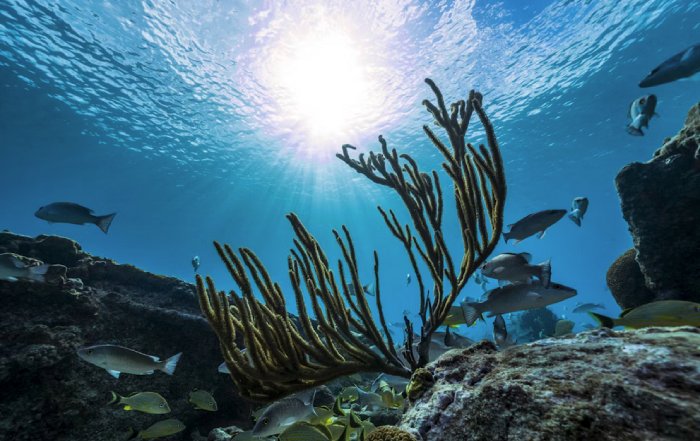
Coastal ecosystems, including mangroves, coral reefs, estuaries, lagoons, salt marshes and seagrass meadows, form the critical interface between land and sea, supporting both marine and terrestrial wildlife while providing vital services to human societies. The International Union for Conservation of Nature (IUCN) has highlighted the extraordinary role these habitats play in nurturing juvenile fish, hosting migratory birds, sheltering invertebrates and storing large amounts of carbon, while also acting as natural barriers that reduce the impact of storms, erosion and sea-level rise on coastal communities. Those interested in the conservation status of specific marine and coastal species can consult the IUCN Red List, which offers detailed information on threats and trends.
The degradation and loss of coral reefs due to warming, acidification, overfishing and pollution is particularly alarming, as these ecosystems support a disproportionate share of marine biodiversity and underpin tourism and fisheries industries worth billions of dollars annually. Similarly, the clearing of mangrove forests in Southeast Asia, West Africa, Latin America and other regions for aquaculture, agriculture and urban development erodes natural resilience to storm surges and flooding, increasing the vulnerability of coastal infrastructure and settlements. The interconnectedness of terrestrial and marine wildlife, and the cascading effects of habitat loss, are explored in depth in eco-natur.com resources on wildlife and ecosystem protection and biodiversity, where readers can see how ocean conservation is inseparable from broader landscape-level stewardship.
Beyond ecological and economic considerations, the state of coastal and marine environments has profound implications for human health and wellbeing. Exposure to polluted waters, harmful algal blooms, contaminated seafood and degraded coastal landscapes can affect respiratory and cardiovascular health, mental wellbeing, recreation opportunities and cultural practices. Public health institutions, including the World Health Organization, are increasingly mapping these links in order to inform integrated policy responses, and those interested can explore the WHO's work on environment and health. In parallel, eco-natur.com addresses the human dimension of environmental quality through its focus on health and sustainable lifestyles, emphasizing that protecting the oceans is also an investment in community resilience, social cohesion and quality of life.
Ocean Protection, Sustainable Business and Investor Expectations
By 2026, ocean protection has moved from a niche concern of environmental departments to a mainstream issue in corporate risk management, investor dialogue and regulatory compliance. The Taskforce on Nature-related Financial Disclosures (TNFD), alongside initiatives led by CDP and the Principles for Responsible Investment (PRI), is encouraging companies and financial institutions to identify, assess, manage and disclose their dependencies and impacts on nature, including marine and coastal ecosystems. Investors seeking to understand how nature-related risks can affect sectoral performance, asset values and portfolio resilience can draw on frameworks and guidance provided by the TNFD, which explicitly recognize oceans as a critical domain of natural capital.
As governments in Europe, North America, Asia-Pacific, Latin America and Africa strengthen regulations on marine pollution, shipping emissions, offshore extraction, habitat destruction and marine protected areas, companies with unsustainable practices face intensified legal, reputational and operational risks. Conversely, firms that invest in sustainable seafood supply chains, low-impact maritime transport, offshore renewable energy, circular materials and coastal restoration can access new markets, improve stakeholder trust and attract sustainability-focused capital. The World Economic Forum has underscored the scale of these opportunities in its work on the regenerative blue economy, with case studies and insights available through its ocean initiatives.
For the audience of eco-natur.com, which includes entrepreneurs, sustainability professionals, investors and informed consumers, these developments underscore the importance of integrating ocean considerations into corporate sustainability strategies, product and packaging design, procurement policies and investor engagement. The platform's insights on sustainable business practices and sustainable design and innovation help organizations translate high-level commitments into tangible actions, such as responsible seafood sourcing, plastic reduction, support for marine conservation partnerships and investments in nature-based solutions that deliver both ecological and financial returns.
Policy, International Cooperation and the Role of Global Governance
Protecting ocean ecosystems at the scale and speed required cannot be achieved by individual actors alone; it depends on coherent international governance, robust legal frameworks and effective implementation at national and local levels. The United Nations Convention on the Law of the Sea (UNCLOS) remains the foundational legal framework governing maritime zones, navigation rights, resource extraction and state responsibilities. Recent milestones, including the agreement on the High Seas Treaty for biodiversity beyond national jurisdiction, signal a growing recognition that large areas of the ocean lying outside national jurisdictions must be managed collectively to safeguard global ecological stability. Those wishing to understand this evolving legal and policy architecture can explore resources from the United Nations Division for Ocean Affairs and the Law of the Sea.
The UN Sustainable Development Goals (SDGs), and in particular SDG 14 on "Life Below Water," provide a shared global agenda for reducing marine pollution, managing fisheries sustainably, expanding marine protected areas, ending harmful subsidies and strengthening scientific knowledge. Governments in Germany, Canada, Japan, Norway, South Africa, Brazil, Singapore and many other countries have adopted national ocean strategies and blue economy plans aligned with these objectives, with progress monitored through regular reporting and international forums. Public and private actors can align their own initiatives with SDG 14 and related goals on climate, health, sustainable consumption and inclusive growth by drawing on resources from the UN SDG Knowledge Platform.
For eco-natur.com, which serves a readership that spans Global, European, Asian, African, South American and North American contexts, these global governance frameworks offer both a reference point and a source of momentum. By explaining how everyday choices and corporate decisions connect to international commitments, the platform helps build a more informed and engaged public capable of supporting ambitious policies, scrutinizing performance and participating in cross-border collaborations to restore ocean health.
Individual and Community Action: Connecting Daily Choices to Ocean Outcomes
While international agreements and corporate strategies are essential, the trajectory of ocean health is also shaped by the cumulative impact of individual and community-level decisions. Choices related to diet, transport, energy use, product selection, waste management and recreational activities all influence greenhouse gas emissions, plastic leakage, chemical runoff and land-use changes that ultimately affect rivers, coasts and open seas. Those seeking to align personal values with practical steps can explore eco-natur.com resources on sustainable living and lifestyle transformation, which link household behaviors to global environmental outcomes.
Adopting a zero-waste mindset, minimizing single-use plastics, supporting certified or demonstrably responsible seafood, conserving energy, choosing low-impact travel options and participating in local clean-up and restoration initiatives are all ways that citizens in the United States, United Kingdom, Germany, Australia, Singapore, South Korea, France, Italy, Spain, Netherlands, Switzerland, China and beyond can contribute meaningfully to ocean protection. Municipalities and regions that invest in effective waste collection, wastewater treatment, green infrastructure and environmental education amplify these efforts by creating enabling conditions for citizens and businesses. For those interested in how improved recycling systems and circular approaches can reduce waste flows into rivers and seas, eco-natur.com offers case studies and guidance that connect local action with global impact.
Civil society organizations, universities and citizen science networks are also playing a growing role in monitoring ocean health, documenting pollution events, tracking wildlife populations and raising public awareness. Organizations such as Ocean Conservancy, Surfrider Foundation and numerous local NGOs across Europe, Asia, Africa and the Americas provide opportunities for individuals and companies to engage in beach clean-ups, policy advocacy, community science and educational campaigns. Those wishing to become more actively involved can explore participation options through the Ocean Conservancy, which offers tools for community engagement and corporate collaboration aimed at reducing marine debris and protecting critical habitats.
Integrating Ocean Protection into a Holistic Sustainability Vision
The case for protecting ocean ecosystems ultimately rests not only on their intrinsic value or their immediate economic benefits, but on their central role within the broader web of life and human prosperity. Oceans regulate climate, sustain biodiversity, support food systems, enable global trade and provide cultural, recreational and spiritual benefits for communities in every region. As sustainability becomes a core criterion of competitive advantage, resilient policy and responsible investment in 2026, it is increasingly evident that no credible vision of a sustainable future can overlook the state of the seas.
For eco-natur.com, making ocean protection personal and relevant means continually connecting marine issues to the themes that matter most to its audience: climate resilience, sustainable lifestyles and consumption choices, global sustainability trends and risks, responsible business leadership and the health and wellbeing of families and communities. By integrating insights from leading scientific bodies, international organizations, innovative businesses and community initiatives, and by translating these into accessible guidance for individuals, companies and policymakers, the platform aims to support a global movement that views the ocean not as an inexhaustible sink for waste or a limitless store of resources, but as a living system that must be respected, restored and safeguarded.
As the world navigates converging challenges in the second half of the 2020s-ranging from climate instability and biodiversity loss to economic inequality, geopolitical tension and rapid technological disruption-the condition of the oceans will remain a powerful indicator of whether humanity is moving toward a regenerative, inclusive and resilient model of development. Protecting ocean ecosystems is therefore not a marginal environmental concern; it is a strategic imperative for governments, businesses, investors and citizens on every continent. Those who recognize this reality and act accordingly, integrating ocean stewardship into their decisions and strategies, will be better placed to thrive in an era where environmental integrity, social responsibility and long-term economic value are inseparable.
