
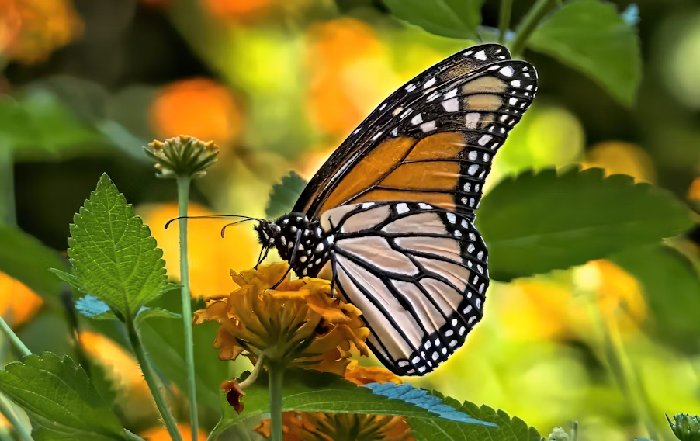
Monarch Butterfly Migration and Habitat Loss: A Global Test of Sustainability
Monarchs as a Mirror of a Changing Planet
The story of the monarch butterfly has evolved into one of the most visible and emotionally resonant symbols of the global sustainability challenge, and for eco-natur.com, the monarch has become a powerful lens through which to explore how modern economies, consumption patterns, and land-use decisions shape the future of life on Earth. The dramatic, multigenerational migration of monarchs between North America and their overwintering grounds, combined with the accelerating loss and fragmentation of their habitats, illustrates in real time how climate change, industrial agriculture, urban expansion, and unsustainable resource use intersect, and how societies in the United States, Canada, Mexico, Europe, Asia, and beyond must rethink what responsible development truly means. As conservation organizations such as Monarch Joint Venture, Xerces Society for Invertebrate Conservation, and research institutions including the U.S. Geological Survey and Monarch Watch have documented, the monarch's decline is not an isolated ecological event but part of a broader pattern of biodiversity loss that has direct implications for food systems, economic resilience, and human health, making it deeply relevant to the sustainable living and sustainable business themes that define the editorial focus of eco-natur.com.
The Extraordinary Migration that Captivated the World
The monarch butterfly migration has long fascinated scientists, naturalists, and the public because it combines biological complexity with an almost poetic sense of scale and endurance. In North America, the eastern monarch population undertakes an annual journey of up to 4,800 kilometers between breeding grounds in Canada and the United States and overwintering sites in the oyamel fir forests of central Mexico, while the western population migrates between the western United States and coastal California, and separate non-migratory or shorter-distance migratory populations exist in parts of Spain, Portugal, Australia, New Zealand, and some regions of Asia. This migration is a relay across generations: butterflies that emerge in spring and summer live only a few weeks, breeding and moving northward, while the so-called "super generation" that emerges in late summer can live eight months or more, flying southwards to Mexico or California and initiating the next cycle in the following spring. Research from organizations such as Monarch Watch and academic centers documented by the Smithsonian National Museum of Natural History shows that monarchs use a combination of the sun's position, an internal circadian clock, and possibly the Earth's magnetic field to navigate, a sophisticated orientation system that underscores how finely tuned species can be to environmental cues that are now being disrupted by climate change and light pollution. Learn more about how migratory species depend on intact ecosystems through resources from the Convention on Migratory Species.
For eco-conscious readers interested in how daily choices ripple outward into global ecological processes, the monarch migration offers a vivid example of interconnectedness that aligns naturally with the themes explored in the sustainable living and global sustainability sections of eco-natur.com, where the focus is on turning scientific understanding into practical lifestyle and policy action.
Habitat Loss: The Central Threat to Monarch Survival
While climate change, disease, and predation all play roles in monarch declines, habitat loss and degradation remain the primary drivers, particularly in North America where the bulk of research has focused. Over the past several decades, the expansion of intensive monoculture agriculture, especially genetically engineered herbicide-tolerant crops in the United States and Canada, has led to widespread eradication of milkweed, the only plant on which monarch caterpillars can feed, from millions of hectares of farmland. Studies summarized by the U.S. Fish and Wildlife Service and the Commission for Environmental Cooperation highlight how the near-elimination of common milkweed in the Midwest "corn belt" has substantially reduced breeding habitat for the eastern monarch population, while the loss of nectar-rich flowering plants further limits adult feeding opportunities. Urbanization and suburban sprawl, combined with road construction, energy infrastructure, and industrial development, have fragmented remaining habitat, creating isolated patches that may be too small or disconnected to support resilient monarch populations, a pattern mirrored across many regions in Europe and Asia where agricultural intensification and land conversion are reshaping landscapes at unprecedented speed. Insights into how land-use decisions affect biodiversity more broadly can be found through the Intergovernmental Science-Policy Platform on Biodiversity and Ecosystem Services.
For readers of eco-natur.com, the monarch's dependence on specific host plants and diverse floral resources illustrates why integrated land stewardship must be at the heart of any serious sustainability strategy, whether in the United States, Germany, Brazil, or South Africa, because the same forces that erode butterfly habitat also undermine soil health, water quality, and long-term agricultural productivity.
Climate Change, Extreme Weather, and a Moving Target
Climate change adds another layer of complexity to the monarch conservation challenge, turning what was once a relatively predictable migratory cycle into a moving target. Warmer temperatures are shifting the timing of spring and autumn, altering the availability of milkweed and nectar plants along migration routes, and potentially disrupting the cues monarchs use to enter reproductive diapause and begin their long-distance flight. Extreme weather events, from late frosts in the American Midwest to heatwaves and droughts in Texas and northern Mexico, can decimate local populations or destroy critical stopover sites, while heavy storms and unusual cold snaps in the Mexican overwintering forests have killed millions of butterflies in a single season. Climate projections from organizations such as the Intergovernmental Panel on Climate Change (IPCC) and scenario modeling by North American research networks suggest that suitable climate envelopes for both breeding and overwintering habitats will shift northward and upward in elevation, potentially shrinking or relocating core areas unless robust conservation and restoration measures are implemented. For a deeper understanding of how climate change reshapes species distributions, readers can consult resources from the World Meteorological Organization.
These dynamics underscore the importance of flexible, forward-looking conservation planning that integrates climate adaptation principles, a theme that resonates strongly with the future-oriented approach to renewable energy and climate solutions promoted by eco-natur.com, where the emphasis lies on aligning energy transitions with the protection of natural systems.
Pesticides, Herbicides, and the Hidden Costs of Productivity
The modern agricultural and landscaping systems that dominate much of North America, Europe, and parts of Asia rely heavily on synthetic pesticides and herbicides, and while these chemicals have contributed to short-term yield gains and pest control, their cumulative ecological costs are increasingly visible in pollinator declines, soil degradation, and contamination of water bodies. For monarchs, the widespread use of glyphosate-based herbicides has been directly linked to milkweed loss, while insecticides, particularly neonicotinoids and certain newer chemistries, can harm butterflies at multiple life stages by contaminating nectar, foliage, and soil. Assessments from the Food and Agriculture Organization of the United Nations (FAO) and the European Food Safety Authority have highlighted broader concerns about pollinator health in both conventional and intensive farming systems, reinforcing the need for integrated pest management, reduced chemical reliance, and habitat-friendly practices. Learn more about sustainable agriculture transitions through the United Nations Environment Programme.
For businesses, especially in the food and beverage, retail, and agritech sectors in the United States, United Kingdom, Germany, and beyond, the monarch's vulnerability to chemical exposure raises critical questions about supply chain responsibility and risk management, connecting directly to the themes of sustainable business models and green economy transformation that eco-natur.com explores in its coverage of corporate strategy and ESG innovation.
Forests, Overwintering Sites, and Community Livelihoods
The overwintering forests of central Mexico and coastal California are not only biological sanctuaries for monarchs but also socio-economic landscapes where local communities depend on forestry, tourism, and agriculture for their livelihoods. In Mexico's Trans-Mexican Volcanic Belt, the high-elevation oyamel fir and pine forests that host millions of monarchs each winter have been threatened by illegal logging, fuelwood collection, and land-use change, though the creation of the Monarch Butterfly Biosphere Reserve and collaborative efforts between the Mexican government, local ejidos, and NGOs have achieved notable conservation gains in some areas. Analyses by UNESCO and the World Wildlife Fund (WWF) emphasize that long-term protection of these forests requires integrating community development, education, and alternative income sources, such as sustainable ecotourism and agroforestry, to reduce pressure on natural habitats. Learn more about the role of protected areas and World Heritage Sites in conservation through UNESCO's World Heritage Centre.
This interplay between forest conservation and human well-being illustrates a core principle that eco-natur.com highlights across its content on economy and sustainability: environmental protection cannot be separated from social and economic realities, and successful conservation requires models that are both ecologically sound and economically viable for local communities in Mexico, the United States, and other regions where migratory species depend on shared resources.
Monarchs, Pollinators, and the Wider Web of Wildlife
Monarch butterflies are part of a larger constellation of pollinators and insects that underpin terrestrial ecosystems and food production systems across continents, and their decline parallels worrying trends in bees, hoverflies, moths, and other insects documented in Europe, North America, and parts of Asia. Reports from the International Union for Conservation of Nature (IUCN) and national agencies in countries such as the United Kingdom, Germany, and Sweden have highlighted widespread insect biomass declines and localized extinctions, driven by habitat loss, pesticide use, light pollution, and climate change, with cascading effects on birds, mammals, and plant communities that depend on pollination and insect prey. For readers of eco-natur.com interested in wildlife and biodiversity, monarchs serve as a charismatic flagship that can draw attention to the less visible but equally critical invertebrate species whose conservation is essential for maintaining resilient ecosystems and stable food supplies.
By situating monarch conservation within the broader context of global biodiversity loss, eco-natur.com underscores the importance of integrated strategies that protect entire ecological networks rather than focusing solely on single species, while still recognizing the powerful communication and mobilization value of iconic animals like the monarch.
Sustainable Living: What Individuals Can Do in Homes and Cities
The monarch story resonates strongly with individuals seeking to align daily choices with environmental values, and in 2026, urban and suburban residents in the United States, Canada, the United Kingdom, Germany, Australia, and many other countries are increasingly turning to practical actions that contribute to habitat restoration and reduced ecological footprints. Creating pollinator-friendly gardens with native milkweed and nectar plants, avoiding or minimizing pesticide use in yards and community spaces, supporting local conservation projects, and participating in citizen science monitoring programs are all tangible steps that households and neighborhoods can take to support monarchs and other pollinators. Organizations such as the National Wildlife Federation and the Royal Horticultural Society provide region-specific guidance on native planting and wildlife-friendly gardening, enabling residents in diverse climates from Norway to New Zealand to contribute meaningfully to habitat networks. Learn more about integrating these practices into everyday life through the sustainable lifestyle resources of eco-natur.com, where the emphasis is on practical, achievable changes that cumulatively have significant impact.
At the same time, sustainable living extends beyond the garden gate to encompass waste reduction, responsible consumption, and dietary choices, all of which influence land use, chemical inputs, and climate emissions that ultimately affect species like the monarch. Reducing single-use plastics, for example, aligns with the plastic-free guidance offered by eco-natur.com, while embracing recycling and circular economy practices can reduce pressure on resource extraction and waste disposal sites that encroach on natural habitats.
Organic Food, Regenerative Agriculture, and Monarch-Friendly Landscapes
Food systems sit at the heart of the monarch conservation challenge because agricultural landscapes cover vast areas of North America, Europe, and parts of Asia, and the way these lands are managed determines whether they function as ecological deserts or as productive, biodiversity-supporting mosaics. Organic and regenerative farming systems, which reduce or eliminate synthetic pesticides and herbicides, prioritize soil health, and often incorporate hedgerows, wildflower strips, and diversified cropping, can provide critical habitat for monarchs and other wildlife if designed thoughtfully. Research compiled by the Rodale Institute and analyses from the Food and Agriculture Organization (FAO) suggest that such systems, when supported by appropriate policy frameworks and market incentives, can enhance biodiversity, improve resilience to climate shocks, and maintain competitive yields over the long term, while also responding to growing consumer demand for environmentally responsible products. Learn more about the connections between organic food choices and biodiversity in the dedicated sections of eco-natur.com, which explore how dietary shifts can reinforce positive agricultural transitions across the United States, Europe, and Asia.
For farmers and agribusiness leaders, particularly in major exporting nations such as the United States, Brazil, Canada, and Argentina, integrating monarch-friendly practices-such as preserving field margins with milkweed and nectar plants, adopting integrated pest management, and participating in landscape-scale habitat initiatives-can become part of a broader sustainability narrative that appeals to consumers, investors, and regulators increasingly focused on nature-positive outcomes. Resources from the Sustainable Agriculture Research and Education (SARE) program and the World Business Council for Sustainable Development (WBCSD) provide additional guidance on how to embed biodiversity considerations into farm management and corporate strategy.
Corporate Responsibility, Finance, and Policy: Scaling Solutions
While individual and community actions are vital, the scale and complexity of monarch habitat loss require systemic responses from governments, corporations, and financial institutions that shape land-use patterns and economic incentives. In North America, trilateral initiatives involving Environment and Climate Change Canada, the U.S. Fish and Wildlife Service, and Mexico's Secretaría de Medio Ambiente y Recursos Naturales (SEMARNAT) have sought to coordinate monarch conservation across borders, while state and provincial programs encourage roadside habitat restoration, pollinator-friendly rights-of-way, and integration of monarch considerations into infrastructure planning. Internationally, frameworks such as the Kunming-Montreal Global Biodiversity Framework and emerging nature-related disclosure standards, including the Taskforce on Nature-related Financial Disclosures (TNFD), are pushing companies and investors to assess and manage their impacts and dependencies on biodiversity, which can include indicators related to pollinator health and habitat conservation. Learn more about evolving biodiversity policy landscapes through the Convention on Biological Diversity.
For businesses operating in sectors from agriculture and forestry to real estate, transportation, and consumer goods across regions such as the European Union, Asia-Pacific, and North America, monarch conservation can become a tangible, measurable component of broader ESG and sustainability strategies, demonstrating commitment to nature-positive outcomes that resonate with stakeholders and regulators. This aligns closely with the themes explored in the sustainable business insights offered by eco-natur.com, where the focus is on translating high-level commitments into on-the-ground practices that protect ecosystems while maintaining competitiveness and innovation.
Design, Urban Planning, and the Future of Shared Landscapes
Urbanization is reshaping landscapes from the United States and Canada to China, India, and across Europe, and the way cities are designed will play a decisive role in determining whether monarchs and other migratory species have viable pathways through increasingly human-dominated environments. Green infrastructure, including parks, green roofs, roadside verges, and restored river corridors, can be planned and managed to provide nectar sources and waystations for monarchs, while also delivering co-benefits such as stormwater management, heat mitigation, and improved mental health for urban residents. Organizations such as C40 Cities and the World Resources Institute have documented how nature-based solutions in cities can contribute to both climate resilience and biodiversity, offering models that can be adapted in diverse contexts from Singapore and Tokyo to London, Berlin, and São Paulo. Learn more about integrating ecological principles into the built environment in the design and sustainability resources curated by eco-natur.com, where attention is given to how architects, planners, and developers can embed habitat considerations into projects from the earliest stages.
By recognizing cities as potential corridors rather than barriers for wildlife, and by incorporating monarch-friendly plantings and reduced pesticide regimes into municipal maintenance practices, urban leaders in Europe, North America, Asia, and beyond can transform metropolitan regions into active contributors to migratory species conservation rather than passive observers of decline.
A Test of Global Commitment to Sustainability
In 2026, the monarch butterfly migration stands as a vivid test of whether global society is willing and able to translate sustainability rhetoric into concrete, coordinated action that bridges the worlds of science, policy, business, and everyday life. The continued decline of monarch populations in parts of North America, despite growing public awareness and numerous local initiatives, underscores how deeply entrenched the drivers of habitat loss and climate change are within current economic systems, and how essential it is to align incentives, regulations, and cultural norms with the protection of natural capital. For eco-natur.com, telling the story of monarch migration and habitat loss is not merely an exercise in environmental reporting; it is an opportunity to connect readers across continents-from the United States and Canada to Germany, France, the United Kingdom, Australia, Japan, South Africa, and Brazil-with practical pathways for action, whether through sustainable living choices, zero-waste and circular practices, or engagement with policy and corporate accountability.
As governments refine biodiversity strategies, companies integrate nature-related risks into their planning, and communities experiment with regenerative models of land use, the fate of the monarch butterfly will continue to serve as a highly visible indicator of progress or failure. If habitat restoration, climate mitigation, and sustainable agriculture efforts succeed, future generations in North America and beyond may again witness skies filled with orange and black wings each autumn, a living testament to the possibility of reconciling human prosperity with ecological integrity. If they do not, the disappearance of this iconic migration will signal not only the loss of a species' extraordinary journey but also a profound failure to uphold the principles of stewardship and responsibility that lie at the heart of genuine sustainability.
