
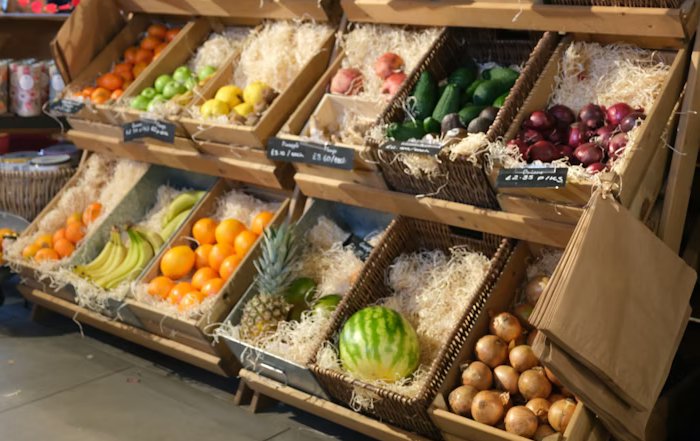
Guide to Plastic-Free Grocery Shopping
Plastic-Free Grocery Shopping as a Strategic Choice
Now plastic-free grocery shopping has evolved from a niche lifestyle preference into a strategic decision that reflects both individual values and broader corporate responsibility. Across North America, Europe, Asia-Pacific and emerging markets, consumers, retailers and regulators are converging around a shared recognition that single-use plastics are no longer compatible with a resilient, low-carbon, circular economy. For eco-natur.com, which has consistently positioned itself at the intersection of environmental integrity, practical guidance and business insight, plastic-free grocery shopping is not just an ethical aspiration; it is a concrete, measurable pathway toward more comprehensive sustainable living that aligns personal choices with global sustainability goals.
This guide approaches plastic-free grocery shopping from a business-grade perspective, focusing on experience, expertise, authoritativeness and trustworthiness. It examines how households and organizations can reduce plastic dependence in ways that are realistic across different countries and regions, while also exploring how retailers, food producers and logistics providers can respond to shifting expectations. As regulatory frameworks tighten in the European Union, the United States, United Kingdom, Germany, Canada, Australia, Japan, South Korea, Singapore and beyond, and as investors increasingly evaluate companies through environmental, social and governance criteria, plastic-free grocery behavior is becoming a tangible signal of both consumer demand and corporate performance.
Understanding the Plastic Problem in the Global Grocery System
The modern grocery system has been built around plastic for reasons of convenience, cost, hygiene and shelf life. Yet the same material advantages that made plastics ubiquitous now underpin a series of systemic risks. According to the United Nations Environment Programme, global plastic production has continued to increase, with packaging remaining one of the dominant uses, and grocery-related materials-bags, films, trays, bottles and sachets-constituting a significant share of post-consumer waste. Readers can explore the broader environmental context through resources that explain global plastic pollution, including how microplastics are now found in oceans, soils, air and even human blood.
Scientific studies summarized by the World Health Organization have raised concerns about the potential health implications of microplastics and chemical additives migrating from food packaging, particularly in relation to endocrine disruption and long-term exposure. While research is ongoing and risk assessments remain complex, the direction of travel is clear: regulators and health professionals are pushing for precautionary approaches that reduce unnecessary plastic contact with food and minimize environmental leakage. Those interested in the evolving medical and toxicological perspective can review WHO's materials on microplastics and health.
At the same time, the waste management infrastructure in many countries is not designed to cope with the volume and complexity of plastic packaging. Even in high-income regions with advanced systems, recycling rates remain low for many flexible plastics and multi-layer composites. The OECD has documented how much of the world's plastic waste is still landfilled, incinerated or mismanaged, with knock-on effects on climate, biodiversity and local communities; business readers can explore OECD analysis on global plastics outlook. This reality underscores why plastic-free grocery strategies must go beyond symbolic gestures and instead focus on systemic reduction, redesign and reuse.
From Awareness to Action: The Role of Households and Businesses
For many readers of eco-natur.com, the starting point is often a personal desire to reduce environmental impact at home, which then extends into expectations for employers, favorite brands and local retailers. Plastic-free grocery shopping offers a tangible entry point into broader sustainability, because it touches everyday decisions about food, health, convenience, cost and time. When households bring their own containers, choose unpackaged produce or support retailers that invest in refill systems, they are not only cutting waste but also sending clear market signals that influence product design and store operations.
From a business perspective, these consumer behaviors are increasingly material. Retailers and food manufacturers that ignore the shift risk reputational damage, regulatory non-compliance and stranded assets in outdated packaging lines. Conversely, those that treat plastic reduction as a core element of their sustainable business strategy can differentiate their brands, build customer loyalty and unlock efficiencies through better material use and logistics. Executive teams monitoring this transition can benchmark their efforts against frameworks such as the Ellen MacArthur Foundation's circular economy initiatives, where companies commit to reusable packaging models and reduced virgin plastic; leaders can learn more about circular packaging commitments.
In practice, this means aligning household-level actions with organizational policies. Employees who are accustomed to shopping with reusable bags, glass jars and metal containers are more likely to support and advocate for similar systems in workplace cafeterias, corporate events and supplier contracts. This alignment between personal behavior and corporate culture enhances authenticity and helps organizations demonstrate genuine commitment rather than superficial "greenwashing."
Designing a Plastic-Free Grocery Strategy at Home
Transitioning to plastic-free grocery shopping is most effective when approached as a structured strategy rather than an improvised experiment. The first step is to understand current purchasing patterns: which items routinely arrive in plastic, which are available in alternative formats and which are genuinely difficult to source without plastic in a given region. Many readers find it useful to conduct a simple household audit by examining a week's worth of kitchen waste and identifying the most common packaging types. This diagnostic approach reflects the same analytical mindset that businesses apply to material flow assessments, and it provides a baseline for measuring progress over time.
Once the main sources of plastic waste are clear, households can prioritize high-impact changes. Replacing single-use plastic bags with durable cloth or recycled-material bags is typically straightforward, as most supermarkets in the United States, United Kingdom, Germany, Canada, Australia, France, Italy, Spain, Netherlands, Switzerland, Sweden, Norway, Denmark, Japan, South Korea and New Zealand already support or mandate such shifts. Further gains come from switching to bulk or refill options for staples such as grains, legumes, nuts, spices and cleaning products, often using glass jars or stainless steel containers. For readers seeking a broader lifestyle framework, eco-natur.com offers guidance on zero-waste and low-plastic habits that can be integrated into daily routines.
Another strategic element is menu planning. By designing weekly meals around minimally packaged ingredients-fresh produce, loose bakery items, refillable pantry staples and locally sourced products-households can reduce last-minute purchases that rely heavily on plastic-wrapped convenience foods. This approach is particularly relevant for families balancing work commitments and time constraints, as it highlights the importance of systems thinking: planning, storage and cooking practices must evolve together if plastic-free shopping is to remain practical and affordable.
The Importance of Reuse Systems and Durable Alternatives
A core insight from both household and corporate sustainability efforts is that simply swapping one disposable material for another rarely delivers meaningful environmental benefits. The emphasis must shift from single-use to durable reuse systems. In the grocery context, this means investing in high-quality containers, bags and bottles that can withstand repeated use over several years without compromising safety or functionality. Stainless steel, borosilicate glass and robust food-grade silicone are often preferred for their durability, ease of cleaning and resistance to staining or odor absorption.
Research compiled by the European Environment Agency has highlighted the importance of lifecycle analysis when comparing packaging options, showing that reusable containers must be used a sufficient number of times to offset their higher production impacts. Readers interested in the quantitative aspects can explore EEA insights on packaging and the environment. This reinforces the value of deliberate purchasing: selecting a smaller set of versatile, long-lasting items rather than accumulating many specialized containers that are rarely used.
For businesses, reuse systems are emerging as a strategic differentiator. Some supermarket chains and independent grocers in Europe, North America and Asia are piloting container-return schemes, where customers borrow standardized containers for deli items, prepared foods or beverages and return them on subsequent visits. These models, inspired in part by traditional milk bottle systems, require careful design of logistics, cleaning protocols and customer interfaces, but they offer significant potential for reducing packaging waste while maintaining convenience. The World Economic Forum has profiled several such initiatives as part of its circular economy work; executives can review case studies on reuse and refill systems.
Navigating Regional Differences and Infrastructure Constraints
Because eco-natur.com serves a global audience, it is essential to recognize that plastic-free grocery strategies vary considerably across regions. In cities such as Berlin, Amsterdam, Copenhagen, Stockholm, London, New York, Toronto, Sydney, Singapore and Tokyo, consumers often have access to specialized zero-waste stores, bulk retailers and farmers' markets that support low-plastic shopping. In these contexts, the challenge is less about availability and more about integrating new routines into busy urban lifestyles.
In contrast, in many parts of Asia, Africa and South America, informal markets, street vendors and small neighborhood shops remain central to food distribution, and packaging practices may differ significantly from Western supermarket norms. In some cases, fresh produce and grains are already sold loose, which can facilitate plastic reduction if customers bring their own containers; in other cases, low-cost single-use plastics are deeply embedded in supply chains due to a lack of alternatives and limited waste management infrastructure. Organizations such as the World Bank have documented how improving waste systems and supporting sustainable packaging in developing economies is essential for both environmental protection and social well-being; readers can learn more about global solid waste management challenges.
Policy frameworks also shape what is possible. The European Commission has implemented directives on single-use plastics and packaging waste, driving innovation in alternatives and extended producer responsibility schemes, which can be explored through official resources that outline EU plastic and packaging regulations. Meanwhile, some U.S. states and Canadian provinces have adopted local bans or fees on plastic bags and certain types of food packaging, creating a patchwork of regulations that multinational retailers must navigate carefully. For business leaders, understanding these regional variations is critical to designing scalable plastic-reduction strategies that remain compliant and cost-effective.
Integrating Plastic-Free Choices with Health and Organic Food
Plastic-free grocery shopping intersects closely with health-conscious and organic purchasing decisions. Many consumers who prioritize organic produce, whole foods and minimally processed ingredients also express concern about the chemical additives and potential contaminants associated with plastics. While the science is still evolving, the desire to minimize unnecessary exposure aligns with broader public health guidance that encourages fresh, unprocessed foods and safe storage practices. Readers can connect these themes through eco-natur.com's resources on organic food and sustainable diets, which emphasize both nutritional quality and environmental impact.
Health authorities such as the U.S. Food and Drug Administration and the European Food Safety Authority provide regulatory oversight on food contact materials, evaluating substances such as bisphenols and phthalates. Those interested in the regulatory perspective can review FDA information on food packaging and food contact substances and consult EFSA's guidance on food contact materials. For many consumers and businesses, however, the focus is shifting from compliance with minimum standards to proactive risk reduction, where plastic-free or low-plastic packaging is seen as an additional quality attribute alongside organic certification, fair trade and local sourcing.
From a nutritional standpoint, plastic-free shopping often encourages more deliberate cooking and meal preparation, as it relies less on heavily packaged ready meals and more on basic ingredients. This can support healthier dietary patterns when combined with evidence-based guidance from organizations such as the Harvard T.H. Chan School of Public Health, which offers resources that explain healthy eating patterns and whole foods. For eco-natur.com, this convergence of environmental and health benefits reinforces the platform's holistic approach, where sustainability is not treated as a separate domain but as an integral part of overall quality of life.
Connecting Plastic-Free Shopping with Recycling and Circular Economy
While the primary goal of plastic-free grocery shopping is to reduce reliance on plastic in the first place, recycling remains an important complementary strategy. Even highly committed households and retailers will encounter some packaging that is difficult to avoid, whether due to regulatory hygiene requirements, supply chain constraints or limited local options. In these cases, effective sorting and recycling can minimize environmental harm and support the transition toward a circular economy. Readers can deepen their understanding of material flows and practical steps through eco-natur.com's dedicated section on recycling and resource recovery.
International bodies such as the International Solid Waste Association and the UN Environment Programme have emphasized that recycling alone cannot solve the plastic crisis, yet it plays a vital role when combined with reduction and reuse. Businesses designing packaging for foods and household products are increasingly adopting "design for recycling" principles, such as using mono-materials, avoiding problematic additives and incorporating clear labeling. Technical guidance on these topics is available from organizations like WRAP in the UK, which provides industry-oriented resources to support recyclable and reusable packaging design.
For consumers, understanding local recycling rules is essential, as systems vary widely by municipality and country. Mis-sorted items can contaminate entire batches of recyclables, undermining the effectiveness of the system. By prioritizing plastic-free options and then responsibly recycling any remaining materials, households contribute to a broader circular model that aligns with eco-natur.com's insights on sustainable economy and resource efficiency.
Biodiversity, Wildlife Protection and the Grocery Connection
Plastic-free grocery shopping is closely linked to the protection of biodiversity and wildlife, even though this connection is not always immediately visible at the supermarket shelf. Discarded plastic packaging can travel through rivers and drainage systems to reach oceans, where it poses serious threats to marine life through ingestion, entanglement and habitat degradation. Terrestrial wildlife is similarly affected when plastic waste accumulates in fields, forests and urban green spaces. Readers interested in the ecological dimensions can explore eco-natur.com's coverage of wildlife and biodiversity and ecosystem protection.
Organizations such as WWF and the International Union for Conservation of Nature (IUCN) have documented the impacts of plastic pollution on species and habitats worldwide, including iconic animals such as sea turtles, seabirds and marine mammals. Those seeking further evidence can review WWF's resources on plastics and oceans or consult IUCN's reports on marine plastic pollution. By reducing the amount of plastic introduced into the system through grocery choices, consumers and businesses directly contribute to lessening these pressures on ecosystems.
In agricultural landscapes, plastic-free and low-plastic practices can also support soil health and water quality. While some agricultural plastics, such as mulching films and irrigation components, are outside the immediate scope of grocery shopping, consumer demand for products grown with sustainable methods can indirectly influence farming practices. As interest grows in regenerative agriculture and organic certification, retailers and brands that minimize plastic packaging while promoting environmentally responsible farming can position themselves as allies in the broader effort to restore ecological resilience.
The Business Case for Plastic-Free Grocery Practices
For corporate readers, the financial and strategic rationale for embracing plastic-free grocery practices is becoming increasingly compelling. Regulatory risks are rising as governments introduce bans, taxes and extended producer responsibility schemes that internalize the costs of waste management and pollution. Investors and lenders are scrutinizing packaging footprints as part of climate and nature-related risk assessments, informed by frameworks such as the Taskforce on Nature-related Financial Disclosures (TNFD). Companies that proactively redesign their packaging portfolios and invest in refill and reuse systems are better positioned to meet emerging disclosure expectations and avoid abrupt, costly adjustments later.
Consumer expectations also play a decisive role. Market research from organizations such as McKinsey & Company and Deloitte has shown that sustainability attributes, including reduced plastic packaging, influence purchasing decisions, particularly among younger demographics and higher-income segments. Business leaders can learn more about consumer demand for sustainable packaging to inform product and brand strategies. For retailers, visible commitments to plastic reduction-such as dedicated refill zones, clear labeling of low-plastic products and transparent reporting-can translate into higher customer loyalty and differentiation in competitive markets.
Operational efficiencies provide another dimension of the business case. Although transitioning away from single-use plastics can entail upfront investment in new equipment, supplier relationships and staff training, it can also reduce long-term material costs, waste disposal fees and regulatory compliance burdens. By aligning plastic-free initiatives with broader sustainable business models, organizations can capture synergies in logistics, inventory management and brand reputation. For eco-natur.com, these developments underscore the importance of treating plastic-free grocery practices as an integrated element of corporate strategy rather than an isolated environmental project.
Looking Ahead: Plastic-Free Grocery Shopping as Part of a Wider Transformation
As 2026 progresses, plastic-free grocery shopping is increasingly understood as one component of a wider transformation in how societies produce, distribute and consume food and everyday goods. It intersects with renewable energy adoption, low-carbon logistics, digital supply chain transparency, regenerative agriculture and evolving consumer health priorities. Readers who wish to situate their personal or organizational efforts within this broader context can explore eco-natur.com's coverage of renewable energy transitions, lifestyle change and global sustainability trends.
The shift away from plastic-intensive grocery systems will not be uniform or instantaneous. It will depend on local infrastructure, regulatory frameworks, cultural norms and economic conditions. However, the direction is clear: stakeholders across the value chain-from farmers and packaging designers to retailers, policymakers and consumers-are moving toward models that prioritize resource efficiency, health, resilience and ecological integrity. In this context, plastic-free grocery shopping becomes both a symbol and a practical tool for change, demonstrating how everyday decisions can align with high-level sustainability objectives.
For eco-natur.com, the mission is to provide credible, actionable guidance that bridges personal behavior and systemic transformation. By combining insights on plastic-free practices, recycling, organic food, wildlife protection and sustainable business, the platform supports readers in making informed choices that reflect both their values and the realities of global supply chains. As more households and organizations adopt plastic-free grocery habits, they contribute not only to cleaner oceans and healthier communities, but also to a more stable and equitable economic system that recognizes the true value of natural capital and human well-being.
