
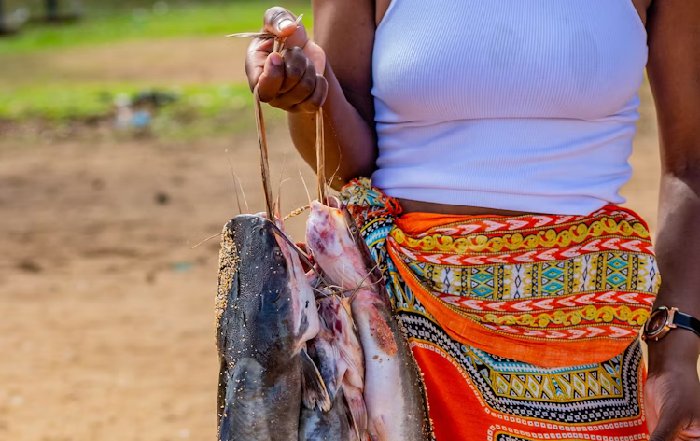
Supporting Sustainable Fisheries in a Changing Global Economy
Why Sustainable Fisheries Matter
Sustainable fisheries have become a central test of whether the global economy can genuinely align ecological limits with long-term prosperity, and for eco-natur.com, which is dedicated to advancing responsible living and resilient business models, the ocean is no longer a distant abstraction but a decisive arena where sustainability succeeds or fails. As climate change, overfishing, plastic pollution and geopolitical tensions place mounting pressure on marine ecosystems from the North Atlantic and the Mediterranean to the Pacific and Southern Oceans, the way societies manage fisheries now will determine not only the future of seafood supply, but also the health of coastal communities, global food security, biodiversity and the credibility of sustainability commitments made by governments and corporations alike.
The world's oceans provide a critical source of protein for billions of people, underpin livelihoods for tens of millions of fishers and workers in processing and logistics, and contribute significantly to national economies in regions as diverse as the United States, the United Kingdom, Germany, Canada, Australia, France, Italy, Spain, the Netherlands, Switzerland, China, Sweden, Norway, Singapore, Denmark, South Korea, Japan, Thailand, Finland, South Africa, Brazil, Malaysia, New Zealand and across wider Europe, Asia, Africa, South America and North America. According to the Food and Agriculture Organization of the United Nations (FAO), global per capita fish consumption has more than doubled since the 1960s, while an increasing share of this demand is supplied by aquaculture. Learn more about global fishery and aquaculture trends at the FAO fisheries and aquaculture portal. In this context, supporting sustainable fisheries is not a niche environmental concern; it is a strategic economic and social imperative that intersects with the themes of sustainable living, sustainability and responsible consumption that shape the mission of eco-natur.com.
The State of Global Fisheries: Risk and Opportunity
By 2026, the scientific consensus has become unequivocal: many of the world's wild fish stocks are under severe stress due to chronic overfishing, destructive fishing methods, illegal and unreported catches, and accelerating climate impacts that alter ocean temperatures, currents and habitats. The Intergovernmental Panel on Climate Change (IPCC) has documented how warming oceans and acidification are shifting species distributions and undermining the resilience of marine ecosystems. An overview of these climate-ocean interactions is available from the IPCC reports on oceans and cryosphere. At the same time, there are clear examples of successful recovery when science-based management and enforcement are implemented, demonstrating that sustainable fisheries are achievable when political will, economic incentives and community engagement are aligned.
In regions such as the United States and the European Union, strengthened fisheries management frameworks have helped rebuild several stocks, illustrating how robust quotas, monitoring and ecosystem-based approaches can reverse decline. The National Oceanic and Atmospheric Administration (NOAA) provides detailed data on U.S. stock status and recovery stories, which can be explored through its sustainable fisheries resources. Similarly, the European Commission reports progress and remaining challenges under the Common Fisheries Policy, which aims to maintain or restore fish populations to sustainable levels. More information on EU actions can be found in the European Commission's fisheries pages. These experiences matter for a global audience because they demonstrate that sustainable fisheries are not an abstract ideal but a realistic policy and business pathway that can be adapted to diverse national contexts, from Norway and Iceland to South Africa, Brazil and Indonesia.
For eco-natur.com, which serves readers interested in sustainable business, economy and wildlife, the evolving state of global fisheries underscores the need to integrate ecological science with economic strategy, ensuring that marine biodiversity is treated as a foundational asset rather than an expendable resource. This perspective is central to the principles of Experience, Expertise, Authoritativeness and Trustworthiness, as it recognizes that credible guidance on sustainable fisheries must be grounded in empirical evidence and real-world outcomes rather than aspirational rhetoric.
Defining Sustainable Fisheries in Practice
Sustainable fisheries are often described in broad terms, but in practice they rest on a concrete set of principles that connect ecological limits, social equity and economic viability. At their core, sustainable fisheries ensure that fishing activities do not compromise the ability of fish populations to reproduce and maintain healthy age structures, that habitats such as coral reefs, seagrass beds and mangroves are not irreversibly damaged by gear or pollution, and that the rights and livelihoods of local communities and future generations are respected. These principles are aligned with the United Nations Sustainable Development Goals (SDGs), particularly SDG 14 on Life Below Water, which calls for the conservation and sustainable use of oceans, seas and marine resources. Further insight into global targets for oceans can be found through the UN SDG 14 overview.
Organizations such as the Marine Stewardship Council (MSC) have developed certification schemes that translate these principles into measurable standards, allowing fisheries that meet rigorous criteria to label their products as sustainably sourced. The MSC's approach is based on stock status, ecosystem impacts and effective management, and has influenced both retailers and consumers worldwide. Detailed information on these standards is available at the MSC official website. For eco-conscious readers of eco-natur.com, understanding the underlying science and governance of such certifications is essential, because labels are only as credible as the data, monitoring and enforcement that support them, and informed purchasing decisions depend on this transparency.
Sustainable fisheries also intersect with broader concepts promoted by eco-natur.com, such as zero waste, plastic-free living and circular resource use. Minimizing bycatch, reducing discards, optimizing processing to use more of each fish, and designing supply chains that limit spoilage and waste are all extensions of the same mindset that values efficiency, responsibility and long-term stewardship. This integrated view positions sustainable fisheries not as a standalone issue, but as a component of a holistic sustainable lifestyle and economic system.
Environmental Pressures: Overfishing, Plastic and Climate
The environmental pressures on global fisheries are multifaceted and interconnected, and any serious strategy to support sustainability must address this complexity rather than focusing on isolated symptoms. Overfishing remains a central challenge, with some regions still experiencing high levels of illegal, unreported and unregulated fishing that undermines both conservation and legitimate economic activity. The World Wildlife Fund (WWF) has highlighted how excessive fishing effort and weak governance can push species toward collapse, and its analyses of key marine ecosystems provide a global perspective on risk and recovery, which can be explored through the WWF oceans and fisheries pages.
At the same time, plastic pollution has emerged as a pervasive threat that not only harms marine wildlife but also affects the integrity of seafood supply chains. Microplastics have been detected in a wide range of fish and shellfish species, raising concerns for both ecosystem health and human consumption. The United Nations Environment Programme (UNEP) has documented the scale of marine plastic pollution and its impacts on biodiversity and coastal economies, and further information is available at the UNEP marine litter initiative. For the community around eco-natur.com, which is committed to plastic-free solutions and recycling, addressing marine plastics is a natural extension of existing concerns about waste and pollution on land.
Climate change compounds these challenges by altering ocean temperatures, deoxygenating waters and exacerbating extreme events, all of which disrupt fish migration patterns, spawning grounds and food webs. The National Aeronautics and Space Administration (NASA) provides accessible visualizations and analyses of ocean warming and sea level trends that illustrate the scale and pace of change, available through its climate change and oceans resources. These environmental pressures are not evenly distributed; they manifest differently in the Arctic, the tropics and temperate regions, with particular vulnerability in small island developing states and coastal communities that rely heavily on fisheries for livelihoods and nutrition. For a global readership spread across Europe, Asia, Africa, the Americas and Oceania, this variability underscores the importance of context-specific strategies, informed by local data and traditional knowledge as well as global science.
Social and Economic Dimensions of Sustainable Fisheries
Supporting sustainable fisheries is not solely an ecological endeavor; it is a socio-economic challenge that touches labor rights, community resilience, food security and national development strategies. In many regions, small-scale and artisanal fisheries play a vital role in providing employment and affordable protein, particularly in coastal communities in Africa, Asia and Latin America where alternative livelihoods may be limited. The World Bank has emphasized the economic importance of fisheries and the potential gains from better management, estimating that restoring overfished stocks could generate substantial increases in revenue and jobs. An overview of the economic case for sustainable fisheries can be found in the World Bank's fisheries and aquaculture resources.
However, the transition toward sustainability can create short-term disruptions, especially when catch limits must be reduced to allow stocks to recover, or when destructive gear types are phased out. For policymakers and businesses, the challenge is to design transition pathways that protect vulnerable workers and communities while still achieving ecological goals. This requires investment in alternative livelihoods, value-added processing, improved market access and social protection measures, particularly in countries where regulatory capacity is limited. For readers of eco-natur.com interested in the interplay between economy and environmental responsibility, this highlights the need for integrated strategies that recognize fisheries as part of broader coastal and national development plans rather than treating them as isolated sectors.
Labor conditions in fishing and processing also demand attention, as cases of exploitation, unsafe working environments and even forced labor have been documented in some global supply chains. Sustainable fisheries must therefore incorporate social safeguards and human rights due diligence, aligning with emerging regulations in the European Union, the United States and other jurisdictions that require companies to demonstrate responsible sourcing. The International Labour Organization (ILO) provides conventions and guidance on decent work in fishing, accessible through its fishing sector resources. For a business-oriented audience, understanding these social expectations is essential for maintaining brand reputation, investor confidence and regulatory compliance.
The Role of Policy, Governance and International Cooperation
Effective governance is the backbone of sustainable fisheries, and by 2026, a complex architecture of national laws, regional agreements and international frameworks has evolved to manage shared marine resources. National fisheries policies set catch limits, define access rights and regulate gear, while regional fisheries management organizations coordinate among countries that exploit the same stocks, particularly for highly migratory species such as tuna. International agreements, including the UN Fish Stocks Agreement and the Port State Measures Agreement, aim to combat illegal fishing and promote science-based management. An overview of these instruments is available through the UN Food and Agriculture Organization's legal and policy resources.
For countries such as the United States, the United Kingdom, Norway, Japan and others with advanced monitoring and enforcement capabilities, implementing robust fisheries management has yielded demonstrable benefits in stock recovery and economic stability. Yet many developing nations face capacity constraints, limited data and competing priorities, which can undermine the effectiveness of regulations even when they exist on paper. This is where international cooperation, technical assistance and financing play a crucial role, enabling countries to strengthen data collection, monitoring, control and surveillance systems, and to develop participatory governance models that include small-scale fishers, indigenous communities and civil society organizations.
For the global community that eco-natur.com serves, policy and governance are not distant bureaucratic concerns but critical determinants of whether personal and corporate sustainability choices can have meaningful impact. Even the most responsible consumer behavior cannot compensate for systemic failures in governance, which is why informed advocacy, engagement with policymakers and support for transparency initiatives are essential components of a credible sustainability strategy. Readers who wish to understand how governance reforms are progressing in different regions can consult resources from the Organisation for Economic Co-operation and Development (OECD) on fisheries policy, available through the OECD fisheries and aquaculture portal.
Corporate Responsibility, Certification and Market Transformation
In 2026, the private sector wields considerable influence over the trajectory of global fisheries, as major retailers, food service companies and seafood brands shape demand, set sourcing standards and influence supply chain practices across continents. Many large corporations have adopted sustainable seafood commitments, often anchored in third-party certifications such as those of the Marine Stewardship Council for wild capture and the Aquaculture Stewardship Council (ASC) for farmed seafood. Information on responsible aquaculture standards can be found at the ASC official website. These commitments have helped drive improvements in some fisheries and aquaculture operations, particularly where market access to high-value consumers in Europe, North America and parts of Asia depends on meeting stringent sustainability criteria.
However, certification alone is not a panacea, and credible corporate responsibility requires going beyond label compliance to address broader issues such as greenhouse gas emissions, plastic packaging, waste, and the social conditions of workers across the value chain. For readers of eco-natur.com focused on sustainable business and sustainable living, this means evaluating seafood choices in the context of overall corporate behavior, including transparency on supply chain traceability, investment in fishery improvement projects and engagement with local communities. Independent assessments by organizations such as Seafood Watch, which provides science-based recommendations on responsible seafood choices, can help consumers and businesses navigate complex product landscapes; more information is available via the Seafood Watch program.
Market transformation also involves innovation in product development and distribution, including plant-based and cell-cultured seafood alternatives that may reduce pressure on wild stocks if they can achieve scale, affordability and consumer acceptance. While these technologies are still evolving, they are part of a broader shift toward diversified protein systems that can complement sustainable wild capture and aquaculture. For a platform like eco-natur.com, which explores emerging trends in organic food and responsible consumption, tracking these developments is essential to provide readers with informed, forward-looking perspectives on the future of seafood and dietary choices.
Consumers, Communities and the Power of Informed Choices
Individual and community decisions play a significant role in supporting sustainable fisheries, particularly in an era when digital tools, labeling schemes and corporate transparency give consumers more information than ever before about the origins and impacts of their purchases. In markets across the United States, United Kingdom, Germany, France, Italy, Spain, the Netherlands, Scandinavia, Canada, Australia, New Zealand and parts of Asia, consumers are increasingly seeking assurances that the seafood they buy is responsibly sourced, free from harmful chemicals and aligned with ethical labor standards. This shift in demand has influenced retailers to prioritize certified products, invest in traceability systems and collaborate with NGOs and scientific institutions.
For the audience of eco-natur.com, aligning seafood choices with broader commitments to sustainable living, health and sustainability involves considering not only whether a product is labeled sustainable, but also how it fits into a diet that balances nutritional needs, environmental impacts and cultural preferences. The Harvard T.H. Chan School of Public Health offers guidance on the health benefits and risks of fish consumption, which can be explored through its nutrition and fish resources. Communities can further support sustainable fisheries by participating in local seafood cooperatives, community-supported fisheries and coastal stewardship initiatives that strengthen the connection between consumers and producers and enhance accountability.
Education and awareness remain crucial, particularly in regions where information about sustainable seafood is less accessible or where price sensitivity is high. Schools, universities, NGOs and media platforms can help bridge this gap by providing clear, science-based information and by highlighting positive examples of fisheries and communities that have successfully transitioned to sustainable practices. For eco-natur.com, which positions itself as a trusted resource on global environmental and economic issues, contributing to this educational ecosystem is both a responsibility and an opportunity to empower readers worldwide to make choices that reinforce, rather than undermine, sustainable marine management.
Integrating Fisheries into Broader Sustainability and Climate Strategies
Sustainable fisheries cannot be pursued in isolation from broader environmental and economic strategies, particularly as governments and businesses strive to meet climate targets, biodiversity commitments and circular economy goals. Oceans play a critical role in carbon cycling and climate regulation, and healthy fish populations and habitats such as mangroves, seagrasses and salt marshes contribute to so-called blue carbon ecosystems that sequester significant amounts of carbon. The International Union for Conservation of Nature (IUCN) has documented the importance of these habitats and the need to integrate them into climate and conservation policies, which can be explored through the IUCN blue carbon resources.
For countries and regions advancing renewable energy deployment, such as offshore wind in the North Sea, Baltic Sea, U.S. Atlantic coast and parts of Asia, careful spatial planning is required to balance energy development with fisheries, biodiversity and navigation. This underscores the need for integrated marine spatial planning that considers multiple uses of ocean space and seeks win-win solutions where possible. The International Renewable Energy Agency (IRENA) provides insights into the growth of offshore renewables and their interactions with marine environments, accessible via the IRENA offshore renewables portal. For readers of eco-natur.com interested in renewable energy, understanding these interactions is vital, as the energy transition should reinforce, not compromise, the sustainability of the oceans.
At the local and regional levels, integrating fisheries into broader sustainability strategies involves aligning coastal development, tourism, agriculture and urban planning with the health of marine ecosystems. Runoff from agriculture, untreated wastewater and poorly managed tourism infrastructure can all degrade coastal waters and fish habitats, undermining fisheries even if direct fishing pressure is managed responsibly. This reinforces the importance of cross-sector collaboration and holistic policy design, themes that resonate strongly with the interdisciplinary approach promoted by eco-natur.com across its coverage of biodiversity, design and sustainable lifestyles.
A Forward Path for Eco-Natur.com and Its Global Audience
As 2026 unfolds, supporting sustainable fisheries stands out as a defining challenge and opportunity for governments, businesses, communities and individuals across the world, and for eco-natur.com, it represents a domain where its commitment to Experience, Expertise, Authoritativeness and Trustworthiness can have tangible impact. By providing clear, evidence-based analysis, highlighting best practices from different regions, and connecting fisheries to broader themes of sustainable living, plastic reduction, recycling, wildlife protection, organic food and resilient economies, the platform can help its global audience understand that their choices and voices matter, whether they live in coastal towns or inland cities, in the Global North or the Global South.
The path forward requires sustained collaboration among organizations such as FAO, NOAA, European Commission, WWF, MSC, ASC, UNEP, World Bank, ILO, IUCN and many others, alongside national governments, local communities and responsible companies. It also demands that consumers stay informed, ask critical questions about where and how their seafood is produced, and support policies and practices that prioritize long-term ecological health over short-term gains. For those engaged with eco-natur.com, this is an invitation to integrate ocean awareness into daily decisions, professional strategies and civic engagement, recognizing that the future of sustainable fisheries is inseparable from the broader quest for a just, low-carbon, nature-positive global economy.
In this sense, supporting sustainable fisheries is not merely about protecting a resource; it is about redefining the relationship between humanity and the oceans in a way that honors the intricate web of life beneath the surface, safeguards the livelihoods of those who depend on it, and ensures that future generations inherit seas that are abundant, diverse and resilient. Through continued exploration of sustainable living, sustainability and the many interconnected themes presented across eco-natur.com, readers around the world can contribute to this transformation, turning knowledge into action and commitment into lasting change for the world's fisheries and the communities they sustain.
