
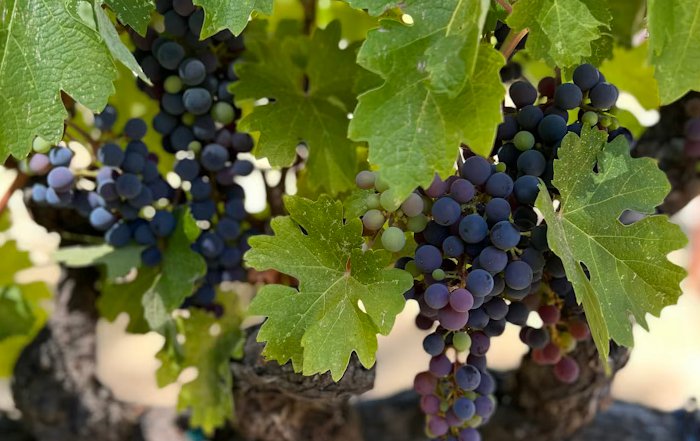
Organic Viticulture and Sustainable Wineries: Building a Regenerative Wine Economy
The Strategic Importance of Organic Viticulture Today
Organic viticulture has evolved from a niche agricultural practice into a strategic pillar for forward-looking wineries, investors, and policymakers across North America, Europe, Asia-Pacific, and beyond. As climate volatility, water scarcity, shifting consumer expectations, and regulatory pressures converge, vineyards that once focused solely on yield and sensory quality now find themselves judged on their carbon footprint, biodiversity impact, and social responsibility. For the global audience of eco-natur.com, whose interests span sustainable living, responsible business, organic food, and resilient economies, the transformation underway in the wine sector offers a compelling lens on how sustainability can be embedded into a premium, globally traded product.
Organic viticulture is no longer simply the avoidance of synthetic pesticides and fertilizers; it has become a sophisticated, science-informed system that integrates soil health, ecosystem services, circular resource use, and community well-being. Industry leaders in the United States, United Kingdom, Germany, Canada, Australia, France, Italy, Spain, Netherlands, Switzerland, China, Sweden, Norway, Singapore, Denmark, South Korea, Japan, Thailand, Finland, South Africa, Brazil, Malaysia, and New Zealand are recognizing that vineyards can serve as living laboratories for regenerative agriculture, climate adaptation, and sustainable business models.
As a platform dedicated to advancing sustainable living and responsible consumption, eco-natur.com is uniquely positioned to highlight how organic viticulture and sustainable wineries are reshaping not only the wine industry, but also broader conversations about land stewardship, rural economies, and global supply chains. The sector's evolution illustrates in concrete, measurable ways what it means to align experience, expertise, authoritativeness, and trustworthiness with environmental and social performance.
Defining Organic Viticulture in a Complex Global Landscape
Organic viticulture is grounded in the principle that vineyards should function as resilient agroecosystems rather than chemically dependent monocultures. In practice, this means eliminating synthetic herbicides, fungicides, and insecticides, restricting or eliminating synthetic fertilizers, enhancing soil organic matter, and promoting natural pest control through biodiversity. Regulatory frameworks differ between regions, but they converge on the idea that organic vineyards must rely on ecological processes rather than industrial chemical inputs.
In the European Union, organic wine production is governed by stringent regulations that define both vineyard and cellar practices, while organizations such as Ecocert and AB (Agriculture Biologique) in France, Soil Association in the United Kingdom, and Bioland and Naturland in Germany provide additional certification layers that many wineries pursue to signal higher standards to consumers. In North America, the USDA National Organic Program and Canada Organic Regime set the baseline for organic labeling, with some producers going further into biodynamic or regenerative certifications. Interested readers can review how organic rules are codified in major markets by consulting resources such as the USDA organic regulations and the European Commission's organic farming framework.
In Asia and Latin America, the picture is more diverse, with rapidly growing organic vineyard areas in Chile, Argentina, South Africa, and emerging initiatives in China and Brazil, often aligned with export ambitions to Europe and North America. As global demand for transparency and authenticity rises, wineries in these regions recognize that robust organic and sustainability credentials are no longer optional for accessing premium markets.
Beyond organic certification, many wineries are adopting complementary standards focusing on environmental, social, and governance (ESG) performance. Programs such as B Corp Certification, Sustainable Winegrowing Australia, California Sustainable Winegrowing Alliance, and Vignerons Engagés in France combine environmental metrics with labor practices, community engagement, and governance. Business leaders exploring broader frameworks for sustainability can deepen their understanding through platforms like the United Nations Global Compact and the World Business Council for Sustainable Development, which provide guidance on aligning corporate strategies with climate and biodiversity goals.
Soil Health, Biodiversity, and Climate Resilience in the Vineyard
At the heart of organic viticulture lies a focus on soil health as the foundation for vine resilience, wine quality, and long-term productivity. Healthy vineyard soils are rich in organic matter, host a diverse microbiome, and act as carbon sinks, supporting both climate mitigation and adaptation. Practices such as cover cropping, compost application, reduced tillage, and integration of livestock are increasingly common in leading organic vineyards across Europe, North America, and Oceania.
Cover crops, ranging from legumes to native grasses and flowering species, improve soil structure, fix atmospheric nitrogen, reduce erosion, and provide habitat for beneficial insects and pollinators. In regions such as Bordeaux, Tuscany, Napa Valley, and Barossa, winemakers are experimenting with species mixes tailored to local climate and soil conditions, using precision agriculture tools to monitor outcomes. Those interested in the science behind soil-carbon dynamics can explore resources from organizations such as the Rodale Institute and the Food and Agriculture Organization of the United Nations.
Biodiversity is equally central, and leading organic estates are moving beyond vineyard rows to rewild margins, restore riparian corridors, and create ecological networks that support birds, insects, and small mammals. By incorporating hedgerows, insect hotels, nesting boxes, and native vegetation, wineries are transforming landscapes once dominated by vines into mosaics that enhance ecosystem services such as pollination and natural pest control. This approach resonates with the interests of eco-natur.com readers who value wildlife protection and biodiversity as integral to sustainable land use, and it aligns with broader global efforts documented by initiatives like the Convention on Biological Diversity.
Climate resilience is now a strategic imperative for wine regions worldwide, as shifting temperature and precipitation patterns alter ripening windows, disease pressures, and water availability. Organic vineyards, with their emphasis on soil organic matter and diversified ecosystems, are better positioned to buffer against heatwaves, droughts, and intense rainfall events. Research from institutions such as the Intergovernmental Panel on Climate Change and the International Organisation of Vine and Wine underscores how adaptive practices in viticulture can reduce risk and protect livelihoods, particularly in vulnerable regions of Europe, Africa, Asia, and South America.
Water, Energy, and Resource Efficiency in Sustainable Wineries
Modern sustainable wineries treat resource efficiency as both an environmental responsibility and a business advantage. Water usage, in particular, has become a critical metric as many wine regions face growing competition for limited freshwater resources. Organic vineyards increasingly adopt deficit irrigation strategies, soil moisture monitoring, mulching, and drought-tolerant rootstocks to reduce water use while maintaining grape quality. In cellar operations, closed-loop cleaning systems, rainwater harvesting, and wastewater treatment technologies allow wineries to recycle process water and minimize discharge impacts.
Energy management is another pillar of sustainable wineries. Many leading estates in Germany, France, Italy, United States, Australia, and New Zealand have installed solar photovoltaic systems, geothermal cooling, and energy-efficient equipment to reduce their reliance on fossil fuels. Some have even achieved net-zero or near net-zero energy status, demonstrating how renewable energy solutions can be integrated into agricultural and industrial operations without compromising performance. Platforms such as the International Renewable Energy Agency and the International Energy Agency provide deeper insights into how these technologies are scaling across sectors and regions.
Resource efficiency extends beyond water and energy to materials and packaging, a domain where wineries are under increasing scrutiny from regulators and consumers. Lightweight glass bottles, recycled-content packaging, cork and alternative closures from responsibly managed forests, and the reduction of single-use plastics are now central components of many wineries' sustainability roadmaps. Given eco-natur.com's strong emphasis on plastic-free lifestyles and waste reduction, the wine sector's move away from unnecessary plastics in caps, labels, and logistics is particularly relevant. Initiatives such as the Ellen MacArthur Foundation's circular economy programs and the New Plastics Economy offer frameworks that wineries can adapt to create more circular packaging and supply chains.
From Organic Grapes to Authentic, Sustainable Wines
Organic vineyard practices are only part of the story; sustainable wineries must also ensure that cellar operations, product formulations, and distribution channels reflect the same commitment to environmental and social responsibility. Organic wine regulations typically restrict the use of certain additives, limit sulfur dioxide levels, and prohibit practices such as the use of genetically modified organisms. However, leading producers are going further, experimenting with low-intervention and minimal-addition winemaking, while balancing the need for stability and consistency in global markets.
In France, Italy, Spain, and Germany, many renowned estates have introduced organic and biodynamic cuvées alongside their traditional offerings, positioning them as expressions of terroir that resonate with consumers seeking authenticity and environmental responsibility. In California, Oregon, Washington, British Columbia, and Ontario, a new generation of winemakers is building brands around transparency, traceability, and minimal intervention, often sharing detailed information on farming and cellar practices via digital channels and QR codes. For readers of eco-natur.com who already prioritize organic food choices, these wines represent a logical extension of dietary and lifestyle preferences into the beverage category.
Authoritative guidance on organic and sustainable wine standards is increasingly available through organizations such as Organic Trade Association, Wine Institute, and Sustainable Wine Roundtable, while consumer-facing resources like Wine Institute's sustainable winegrowing portal and the Sustainable Wine Roundtable's knowledge hub help bridge the information gap between technical practices and purchasing decisions. This transparency is critical for building trust, especially as the proliferation of labels and claims can confuse consumers and dilute the value of genuine sustainability efforts.
Economic and Business Implications of Sustainable Wineries
For business leaders and investors, the shift toward organic viticulture and sustainable wineries is not merely a matter of corporate responsibility; it is increasingly a question of competitiveness, risk management, and long-term value creation. Organic vineyards often face higher labor costs in the short term, due to manual weeding, careful canopy management, and biodiversity enhancements, but they can also command price premiums, build stronger brand loyalty, and achieve lower input costs over time as soil health improves and external inputs are reduced.
In markets such as the United States, United Kingdom, Germany, Canada, and Scandinavia, consumers are demonstrating a willingness to pay more for wines that align with their environmental and ethical values, particularly in premium and ultra-premium segments. Retailers and hospitality groups are increasingly curating sustainable wine lists, and some national monopolies in Nordic countries have adopted sustainability criteria in their procurement policies. Analysts and policymakers tracking these trends can find valuable data through the International Wine and Spirit Research and the Organisation for Economic Co-operation and Development, which examine how sustainability intersects with trade, regulation, and consumer behavior.
From a broader economic perspective, integrating sustainability into viticulture and winemaking contributes to more resilient rural economies. Organic and sustainable wineries often invest in local employment, training, and community projects, enhancing social capital and creating new opportunities in tourism, hospitality, and education. For the audience of eco-natur.com, which is deeply engaged with the relationship between sustainable business models and the wider economy, the wine sector offers a tangible case study of how environmental performance can reinforce, rather than undermine, economic viability.
Risk management is another key driver. Climate change, regulatory tightening, and shifting trade policies all pose material risks to conventional wine producers that rely heavily on synthetic inputs and water-intensive irrigation. By contrast, organic and sustainable wineries that build resilience into their systems are better equipped to absorb shocks, comply with evolving regulations, and meet investor expectations around ESG performance. Financial institutions and asset managers are increasingly incorporating such factors into lending and investment decisions, drawing on frameworks from organizations like the Principles for Responsible Investment and the Task Force on Climate-related Financial Disclosures.
Consumer Expectations, Transparency, and Trust
Trust is a central currency in the organic and sustainable wine market. Consumers in Europe, North America, Asia, and Africa are demanding greater transparency about how products are made, how workers are treated, and how environmental impacts are managed. Wineries that communicate clearly, provide verifiable data, and align their actions with their marketing narratives are building long-term relationships with customers who view wine not just as a product, but as an expression of values and identity.
Digital tools are reshaping this landscape. QR codes on labels now link to vineyard maps, soil data, biodiversity indicators, and carbon footprints, allowing wine drinkers in Singapore, Tokyo, London, New York, or Cape Town to understand the story behind a bottle in real time. Blockchain-based traceability solutions are being piloted by some producers to guarantee authenticity and combat fraud in high-value markets, particularly in China and Asia-Pacific. Those seeking to explore the broader implications of digital transparency for sustainable supply chains can consult resources from the World Economic Forum and the Global Reporting Initiative.
For eco-natur.com, which emphasizes holistic sustainability principles across lifestyle, health, and consumption, this shift towards transparency aligns closely with the expectations of a readership that wants to make informed, values-aligned purchasing decisions. Organic and sustainable wineries that demonstrate experience, expertise, and authoritativeness through open data, third-party certifications, and consistent communication are well positioned to earn and maintain that trust.
Integrating Wine into a Sustainable Lifestyle
Organic viticulture and sustainable wineries are not isolated phenomena; they intersect with broader patterns of sustainable living, from diet and health to travel and design. Wine enthusiasts who prioritize organic produce, plant-rich diets, and low-impact lifestyles increasingly view their beverage choices as part of a coherent sustainability strategy. For these consumers, a bottle of wine becomes an extension of the same principles that guide their choices around zero-waste practices, recycling and resource recovery, and sustainable lifestyle design.
Wine tourism is a particularly powerful vector for this integration. Regions such as Tuscany, Provence, Marlborough, Stellenbosch, and Napa Valley are promoting experiences that combine organic wine tastings with farm-to-table cuisine, nature walks, wildlife observation, and educational workshops on regenerative agriculture. Visitors who experience firsthand the link between vineyard practices, biodiversity, and wine quality often return home with a deeper commitment to sustainable consumption and environmental stewardship. Organizations like the Global Sustainable Tourism Council and Wine Tourism Global are working to align tourism development with sustainability criteria, helping destinations and wineries manage growth responsibly.
For readers of eco-natur.com, these developments illustrate how wine can be integrated into a broader vision of well-being that includes environmental health, community resilience, and personal fulfillment. When consumers choose wines from organic and sustainable producers, they are not only supporting better farming practices; they are also reinforcing market signals that encourage more businesses to align with the values of transparency, responsibility, and long-term thinking.
The Road Ahead: From Sustainable to Regenerative Wine Systems
Looking ahead, the most forward-thinking wineries and wine regions are beginning to frame their ambitions not merely in terms of reducing harm, but of actively restoring ecosystems and strengthening communities. This shift from "sustainable" to "regenerative" viticulture involves deeper commitments to soil carbon sequestration, landscape connectivity, water cycle restoration, and social equity. It requires collaboration across supply chains, from nurseries and cooperages to logistics providers and retailers, and it invites partnerships with scientists, NGOs, and policymakers.
Global frameworks such as the UN Sustainable Development Goals and the Paris Agreement on climate change provide a backdrop against which wine regions in Europe, Asia, Africa, South America, and North America can align their strategies, set measurable targets, and report progress. At the same time, grassroots initiatives led by growers' associations, regional consortia, and innovative producers are experimenting with new models of governance, shared infrastructure, and collaborative marketing that place sustainability and regeneration at the core of their identity.
For eco-natur.com, the story of organic viticulture and sustainable wineries offers an exemplary case study of how a traditional, culturally rich industry can reinvent itself to meet twenty-first-century challenges without losing its essence. The values that underpin organic vineyards-respect for nature, long-term thinking, craftsmanship, and community-are the same values that inform the platform's broader coverage of global sustainability issues, health, design, and responsible business. As readers explore topics from sustainable business strategy to biodiversity conservation and holistic health and well-being, the evolution of the wine sector can serve as both inspiration and practical blueprint.
In an era defined by environmental uncertainty and social transformation, organic viticulture and sustainable wineries demonstrate that it is possible to produce high-quality, culturally significant products while enhancing ecosystems, supporting communities, and building resilient economies. The challenge and opportunity for the coming decade will be to scale these practices across regions and price points, ensuring that sustainable and regenerative wines become the norm rather than the exception, and that every bottle opened around the world carries with it a story of responsibility, care, and shared future.
