
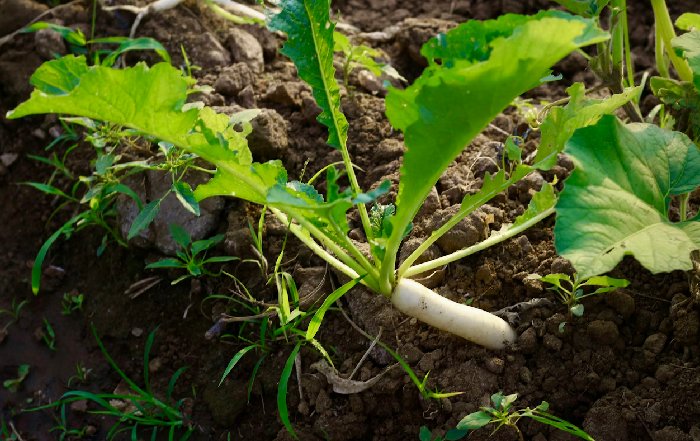
Regenerative Agriculture Techniques: Building a Climate-Resilient Food System
Regeneration as the Next Frontier of Sustainability
Regenerative agriculture has moved from niche concept to strategic priority for policymakers, corporations, investors, and communities that recognise the limits of extractive, industrial farming. While traditional sustainability has often focused on reducing harm, regenerative agriculture aims to actively restore ecosystems, rebuild soil health, increase biodiversity, and strengthen rural economies, aligning closely with the mission and editorial perspective of eco-natur.com. Instead of merely slowing environmental degradation, regenerative systems are designed to leave land, water, and communities in better condition year after year, turning agriculture into a powerful lever for climate resilience, food security, and long-term economic stability.
For readers already familiar with topics such as sustainable living, sustainability, and sustainable business, regenerative agriculture represents the practical application of these principles to the global food system, connecting everyday choices with systemic transformation. From the United States and United Kingdom to Germany, Brazil, South Africa, and across Asia-Pacific, governments and businesses are now recognising that soil is not just a medium for production but a living asset whose health underpins climate goals, public health, and economic resilience.
Defining Regenerative Agriculture in 2026
Regenerative agriculture is best understood as a set of principles and practices that enhance the capacity of agricultural ecosystems to regenerate their own fertility, biodiversity, and resilience, rather than relying on continuous external inputs. It is grounded in ecological science, but it is also shaped by centuries of Indigenous knowledge and traditional land stewardship that prioritise reciprocity with nature. While definitions vary, institutions such as The Rodale Institute and the Food and Agriculture Organization of the United Nations (FAO) converge on several core objectives: rebuilding soil organic matter, increasing biodiversity above and below ground, improving water cycles, enhancing ecosystem services, and strengthening the livelihoods and autonomy of farming communities.
In contrast to conventional monoculture systems that depend heavily on synthetic fertilisers, pesticides, and fossil fuel-intensive machinery, regenerative systems aim to work with natural processes. Learn more about global perspectives on soil health through resources from the FAO and the United Nations Environment Programme. These approaches are particularly relevant in regions facing soil degradation, water scarcity, and climate volatility, including large parts of North America, Europe, Asia, and Africa.
For eco-natur.com, which consistently explores organic food, biodiversity, and recycling, regenerative agriculture provides a unifying framework that connects consumer behaviour, corporate strategy, and public policy to the health of landscapes and communities worldwide.
Core Principles Guiding Regenerative Techniques
Although regenerative agriculture varies by climate, culture, and market conditions, most leading frameworks emphasise a shared set of guiding principles rather than rigid prescriptions. These principles are increasingly referenced by organisations such as Regeneration International, The Nature Conservancy, and World Wildlife Fund (WWF) as the foundation for credible, science-based regenerative programs.
The first principle is to minimise soil disturbance, which means reducing or eliminating mechanical tillage and avoiding excessive chemical inputs that disrupt soil biology. Healthy soils are structured, living systems populated by fungi, bacteria, and invertebrates that create stable aggregates, improve water infiltration, and support plant health. Research from institutions such as USDA's Natural Resources Conservation Service (NRCS) and Rothamsted Research in the United Kingdom has demonstrated that low-disturbance systems can significantly increase soil organic carbon over time, thereby enhancing both productivity and climate mitigation.
The second principle is to maintain continuous living roots in the soil for as much of the year as possible. This is achieved through cover crops, relay cropping, and diversified rotations that keep photosynthesis active beyond the main cash crop season. Continuous root presence feeds soil microbes with exudates, stabilises soil structure, and reduces erosion, which is particularly critical in regions vulnerable to heavy rainfall or drought, from the American Midwest to parts of Europe, China, and Australia.
The third principle is to maximise plant diversity and integrate animals where appropriate. Diversified cropping systems and agroforestry increase above-ground biodiversity, while mixed-species pastures and managed grazing stimulate below-ground diversity. This principle aligns with global efforts to reverse biodiversity loss, as highlighted by the Convention on Biological Diversity and conservation organisations such as IUCN.
The fourth principle is to integrate organic matter and nutrient cycling within the farm system itself. Composting, managed manure, and on-farm biomass recycling reduce dependency on external fertilisers and lower the risk of nutrient run-off into rivers and coastal ecosystems, a challenge particularly visible in intensive agricultural regions of Europe, North America, and East Asia.
Finally, regenerative agriculture emphasises social and economic resilience: fair labour conditions, community engagement, and business models that enable farmers and workers to share in the value created by healthier landscapes. This is where regenerative practice intersects directly with sustainable business models and the evolving green economy that eco-natur.com regularly analyses for its global audience.
Key Regenerative Techniques Reshaping Global Farming
Conservation Tillage and No-Till Systems
Conservation tillage and no-till systems are among the most widely adopted regenerative techniques in North America, Brazil, parts of Europe, and increasingly in Asia-Pacific. By reducing or eliminating ploughing, farmers preserve soil structure, reduce erosion, and protect soil microbial communities. Crop residues are left on the surface, forming a protective mulch that reduces evaporation, moderates soil temperature, and suppresses weeds.
Long-term studies by USDA NRCS and Agriculture and Agri-Food Canada indicate that no-till fields often sequester more carbon in the upper soil layers and can improve yields over time, particularly in dry regions. At the same time, these systems require careful management of cover crops, crop rotations, and integrated weed control to avoid overreliance on herbicides. Learn more about conservation tillage practices through resources from USDA NRCS and the European Commission's sustainable agriculture initiatives at europa.eu.
For businesses and consumers focused on plastic-free lifestyles and reduced chemical exposure, conservation tillage is part of a broader shift toward farming systems that rely less on synthetic inputs and more on ecological processes, aligning agricultural production with the health priorities of environmentally conscious households in the United States, United Kingdom, Germany, Canada, Australia, and beyond.
Cover Cropping and Diverse Rotations
Cover crops-such as clover, vetch, rye, radish, or multi-species mixes-are planted between main cash crops or during off-seasons, providing continuous soil cover and living roots. These plants fix nitrogen, capture residual nutrients, prevent erosion, and support beneficial insects and pollinators. When terminated and left on the soil surface, they form a mulch that suppresses weeds and adds organic matter, contributing to long-term soil fertility and structure.
Diverse crop rotations further disrupt pest and disease cycles, reducing the need for synthetic pesticides and supporting more stable yields. In Europe, the European Food Safety Authority (EFSA) and national agricultural research institutes in countries such as France, Italy, Spain, and the Netherlands have documented the benefits of rotational diversity for both productivity and environmental quality. Learn more about crop rotation and soil health from resources offered by Rothamsted Research and Teagasc in Ireland.
For eco-natur.com readers exploring sustainable living choices, the expansion of cover cropping and rotations means that more food products-whether grains, pulses, fruits, or vegetables-can be sourced from farms that actively restore soil health, reduce water pollution, and protect nearby wildlife habitats, contributing to healthier diets and ecosystems alike.
Managed Rotational and Holistic Grazing
Regenerative grazing techniques, often described as rotational, adaptive multi-paddock, or holistic planned grazing, manage livestock movement to mimic the natural patterns of wild herbivores. Animals graze a specific paddock for a short period and then move on, allowing plants to recover fully before being grazed again. This approach encourages deep root growth, increases plant diversity, and promotes carbon sequestration in grassland soils.
Research by institutions such as Savory Institute, Texas A&M University, and CSIRO in Australia suggests that well-managed grazing can restore degraded rangelands, improve water infiltration, and enhance biodiversity, particularly in semi-arid regions of Africa, South America, and Australia. Learn more about grazing management and climate impacts from resources at Global Rangelands and the IPCC's land use reports at ipcc.ch.
In markets such as the United States, Canada, New Zealand, and parts of Europe, demand is growing for beef, lamb, and dairy products sourced from regenerative grazing systems that prioritise animal welfare, grass-fed diets, and ecosystem restoration. This aligns closely with consumer interest in healthier food choices and more ethical supply chains, themes that eco-natur.com has consistently highlighted in its coverage of organic and sustainable food systems.
Agroforestry and Silvopasture
Agroforestry-the intentional integration of trees and shrubs with crops and/or livestock-has become a cornerstone of regenerative agriculture strategies in both tropical and temperate regions. Systems such as alley cropping, windbreaks, riparian buffers, and forest farming increase structural complexity, provide shade and shelter, and create new revenue streams from timber, fruit, nuts, or biomass. Silvopasture, a specific form of agroforestry, combines trees with grazing animals, enhancing animal welfare while improving soil and microclimate conditions.
The World Agroforestry Centre (ICRAF) and organisations such as CIFOR-ICRAF have documented how agroforestry can enhance resilience to climate extremes, particularly in countries like Brazil, Indonesia, Kenya, and India, while European and North American farmers are increasingly adopting tree-based systems to diversify income and meet corporate climate commitments. Learn more about agroforestry's benefits from World Agroforestry and the Food and Land Use Coalition at foodandlandusecoalition.org.
For eco-natur.com's global readership, agroforestry represents a practical bridge between agriculture, forestry, and biodiversity conservation, illustrating how food production can coexist with habitat creation and carbon sequestration in landscapes from Europe and Asia to Africa and South America.
Composting, Nutrient Cycling, and On-Farm Circularity
Regenerative agriculture emphasises closed-loop nutrient systems, where organic matter is recycled within the farm rather than treated as waste. Composting crop residues, food waste, and animal manures transforms potential pollutants into valuable soil amendments rich in stable organic carbon and microbial life. This approach reduces dependence on synthetic fertilisers derived from fossil fuels and mined minerals, whose production and transport contribute to greenhouse gas emissions and geopolitical risks.
Municipal and industrial composting programs in the United States, Canada, Germany, and the Netherlands are increasingly partnering with farmers to return organic matter to soils, supported by policy incentives and corporate zero-waste commitments. Learn more about composting science and practice from the US Composting Council at compostingcouncil.org and the Ellen MacArthur Foundation's circular economy resources at ellenmacarthurfoundation.org.
These circular practices resonate strongly with eco-natur.com's focus on zero-waste living and recycling, illustrating how household waste reduction efforts can align with farm-level nutrient cycling to create more resilient, low-impact food systems across continents.
Integrated Pest Management and Biological Controls
Rather than relying on routine, broad-spectrum pesticide applications, regenerative systems employ integrated pest management (IPM) strategies that combine monitoring, biological controls, habitat management, and minimal, targeted chemical use when necessary. By enhancing habitat for beneficial insects, birds, and soil organisms, farmers can maintain pest populations below economic thresholds while reducing environmental and health risks.
Research and guidelines from organisations such as FAO, OECD, and national extension services in countries like Sweden, Denmark, Japan, and Singapore demonstrate that IPM can reduce pesticide use significantly without compromising yields. Learn more about integrated pest management from FAO's IPM resources and the European Commission's sustainable use of pesticides directive at ec.europa.eu.
For consumers and businesses committed to plastic-free and toxin-reduced lifestyles, IPM and biological controls are vital components of regenerative agriculture, reducing chemical residues in food and protecting pollinators and aquatic ecosystems that underpin global food security.
Measuring Impact: Carbon, Biodiversity, and Human Health
A central challenge in 2026 is moving from aspirational claims about regeneration to measurable outcomes that can be independently verified and trusted by investors, regulators, and consumers. Leading organisations such as Science Based Targets initiative (SBTi), Gold Standard, and Verra are working to develop robust methodologies for quantifying soil carbon sequestration, biodiversity gains, and water impacts in agricultural landscapes.
Soil carbon measurement now combines field sampling with remote sensing and modelling, enabling companies and farmers to track changes over time and link them to climate targets. Biodiversity indicators, such as pollinator abundance, bird species richness, and soil microbial diversity, are being integrated into certification schemes and corporate reporting frameworks. Learn more about emerging standards and metrics from SBTi and the Taskforce on Nature-related Financial Disclosures (TNFD) at tnfd.global.
Human health outcomes are also attracting increasing attention, as research explores connections between regenerative practices, nutrient density in food, and public health indicators. While the science is still evolving, early studies suggest that healthier soils may correlate with higher levels of certain micronutrients and phytochemicals in crops, supporting the case for regenerative systems as a foundation for more resilient, nutritious food supply chains. This aligns with eco-natur.com's long-standing focus on organic food and health, providing a science-based narrative for readers who view food choices as part of a holistic lifestyle.
Regenerative Agriculture and the Sustainable Business Agenda
In 2026, regenerative agriculture has become a strategic issue for multinational food companies, retailers, financial institutions, and technology firms seeking to align with global climate and biodiversity goals. Corporate commitments to sourcing from regenerative systems are now common among major brands in Europe, North America, and Asia, with companies such as Nestlé, Unilever, and Danone announcing large-scale regenerative programs across their supply chains.
These commitments are driven by multiple factors: climate risk to agricultural commodities, investor pressure through frameworks such as TCFD and TNFD, consumer demand for sustainable products, and regulatory developments in regions such as the European Union, where the European Green Deal and Farm to Fork Strategy set clear directions for more sustainable food systems. Learn more about these policy frameworks at ec.europa.eu and climate-related financial disclosure at fsb-tcfd.org.
For businesses, regenerative agriculture is not only an environmental strategy but also an economic one. By investing in soil health, water resilience, and diversified cropping systems, companies can reduce supply chain volatility, enhance brand value, and build long-term relationships with farming communities. This is particularly relevant for eco-natur.com's readership interested in the intersection of sustainability and the economy, as regenerative agriculture demonstrates how ecological restoration can be integrated into profitable, risk-aware business models across continents.
Regional Perspectives: From Global Vision to Local Practice
While the principles of regeneration are universal, their application varies significantly by region, climate, and socio-economic context. In North America, large-scale row crop farmers in the United States and Canada are adopting cover crops, no-till, and precision technologies to reduce input use and build soil carbon, often supported by government incentives and corporate sourcing programs. In Europe, policy frameworks and consumer expectations are pushing for reduced pesticide use, increased biodiversity, and stronger protection of water bodies, driving interest in agroecology and mixed farming systems.
In Latin America, particularly Brazil and Argentina, regenerative grazing and integrated crop-livestock-forestry systems are being explored as alternatives to deforestation-driven expansion, with support from international organisations and local innovators. In Africa and South Asia, smallholder farmers are adapting regenerative practices-such as agroforestry, mulching, and water harvesting-to enhance resilience to drought and erratic rainfall, often with support from NGOs and development agencies. Learn more about regional initiatives from CGIAR at cgiar.org and the World Bank's climate-smart agriculture programs at worldbank.org.
For eco-natur.com's global audience, these regional perspectives highlight that regenerative agriculture is not a one-size-fits-all solution but a flexible framework that can be tailored to local cultures, markets, and ecosystems, from rice paddies in Asia and vineyards in France and Italy to mixed farms in the United Kingdom, Germany, Sweden, Norway, and Denmark.
The Role of Consumers, Investors, and Policy Makers
The transition to regenerative agriculture requires coordinated action across the entire food system. Consumers in countries such as the United States, United Kingdom, Germany, Canada, Australia, and Singapore increasingly seek products that support sustainable living and climate resilience, creating market incentives for retailers and brands to invest in regenerative supply chains. Investors are integrating nature-related risks and opportunities into their portfolios, using tools such as TNFD and sustainability-linked financing to encourage companies to adopt regenerative practices.
Policy makers, from municipal authorities to national governments and multilateral organisations, are introducing incentives, regulations, and public procurement standards that reward soil health, biodiversity, and water stewardship. Learn more about policy trends and sustainable food systems from the OECD at oecd.org and the World Resources Institute (WRI) at wri.org.
For eco-natur.com, which serves readers interested in global sustainability issues, these developments demonstrate that regenerative agriculture is not solely the responsibility of farmers; it is a shared project that connects urban consumers, financial institutions, technology providers, and regulators in a collective effort to redesign the food system.
Regeneration as a Foundation for a Sustainable Future
As the world navigates the intertwined crises of climate change, biodiversity loss, soil degradation, and social inequality, regenerative agriculture offers a coherent, science-based pathway toward a more resilient and equitable food system. It aligns with the values that have long guided eco-natur.com: respect for nature, commitment to sustainability, and belief in the power of informed choices to drive systemic change.
By embracing techniques such as conservation tillage, cover cropping, regenerative grazing, agroforestry, composting, and integrated pest management, farmers and businesses across continents can transform agriculture from a major source of environmental pressure into a central pillar of climate and biodiversity solutions. For individuals and organisations committed to sustainable living, plastic reduction, recycling, wildlife protection, and organic food, regenerative agriculture provides a tangible, actionable framework that connects everyday decisions with the restoration of landscapes and communities worldwide.
In 2026 and beyond, the most forward-looking companies, investors, and policy makers will increasingly measure success not only by yields and profits, but by the health of soils, the diversity of species, the stability of rural economies, and the resilience of communities. Regenerative agriculture stands at the heart of this transformation, and eco-natur.com will continue to explore and illuminate its evolving practice, ensuring that readers across Europe, Asia, Africa, the Americas, and Oceania have the insights needed to participate in building a truly regenerative future.
