
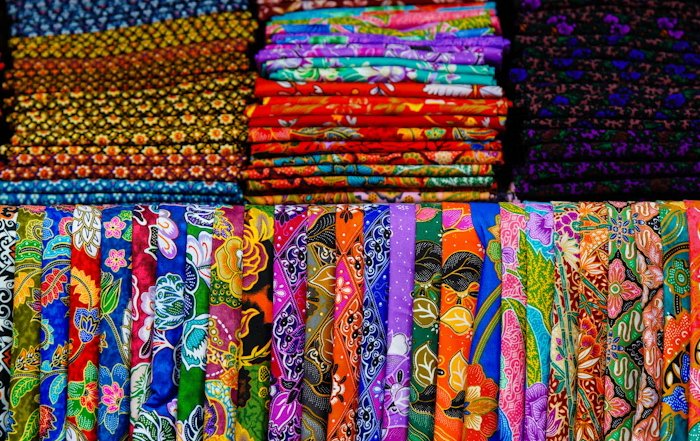
The Revival of Natural Dyes in Textiles: From Heritage Craft to Strategic Sustainability
Natural Colour as a Strategic Business Choice
The global textile and fashion industry finds itself at a decisive crossroads, where the convergence of climate risk, regulatory pressure, shifting consumer expectations, and technological innovation is transforming colour itself into a strategic sustainability issue rather than a purely aesthetic decision. The revival of natural dyes, once relegated to artisanal niches, is increasingly viewed by forward-looking brands, manufacturers, and investors as a credible pathway to reduce chemical pollution, cut water and energy use, and strengthen supply-chain resilience, while also aligning with the growing demand for more transparent and ethical products. For eco-natur.com, which has long focused on sustainable living, sustainability, and responsible consumption, the re-emergence of plant- and bio-based colourants is not a nostalgic return to the past, but a practical, evidence-based response to the environmental and social challenges embedded in conventional textile dyeing.
The scale of the issue is substantial. According to analyses referenced by organizations such as the Ellen MacArthur Foundation, textile production already contributes significantly to global greenhouse gas emissions and water pollution, with synthetic dyes and finishing chemicals playing a central role in this impact. The United Nations Environment Programme notes that the fashion sector is responsible for a notable share of industrial wastewater discharge, much of it tied to dyeing and finishing processes that rely on petrochemical-derived colourants, heavy metals, and complex auxiliaries. Against this backdrop, the renewed interest in natural dyes is less a trend and more a structural shift in how colour is conceived, sourced, and managed across the textile value chain, from farm and forest to factory and finished product.
Historical Roots: From Ancient Dye Traditions to Industrial Displacement
Long before the advent of synthetic chemistry in the nineteenth century, natural dyes derived from plants, insects, and minerals formed the foundation of textile colour across cultures in Asia, Africa, Europe, and the Americas. Indigofera species provided deep blues from India to West Africa; madder roots delivered reds in the Mediterranean and Central Asia; weld and other yellow-producing plants coloured linen and wool in Northern Europe; and cochineal insects, cultivated in Mesoamerica, produced vivid crimson that transformed European luxury textiles after the sixteenth century. These dyeing traditions were deeply embedded in local ecologies, agricultural cycles, and artisanal knowledge systems, and they supported complex trade routes that linked farmers, dyers, merchants, and royal courts.
The discovery of mauveine by William Henry Perkin in 1856 and the subsequent expansion of synthetic dyes by companies such as BASF and Bayer fundamentally disrupted this landscape. Synthetic colourants offered unprecedented consistency, a vastly expanded colour gamut, and lower costs at industrial scale. Over the course of a century, natural dyes were displaced from mainstream production, surviving mainly in rural craft contexts, ceremonial textiles, and heritage workshops. By the late twentieth century, many traditional dye plants had lost their economic relevance, and with them, significant bodies of local knowledge were at risk of disappearing. Yet, as environmental concerns intensified and interest in organic and natural lifestyles increased, especially in markets such as the United States, Germany, the United Kingdom, and Japan, researchers, NGOs, and small enterprises began to re-examine these historic practices not as quaint relics, but as potential building blocks for a lower-impact textile system.
Environmental and Health Impacts of Synthetic Dyes
The contemporary revival of natural dyes cannot be understood without acknowledging the environmental and health externalities associated with conventional dyeing. Data from the World Bank and research synthesised by the European Environment Agency highlight that textile dyeing and finishing are among the most chemically intensive stages in apparel production. A complex mix of azo dyes, mordants, surfactants, and finishing agents often enters wastewater streams, particularly in regions where regulatory enforcement is weak or treatment infrastructure is inadequate, such as parts of South and Southeast Asia, although pollution hotspots also exist in industrial zones in China, Turkey, and Eastern Europe.
Many synthetic dyes are not inherently hazardous when properly managed, yet some classes, especially certain azo dyes, can break down into carcinogenic amines under specific conditions. The World Health Organization and OECD have reported concerns about persistent, bioaccumulative, and toxic substances used in or associated with dye formulations, which can affect aquatic ecosystems and, in some cases, human health through contaminated water and food chains. The situation is further complicated by the issue of microfibres and microplastics released from synthetic textiles, which are often coloured with these dyes, adding another dimension to the pollution profile of the sector.
In response, regulatory frameworks such as the EU REACH regulation and extended producer responsibility schemes in countries including France and Sweden are tightening controls on hazardous substances and waste, prompting brands to reassess their chemical strategies. Learn more about evolving European chemicals policy through resources from the European Chemicals Agency. Against this regulatory and reputational backdrop, natural dyes are increasingly explored as part of a broader move toward safer chemistry, cleaner production, and plastic-free approaches that align with consumer concerns in markets from North America and Europe to Australia, Japan, and Singapore.
Natural Dyes Today: Sources, Processes, and Performance
Modern natural dye systems draw primarily on plant-based sources-leaves, bark, roots, flowers, and fruits-supplemented in some contexts by insect-derived dyes such as cochineal. Indigo remains one of the most commercially relevant natural dyes, used for denim and casual wear, with cultivation and extraction projects active in India, Bangladesh, the United States, and parts of Africa. Madder, cutch, pomegranate rind, and marigold are among the plants used to create red, brown, yellow, and gold tones, while tannin-rich barks and galls provide both colour and natural mordanting properties. In Europe, renewed attention is being given to woad and weld as regionally appropriate dye crops, particularly in France, Italy, Spain, and the United Kingdom, where shorter supply chains are seen as a resilience advantage.
The technical challenge has always been to achieve acceptable colour fastness, reproducibility, and scalability. Traditional natural dyeing often relied on alum, iron, or copper salts as mordants, some of which raise their own environmental questions. Contemporary research, including work supported by institutions such as Fraunhofer Institute in Germany and academic centres in Sweden, South Korea, and Japan, is focused on optimising bio-based mordants, enzymatic pre-treatments, and low-impact auxiliaries that can improve fixation while reducing toxicity and effluent load. Industry standards and certifications, including those overseen by Textile Exchange and Global Organic Textile Standard (GOTS), provide frameworks for assessing and validating the use of natural dyes within broader organic textile and organic food value chains, supporting transparent communication to consumers seeking verified eco-credentials.
Performance remains context-specific. Natural dyes often deliver slightly more muted, earthy tones compared to their synthetic counterparts, although advances in extraction and concentration are expanding the palette. For high-end fashion, luxury interiors, and children's textiles, these tonal qualities can be a differentiating asset, reinforcing brand narratives around authenticity and nature. For mass-market sportswear or ultra-fast fashion, however, the current limitations in colour range, cost, and process integration mean that natural dyes are more likely to play a targeted, rather than universal, role.
Innovation at the Intersection of Biology and Design
One of the most dynamic developments reshaping the natural dye landscape in 2026 is the rise of bio-based colourants produced through fermentation and microbial processes. Rather than relying solely on field-grown dye crops, biotech start-ups and research laboratories in the United States, Netherlands, Singapore, and South Korea are engineering microorganisms to biosynthesise pigments that are chemically identical or functionally similar to natural plant dyes, but with greater consistency and scalability. Companies such as Colorifix and Pili have demonstrated the feasibility of using engineered bacteria and yeasts to deposit colour directly onto fabrics, significantly reducing water consumption and eliminating many conventional dyeing steps.
These innovations sit at the intersection of sustainable chemistry, circular design, and sustainable business practices, offering potential pathways to bridge the gap between artisanal natural dyeing and industrial-scale production. Learn more about the broader context of bio-based innovation from resources curated by the World Business Council for Sustainable Development. For eco-natur.com, these developments illustrate how tradition and cutting-edge technology can be integrated into a coherent sustainability strategy, where the goal is not to romanticise the past, but to adapt its principles-local sourcing, low toxicity, and regenerative cycles-to modern manufacturing realities.
Designers and product developers are also playing a critical role in this revival. By embracing the subtle variations inherent in natural colour, they are reframing irregularity as a marker of authenticity rather than a defect. Leading fashion houses in Italy, France, and Japan have launched capsule collections that foreground natural dyes and regionally sourced fibres, often in collaboration with artisan cooperatives and social enterprises. Design schools in Europe, North America, and Asia increasingly integrate natural dye modules into their curricula, ensuring that the next generation of creative professionals understands both the aesthetic and environmental implications of their colour choices. Additional insights into sustainable design education can be found through the Parsons School of Design and similar institutions that publish open materials on responsible fashion.
Supply Chains, Agriculture, and the Bioeconomy
The revival of natural dyes is not only a matter of chemistry and aesthetics; it is also an agricultural and economic story that intersects with broader conversations about regenerative farming, rural livelihoods, and the emerging bioeconomy. Dye plants can be integrated into crop rotations, agroforestry systems, and marginal lands, providing farmers in regions such as India, Brazil, Thailand, and parts of Africa with diversified income streams and potential climate resilience benefits. When managed thoughtfully, dye crop cultivation can support soil health, biodiversity, and water management, aligning with many of the principles discussed on eco-natur.com in relation to biodiversity, wildlife, and sustainable living.
International organizations such as the Food and Agriculture Organization (FAO) and UNCTAD have highlighted the potential for non-timber forest products and speciality crops, including natural dye plants, to contribute to rural development and sustainable trade, especially when linked to certified value chains and fair-pricing mechanisms. Learn more about sustainable agriculture and trade dynamics through resources from FAO and UNCTAD. In countries like India and Bangladesh, NGOs and social enterprises are working with women's cooperatives to revive indigo and other dye crops, combining traditional knowledge with modern quality control and market access strategies that connect directly to conscious brands in Europe, North America, and East Asia.
From a business and investment perspective, these emerging supply chains must be evaluated through the lens of risk, scalability, and long-term viability. Climate change impacts, such as shifting rainfall patterns in South Asia or drought in parts of Africa and Australia, can affect yield and quality, underscoring the need for diversified sourcing, agronomic research, and robust farmer support systems. At the same time, integrating dye crops into regenerative agriculture frameworks offers opportunities for carbon sequestration, ecosystem restoration, and alignment with corporate climate targets, which are increasingly scrutinized by investors and regulators. The Task Force on Climate-related Financial Disclosures (TCFD) and the International Sustainability Standards Board (ISSB) provide guidance on how companies should report such climate-related risks and opportunities, which can include transitions to lower-impact inputs such as natural dyes.
Circularity, Waste Streams, and Zero-Waste Colour
A particularly promising dimension of the natural dye revival is the use of agricultural and food processing by-products as sources of colour, which directly connects to the circular economy and zero-waste strategies promoted on eco-natur.com. Onion skins, pomegranate peels, walnut shells, and spent coffee grounds are just a few examples of waste streams that can yield usable pigments when processed correctly. This approach not only diverts organic matter from landfills, where it can generate methane emissions, but also reduces the need for dedicated dye crops, mitigating potential land-use trade-offs between fibre, food, and colour.
Research institutions and innovation hubs in Europe, the United States, and Asia are actively exploring these bio-waste-to-dye pathways, often in collaboration with food companies, municipalities, and fashion brands. Learn more about circular economy principles and case studies through the Ellen MacArthur Foundation. For businesses, such initiatives can support waste reduction targets, enhance brand storytelling, and create cross-sector partnerships that spread both risk and benefit. From a technical standpoint, process standardisation, pigment concentration, and consistent quality remain challenges, but pilot projects in Italy, the Netherlands, and Scandinavia suggest that industrial symbiosis between food and textile sectors is increasingly feasible.
In parallel, natural dyes are being integrated into broader circular textile systems that prioritise fibre recycling, extended product lifetimes, and end-of-life biodegradability. Conventional synthetic dyes can hinder mechanical and chemical recycling processes, or contaminate composting streams, whereas many natural dyes, when used with low-toxicity auxiliaries, are more compatible with these circular outcomes. This alignment with recycling and circularity is particularly relevant in markets such as the European Union, where policy frameworks are moving rapidly toward mandatory eco-design requirements, digital product passports, and more ambitious recycling targets for textiles.
Consumer Expectations, Transparency, and Trust
The business case for natural dyes in 2026 is strongly influenced by evolving consumer expectations around transparency, health, and environmental integrity. Surveys by organizations such as McKinsey & Company and BCG indicate that consumers in North America, Europe, and parts of Asia-Pacific increasingly factor sustainability into purchasing decisions, especially in categories like apparel, home textiles, and baby products. While price remains a decisive factor, there is growing willingness among certain segments to pay a premium for products that can credibly demonstrate lower environmental impact and ethical sourcing.
For eco-natur.com, which engages readers on topics including health, economy, and sustainable business, the revival of natural dyes speaks directly to questions of trust and evidence. Brands cannot rely on vague "eco-friendly" claims; they must substantiate their use of natural dyes with verifiable data on water use, chemical inputs, social impacts, and performance. Certification schemes, third-party audits, and transparent storytelling-supported by tools such as QR codes that link to detailed product histories-are becoming essential components of credible sustainability communication. Learn more about best practices in sustainability reporting and communication through resources from the Global Reporting Initiative.
At the same time, companies must avoid "greenwashing" by acknowledging the limitations and trade-offs inherent in natural dye systems. For instance, not all natural dyes are automatically benign; some may involve high water use, land-use pressures, or problematic mordants if not carefully managed. A responsible approach requires a life-cycle perspective that compares natural and synthetic options across multiple impact categories, rather than assuming that "natural" equates to "sustainable" in every context. This nuanced, evidence-based framing aligns with the Experience, Expertise, Authoritativeness, and Trustworthiness principles that eco-natur.com prioritises in its coverage of sustainability and global environmental issues.
Regional Dynamics: Global Adoption with Local Specificities
The trajectory of natural dye adoption varies significantly across regions, reflecting differences in industrial structure, regulatory environments, cultural heritage, and consumer preferences. In Europe, particularly in countries such as Germany, France, Italy, Spain, the Netherlands, Denmark, and Sweden, strong regulatory frameworks, active civil society engagement, and high levels of environmental awareness create favourable conditions for experimentation with natural dyes, especially among mid-sized brands and premium segments. The European Union's strategy for sustainable and circular textiles, combined with national initiatives in countries like France and the Netherlands, is accelerating demand for lower-impact dyeing options and supporting research funding.
In North America, the United States and Canada have seen a proliferation of small and medium-sized enterprises focused on naturally dyed apparel, home goods, and artisanal textiles, often sold through online platforms and specialty retailers. Larger brands, particularly in outdoor and lifestyle segments, are piloting natural dye capsules and exploring collaboration with indigenous communities and local farmers. Learn more about sustainable fashion developments in North America through analyses published by the Sustainable Apparel Coalition and the NRDC.
In Asia, the picture is more complex and dynamic. Countries such as India, Thailand, Japan, South Korea, and China combine deep historical dye traditions with major industrial textile capacity. In India and Thailand, natural dye initiatives are often linked to rural development and tourism, while in Japan, brands draw on centuries-old techniques such as aizome (indigo dyeing) to create high-value, culturally resonant products. China and South Korea, as key nodes in global textile supply chains, are investing in cleaner dyeing technologies, including bio-based dyes, as part of broader commitments to green manufacturing and carbon neutrality.
In the Global South, including regions of Africa and South America, natural dyes intersect with development agendas, cultural preservation, and export opportunities. Projects in countries such as Brazil, South Africa, and Kenya are exploring the integration of dye plants into agroforestry and community-based enterprises, often supported by international NGOs and development agencies. However, challenges related to market access, quality control, and infrastructure remain significant, underscoring the need for equitable partnerships and long-term investment rather than short-lived trend-driven sourcing.
Strategic Implications for Businesses and Policy Makers
For businesses operating in or adjacent to the textile sector, the revival of natural dyes presents both opportunities and strategic questions. Integrating natural dyes into product lines can support differentiation, strengthen ESG performance, and build deeper connections with consumers seeking authenticity and environmental responsibility. Yet, it also requires investment in R&D, supply chain adaptation, and cross-functional collaboration between design, procurement, sustainability, and marketing teams. Companies must carefully assess which product categories, markets, and price points are best suited to natural dye integration, and whether to prioritise plant-based, microbial, or waste-derived colourants, or a mix of all three.
Policy makers, meanwhile, can play a catalytic role by aligning incentives, regulations, and public procurement policies with lower-impact colour systems. Support for agronomic research on dye crops, grants for cleaner dyeing technologies, and standards that recognise the benefits of non-toxic colourants can accelerate adoption while ensuring that environmental and social safeguards are in place. International cooperation, facilitated by bodies such as the UN Environment Programme and OECD, can help harmonise standards and avoid fragmentation that would otherwise burden global supply chains.
For platforms like eco-natur.com, which serve readers across continents from Europe and North America to Asia, Africa, and South America, the task is to provide nuanced, regionally relevant analysis that cuts through simplistic narratives and supports informed decision-making by businesses, policymakers, and consumers. By connecting the dots between sustainable living, plastic-free choices, recycling, and the emerging bio-based economy, the revival of natural dyes can be framed not as an isolated trend, but as part of a systemic shift toward more regenerative, resilient, and equitable production and consumption patterns.
Looking Ahead: Colouring a Regenerative Textile Future
As of 2026, natural dyes occupy a growing yet still modest share of the global textile colour market, which remains dominated by synthetic chemistry. However, the momentum behind their revival is underpinned by structural drivers that are unlikely to reverse: tightening environmental regulations, investor scrutiny of ESG performance, accelerating climate impacts on water and ecosystems, and a cultural shift toward valuing authenticity, locality, and ecological integrity. In this context, natural dyes-whether grown in regenerative fields, recovered from food waste, or produced by engineered microbes-offer a tangible, visible expression of a deeper transformation in how society relates to materials, colour, and the living systems that support them.
For businesses, investors, and policymakers, the question is not whether natural dyes will replace synthetic dyes entirely, but how they can be integrated intelligently into a broader portfolio of solutions that includes cleaner synthetic chemistry, advanced wastewater treatment, circular textile systems, and responsible consumption. For readers and partners of eco-natur.com, the revival of natural dyes invites a reconsideration of everyday choices, from the clothes worn and the home textiles purchased to the policies supported and the brands trusted. By aligning aesthetic preferences with environmental and social values, and by recognising colour as a lever for change rather than a superficial attribute, stakeholders across the textile value chain can contribute to a future in which the fabrics that surround daily life are more closely attuned to the health of people, ecosystems, and economies worldwide.
In that future, the hues of garments in New York, London, Berlin, Toronto, Sydney, Paris, Milan, Madrid, Amsterdam, Zurich, Shanghai, Stockholm, Oslo, Singapore, Copenhagen, Seoul, Tokyo, Bangkok, Helsinki, Cape Town, São Paulo, Kuala Lumpur, Wellington and beyond may once again be rooted in fields, forests, and microbial cultures that regenerate rather than deplete, demonstrating in a very literal sense how sustainability can be woven into the fabric of global society, and how platforms like eco-natur.com can help guide that transformation with clarity, rigour, and trust.
