
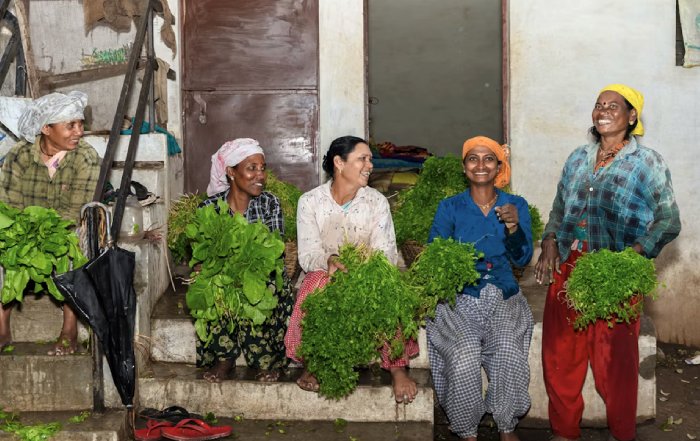
Community Supported Agriculture in 2026: A Strategic Pillar of Sustainable Living
CSA in a Volatile Food and Climate Landscape
By 2026, Community Supported Agriculture (CSA) has evolved from a relatively marginal alternative to supermarkets into a strategic mechanism for building resilient, low-carbon and community-oriented food systems across the globe. In an era defined by climate volatility, geopolitical tension, supply chain fragility and persistent inflation in food prices, households, businesses and policymakers in North America, Europe, Asia, Africa and South America are reassessing how food is produced, distributed and valued. For the international audience of eco-natur.com, already familiar with themes such as sustainable living, sustainability and organic food, CSA now represents a concrete, experience-based pathway to align daily consumption with long-term environmental, economic and social priorities.
CSA has proved particularly relevant in countries such as the United States, United Kingdom, Germany, Canada, Australia, France, Italy, Spain, the Netherlands, Switzerland, China, Sweden, Norway, Singapore, Denmark, South Korea, Japan, Thailand, Finland, South Africa, Brazil, Malaysia and New Zealand, where urbanization and globalized trade have distanced consumers from farms while simultaneously increasing the vulnerability of food systems to shocks. Against this backdrop, CSA offers a model in which risk, responsibility and reward are shared between farmers and consumers, creating a more transparent and accountable relationship that resonates strongly with eco-natur.com's commitment to trustworthy, experience-driven sustainability information. Readers seeking broader context on food system risks can explore analyses by World Food Programme on global food security through the WFP website, which underline why localized, diversified supply models such as CSA are gaining new strategic importance.
Defining Community Supported Agriculture in 2026
In its contemporary form, Community Supported Agriculture is best understood as a structured partnership in which individuals, families or organizations commit in advance to purchasing a share of a farm's seasonal output, thereby providing the farm with predictable revenue and, in many cases, partial pre-financing of production costs. Members receive regular boxes or collection opportunities that typically include vegetables, fruits and, in some cases, eggs, dairy or meat, often grown according to organic or agroecological principles. Unlike conventional retail arrangements, the relationship is not purely transactional; it is anchored in mutual trust, shared risk regarding weather and yields, and a common interest in long-term soil and ecosystem health.
Public institutions increasingly recognize this model as a legitimate and effective component of regional food strategies. The United States Department of Agriculture (USDA) describes CSA as a form of direct marketing that can stabilize farm income and foster local food networks, and readers can review the latest definitions and program information on the USDA website. At the global level, the Food and Agriculture Organization of the United Nations (FAO) documents community-based and short-supply-chain initiatives as part of its work on agroecology and sustainable food systems; those interested in international comparisons can explore FAO's perspectives on local food systems on the FAO site. For eco-natur.com, CSA fits naturally into the site's broader narrative of sustainable lifestyle choices, in which consumers move from anonymous, price-driven purchasing to informed, values-driven partnerships with specific producers.
Environmental Performance: Soils, Climate and Biodiversity
Environmental performance is at the heart of CSA's growing authority as a sustainable food model. Because CSA farms are not locked into uniform, high-volume contracts with distant buyers, they typically have greater flexibility to prioritize ecological practices that regenerate rather than deplete natural capital. Crop rotations, cover cropping, composting, reduced or no-tillage systems and integrated pest management are widely adopted among CSA operations in Europe, North America and increasingly in Asia, Africa and Latin America. These practices are aligned with decades of research from organizations such as Rodale Institute, whose work on regenerative organic agriculture demonstrates the potential of diversified farming to build soil organic matter, sequester carbon and increase resilience to drought and flooding; readers can explore this research in more depth on the Rodale Institute website.
The climate relevance of such practices is now firmly established. Assessments by the Intergovernmental Panel on Climate Change (IPCC) emphasize that diversified, low-input farming systems can contribute to both mitigation and adaptation by storing carbon in soils and biomass, reducing nitrous oxide emissions from synthetic fertilizers and enhancing the capacity of landscapes to buffer extreme weather events. Those seeking scientific context for CSA's contribution to climate goals can review IPCC reports and summaries on the IPCC official site. For eco-natur.com readers interested in biodiversity and wildlife, CSA farms are particularly significant because their smaller fields, hedgerows, flower strips and mixed cropping patterns create microhabitats for pollinators, birds and beneficial insects, counteracting the ecological simplification associated with industrial monocultures. This landscape diversity supports ecosystem services such as pollination and natural pest control, which in turn underpin long-term productivity and resilience, illustrating the tight coupling between environmental stewardship and economic viability that eco-natur.com consistently highlights.
Cutting Plastic and Packaging through Localized Distribution
For many environmentally conscious consumers, one of the most visible advantages of CSA is the dramatic reduction in single-use plastic and unnecessary packaging. Because produce moves directly from farm to member-often traveling only a few dozen kilometers-there is little need for multilayer plastics, shrink wrap or branded containers designed for long-distance transport and shelf display. Instead, CSA schemes in the United States, United Kingdom, Germany, the Netherlands, Scandinavia, Singapore and Australia increasingly rely on reusable crates, fabric bags, refillable jars and simple, recyclable paper labels.
This operational reality aligns closely with the plastic-reduction and circular design principles promoted on eco-natur.com's pages on plastic-free living and zero-waste strategies. It also resonates with the circular economy framework advanced by the Ellen MacArthur Foundation, which has shown how redesigning packaging and distribution models can significantly reduce waste and pollution in food value chains; readers can learn more about circular packaging solutions on the Ellen MacArthur Foundation website. In regions where waste management systems are still developing and plastic leakage into rivers and oceans remains a critical issue, the low-packaging nature of CSA provides a pragmatic way for communities to reduce their environmental footprint without waiting for large-scale infrastructural reforms. For eco-natur.com, which frequently examines the intersection of consumer behavior, product design and recycling, CSA offers a compelling case study in how structural changes in supply chains can make low-waste living more accessible and convenient.
Health, Nutrition and Food Safety as Trust Builders
Health and nutrition considerations have become central drivers of CSA participation, especially in urban centers across North America, Europe and Asia where concerns about ultra-processed foods, pesticide residues and diet-related diseases are increasingly prominent. Because CSA produce is typically harvested shortly before delivery, nutrient losses associated with extended storage, long-distance transport and prolonged refrigeration are minimized, and members often report higher sensory quality and greater diversity in fruits and vegetables compared to standard retail offerings. This diversity encourages experimentation in the kitchen and supports dietary patterns rich in fiber, vitamins, minerals and phytonutrients, aligning with the evidence-based guidance from World Health Organization (WHO) and Harvard T.H. Chan School of Public Health on the importance of plant-forward diets for preventing non-communicable diseases; readers can explore these perspectives through the WHO nutrition pages and the Harvard Nutrition Source.
Food safety and transparency further strengthen the trust that underpins CSA relationships. Members know which farm produced their food, how it was grown and who is responsible for quality control, which contrasts sharply with the opacity of many globalized supply chains. Where CSA farms follow organic or low-input practices, exposure to synthetic pesticides and fertilizers is reduced, echoing concerns raised by agencies such as the European Food Safety Authority (EFSA) about the cumulative effects of chemical residues in food; readers can review EFSA's evaluations on the EFSA website. For eco-natur.com, which frequently connects health, organic food systems and environmental quality, CSA exemplifies how personal well-being and planetary health can be advanced through the same set of choices, thereby reinforcing the site's emphasis on integrated, holistic approaches to sustainability.
Local Economies, Sustainable Business and the Green Transition
From an economic perspective, CSA challenges traditional assumptions about scale, efficiency and competitiveness by demonstrating that small and medium-sized farms can be financially viable when they are embedded in strong, trust-based relationships with their communities. Upfront or early-season payments provide working capital that reduces reliance on short-term credit and volatile spot markets, enabling farmers to invest in soil regeneration, efficient irrigation, on-farm processing and, increasingly, renewable energy systems such as solar panels or biogas units. This dynamic resonates with eco-natur.com's focus on renewable energy and the broader shift toward low-carbon, distributed infrastructure.
International economic bodies have begun to integrate these insights into their analyses of rural development and green growth. The Organisation for Economic Co-operation and Development (OECD) and the World Bank have both highlighted the role of local and regional food systems in supporting employment, entrepreneurship and inclusive growth in rural areas; readers can examine these perspectives via the OECD website and the World Bank's agriculture and food pages. For eco-natur.com, which maintains a strong interest in sustainable business models and green economy dynamics, CSA showcases how economic resilience can be built from the ground up, through diversified revenue streams, community financing and value propositions based on quality, transparency and environmental stewardship rather than volume and low prices alone.
This local economic impact is increasingly relevant for corporate sustainability strategies as well. Businesses in sectors ranging from technology and finance to hospitality and education are exploring CSA partnerships to supply staff cafeterias, events and client hospitality, thereby embedding local sourcing into their environmental, social and governance (ESG) commitments. Organizations such as B Lab, which certifies B Corporations, recognize local and organic sourcing as a meaningful component of social and environmental performance, and interested readers can explore relevant case studies on the B Lab Global website. By integrating CSA into procurement policies, companies can demonstrate measurable support for regional economies, climate action and community well-being, aligning with the practical, business-oriented sustainability agenda that eco-natur.com promotes on its sustainable business pages.
Social Capital, Community Resilience and Democratic Engagement
Beyond environmental and economic metrics, CSA is increasingly valued for its contribution to social capital and community resilience. Members often describe their participation not merely as a purchasing decision but as an entry into a community of shared values, where farm visits, harvest festivals, newsletters and educational workshops create ongoing dialogue between producers and consumers. In cities such as New York, Toronto, London, Berlin, Paris, Amsterdam, Stockholm, Singapore, Seoul, Johannesburg, São Paulo and Sydney, CSA farms have become focal points for environmental education, youth engagement and cross-cultural exchange.
This relational dimension has profound implications for resilience in the face of crises, as highlighted by sociological research from institutions such as Stanford University and University of Oxford, which examine how networks of trust and reciprocity enable communities to respond more effectively to shocks; readers can explore these discussions through resources like Stanford's Center on Philanthropy and Civil Society and the University of Oxford's Environmental Change Institute. For eco-natur.com, which consistently emphasizes the role of community in sustainable living, CSA offers a living example of how food systems can nurture not only bodies and ecosystems but also democratic participation, shared learning and a sense of collective responsibility for local landscapes.
CSA within the Global Sustainability and Policy Framework
By 2026, CSA is firmly embedded within global sustainability discourse and policy frameworks. It intersects directly with multiple United Nations Sustainable Development Goals (SDGs), including Zero Hunger, Good Health and Well-Being, Responsible Consumption and Production, Climate Action and Life on Land. Policymakers increasingly recognize that short supply chains, agroecological practices and community-based models such as CSA can advance these goals simultaneously by improving nutrition, reducing emissions, enhancing biodiversity and strengthening rural livelihoods. Readers seeking an overview of these interconnections can consult the SDGs and related initiatives on the United Nations website.
In Europe, policy initiatives under the European Green Deal and the Farm to Fork Strategy highlight the importance of sustainable food systems, shorter supply chains and reduced chemical inputs, creating an enabling environment for CSA and similar models; further details can be found on the European Commission's Farm to Fork pages. In Asia, Africa and South America, CSA is often adapted to local contexts through farmer-consumer cooperatives, participatory guarantee systems and urban agriculture networks that address food security, income diversification and preservation of traditional knowledge. For eco-natur.com, which regularly explores global sustainability trends, CSA provides a tangible bridge between high-level policy commitments and everyday choices in kitchens, restaurants and corporate canteens, illustrating how systemic change can be grounded in local practice.
Wildlife, Landscapes and the Ecological Role of CSA Farms
The contribution of CSA farms to wildlife conservation and landscape stewardship is gaining recognition among conservation scientists and practitioners. Because CSA models often prioritize diversified cropping, perennial plantings, hedgerows, ponds and buffer strips, they tend to create structurally complex landscapes that support a wide range of species, from pollinators and soil organisms to birds and small mammals. In intensively farmed regions of Europe and North America, as well as rapidly changing landscapes in Asia, Africa and South America, these mosaics provide critical refuges and corridors that mitigate habitat fragmentation.
Conservation organizations such as WWF and International Union for Conservation of Nature (IUCN) have repeatedly underscored the importance of integrating agriculture and biodiversity objectives, recognizing that protected areas alone cannot safeguard global wildlife populations; readers can explore these perspectives on the WWF food and agriculture pages and the IUCN website. By maintaining semi-natural features and reducing agrochemical inputs, CSA farms contribute to healthier soils, cleaner waterways and more stable local climates, all of which are central to eco-natur.com's coverage of wildlife and biodiversity. This ecological role reinforces the site's message that food choices are inseparable from commitments to protect species and habitats, and that supporting CSA can be an effective means of aligning culinary preferences with conservation outcomes.
Expertise, Standards and the Role of Eco-Natur.com
As CSA becomes more visible and commercially relevant, questions of expertise, standards and credibility grow in importance. Consumers in 2026 are increasingly sophisticated, often cross-checking claims about organic practices, carbon footprints and social impact across multiple sources before making decisions. In this context, platforms such as eco-natur.com serve as essential intermediaries, synthesizing information from scientific institutions, policy frameworks and field experience to provide clear, actionable guidance on sustainability, recycling and circularity, plastic-free solutions and sustainable business models.
Independent certification bodies and NGOs, including Rainforest Alliance and Soil Association, complement this role by developing standards for sustainable agriculture and verifying compliance; readers can examine their criteria and impact through the Rainforest Alliance website and the Soil Association site. By connecting these external resources with its own editorial expertise and long-term engagement with topics such as sustainable living, organic food and economy and green markets, eco-natur.com offers a coherent, trustworthy narrative that helps readers evaluate CSA opportunities in their own regions, from North America and Europe to Asia, Africa and South America.
Integrating CSA into Sustainable Lifestyles and Corporate Practice
For individuals and families, integrating CSA into daily life can serve as a cornerstone of a broader sustainable lifestyle strategy. Many households now treat CSA shares as a planned annual commitment, analogous to a subscription that anchors their weekly meals in seasonal, local and often organic produce. This approach encourages menu planning, home cooking and reduced food waste, all of which align with eco-natur.com's guidance on intentional, low-impact lifestyle design and sustainable living. In countries such as the United States, Canada, United Kingdom, Germany, France, Italy, Spain, the Netherlands, Sweden, Norway, Denmark, Australia and New Zealand, CSA participation has become an increasingly visible marker of engagement with environmental and health priorities.
For organizations, CSA offers a practical mechanism to operationalize sustainability commitments. Corporate offices can arrange group memberships that provide employees with regular access to fresh produce, integrate CSA boxes into wellness programs, or partner with local farms for events and catering. Such initiatives not only reduce the environmental footprint of food procurement but also signal a tangible commitment to local communities and regional economies. In sectors where ESG reporting is now standard practice, CSA partnerships can be documented as measurable contributions to climate action, biodiversity, circular economy and social impact goals, reinforcing the business case for sustainable sourcing that eco-natur.com explores in its coverage of sustainable business.
CSA as a Cornerstone of Future Food Systems
Looking ahead through 2026 and beyond, Community Supported Agriculture is poised to play an increasingly influential role in shaping the trajectory of global food systems. In high-income regions of North America, Europe and parts of Asia, CSA is likely to deepen its integration into public health, climate adaptation and rural development strategies, supported by digital platforms that streamline logistics and communication while preserving the core principle of direct, trust-based relationships. In emerging economies across Africa, South America and Southeast Asia, locally adapted CSA models can support smallholder farmers, enhance food security, preserve agrobiodiversity and strengthen community resilience in the face of climate stress and rapid urbanization.
For eco-natur.com, CSA is more than a topic of analysis; it is a practical embodiment of the site's overarching mission to connect sustainable living, organic food, green economy and global sustainability goals into a coherent, actionable vision for the future. By helping readers in the United States, United Kingdom, Germany, Canada, Australia, France, Italy, Spain, the Netherlands, Switzerland, China, Sweden, Norway, Singapore, Denmark, South Korea, Japan, Thailand, Finland, South Africa, Brazil, Malaysia and New Zealand understand the benefits and practicalities of CSA, eco-natur.com supports a shift from abstract concern to concrete engagement. In doing so, the platform reinforces its role as a trusted guide for individuals, families and businesses who recognize that building a sustainable, equitable and resilient future begins with the everyday decisions that shape the fields, farms and communities that feed the world.
