
Cutting Single-Use Plastics in 2026: Strategic Pathways for Households and Businesses
Single-Use Plastics as a Core Strategic Risk in 2026
By 2026, single-use plastics have moved decisively from the margins of environmental debate into the center of strategic decision-making for households, businesses, and policymakers across the world. Global plastic production continues to exceed hundreds of millions of tonnes annually, with a large share still designed for one-time use before disposal, and this has entrenched plastics as a material risk touching climate, health, biodiversity, and economic resilience. Regulatory pressure in the European Union, tightening packaging rules in the United States, and growing consumer scrutiny in markets such as Germany, Canada, Australia, United Kingdom, Japan, and South Korea mean that reducing single-use plastics has become not only an ethical aspiration but a critical operational and reputational necessity for organizations and a defining lifestyle choice for households.
For the readership of eco-natur.com, this shift resonates strongly with long-standing commitments to sustainable living and to building low-impact, resilient systems in homes, communities, and businesses. Whether a family in the United States is rethinking kitchen habits, a café in Spain is redesigning takeaway packaging, a logistics provider in Singapore is piloting reusable crates, or a manufacturer in Germany is transitioning to circular packaging models, reducing single-use plastics has become one of the most tangible ways to translate sustainability values into measurable everyday practice.
International organizations such as the United Nations Environment Programme (UNEP) now frame plastic pollution as a systemic threat rather than a narrow waste issue, emphasizing its links to greenhouse gas emissions, ecosystem degradation, and human health. Readers seeking a global overview of the scale and urgency of the problem can explore UNEP's interactive resources and learn more about the global plastic crisis, which illustrate how deeply plastics are embedded in current economic systems and why structural change is required rather than incremental adjustments.
What Single-Use Plastics Really Cost
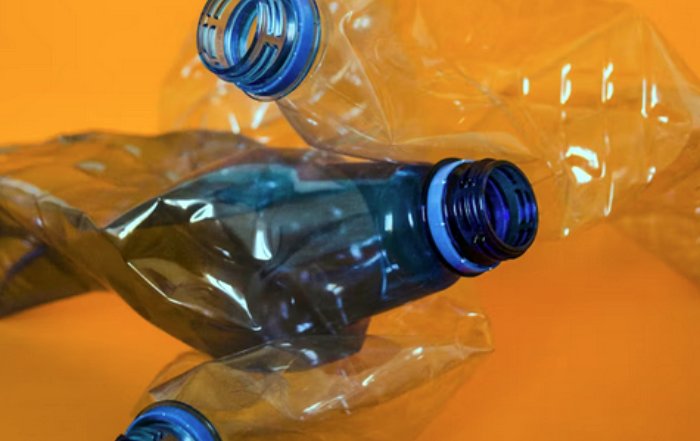
Single-use plastics include items such as bags, bottles, wrappers, sachets, coffee cups, cutlery, straws, and many types of food and e-commerce packaging that are designed for brief use and rapid disposal. Typically made from fossil fuel-based polymers, these materials can persist in the environment for decades or centuries, fragmenting into microplastics that spread through oceans, soils, freshwater systems, the atmosphere, and even human and animal bodies. Concerns about microplastics in drinking water and food chains have grown significantly in recent years, and institutions such as the World Health Organization (WHO) have examined emerging evidence around potential health risks; readers can review WHO's work and understand more about microplastics in drinking water to appreciate why precautionary action is becoming a public health priority.
The true cost of single-use plastics extends far beyond the shelf price of a bag or bottle. Municipalities across North America, Europe, Asia, Africa, and South America spend substantial sums on collection, sorting, and disposal of plastic waste, while tourism-dependent economies from Thailand and Malaysia to Italy and Spain bear the recurring expense of cleaning beaches, rivers, and natural areas. The Organisation for Economic Co-operation and Development (OECD) has documented how mismanaged plastics damage fisheries, agriculture, infrastructure, and public health systems, creating a drag on development and competitiveness; those interested in this macroeconomic perspective can explore OECD work on plastics and the circular economy.
For businesses, single-use plastics now represent a nexus of regulatory exposure, supply chain vulnerability, and brand risk. Extended producer responsibility schemes in the European Union, deposit-return systems in countries such as Germany, Norway, and Netherlands, and bans or fees on specific items in jurisdictions from France and United Kingdom to various U.S. states are raising compliance costs for laggards while rewarding early movers who have redesigned packaging and services. For households, the burden is less visible yet pervasive: recurring purchases of disposable items, cluttered cupboards filled with short-lived products, and a sense of dependence on convenience solutions that undermine long-term wellbeing. The editorial mission of eco-natur.com is to help readers replace this pattern with resilient, sustainable lifestyles that prioritize durability, health, and environmental responsibility.
Evolving Global Policy and Market Momentum
The policy landscape around plastics has accelerated markedly in the years leading up to 2026. Within the European Union, the Single-Use Plastics Directive and related initiatives have driven bans, restrictions, and design requirements for a wide range of disposable products, from cutlery and plates to expanded polystyrene containers and certain composite materials. Businesses operating in or exporting to the EU must navigate these rules while aligning with the broader European strategy on plastics and circularity; those seeking detailed guidance can review the European Commission's plastics strategy to understand regulatory expectations and emerging opportunities in reuse and recycling.
In the United States, federal action remains fragmented, yet a growing number of states and municipalities have adopted bans or fees on plastic bags, polystyrene food packaging, and selected single-use items in retail and hospitality. The U.S. Environmental Protection Agency (EPA) offers resources on plastics reduction, recycling, and circular economy approaches that are shaping policy and corporate practice; readers can explore EPA guidance on plastics and recycling for a North American lens on the issue. Similar regulatory and voluntary initiatives are advancing in Canada, Australia, New Zealand, Brazil, South Africa, and across Asia, creating a complex but increasingly aligned global policy environment in which plastic reduction is treated as a mainstream sustainability priority.
At the multilateral level, negotiations toward a binding global plastics treaty under the auspices of UNEP have gained momentum, signaling that producers and importers will face converging expectations across regions. Financial institutions are also integrating plastic footprints into environmental, social, and governance (ESG) analyses, alongside climate and nature-related risks, guided by frameworks such as the Task Force on Climate-related Financial Disclosures (TCFD) and the emerging Taskforce on Nature-related Financial Disclosures (TNFD). For companies profiling their strategies on eco-natur.com or seeking to strengthen their sustainable business credentials, proactive action on single-use plastics has become a visible indicator of seriousness, foresight, and readiness for future regulation.
The Business Case: From Operational Cost to Competitive Edge
For a business audience, the rationale for cutting down on single-use plastics increasingly sits at the intersection of risk mitigation, cost optimization, innovation, and brand differentiation. What was once treated as a minor operational detail in procurement or marketing has become a strategic lever for value creation and resilience.
Analyses by the Ellen MacArthur Foundation demonstrate how circular economy approaches to packaging and product delivery can reduce material inputs, lower waste management costs, and open new service-based revenue models that decouple growth from resource throughput. Executives and sustainability leaders can learn more about circular packaging and reuse models to see how companies across sectors are shifting from disposable to reusable assets, such as refillable containers, deposit-return systems, and durable transport packaging. These shifts not only reduce exposure to volatile fossil fuel prices and tightening waste regulations but also create more predictable, controllable material flows.
In markets such as Germany, Netherlands, Sweden, Denmark, and Switzerland, where deposit-return schemes and reusable packaging are well established, companies that embrace these models are rewarded with higher customer loyalty, stronger brand trust, and smoother integration with existing infrastructure. In fast-growing markets across Asia, including China, Singapore, Thailand, and South Korea, early adopters of reuse and refill models in food delivery, retail, and e-commerce are differentiating themselves in crowded, price-sensitive sectors. For readers of eco-natur.com who are entrepreneurs, investors, or corporate decision-makers, aligning with sustainability is increasingly recognized as a prudent hedge against regulatory shocks, resource constraints, and reputational crises.
The World Economic Forum (WEF) has also highlighted how plastic reduction contributes to broader climate, energy, and resource efficiency goals, reinforcing its relevance to long-term competitiveness. Executives interested in this systems-level view can explore WEF insights on plastic pollution and the circular economy to understand how plastic strategies intersect with decarbonization, digitalization, and supply chain resilience. In many cases, reducing single-use plastics leads to streamlined product portfolios, more efficient logistics, and lower energy use, which together strengthen a company's position in an increasingly demanding global marketplace.
Household Strategies: Turning Intent into Everyday Habits
Across Europe, North America, Asia, Africa, Oceania, and South America, households are recognizing that meaningful reductions in single-use plastics begin with careful attention to daily routines and purchasing decisions. Readers of eco-natur.com often arrive with strong environmental values; the central challenge is translating those values into durable habits that fit the realities of modern life in cities such as London, New York, Berlin, Toronto, Sydney, Paris, Tokyo, and São Paulo, as well as in smaller towns and rural communities from Finland to South Africa and Brazil.
Food and beverage practices typically offer the most immediate impact. Replacing disposable water bottles with high-quality reusable bottles, using durable travel mugs for coffee and tea, and carrying reusable shopping bags and produce bags can eliminate hundreds of single-use items per person each year. Within the home, shifting from disposable plastic wrap and flimsy containers to glass, stainless steel, and long-lasting silicone solutions improves food storage while reducing plastic dependence. For those seeking practical guidance, the resources at eco-natur.com on sustainable living and plastic-free choices focus on approaches that are adaptable across regions and income levels.
Dietary choices and purchasing patterns have a powerful influence on household plastic footprints. Prioritizing fresh, minimally processed, and organic food, buying from farmers' markets or local cooperatives where produce is often sold unpackaged, and choosing brands that use refillable or low-impact packaging can significantly reduce waste while improving nutrition. Research institutions such as Harvard T.H. Chan School of Public Health have examined the potential links between plastic-related chemicals and human health, particularly endocrine disruption; readers interested in this dimension can review Harvard's analysis of plastic chemicals and health to better understand why plastic reduction is increasingly framed as a health strategy as well as an environmental one.
While waste separation and recycling remain important, the limitations of current recycling systems are now widely recognized. Many regions still lack the infrastructure to handle complex plastic streams, and a significant share of collected plastics is downcycled or landfilled rather than turned into high-quality new products. The World Bank has documented these challenges in rapidly urbanizing regions, and readers can learn about solid waste management and plastics in global cities to see why prevention at source is more reliable than relying solely on end-of-pipe solutions. For households, adopting zero-waste principles, favoring refill and reuse, and supporting companies that design out unnecessary packaging are the most robust ways to cut single-use plastics in 2026.
Corporate Action: Redesign, Procurement, and Culture
Organizations that wish to move beyond symbolic gestures and one-off campaigns are finding that substantial reductions in single-use plastics require a structured, cross-functional strategy. This typically begins with a thorough audit of where plastics enter and exit the organization, from office supplies, catering, and events to product packaging, logistics, and customer interactions. Such assessments frequently reveal unexpected hotspots, including individually wrapped items in staff canteens, plastic-lined coffee cups in meeting rooms, protective films and shrink wrap in warehouses, and promotional materials that rely on disposable plastics.
Once these flows are mapped, leading companies embed reduction targets into procurement policies, making plastic minimization a criterion for supplier selection and contract renewal. Requirements may include eliminating unnecessary plastic packaging, switching to reusable pallets and crates, or offering concentrated product formats that reduce packaging volume and transport emissions. The Sustainable Packaging Coalition provides tools and frameworks to support these transitions, and procurement professionals can explore sustainable packaging design principles to align internal specifications with best practice. By codifying expectations in tenders and supplier scorecards, organizations create a cascading effect that encourages innovation throughout their value chains.
Product and service design is another powerful lever. Consumer goods companies, retailers, hospitality brands, and digital platforms in China, Japan, Singapore, South Korea, United Kingdom, France, Italy, and Spain are experimenting with refill stations, deposit-return schemes, packaging-as-a-service models, and subscription offerings that reduce reliance on disposable materials. UNEP and its partners have compiled case studies and roadmaps showcasing how different sectors are moving away from single-use items; readers interested in practical examples can discover innovative plastic reduction models that illustrate what is possible in diverse regulatory and cultural contexts.
Internally, culture is critical for sustaining progress. Organizations that provide employees with reusable bottles and cups, redesign meetings and events to avoid disposables, and recognize teams that achieve reduction milestones often see higher engagement and stronger alignment between corporate values and day-to-day behavior. For companies featured on eco-natur.com or seeking to communicate leadership in sustainable business, these internal actions demonstrate authenticity and help build trust with clients, regulators, and investors who increasingly scrutinize the gap between public commitments and operational reality.
Rethinking Packaging, Logistics, and Sustainable Design
Packaging and logistics remain among the most visible indicators of an organization's commitment to cutting single-use plastics. In e-commerce, retail, manufacturing, and fast-moving consumer goods, decisions about materials and formats influence not only plastic use but also product protection, transport efficiency, and customer experience. By 2026, many companies in Germany, Netherlands, Sweden, Norway, United Kingdom, and Switzerland are piloting or scaling reusable shipping containers, collapsible crates, and standardized totes for business-to-business deliveries, while consumer brands in United States, Canada, Australia, and across Europe are testing take-back and refillable packaging models for online and in-store sales.
Design is central to this transformation. Products that are modular, repairable, and durable typically require less protective packaging and can be shipped more efficiently, while thoughtful sustainable design can eliminate unnecessary plastic components entirely. The Cradle to Cradle Products Innovation Institute promotes design principles that emphasize material health, circularity, and safe reuse, and designers or engineers can learn more about cradle-to-cradle product design to integrate these concepts from the earliest stages of development. By embedding circularity into design briefs, organizations avoid costly retrofits and position their products to comply with future regulations and evolving consumer expectations.
In logistics, data-driven optimization and better forecasting reduce the need for over-packaging and redundant protective materials. Improved inventory management, smarter routing, and standardized packaging sizes can lower breakage rates and material use simultaneously. The International Organization for Standardization (ISO) has developed standards that address packaging and the environment, offering technical guidance on performance, safety, and sustainability; operations and quality managers can review ISO resources on packaging sustainability to align internal processes with recognized best practice. When these efforts are combined with a shift to renewable energy in warehouses and transport fleets, companies advance not only plastic reduction but also their broader climate and resource efficiency objectives, reinforcing the integrated sustainability vision that eco-natur.com promotes in its coverage of the green economy.
Plastic-Free Food Systems and Organic Transitions
Food systems sit at the heart of the single-use plastics challenge, as they account for a significant proportion of global packaging waste while simultaneously shaping health outcomes, land use, and biodiversity. Plastic-wrapped produce, multilayer snack packaging, single-serve condiment sachets, and takeaway containers are ubiquitous in supermarkets and food service operations from United States and United Kingdom to France, Italy, Spain, Japan, Brazil, and South Africa. At the same time, demand for healthier, more transparent, and organic food continues to rise across Europe, North America, Asia, and Oceania, creating an opportunity to align dietary shifts with plastic reduction.
Retailers and food brands are beginning to respond by redesigning packaging, expanding bulk sections, and supporting refill and return schemes. Organic and natural food stores often act as early adopters, offering unpackaged produce, refillable dry goods, and incentives for customers who bring their own containers. The Food and Agriculture Organization of the United Nations (FAO) provides insight into how sustainable agriculture, food loss reduction, and resource-efficient value chains intersect with packaging choices; readers can explore FAO work on sustainable food systems to understand how changes in farming and distribution can support both environmental and health goals.
For households, choosing fresh ingredients, cooking at home more frequently, purchasing from local markets, and using reusable containers for takeaway meals and leftovers can dramatically reduce plastic waste while improving diet quality and food awareness. These practices align closely with the holistic view of wellbeing that eco-natur.com emphasizes in its coverage of health, sustainable living, and plastic-free habits. In regions such as Thailand, Malaysia, China, Brazil, and South Africa, where vibrant local markets already offer unpackaged produce and traditional refill practices, strengthening these systems through supportive policies and consumer demand can be a powerful strategy for reducing plastics while bolstering local economies and cultural heritage.
Safeguarding Wildlife, Oceans, and Biodiversity
The impact of single-use plastics on wildlife and ecosystems has become one of the most powerful drivers of public concern and policy action. Images of seabirds, turtles, dolphins, and whales entangled in plastic debris or found with large quantities of plastic in their stomachs have resonated deeply with citizens from Canada, United States, and United Kingdom to Norway, Sweden, New Zealand, Japan, and South Korea. For many readers of eco-natur.com, the desire to protect wildlife, oceans, and natural landscapes is a primary motivation for adopting plastic-free and low-waste lifestyles.
Scientific research has documented how macroplastics and microplastics harm marine and terrestrial species through entanglement, ingestion, chemical exposure, and habitat alteration. The International Union for Conservation of Nature (IUCN) has produced detailed assessments of how plastic pollution affects marine biodiversity and ecosystem services; conservation-minded readers can review IUCN work on marine plastics to understand the scale of the threat and the importance of upstream prevention. Microplastics have been detected in remote regions, from Arctic ice to deep-sea sediments, underscoring the pervasive nature of the problem and the difficulty of remediation once plastics enter the environment.
By cutting down on single-use plastics at source, households and businesses reduce the volume of waste that can escape into rivers, coastal areas, and terrestrial habitats. When combined with robust recycling, improved waste management, and targeted conservation programs, these efforts support the protection of biodiversity and ecosystem services on which agriculture, tourism, fisheries, and human wellbeing depend. Organizations such as WWF have highlighted the economic and ecological value of healthy oceans and the urgency of tackling plastic pollution as part of broader marine conservation strategies; readers can learn more about plastics and ocean health to see how individual and corporate choices contribute to global outcomes.
Building Trust, Credibility, and Measurable Progress
As commitments to reduce single-use plastics proliferate, stakeholders across Europe, Asia, North America, Africa, and South America are increasingly focused on credibility. Investors, regulators, customers, and civil society organizations scrutinize corporate claims, seeking evidence of real reductions rather than incremental changes or marketing-driven "green" narratives. For organizations that appear on or engage with eco-natur.com, building trust requires measurable targets, transparent reporting, and meaningful stakeholder engagement.
Frameworks such as the Global Reporting Initiative (GRI) encourage companies to disclose data on material use, waste generation, and circularity alongside climate, water, and social indicators, helping stakeholders judge the scale and pace of progress. Sustainability and ESG professionals can explore GRI standards and guidance to integrate plastic reduction into broader reporting and assurance processes. Third-party certifications, independent audits, and participation in collaborative initiatives further strengthen credibility, particularly when reductions are verified against clear baselines and aligned with science-based or policy-relevant benchmarks.
For households, trust and accountability manifest differently but are equally important. Choosing brands that provide clear information about materials and end-of-life options, engaging with local authorities to improve collection and recycling systems, and sharing experiences with friends, neighbors, and online communities all contribute to a culture in which plastic reduction is normalized rather than seen as a niche concern. The role of eco-natur.com is to offer reliable, accessible, and practical information that allows readers to distinguish between genuine solutions and superficial gestures, aligning personal values with effective and responsible action in their homes, workplaces, and communities.
Eco-Natur.com and the Transition Beyond Single-Use Plastics
The global transition away from single-use plastics is both a deeply personal journey and a far-reaching systemic transformation. It requires individuals to reconsider habits of convenience, businesses to redesign products and business models, and policymakers to reshape incentives and infrastructure across Global, European, Asian, African, South American, and North American contexts. For the community that gathers around eco-natur.com, this transition represents an opportunity to align daily choices with a broader vision of a resilient, low-impact, and equitable future.
By bringing together insights on sustainability, plastic-free living, recycling, wildlife protection, sustainable business, the green economy, organic food, and global environmental trends, eco-natur.com offers a holistic perspective grounded in experience, expertise, and a commitment to trustworthiness. Whether a reader is a household decision-maker in Canada, a sustainability officer in Germany, an entrepreneur in Singapore, a policymaker in South Africa, or a student in Brazil, the path to cutting down on single-use plastics in 2026 begins with informed reflection, deliberate choices, and a willingness to question long-standing assumptions about convenience and disposability.
The technologies, policy frameworks, and business models required to reduce single-use plastics at scale already exist and are being refined every year. The decisive factor now is collective will: the readiness of individuals, companies, cities, and nations to apply these tools consistently, transparently, and ambitiously. As more households adopt sustainable living practices, more companies invest in circular design, and more governments strengthen waste and resource policies, the cumulative impact will be visible not only in cleaner streets, rivers, and oceans but also in healthier communities, more resilient economies, and a global system that respects the ecological boundaries on which it depends. Within this evolving landscape, eco-natur.com continues to serve as a trusted partner and guide, helping its worldwide audience turn concern into credible, practical, and enduring action against single-use plastics.
