
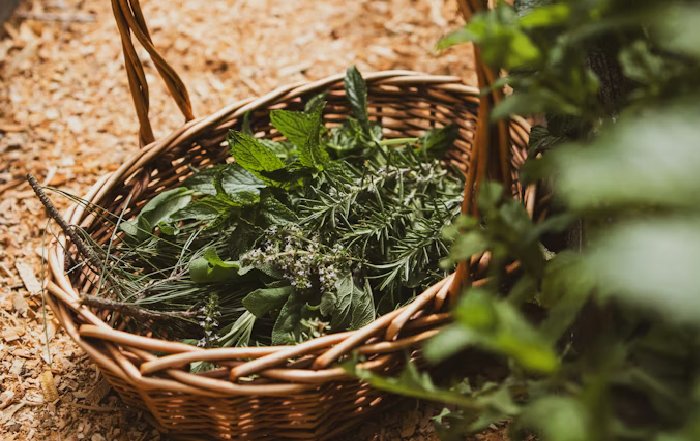
How to Grow Your Own Organic Herb Garden: A Practical Guide for Sustainable Living and Business
Organic Herb Gardening as a Cornerstone of Modern Sustainability
Well as climate risks, resource constraints, and shifting consumer expectations reshape markets across the world, the simple act of growing an organic herb garden has evolved from a niche hobby into a strategic choice that touches environmental responsibility, personal health, and even business innovation. For garden passionate readers of eco-natur.com, who are already attentive to the intersections between sustainable living, responsible consumption, and resilient economies, cultivating herbs at home or in the workplace offers a highly tangible way to align daily habits with broader sustainability goals, while also deepening an understanding of how food systems function from soil to plate.
Across regions as diverse as the United States, the United Kingdom, Germany, Canada, Australia, France, Italy, Spain, the Netherlands, Switzerland, China, Sweden, Norway, Singapore, Denmark, South Korea, Japan, Thailand, Finland, South Africa, Brazil, Malaysia, New Zealand and beyond, interest in practical, low-barrier forms of sustainability has accelerated, supported by data from organizations such as the Food and Agriculture Organization of the United Nations and the World Resources Institute, which highlight the environmental impacts of industrial agriculture and the urgent need for more localized, regenerative practices. Growing herbs organically, whether on a balcony in London, a rooftop in Singapore, a backyard in California, or a small terrace in Barcelona, can significantly reduce reliance on chemically treated produce, single-use plastic packaging, and long-distance supply chains, while building skills that directly support more resilient communities and greener economies. For a deeper understanding of the broader context of sustainable lifestyles, readers can explore the perspective on sustainable living and how personal choices scale up to system-level change.
Why Organic Herbs Matter for Health, Environment, and the Economy
Organic herb gardening is not simply about flavor, although fresh basil, mint, rosemary, coriander, thyme, and parsley can transform home cooking and elevate the quality of meals in households and restaurants alike. It is also about reducing exposure to synthetic pesticides and fertilizers, which, according to research from the World Health Organization, can pose health risks to farm workers and consumers while degrading soil and water quality over time. By cultivating herbs organically, individuals and businesses avoid these inputs and instead rely on compost, natural soil amendments, and ecological pest management, thereby supporting healthier ecosystems in both urban and rural environments.
From an environmental perspective, herbs grown at home or in community spaces contribute to biodiversity and support pollinators such as bees, butterflies, and beneficial insects, which are under pressure worldwide due to habitat loss and chemical-intensive farming practices. Institutions like the United Nations Environment Programme emphasize that small green spaces can have outsized ecological value, especially in dense urban areas where every planter box, balcony garden, and rooftop bed can serve as a micro-habitat and stepping stone for wildlife. Readers interested in the ecological dimension can further explore how herb gardens intersect with broader themes of biodiversity and wildlife protection and how these modest interventions fit into larger conservation strategies.
The economic implications are equally significant. As McKinsey & Company and Deloitte have repeatedly highlighted, consumer demand for organic and sustainably produced foods has reshaped markets across North America, Europe, and Asia, leading retailers, hospitality providers, and food brands to rethink sourcing strategies and supply chain transparency. When households and businesses grow a portion of their own herbs, they not only reduce their grocery bills and waste but also gain firsthand insight into what it means to manage a small-scale, organic production system. This experience can inform purchasing decisions, supplier evaluations, and even the design of new products or services in sectors ranging from food and beverage to hospitality, wellness, and sustainable design. For organizations exploring these synergies, the framework at sustainable business on eco-natur.com offers a useful starting point to connect micro-level practices such as herb gardening with macro-level sustainability strategies.
Designing an Organic Herb Garden for Different Climates and Spaces
Designing an organic herb garden that works in 2026 requires sensitivity to climate, available space, and lifestyle patterns, as well as an understanding of how herbs behave in different environmental conditions across regions from temperate Europe to tropical Southeast Asia and arid parts of Australia, South Africa, and the western United States. Whether the garden is located on a windowsill in a compact apartment, a shared rooftop in a dense city, a backyard in the suburbs, or a small plot near an office building, the core design principles remain consistent: maximize natural light, ensure good drainage, prioritize healthy organic soil, and plan for ongoing access to water.
In northern climates such as Scandinavia, Canada, and parts of Germany and the United Kingdom, gardeners often need to account for shorter growing seasons and lower light levels, which can be mitigated by placing herbs on south-facing windowsills, using reflective surfaces to amplify light, or complementing natural light with high-efficiency LED grow lights that meet modern energy standards promoted by organizations like the International Energy Agency. In warmer climates such as southern Europe, Brazil, and parts of Asia, the challenge is often excessive heat and intense sun, making partial shade, mulching, and careful watering strategies essential to prevent herbs from bolting or drying out. These contrasting conditions demonstrate the importance of designing herb gardens that respond to local climate realities rather than relying on one-size-fits-all templates.
Space constraints should not be seen as a barrier. Vertical gardening systems, modular planters, and repurposed containers can transform balconies, patios, and even indoor corners into productive herb spaces, aligning with the principles of circular design and waste reduction that underpin zero waste and plastic-free living. By reusing glass jars, metal tins, and wooden boxes instead of purchasing new plastic pots, gardeners reduce their environmental footprint and demonstrate in everyday practice what it means to prioritize plastic-free choices. For businesses, especially cafés, restaurants, and boutique hotels in cities from New York to Berlin to Singapore, integrating herb gardens into terraces, courtyards, or rooftop lounges can also enhance brand identity, signal environmental commitment to customers, and reduce dependency on externally sourced garnishes and flavorings.
Building Healthy Organic Soil and Choosing the Right Herbs
At the heart of any successful organic herb garden is the soil, which functions as a living ecosystem rather than an inert growing medium. Leading research institutions such as Rodale Institute and the Soil Association continue to emphasize that healthy soil is fundamental to resilient food systems, carbon sequestration, and long-term agricultural productivity. For small-scale herb gardeners, this translates into a commitment to organic matter, minimal disturbance, and avoidance of synthetic inputs, all of which support the microorganisms and soil structure that allow herbs to thrive.
Creating a robust soil mix for herbs typically involves combining high-quality organic compost with loamy garden soil and, where needed, mineral amendments such as sand or perlite to improve drainage, particularly for Mediterranean herbs like rosemary, thyme, oregano, and sage that prefer lean, well-drained conditions. Compost can be produced at home from kitchen scraps and garden clippings, reinforcing a circular approach to resource use and connecting herb gardening to broader efforts in recycling and resource recovery. In urban environments where access to natural soil is limited, certified organic potting mixes provide a reliable base, but gardeners should still enrich them over time with homemade compost and organic fertilizers such as worm castings or seaweed extracts.
Selecting the right herbs depends on culinary preferences, climate, and the amount of time available for garden care. Fast-growing, high-yield herbs such as basil, parsley, coriander (cilantro), chives, and mint are ideal for beginners and work well in many climates, although coriander prefers cooler conditions and may bolt quickly in hot weather. Woody perennials such as rosemary, thyme, sage, and lavender offer structure and year-round harvests in many regions, provided they have adequate drainage and are protected from extreme cold. In Asian and tropical regions, lemongrass, Thai basil, Vietnamese coriander, and kaffir lime leaves are popular choices that integrate seamlessly into local cuisines. For those pursuing a holistic approach to wellness, medicinal and aromatic herbs such as chamomile, lemon balm, echinacea, and calendula can be integrated, with guidance from reputable sources like the National Center for Complementary and Integrative Health. This diversity not only enhances culinary options but also supports ecological resilience by providing varied habitats and flowering times for pollinators.
Organic Pest Management and Biodiversity in Herb Gardens
Maintaining an organic herb garden without synthetic pesticides or herbicides is entirely feasible when gardeners adopt strategies that align with ecological principles and prioritize biodiversity. Instead of treating pests as enemies to be eradicated, successful organic gardeners view the garden as a dynamic system where beneficial insects, birds, soil organisms, and plants interact in complex ways, and where balance rather than eradication is the goal. Institutions such as the Royal Horticultural Society and the US Department of Agriculture continue to promote integrated pest management (IPM) approaches that combine cultural, mechanical, and biological methods to keep pest populations below damaging thresholds.
Companion planting is a powerful technique in herb gardens. For example, planting basil near tomatoes can help deter certain pests while improving flavor, and including flowering herbs such as dill, fennel, and chamomile can attract beneficial insects like ladybirds, hoverflies, and parasitic wasps that prey on aphids and caterpillars. Simple mechanical controls such as hand-picking pests, using fine mesh covers to protect seedlings, and maintaining good air circulation to reduce fungal diseases can dramatically reduce the need for any interventions. When treatments are necessary, gardeners can rely on organic options such as neem oil, insecticidal soap, or homemade garlic and chili sprays, always applied carefully to avoid harming beneficial species.
By structuring herb gardens to support wildlife, gardeners contribute to local biodiversity and help mitigate some of the pressures caused by urbanization, intensive agriculture, and climate change. Providing small water sources, leaving some flowering herbs to go to seed, and avoiding night-time lighting that disrupts insect behavior are all simple measures that enhance the ecological value of even the smallest herb patch. For readers who wish to understand the broader implications of these practices for ecosystems and species conservation, the resources at biodiversity and wildlife on eco-natur.com offer a broader context that connects backyard actions to global environmental priorities.
Water, Energy, and Resource Efficiency in Herb Gardening
In a world grappling with water scarcity, energy transitions, and resource constraints, the way herbs are grown matters as much as the decision to grow them. Efficient water management is particularly crucial in regions facing drought or variable rainfall, including parts of the United States, Australia, South Africa, and southern Europe. Simple practices such as watering early in the morning, using drip irrigation or soaker hoses rather than overhead sprinklers, and mulching the soil surface to reduce evaporation can significantly lower water consumption. Collecting rainwater in barrels or cisterns, where allowed by local regulations, further reduces reliance on municipal supplies and aligns herb gardening with broader strategies for climate adaptation promoted by organizations like the World Bank and UN Water.
Energy efficiency is another dimension, especially in indoor or controlled-environment herb gardens that rely on artificial lighting or climate control. Choosing LED grow lights with appropriate spectra and high efficiency, using timers to optimize light cycles, and situating plants to capture maximum natural light can minimize energy use while maintaining robust growth. These choices connect directly to the themes explored in renewable energy and sustainable infrastructure, where eco-natur.com highlights how decentralized, efficient energy systems underpin a resilient low-carbon future.
Resource efficiency also extends to the materials used in herb gardens. Avoiding single-use plastics, reusing containers, and selecting durable tools made from metal, wood, or recycled materials align with the principles of a circular economy championed by organizations such as the Ellen MacArthur Foundation. Soil, compost, and mulch should be sourced responsibly, with attention to peat-free options that protect carbon-rich peatland ecosystems in countries like the United Kingdom, Ireland, and parts of northern Europe. By making these careful choices, herb gardeners embody the values of sustainability in concrete, day-to-day practices that demonstrate how individual actions can reduce environmental footprints while enhancing quality of life.
Integrating Organic Herbs into a Sustainable Lifestyle and Diet
The true value of an organic herb garden is realized not only in the garden itself but also in the kitchen, dining room, and workplace, where fresh, aromatic herbs can transform meals, beverages, and even wellness routines. Incorporating home-grown herbs into daily cooking encourages more plant-forward diets, which research from the EAT-Lancet Commission and Harvard T.H. Chan School of Public Health has shown to be beneficial for both human health and planetary boundaries. Herbs such as basil, parsley, coriander, and dill enhance the flavor of vegetables, grains, and legumes, making it easier to reduce reliance on heavily processed foods and excessive salt or sugar.
For those committed to organic food and healthier consumption, growing herbs provides transparency and control over inputs that is often difficult to achieve in complex global supply chains. It allows individuals to verify that no synthetic chemicals, genetically modified seeds, or unnecessary packaging are involved, reinforcing trust in the food they consume. This is particularly relevant in markets across Europe, North America, and Asia, where consumers are increasingly skeptical of opaque labeling and are seeking evidence-based assurances of quality and provenance, as reflected in surveys by organizations such as the OECD and European Commission.
Herbs also play a role in wellness traditions worldwide, from Mediterranean herbal teas and Asian medicinal tonics to South American infusions and African culinary remedies. Integrating these traditions thoughtfully, and with respect for cultural heritage and scientific evidence, can support holistic approaches to health and well-being. Whether used in teas, infusions, aromatherapy, or simple home remedies, herbs like mint, chamomile, lemon balm, and rosemary can support relaxation, digestion, and sensory enjoyment, adding depth to a sustainable lifestyle that values both physical and mental resilience.
The Business Case: Organic Herb Gardens for Restaurants, Hotels, and Offices
For businesses across the hospitality, food service, and corporate sectors, organic herb gardens have become a visible and practical expression of environmental and social responsibility. Restaurants in cities like New York, London, Berlin, Sydney, Singapore, and Tokyo increasingly showcase rooftop or courtyard herb gardens as part of their brand identity, emphasizing freshness, seasonality, and locality. This practice not only reduces the distance ingredients travel but also strengthens narratives around craftsmanship, authenticity, and care for the environment, which are particularly valued by younger consumers and business travelers who prioritize sustainability when choosing where to dine and stay.
Hotels and resorts in regions as diverse as the Mediterranean, Southeast Asia, and Latin America have integrated herb gardens into spa offerings, wellness menus, and guest experiences, often guided by frameworks from organizations such as the Global Sustainable Tourism Council. These gardens supply herbs for teas, infusions, aromatherapy treatments, and culinary applications, while also serving as educational spaces where guests can learn about local biodiversity, climate challenges, and regenerative practices. Offices and corporate campuses, especially in knowledge-intensive sectors in North America, Europe, and Asia, are using herb gardens as part of biophilic design strategies that bring nature into the workplace, improve indoor air quality, and support employee well-being and engagement.
From an economic perspective, these initiatives connect directly to the evolving landscape of sustainable business and green economy, where environmental performance, stakeholder expectations, and regulatory requirements are converging. Herb gardens can reduce procurement costs for specialty ingredients, support storytelling in marketing and investor communications, and provide measurable indicators of engagement with sustainability, particularly when integrated into broader environmental management systems or ESG reporting. For entrepreneurs and innovators, they also serve as testing grounds for new products, services, and experiences that align with the values of circularity, health, and ecological resilience.
Herb Gardening, Circularity, and a Plastic-Free Future
One of the most immediate benefits of growing herbs at home or in business settings is the reduction of plastic waste associated with conventional retail packaging. Supermarket herbs are often sold in plastic clamshells, bags, or pots, many of which are difficult to recycle and contribute to the global plastic pollution crisis documented by organizations such as the OECD and UNEP. By harvesting herbs directly from pots, beds, or vertical gardens, individuals and businesses circumvent this packaging, aligning their culinary habits with the principles of plastic-free living and zero-waste design.
Herb gardening also provides an accessible entry point into broader circular economy practices. Kitchen scraps become compost, which nourishes the soil; rainwater is collected and reused; containers are repurposed rather than discarded; and seeds are saved and shared within communities. These practices echo the circular principles championed by the Ellen MacArthur Foundation and demonstrate how even small-scale systems can be designed to minimize waste and maximize resource value. For urban residents and businesses alike, herb gardens can be the first step in a broader journey toward zero waste, sustainable lifestyles, and regenerative design, showcasing how innovation and tradition can work together to reduce environmental impact.
A Global Perspective: Local Herb Gardens in a Connected World
Although herb gardening is inherently local, its significance today is global. Across continents, from North America and Europe to Asia, Africa, and South America, communities are rediscovering the value of localized food production, indigenous knowledge, and resilient ecosystems in the face of climate change, pandemics, and geopolitical disruptions to supply chains. Organizations such as the Intergovernmental Panel on Climate Change and IPES-Food have highlighted the importance of diversified, decentralized food systems that can withstand shocks and support both human health and ecological integrity. Herb gardens, though modest in scale, embody these principles in a form that is accessible to households, schools, businesses, and community groups in cities and rural areas alike.
For the global climate respecting readership of eco-natur.com, spanning countries from the United States, United Kingdom, Germany, Canada, and Australia to France, Italy, Spain, the Netherlands, Switzerland, China, Sweden, Norway, Singapore, Denmark, South Korea, Japan, Thailand, Finland, South Africa, Brazil, Malaysia, New Zealand and beyond, organic herb gardening offers a shared practice that can be adapted to local climates, culinary traditions, and cultural values while contributing to a common vision of sustainability. It connects personal choices with systemic change, linking the taste of fresh basil on a homemade pizza or mint in a cup of tea to broader issues of soil health, water stewardship, biodiversity, and economic resilience.
By integrating herb gardening into daily routines, whether at home, in schools, or in corporate environments, individuals and organizations participate in a quiet but meaningful transformation of how food is produced, consumed, and valued. This transformation is at the heart of the mission of eco-natur.com, which continues to explore and share pathways toward more sustainable lifestyles, resilient communities, and a thriving planet. Readers who wish to deepen their engagement with these themes can explore the broader sustainability insights at eco-natur.com, where organic herb gardening is understood not as an isolated activity but as a vital element in a holistic, future-oriented approach to living and doing business responsibly in 2026 and beyond.
