
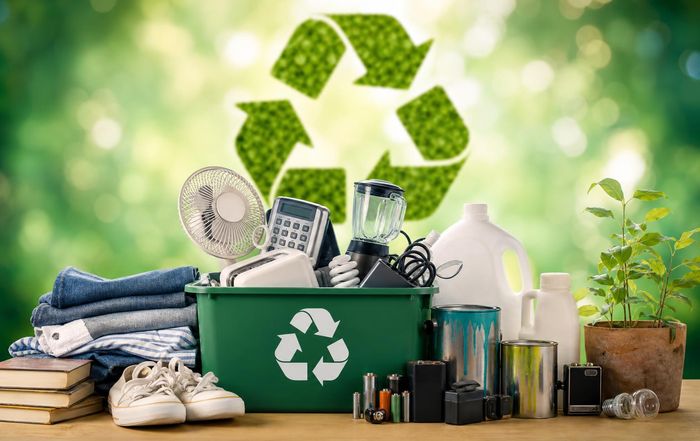
Recycling Solutions for Hard-to-Dispose Home Items
Rethinking Waste: Why Hard-to-Recycle Items Matter
Across homes in North America, Europe, Asia, Africa and beyond, a quiet environmental challenge is building up in drawers, cupboards, garages and garden sheds. Batteries, old phones, broken toys, worn-out textiles, used cooking oil, capsules from coffee machines, damaged furniture, half-empty paint tins and obsolete electronics accumulate because people are unsure what to do with them, or because local systems were not originally designed to handle such complex waste streams. As sustainable living becomes a mainstream aspiration rather than a niche concern, the question is no longer whether individuals should recycle, but how they can responsibly manage the most problematic items that conventional curbside programs do not accept.
For us this challenge is central to its mission of helping households move from good intentions to practical, everyday action. Many readers already separate paper, glass and basic plastics; the next frontier is learning to handle the difficult materials that carry higher environmental risks yet also contain valuable resources. By connecting reliable information, local infrastructure, and innovative solutions, eco-natur aims to empower households to close more loops, prevent pollution, and support a circular economy that rewards care and creativity rather than waste.
The global policy and business landscape is evolving rapidly. The European Union's Circular Economy Action Plan is pushing manufacturers to design products that last longer and are easier to repair and recycle, while extended producer responsibility laws in countries such as Germany, France, Canada and South Korea increasingly require companies to fund take-back and recycling schemes for electronics, packaging and more. In the United States, several states have adopted or expanded e-waste and paint stewardship programs, and cities from San Francisco to Seoul are piloting innovative collection systems for food waste, textiles and small electronics. Against this backdrop, households are discovering that many "hard-to-dispose" items are, in fact, recyclable or reusable when handled with the right knowledge and partners.
Building a Foundation: Sustainable Living and Responsible Disposal
A sustainable home is not defined only by what it buys, but equally by what it discards and how. Responsible disposal sits at the intersection of personal ethics, public health and resource conservation. When batteries are thrown in the trash, they can leak heavy metals; when electronics are informally dismantled, workers may be exposed to dangerous fumes; when textiles and furniture are landfilled, they contribute to methane emissions and squander materials that took energy, water and labor to produce.
Readers who explore Eco Natur's guidance on sustainable living and sustainability often discover that waste management is not merely a technical issue but a lifestyle choice that reflects values of care, sufficiency and respect for ecosystems. It connects directly to climate action, biodiversity protection and human health. Studies summarized by organizations such as the United Nations Environment Programme show that better waste management and recycling can significantly reduce greenhouse gas emissions, particularly when it prevents the extraction and processing of virgin materials. Learn more about the global waste challenge through the UNEP Waste and Climate Change reports.
In this context, hard-to-recycle items are not an afterthought; they are a litmus test of how seriously societies take the idea of a circular economy. When systems are designed to safely and efficiently handle the most complex materials, simpler waste streams usually benefit as well, and households gain confidence that their efforts truly matter.
Electronic Waste: From Hazard to Resource
Among the most urgent categories of difficult household waste is electronic waste, or e-waste, which includes everything from smartphones and laptops to hairdryers, electric toothbrushes, toys with circuit boards, and small kitchen appliances. According to the Global E-waste Monitor compiled by the International Telecommunication Union and partners, the world generates tens of millions of tonnes of e-waste each year, yet only a fraction is documented as being properly collected and recycled. Valuable metals such as gold, copper, palladium and rare earth elements are often lost, while informal recycling in parts of Africa and Asia can expose workers and nearby communities to toxic smoke and contaminated soil. Readers can explore global e-waste data through the Global E-waste Monitor.
In response, many countries and regions have expanded formal e-waste collection networks. In the European Union, the Waste Electrical and Electronic Equipment (WEEE) Directive obliges producers to finance take-back systems, resulting in collection points at electronics retailers, municipal depots and special events. In the United States, states such as California, New York and Washington operate e-waste programs that accept televisions, monitors, computers and related equipment at authorized drop-off sites. Canada, Australia and several Asian economies have similar schemes, often managed through producer responsibility organizations. Households can usually locate nearby options through official portals, such as the U.S. Environmental Protection Agency's guidance on electronics donation and recycling or national e-waste program websites.
For Eco Natur's global audience, a practical approach begins with identifying whether a device can be repaired, reused or donated before it is recycled. Refurbishment and reuse typically have a lower environmental footprint than material recycling because they extend the lifespan of the entire product. Organizations such as iFixit provide open repair guides and tools that encourage a culture of fixing rather than discarding; readers can learn more about repairability and right-to-repair efforts. When repair is not feasible, using certified recyclers that follow standards such as R2 or e-Stewards helps ensure high environmental and labor protections, though the availability of such certifications varies by region.
Eco Natur emphasizes that responsible e-waste management is also a privacy issue. Before handing over devices, users should back up important data, perform factory resets, and, where practical, encrypt or securely wipe storage. This combination of environmental responsibility and digital security reflects the holistic, trust-centered approach that eco-natur encourages across its sustainability resources.
Batteries, Lamps and Hazardous Household Items
Batteries and certain lighting products are another category that often confuses households. From button cells in watches to lithium-ion batteries in cordless tools and e-bikes, the diversity of chemistries and formats means that disposal rules vary considerably. Most authorities warn against placing batteries in regular trash or curbside recycling because of fire risks and the potential release of metals such as lead, cadmium and mercury. Similarly, compact fluorescent lamps and some older bulbs contain small amounts of mercury and should be treated as hazardous waste.
In many countries, retailers that sell batteries are required to accept them back for recycling, while municipalities run periodic collection events or maintain drop-off points at recycling centers. The European Commission has adopted updated battery regulations that include stronger provisions for collection, recycling efficiency and recycled content, signaling a long-term shift towards circular battery value chains. Readers can explore these developments via the EU Batteries Regulation overview. In North America, organizations such as Call2Recycle coordinate battery take-back programs in the United States and Canada, providing an accessible locator for drop-off sites and detailed guidance on safe storage and transport; see Call2Recycle's battery recycling information.
Eco Natur encourages households to store used batteries in non-metallic containers, keep terminals covered with tape to prevent short circuits, and bring them to official collection points regularly rather than waiting for large accumulations. For lamps, checking local government websites or utilities often reveals dedicated recycling programs; for example, some hardware chains in the United States, United Kingdom, Germany and Australia accept fluorescent tubes and bulbs. Following such guidance aligns with Eco Natur's broader focus on recycling as a cornerstone of safe and sustainable home management.
Plastics Beyond the Blue Bin: Films, Foams and Mixed Materials
Plastic waste is one of the defining environmental concerns of this century, yet household conversations often focus only on the familiar bottles and containers that fit into curbside bins. A much more complex challenge lies in flexible plastics, multilayer packaging, foams and composite items that traditional facilities struggle to process. Plastic films from bread bags, frozen food packaging, mailers and wrap can clog machinery, while items combining plastic with metal or paper are difficult to separate.
In response, governments, companies and innovators are experimenting with new approaches. Some supermarkets in Europe and North America now provide collection points for clean plastic films, which can be turned into products such as outdoor decking or new packaging. Industry coalitions in countries including the United Kingdom and Canada have piloted extended producer responsibility schemes for flexible packaging, while researchers are exploring chemical recycling technologies that break plastics down into feedstock. The Ellen MacArthur Foundation tracks many of these initiatives through its New Plastics Economy resources.
However, independent assessments by organizations like the OECD and Greenpeace caution that not all emerging technologies are equally mature or environmentally beneficial. Mechanical recycling remains the most proven option for many plastics, while advanced methods can carry higher energy use or emissions if not carefully managed. Households face a practical challenge: how to act responsibly amid technical and policy debates. Eco Natur recommends that readers focus first on reduction and substitution, drawing on its guidance for plastic-free living, then follow local instructions for which plastics are accepted in curbside or drop-off programs, and finally use specialized collection channels where available.
By treating plastic packaging choices as part of a holistic lifestyle decision rather than a narrow waste issue, households can reduce the flow of difficult plastics at the source, making the remaining waste easier for communities to manage.
Textiles, Clothing and Home Fabrics: Extending Life and Closing Loops
The growth of fast fashion and inexpensive home textiles has led to a surge of clothing, linens and soft furnishings entering waste streams each year. Many households possess wardrobes and linen cupboards that quietly accumulate items that are worn, stained, torn or simply out of style. Landfilling textiles not only wastes fibers and dyes but also contributes to greenhouse gas emissions as natural fibers decompose and synthetic ones persist in the environment, shedding microplastics.
In response, fashion brands, charities and municipalities across Europe, North America, Asia and Africa have expanded collection and reuse systems. Charity shops and social enterprises accept clothing and household textiles that are still wearable, while specialized recycling firms process worn-out items into insulation, industrial rags or new fibers. In some European cities, curbside or neighborhood textile banks are now as common as glass or paper drop-offs. The Ellen MacArthur Foundation's work on a circular economy for fashion outlines how design, business models and infrastructure can work together to keep fibers in circulation longer.
For Eco Natur's readers, the first step is to buy less and buy better, favoring durable, repairable garments and home textiles, ideally made from responsibly sourced materials. This aligns with eco-natur's focus on sustainable living and organic food and textiles as pillars of a healthier home. When items are no longer needed, donating to reputable charities, clothing swaps or online resale platforms extends their useful life. For damaged textiles, checking local collection programs or brand take-back schemes can reveal recycling options; some retailers in the United States, United Kingdom, Germany and other countries now accept used textiles regardless of condition.
By seeing wardrobes and linen cupboards as part of a circular system rather than a linear pipeline to landfill, households contribute to a more responsible fashion and home goods economy, one that values craftsmanship, repair and thoughtful consumption.
Household Chemicals, Paints and Garden Products
Cupboards and sheds in many homes contain a hidden legacy of half-used paints, solvents, pesticides, fertilizers and cleaning products. These substances can pose risks to waterways, soil and human health if poured down drains or placed in general waste. Many jurisdictions classify them as household hazardous waste and provide dedicated collection events or permanent facilities where they can be safely processed.
In North America, for example, the U.S. Environmental Protection Agency provides guidance on household hazardous waste management, while several U.S. states and Canadian provinces participate in paint stewardship programs that allow residents to return leftover paint to participating retailers for recycling or proper disposal. In Europe, national and municipal waste authorities typically publish clear instructions on how to handle these items, and similar systems are emerging in parts of Asia, Latin America and Africa as environmental regulations strengthen.
Eco Natur encourages readers to first reduce the volume of hazardous products entering the home by choosing eco-labeled, low-toxicity alternatives wherever feasible, and by purchasing only the quantities needed. For example, water-based paints with recognized environmental certifications often have lower emissions and are easier to manage at end of life than solvent-based products. In the garden, integrated pest management and organic practices can reduce reliance on synthetic pesticides and fertilizers, aligning with eco-natur's emphasis on wildlife-friendly gardening and biodiversity.
When hazardous products must be disposed of, households should consult local authority websites or waste hotlines to locate the nearest collection facilities and follow storage and transport instructions carefully. This approach protects local ecosystems and communities, ensuring that the pursuit of a beautiful home and garden does not come at the expense of rivers, soils and wildlife.
Organic Waste, Cooking Oil and Food-Related Materials
Food waste, used cooking oil and compostable materials represent another category where responsible handling can turn a disposal problem into a resource opportunity. Unmanaged organic waste in landfills generates methane, a potent greenhouse gas, while cooking oil poured down drains can cause blockages and strain wastewater systems. Yet these same materials can be transformed into compost, biogas or biodiesel when properly collected and processed.
Many cities in Europe and North America have introduced separate collection for food scraps, sending them to industrial composting or anaerobic digestion facilities. In countries such as Sweden, Denmark and South Korea, such systems are often well established, with residents using dedicated bins or bags and sometimes receiving biogas or compost benefits in return. The Food and Agriculture Organization of the United Nations provides overviews of food loss and waste reduction strategies, highlighting how households can contribute to national goals.
Used cooking oil collection points are now common in parts of Europe, the United States, Canada and Australia, with the oil converted into biodiesel or other products. In some regions, restaurants are the primary focus, but household collection programs are expanding as awareness grows. Local water utilities and waste authorities typically publish instructions on how to store and drop off used oil safely.
Eco Natur views food and organic waste management as a natural extension of its guidance on organic food, health and zero-waste living. By planning meals carefully, embracing leftovers, composting where feasible and using official collection systems, households not only reduce environmental impacts but also connect more deeply with the cycles of nature that underpin all food systems.
Furniture, Mattresses and Bulky Household Items
Large items such as furniture, mattresses, carpets and appliances often pose logistical and environmental challenges when they reach the end of their useful life. Informal dumping can damage local landscapes and waterways, while landfilling bulky items consumes space and loses valuable materials such as metals, wood and textiles.
In response, many municipalities worldwide offer bulky waste collection services, either on scheduled days or by appointment, and some partner with social enterprises that refurbish and resell items in good condition. Mattress recycling facilities, which separate steel springs, foam and textiles for reuse, have expanded in regions such as the United States, Canada, the Netherlands and parts of Australia. The International Solid Waste Association provides insights into bulky waste management practices. Retailers in several countries also operate take-back schemes, collecting old mattresses or furniture when delivering new ones.
Eco Natur encourages households to consider donation, resale or upcycling before disposal. Repairing or reupholstering furniture, for example, can preserve craftsmanship and reduce demand for new materials, while creative reuse of wood or fabric can support local makers and circular design. When disposal is unavoidable, using official collection systems ensures that items are handled safely and that any recyclable components are recovered. This aligns with eco-natur's unaffiliated focus on thoughtful design and the role of households in shaping a more circular economy.
The Role of Business and Policy: Building Systems that Make Recycling Easier
Households cannot solve the hard-to-recycle challenge alone. The design of products, packaging and services, as well as the regulations that govern them, profoundly shapes what is possible at the end of life. Around the world, governments and businesses are experimenting with new models that shift responsibility upstream and reward circular solutions.
Extended producer responsibility policies in the European Union, Canada, parts of the United States, South Korea, Japan and other regions require manufacturers to fund or manage collection and recycling programs for electronics, packaging, batteries and more. At the same time, corporate commitments to reduce waste and increase recycled content, often tracked by organizations such as CDP and the World Business Council for Sustainable Development, are pushing companies to rethink materials and supply chains. Readers can explore these trends through resources such as the OECD's work on extended producer responsibility and the World Economic Forum's circular economy initiatives.
For the team here, this landscape underscores the importance of sustainable business practices and transparent collaboration across sectors. When manufacturers design products for durability, repair and recyclability, when retailers facilitate take-back, and when policymakers create clear, ambitious standards, households find it easier to make responsible choices. The result is a virtuous cycle in which individual actions and systemic change reinforce each other.
A Personal Pathway for Eco-Natur Readers
Although the policy and technological context continues to evolve in 2026, the core principles that guide responsible handling of hard-to-dispose items are already clear. Prevention comes first: choosing durable, repairable, low-toxicity products and minimizing unnecessary purchases reduces the volume and complexity of future waste. Reuse and repair come next, extending the life of items and preserving the energy and materials embedded in them. When disposal is unavoidable, using official, well-regulated collection and recycling channels protects health and the environment while recovering valuable resources.
Our little but growing role is to make this journey personal, practical and inspiring. By curating key information on sustainable living, recycling, plastic-free choices, wildlife protection, renewable energy and the broader global sustainability landscape, eco-natur invites each reader to see their home as a node in a global network of care. A battery placed in the right collection box, a phone taken to a certified recycler, a mattress sent to a refurbisher rather than a landfill, a garment repaired instead of discarded: these seemingly small acts accumulate into powerful signals that societies are ready to move beyond the throwaway culture.
As more cities, regions and companies invest in circular systems, the range of solutions for hard-to-dispose items will continue to expand. By staying informed, asking questions of local authorities and brands, and sharing experiences within their communities, Eco Natur's readers can help shape that evolution, ensuring that sustainability is not just a policy goal or a marketing slogan, but a lived reality in every room, cupboard and corner of the home. We hope this article left you with something useful to remember. Carry the strongest ideas forward and keep exploring with an open mind.
