
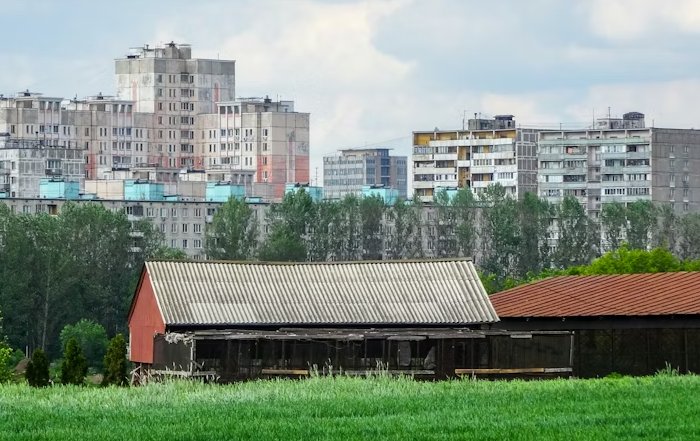
Urban Farming Initiatives in Major Cities: Redesigning the Future of Food, Cities, and Business
Urban Farming as a Strategic Response to Global Urbanization
Urban farming has moved from a niche environmental experiment to a core strategic response to global urbanization, climate risk, and food insecurity. As more than half of the world's population now lives in cities and megacities from New York to Shanghai continue to expand, governments, businesses, and communities are rethinking how food is produced, distributed, and consumed within dense urban environments. Urban agriculture-ranging from rooftop gardens and vertical farms to community plots and high-tech controlled-environment facilities-is increasingly recognized as a practical pathway to more resilient food systems, healthier lifestyles, and lower-emission cities.
For eco-natur.com, which has long focused on the intersections between sustainable living, responsible consumption, and ecological regeneration, urban farming initiatives represent a tangible expression of sustainability in action. Urban farms sit at the crossroads of sustainable living, sustainability, organic food, and sustainable business, providing real-world examples of how cities in North America, Europe, Asia, Africa, and South America can align economic growth with environmental stewardship and public health.
The Strategic Role of Urban Farming in Sustainable Cities
Urban farming is no longer discussed only in terms of community gardens and local hobbies; it is now embedded in broader municipal and national strategies for sustainable development. Organizations such as UN-Habitat and the Food and Agriculture Organization of the United Nations (FAO) have emphasized that urban and peri-urban agriculture can contribute significantly to food security, provide green jobs, and support climate adaptation. Learn more about how urban agriculture fits into sustainable city planning through resources from UN-Habitat and the FAO's work on urban food systems.
From a systems perspective, urban farming initiatives help cities address several interconnected challenges simultaneously. They shorten supply chains by bringing production closer to consumption, which can reduce transport emissions and food waste while increasing freshness and nutritional quality. They expand green infrastructure, improving stormwater management, mitigating urban heat islands, and supporting biodiversity by creating habitats for pollinators and other species. They also create new opportunities for local employment and entrepreneurship, particularly in neighborhoods that have historically lacked investment and access to fresh, healthy food.
In cities across the United States, United Kingdom, Germany, Canada, Australia, France, Italy, Spain, and beyond, municipal authorities are integrating urban agriculture into zoning regulations, land-use plans, and climate strategies. Many of these efforts are guided by evidence from institutions such as the World Resources Institute, which has examined urban food systems and climate impacts, and the C40 Cities Climate Leadership Group, which showcases how leading cities are using urban farming as part of their climate action plans. Learn more about sustainable urban food systems through the World Resources Institute and explore city-level climate food initiatives via C40 Cities.
Models of Urban Farming: From Community Gardens to High-Tech Vertical Farms
Urban farming in 2026 is characterized by diversity of models, technologies, and governance structures, reflecting the different economic, cultural, and climatic contexts of cities worldwide. Some initiatives emphasize low-cost, community-driven approaches, while others are highly capital-intensive, data-driven ventures backed by venture capital and corporate partnerships.
Community gardens and allotments remain foundational in many cities, particularly in Europe and North America, where residents cultivate shared plots to grow vegetables, herbs, and flowers. These spaces often play an important role in social cohesion, education, and mental health, especially in dense urban neighborhoods. In cities such as London, Berlin, Toronto, and Melbourne, local councils and non-profit organizations have supported these initiatives through land access, small grants, and technical assistance, often guided by best practices from organizations like Sustain: The Alliance for Better Food and Farming in the United Kingdom. Learn more about community food initiatives and urban agriculture through Sustain's resources.
At the other end of the spectrum, vertical farming and controlled-environment agriculture have expanded rapidly, especially in the United States, Japan, Singapore, the Netherlands, and the United Arab Emirates. Companies such as AeroFarms, Plenty, and Infarm have pioneered large-scale indoor farms that use LED lighting, hydroponics, and advanced climate control systems to produce leafy greens and herbs at high density with minimal land use and dramatically reduced water consumption compared to conventional agriculture. While these firms are frequently cited in industry reports from organizations like the World Economic Forum and McKinsey & Company, they also raise important questions about energy use, business models, and long-term economic viability. Learn more about the future of vertical farming and controlled-environment agriculture through the World Economic Forum's food systems insights and industry analysis from McKinsey & Company.
Between these two ends of the spectrum, a range of hybrid models has emerged. Rooftop farms on residential, commercial, and public buildings are increasingly common in cities such as New York, Paris, and Tokyo, where building owners recognize the benefits of green roofs for insulation, stormwater management, and property value. Social enterprises and cooperatives manage many of these projects, selling produce to local restaurants, farmers' markets, and subscription-based community-supported agriculture schemes. In other cities, especially in Asia and Latin America, peri-urban agriculture on the city's edge integrates traditional farming with urban markets, blending long-standing agricultural knowledge with modern logistics and digital platforms.
For eco-natur.com, these varied models illustrate that there is no single blueprint for urban farming; instead, there is a spectrum of possibilities that can be adapted to local conditions, community needs, and economic realities, aligning with broader themes explored on the site such as design for sustainability and global perspectives on sustainable economies.
Environmental Benefits: Climate, Waste, and Plastic Reduction
Urban farming initiatives contribute significantly to environmental sustainability, particularly in the context of climate mitigation, circular economy strategies, and reductions in plastic and packaging waste. As city leaders in Europe, Asia, North America, and beyond look to meet climate targets under the Paris Agreement, urban agriculture is increasingly recognized as part of the solution, particularly when integrated with renewable energy, green building standards, and sustainable transport.
By localizing food production, urban farms can reduce the distance food travels from farm to plate, thereby cutting emissions associated with transport and cold-chain logistics. While the precise climate impact depends on the type of farm and its energy sources, research from organizations such as the Intergovernmental Panel on Climate Change (IPCC) and academic institutions like MIT and Wageningen University & Research has highlighted the potential for urban agriculture to contribute to lower-emission food systems when combined with renewable energy and efficient distribution. Learn more about climate and food systems through the IPCC's reports and research from Wageningen University & Research.
Urban farms also intersect with recycling and zero-waste strategies by utilizing organic waste streams as compost or feedstock for anaerobic digestion, thereby closing nutrient loops within cities. Food scraps from households, restaurants, and supermarkets can be transformed into soil amendments, reducing the need for synthetic fertilizers and lowering methane emissions from landfills. Cities such as San Francisco, Milan, and Seoul have demonstrated that integrating organic waste collection with urban agriculture can create a more circular food system, with guidance and case studies often highlighted by the Ellen MacArthur Foundation and the OECD. Learn more about circular economy approaches to food and waste through the Ellen MacArthur Foundation and explore urban waste policy insights via the OECD.
In parallel, urban farming can support plastic-free living by reducing the need for single-use packaging in local food distribution. When residents purchase produce directly from rooftop farms, community gardens, or local indoor farms, they often rely on reusable containers and minimal packaging, which aligns with broader efforts to reduce plastic pollution in oceans and urban waterways. Organizations such as Greenpeace and the Plastic Pollution Coalition have repeatedly emphasized the role of localized, low-packaging food systems in reducing plastic waste. Learn more about strategies to reduce plastic pollution via Greenpeace's plastics campaign and explore global perspectives on plastic reduction through the Plastic Pollution Coalition.
Health, Nutrition, and Wellbeing in Urban Populations
Urban farming initiatives are closely linked to public health, nutrition, and mental wellbeing, particularly in dense cities where access to green space and fresh, affordable produce can be uneven. In many major cities, low-income neighborhoods-often described as food deserts or food swamps-lack supermarkets or markets offering fresh fruits and vegetables, relying instead on convenience stores and fast-food outlets. Urban farms, when thoughtfully located and managed, can help address these disparities by increasing local availability of fresh, organic food and providing nutrition education.
Public health organizations such as the World Health Organization (WHO) and the Centers for Disease Control and Prevention (CDC) have highlighted the importance of fruit and vegetable consumption for preventing non-communicable diseases such as obesity, diabetes, and cardiovascular disease. Urban agriculture can support these goals by making fresh produce more visible, accessible, and culturally relevant within communities. Learn more about the links between diet and health through the WHO's nutrition guidance and the CDC's resources on nutrition and chronic disease.
Beyond nutrition, urban farms provide psychological and social benefits by creating spaces where residents can engage with nature, collaborate with neighbors, and experience the satisfaction of growing food. Research published in leading journals and summarized by institutions such as Harvard T.H. Chan School of Public Health has shown that access to green spaces and gardening activities can reduce stress, improve mood, and encourage physical activity. These benefits are particularly important in dense urban environments in countries such as Japan, South Korea, Singapore, and the United States, where long working hours and high population density can contribute to stress and social isolation. Learn more about how green spaces and gardening affect health through resources from the Harvard T.H. Chan School of Public Health.
For eco-natur.com, which explores connections between sustainability and health and wellbeing, urban farming represents a practical, visible way to bring together environmental, nutritional, and mental health benefits in one integrated approach, whether in European capitals, North American cities, or rapidly growing metropolitan areas in Asia, Africa, and South America.
Urban Farming as an Engine of Sustainable Business and Local Economies
Urban farming initiatives have increasingly become part of the economic fabric of major cities, contributing to green jobs, entrepreneurship, and innovation in the broader sustainable economy. From a business perspective, urban agriculture offers opportunities across the value chain: farm design and engineering, smart irrigation and sensor technologies, renewable energy integration, logistics and distribution, and value-added food products.
In many cities, urban farming enterprises operate as social businesses or cooperatives, balancing economic viability with social and environmental missions. These organizations often provide training and employment for marginalized groups, including youth, migrants, and people returning from incarceration, thereby linking sustainability with social inclusion. At the same time, large-scale vertical farming companies and agri-tech startups are attracting investment from venture capital firms and strategic corporate partners, particularly in innovation hubs in the United States, Europe, and Asia. Analysis from the International Finance Corporation (IFC) and global consultancies has pointed to urban agriculture and agri-tech as growth segments within sustainable infrastructure and climate-smart agriculture. Learn more about investment trends in sustainable agriculture through the IFC's climate and agriculture resources and global analyses from the World Bank on food systems and climate.
Urban farming is also reshaping how restaurants, retailers, and hospitality businesses think about sourcing and branding. In cities such as New York, London, Berlin, Singapore, and Sydney, restaurants and hotels increasingly highlight partnerships with local urban farms as part of their sustainability narratives, emphasizing freshness, traceability, and reduced environmental impact. This shift aligns with growing consumer interest in sustainable and transparent supply chains, as documented by organizations such as the Global Reporting Initiative (GRI) and the Sustainable Food Trust. Learn more about sustainable business practices and reporting frameworks through the Global Reporting Initiative and explore food system sustainability insights from the Sustainable Food Trust.
For eco-natur.com, which examines sustainable business and economy from a global perspective, urban farming serves as a compelling case study in how environmental responsibility, local resilience, and economic opportunity can be aligned. In many major cities across North America, Europe, Asia, and beyond, urban farms are not just environmental projects; they are viable businesses, innovation platforms, and catalysts for broader green economic transitions.
Wildlife, Biodiversity, and Ecological Regeneration in Cities
Urban farming initiatives intersect with efforts to restore wildlife and biodiversity in cities, which is increasingly recognized as essential for ecological resilience and human wellbeing. While some critics have raised concerns that intensive urban agriculture could reduce habitat diversity if poorly designed, many projects are now deliberately incorporating biodiversity-friendly practices such as pollinator corridors, native plantings, and multi-layered agroforestry systems.
Organizations such as the International Union for Conservation of Nature (IUCN) and the Convention on Biological Diversity (CBD) have emphasized the importance of urban biodiversity for global conservation targets, noting that cities can play a substantial role in habitat creation and connectivity. Rooftop farms and community gardens that integrate flowering plants, shrubs, and small trees can provide food and shelter for bees, butterflies, birds, and other species, particularly in cities where sealed surfaces dominate. Learn more about urban biodiversity through resources from the IUCN and global biodiversity policy insights from the Convention on Biological Diversity.
In cities across Europe, North America, and Asia, partnerships between urban farms, conservation organizations, and universities are generating new knowledge about how to design food-producing landscapes that also function as ecological stepping stones. For eco-natur.com, which has long highlighted the importance of biodiversity and ecosystem health, these initiatives demonstrate that urban farming need not be in conflict with nature; instead, it can become a tool for ecological regeneration within the built environment when guided by science-based design and long-term stewardship.
Policy, Regulation, and Governance in Leading Urban Farming Cities
The growth of urban farming since 2020 has been strongly influenced by policy and governance, as city authorities and national governments in countries such as the United States, Canada, Germany, the Netherlands, Singapore, Japan, and Brazil have increasingly recognized the strategic value of urban agriculture. Zoning laws, building codes, food safety regulations, and land tenure policies can either facilitate or constrain urban farming, making governance a critical factor in the sector's evolution.
Some cities have adopted comprehensive urban agriculture strategies that integrate land-use planning, climate objectives, and social equity goals. For example, North American and European cities have implemented policies that allow urban farming in formerly industrial zones, incentivize green roofs and food-producing landscapes through tax benefits, or require new developments to include green infrastructure. Policy guidance and case studies from organizations such as ICLEI - Local Governments for Sustainability and the UN Food Systems Summit process have supported this policy innovation, helping cities learn from each other's successes and challenges. Learn more about urban sustainability policy through ICLEI's city resources and explore food system policy insights via the United Nations Food Systems Hub.
In Asia, cities like Singapore and Seoul have taken a particularly proactive approach, providing grants, land access, and research support to high-tech urban farming ventures as part of national food security strategies. Meanwhile, in parts of Africa and South America, informal urban agriculture has long played a role in household food security, and there is growing recognition that supportive policies and infrastructure can formalize and scale these practices while protecting vulnerable communities from displacement.
For eco-natur.com, which explores global sustainability trends, the policy dimension underscores that urban farming is not merely a grassroots movement or a market-driven innovation; it is a governance challenge and opportunity that requires coordination between planners, public health officials, environmental agencies, and community organizations.
Integrating Urban Farming into Holistic Sustainable Lifestyles
Urban farming initiatives are most powerful when they are embedded within broader sustainable lifestyle transitions. For residents of major cities across Europe, North America, Asia, Africa, and South America, participation in urban agriculture-whether as consumers, volunteers, or entrepreneurs-can catalyze changes in daily habits, from diet and waste management to energy use and mobility.
When city dwellers engage with food production directly, they often become more conscious of seasonality, resource use, and the environmental impacts of their consumption choices, reinforcing shifts toward sustainable lifestyle practices such as reduced meat consumption, increased plant-based diets, and support for local producers. They may also become more committed to renewable energy solutions, as many urban farms integrate solar panels or other clean energy technologies to power lighting, pumps, and climate control systems.
For eco-natur.com, urban farming is therefore not only a topic of agriculture or urban design; it is a lens through which to understand how individuals, businesses, and governments can collaborate to build more sustainable, resilient, and equitable cities. By connecting themes such as sustainable living, recycling and zero waste, plastic-free consumption, organic food and health, and sustainable business and economy, urban farming initiatives demonstrate that the transition to sustainability is multifaceted and deeply interconnected.
As cities in the United States, United Kingdom, Germany, Canada, Australia, France, Italy, Spain, the Netherlands, Switzerland, China, Sweden, Norway, Singapore, Denmark, South Korea, Japan, Thailand, Finland, South Africa, Brazil, Malaysia, New Zealand, and beyond continue to evolve, urban farming will remain a visible and influential arena where environmental ambition meets practical implementation. The experiences of these cities offer valuable lessons for a world that is increasingly urban, interconnected, and in urgent need of regenerative solutions-lessons that eco-natur.com will continue to explore, share, and contextualize for a global audience committed to building a sustainable future.
