
How to Choose Sustainable Gardening Tools in 2026
Sustainable Gardening Tools as a Strategic Decision
By 2026, the choice of sustainable gardening tools has become a strategic decision that touches household economics, corporate performance, and environmental responsibility across every major region of the world. For the international readership of eco-natur.com, from home gardeners in the United States and the United Kingdom to landscape professionals in Germany, Canada, Australia, France, Italy, Spain, the Netherlands, Switzerland, China, Sweden, Norway, Singapore, Denmark, South Korea, Japan, Thailand, Finland, South Africa, Brazil, Malaysia, and New Zealand, the tools used to cultivate soil and plants are now recognized as tangible levers in the transition toward a low-carbon, circular economy. What was once framed simply as "eco-friendly" purchasing has matured into a disciplined approach that integrates life-cycle thinking, ethical sourcing, regulatory trends, and long-term financial value, whether the setting is a balcony garden in London, a vineyard in Spain, a rooftop farm in Singapore, or a community garden in Johannesburg.
This shift is closely aligned with the broader sustainable living philosophy that underpins eco-natur.com, where gardening is not an isolated hobby but a practical extension of responsible consumption, climate awareness, and nature-positive lifestyles. Readers who already explore topics such as sustainable living, sustainability, and sustainable business understand that every product has a story before and after it reaches the shed or garage. Metals, plastics, and composites are extracted, processed, and shipped through global supply chains that span continents, and the cumulative impact of these activities contributes to greenhouse gas emissions, air and water pollution, and resource depletion. The tools that ultimately touch the soil are therefore embedded in a complex web of economic and environmental relationships that extend far beyond the boundaries of any individual garden.
In this context, choosing sustainable gardening tools in 2026 is less about following trends and more about applying a structured, evidence-based lens to purchasing decisions. For the audience of eco-natur.com, which values Experience, Expertise, Authoritativeness, and Trustworthiness, this means looking past marketing slogans and instead evaluating how each tool performs across its entire life cycle, how it aligns with the principles of zero-waste and plastic-free living, and how it supports the long-term health of local ecosystems and communities.
Life-Cycle Sustainability in Gardening Tools
Understanding sustainability in gardening tools begins with a life-cycle perspective, which has become a central framework in global environmental policy and corporate strategy. Rather than focusing solely on whether a product is labeled "recycled" or "eco," leading institutions such as the United Nations Environment Programme and the World Resources Institute encourage decision-makers to consider the environmental and social footprint from raw material extraction to manufacturing, distribution, use, and end-of-life. Readers who wish to deepen their understanding of these concepts can explore guidance on sustainable consumption and production from UNEP or review analytical perspectives on resource efficiency from the World Resources Institute.
From this life-cycle standpoint, a truly sustainable gardening tool is one that delivers high functional performance while minimizing environmental harm and social risk at every stage of its existence. A stainless steel hand trowel with a responsibly sourced wooden handle that can be maintained, sharpened, and repaired for decades, and eventually recycled, may represent a more sustainable investment than a lower-quality tool marketed with "green" branding but designed to fail within a few seasons. This reasoning holds across markets in North America, Europe, Asia, Africa, and South America, because durability, reparability, and responsible end-of-life options reduce resource throughput and waste in any regulatory or infrastructural context.
The systems approach advocated by eco-natur.com in its coverage of economy and sustainable business reinforces this view. Each purchase is treated as a vote for a particular value chain: one that either accelerates resource depletion and waste or one that supports circularity, responsible production, and long-term resilience. For gardening tools, this means asking how materials are sourced, how efficiently factories operate, how transparent logistics networks are, and how clearly manufacturers articulate their environmental and social commitments. Learn more about sustainable business practices through organizations that specialize in corporate responsibility and circular economy models, which increasingly shape investor expectations and regulatory frameworks worldwide.
Material Choices: Metals, Wood, and Advanced Alternatives
Materials remain one of the most visible indicators of sustainability in gardening tools, and in 2026 the discussion has evolved beyond a simple "plastic versus metal" debate into a nuanced assessment of recyclability, toxicity, durability, and local waste management capabilities. For many years, inexpensive plastic tools dominated mass retail shelves in North America, Europe, and parts of Asia, but growing awareness of plastic pollution and microplastics has led many gardeners to align their choices with the plastic-reduction principles outlined on eco-natur.com and in its dedicated section on plastic-free solutions.
Metals such as stainless steel, carbon steel, and aluminum, when responsibly sourced and properly maintained, generally offer superior durability and recyclability compared with conventional plastics. Industry bodies including the International Stainless Steel Forum and the Aluminium Stewardship Initiative have documented how recycling metals can significantly reduce energy use and emissions relative to primary production, and readers interested in the environmental performance of recycled metals can consult resources from the Aluminium Stewardship Initiative or the Steel Recycling Institute. High-quality steel blades and heads, combined with robust ferrules and fasteners, can withstand intensive use in climates as diverse as the wet conditions of the United Kingdom, the heat of Australia, and the seasonal extremes of Canada and Scandinavia.
Wooden handles, when sourced from responsibly managed forests, add another dimension to sustainable material strategies. Certification schemes such as those administered by the Forest Stewardship Council (FSC) help ensure that timber comes from forests managed to protect biodiversity, respect indigenous rights, and maintain long-term productivity. Gardeners who care about wildlife and biodiversity often see FSC-certified handles as a natural extension of their commitment to habitat conservation. Organizations such as the FSC and the World Wildlife Fund provide accessible explanations of how sustainable forestry supports climate resilience and ecosystem health, offering context for why a seemingly small choice in handle material can have far-reaching implications.
At the same time, not all plastics and composites are inherently unsustainable. Some manufacturers now employ recycled plastics, bio-based polymers derived from agricultural residues, or hybrid materials that reduce fossil fuel inputs and may be recyclable in specialized facilities. The Ellen MacArthur Foundation has been influential in defining what a circular plastics economy could look like, and those interested in innovative material flows can explore its work on circular economy solutions. Yet, for a global audience that includes readers from the Netherlands, Switzerland, China, Singapore, South Korea, and Brazil, it is essential to recognize that the theoretical recyclability of a material is only meaningful if local systems can actually process it. This is why eco-natur.com emphasizes a pragmatic view of recycling, encouraging readers to understand municipal and regional capabilities before assuming that "biodegradable" or "compostable" plastics will deliver real environmental benefits.
Regulatory agencies such as the U.S. Environmental Protection Agency and the European Environment Agency provide region-specific data and guidance on waste streams and recycling performance, and readers can explore these perspectives via the EPA and the EEA. Integrating such information with local realities allows gardeners and businesses to select tool materials that align with both global best practices and the practical constraints of their own cities and countries.
Durability, Repairability, and Long-Term Economics
Durability has emerged as one of the most powerful levers for reducing environmental impact and total cost of ownership in gardening tools. A low-cost rake or pruner that fails after a single season embodies wasted energy, materials, and labor, and it forces the user back into the cycle of replacement and disposal. By contrast, a robust spade or hoe designed to last decades, with components that can be sharpened, tightened, or replaced, exemplifies the long-term thinking that eco-natur.com promotes in its coverage of sustainable living and resource-conscious lifestyles.
For professional landscapers in the United States, municipal park departments in Germany, smallholder farmers in South Africa, and urban agriculture projects in Brazil, the economics of tool choice are particularly clear. What matters is not the lowest purchase price but the total cost over the tool's life, including maintenance, downtime, and replacement. Institutions such as the OECD and the World Bank have highlighted how durable products contribute to resource efficiency and economic resilience, especially in regions where capital is constrained or waste infrastructure is limited, and readers can explore these macroeconomic perspectives through the OECD's work on sustainable materials management and the World Bank's circular economy resources.
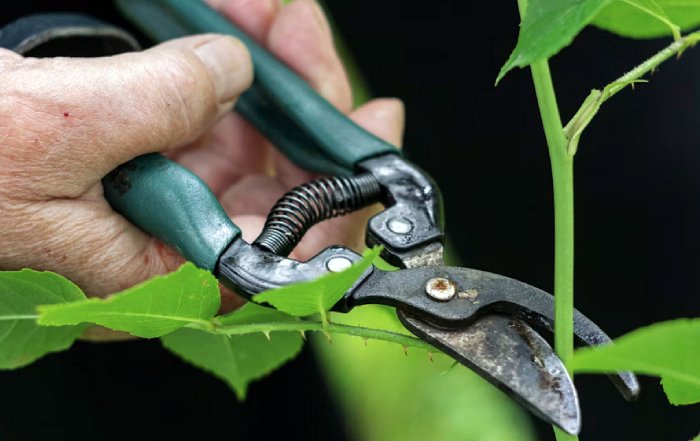
Repairability is increasingly recognized as a defining feature of sustainable products. Gardening tools that use standardized screws, modular components, and accessible mechanisms can often be repaired at low cost, extending their useful life by many years. High-end pruning shears with replaceable blades and springs, shovels with interchangeable handles, and wheelbarrows with serviceable bearings and tires all embody this philosophy. The broader "right to repair" movement, which has gained regulatory traction in Europe and parts of North America, reinforces these expectations by encouraging manufacturers to design products that can be maintained rather than discarded. Organizations such as iFixit and Repair.org provide insights into this movement, and their resources on right to repair and repair-friendly design principles illustrate how consumer pressure and policy changes are reshaping manufacturing practices.
From a lifestyle perspective, maintaining tools through sharpening, cleaning, and oiling can also support the well-being benefits associated with nature-based routines. The act of caring for tools becomes part of a slower, more mindful approach to gardening that aligns with the health-oriented guidance found in eco-natur.com's section on health and environment. In this way, durability and repairability are not only technical attributes but also expressions of respect for materials, craftsmanship, and the ecosystems that supply them.
Energy Use, Emissions, and the Role of Electrification
The choice between manual, electric, and fuel-powered tools has become a focal point in discussions about climate mitigation, urban air quality, and neighborhood liveability. In many jurisdictions, particularly in the United States, Canada, the United Kingdom, Germany, and Australia, regulators are tightening emissions standards for small gasoline engines or phasing them out altogether, recognizing that lawn and garden equipment can emit disproportionate levels of volatile organic compounds and nitrogen oxides. Agencies such as the California Air Resources Board and the U.S. Department of Energy have published data on the environmental performance of different equipment categories, and readers can learn more through the DOE's energy efficiency resources.
For small gardens and urban settings, manual tools remain the most sustainable choice in many cases. High-quality hand tools require no external energy, generate no direct emissions, and produce minimal noise, making them ideal for dense neighborhoods in cities such as New York, London, Paris, Tokyo, Singapore, and Copenhagen. They also align naturally with the low-impact ethos explored in eco-natur.com's guidance on sustainable living and zero-waste practices. When well designed and ergonomically sound, manual tools can deliver excellent performance for soil preparation, planting, weeding, and pruning, while also encouraging a closer, more attentive relationship with the garden itself.
For larger properties, commercial operations, or municipal landscapes, electric and battery-powered tools often become necessary to maintain efficiency and productivity. In these contexts, the sustainability profile of powered tools depends heavily on the electricity mix and the quality and longevity of batteries. Regions with high shares of renewables, such as parts of Scandinavia, Germany, and New Zealand, can operate electric tools with relatively low carbon footprints, especially when combined with on-site renewable energy solutions such as rooftop solar or community energy schemes. Organizations like the International Energy Agency and the International Renewable Energy Agency provide detailed analyses of these trends, which can be explored via the IEA and IRENA.
Battery sustainability remains a complex challenge. Lithium-ion batteries rely on critical minerals including lithium, cobalt, and nickel, whose extraction has been associated with environmental degradation and social risks in several producing countries. Advocacy groups such as Amnesty International and industry initiatives like the Responsible Minerals Initiative have documented these issues and are working to improve traceability and standards, with further information accessible through Amnesty's business and human rights work and the Responsible Minerals Initiative. For readers of eco-natur.com, this means that selecting battery-powered gardening tools is not only a matter of emissions but also of ethical sourcing and end-of-life management, including manufacturer take-back schemes and certified recycling programs.
Ethical Supply Chains, Certifications, and Corporate Accountability
Sustainable gardening tools are shaped not only by their materials and energy use but also by the social conditions under which they are produced. In 2026, ethical supply chains have become a central concern for consumers and businesses in regions as diverse as Europe, Asia, Africa, and the Americas, and they form an integral part of the Experience, Expertise, Authoritativeness, and Trustworthiness that eco-natur.com seeks to embody. Tool manufacturing frequently spans multiple countries, with raw materials extracted in one region, components produced in another, and assembly completed in a third; without clear standards and transparency, this complexity can obscure labor rights violations, unsafe working conditions, or environmental harm.
Global frameworks such as the UN Global Compact and the OECD Guidelines for Multinational Enterprises provide benchmarks for responsible corporate behavior in areas including human rights, labor standards, and environmental stewardship. Readers seeking to understand these expectations can consult the UN Global Compact's principles and the OECD's guidelines, which are increasingly referenced by investors, regulators, and civil society organizations. When evaluating gardening tool brands, both individual consumers and institutional buyers can look for explicit commitments to such frameworks, as well as for sustainability reports aligned with standards developed by the Global Reporting Initiative and the Sustainability Accounting Standards Board, whose resources are available at GRI and SASB.
Product-level certifications can offer additional clues, although they should be interpreted with care. Labels related to responsible forestry, fair labor practices, or reduced environmental impact can help differentiate tools on the market, but the robustness of these schemes varies. For organizations integrating sustainability into procurement policies, such as municipal authorities, landscaping firms, or urban development projects, aligning tool purchasing with the principles discussed in eco-natur.com's section on sustainable business can strengthen environmental, social, and governance (ESG) performance and support long-term reputational value.
Transparency is a cornerstone of trust. Companies that disclose their manufacturing locations, supply chain partners, and environmental metrics enable stakeholders to make informed judgments and hold them accountable. In contrast, vague claims of being "green" or "eco-friendly" without supporting details should be approached skeptically. Regulatory bodies such as the Federal Trade Commission in the United States and the European Commission in Europe have issued guidance on avoiding misleading environmental claims, and interested readers can refer to the FTC's Green Guides and the European Commission's resources on reliable green claims for clarity on how to interpret marketing language.
Design, Ergonomics, and the User Experience
Sustainability in gardening tools must be integrated with functionality and user comfort, because tools that are difficult, unsafe, or painful to use will be abandoned regardless of their environmental credentials. For the audience of eco-natur.com, which values thoughtful design and human-centered innovation, the most compelling tools are those that combine robust materials and ethical sourcing with excellent ergonomics, intuitive operation, and long service life.
Ergonomic handles that fit comfortably in the hand, weight distribution that minimizes strain, and grip textures that remain secure in wet or muddy conditions are all critical for reducing fatigue and preventing injuries. These considerations are especially important for older gardeners, people with limited mobility, and professionals who rely on tools for many hours each day. Health authorities such as the World Health Organization and national occupational safety agencies provide guidance on musculoskeletal health and ergonomics, and readers can explore these perspectives through the WHO's occupational health resources or the UK Health and Safety Executive's materials on manual handling and MSDs.
Good design also supports circularity and repair. Tools that can be easily disassembled with standard tools, that use fasteners rather than permanent adhesives, and that clearly label materials enable users and recyclers to separate components at end-of-life. This design for disassembly is closely aligned with the zero-waste principles discussed on eco-natur.com and with the broader evolution of circular design practices in cities and regions that are adopting ambitious sustainability strategies. In this way, the user experience is not limited to how a tool performs in the garden; it extends to how straightforward it is to maintain, repair, and eventually return its materials to productive use.
Integrating Sustainable Tools into the Eco-Natur Lifestyle
For the global community that turns to eco-natur.com as a trusted resource on organic food, sustainability, wildlife, and global environmental trends, the selection of sustainable gardening tools in 2026 is best understood as one component of a holistic lifestyle and business strategy. Tools are enablers: they make it possible to cultivate organic vegetables in suburban backyards in the United States and Canada, to restore native plants in South African and Brazilian landscapes, to support pollinator-friendly terraces in European cities, and to maintain educational gardens in schools and community centers across Asia and Africa. When chosen with care, tools amplify the positive impacts of these activities by supporting healthier soils, richer biodiversity, and more resilient local food systems.
This integrated view resonates with the core message of eco-natur.com: that sustainable living is not defined by isolated actions but by consistent patterns of decision-making that align daily habits with long-term ecological and social goals. By applying life-cycle thinking, prioritizing durability and repairability, scrutinizing supply chain ethics, and considering the energy and emissions profile of powered equipment, readers can ensure that their gardening practices contribute meaningfully to the broader transition toward a low-impact, regenerative economy. Those who wish to deepen this journey can explore additional guidance across eco-natur.com, from sustainable living strategies and lifestyle choices to perspectives on the global economy and sustainability.
In 2026, choosing sustainable gardening tools is no longer a marginal or symbolic gesture; it is a practical, measurable expression of responsibility that connects backyards and balconies to global supply chains, policy debates, and environmental outcomes. By drawing on the expertise curated by eco-natur.com and the insights of trusted international organizations, gardeners, designers, facility managers, and business leaders can equip themselves with tools that not only perform well in the soil, but also reflect a clear commitment to a healthier planet and more equitable future.
