
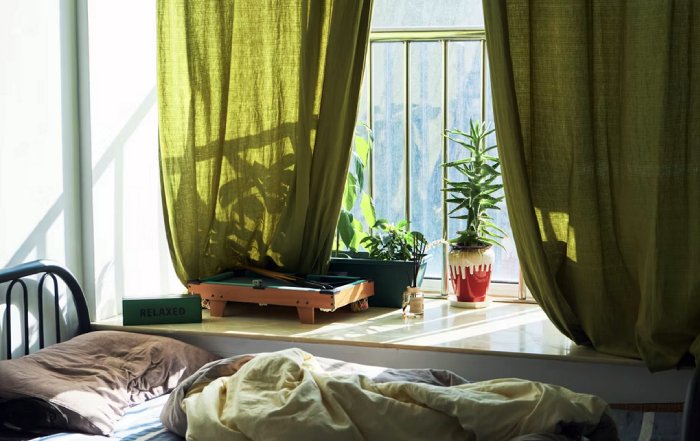
How to Create an Eco-Friendly Bedroom in 2026
Redefining the Bedroom as a Sustainable Sanctuary
By 2026, the bedroom in homes across North America, Europe, Asia, Africa, and South America has evolved into far more than a place to sleep; it is now a multi-functional, deeply personal environment where people work remotely, recharge emotionally, and protect their health in an increasingly uncertain climate and economic landscape. As environmental pressures intensify and expectations for healthier indoor spaces rise, the bedroom has become one of the most practical and immediate arenas for translating global sustainability goals into everyday practice. On eco-natur.com, the bedroom is treated as a miniature ecosystem within the wider home, a space where decisions about materials, energy, air quality, and design can either reinforce or undermine a long-term commitment to sustainable living.
In this context, creating an eco-friendly bedroom in 2026 is no longer framed as a trend-driven makeover or a single "green" purchase, but as a strategic and ongoing process rooted in the principles of circularity, responsible consumption, and evidence-based health protection. This approach is informed by the work of institutions such as the World Health Organization, which continues to document the health effects of indoor air pollution and chemical exposure, and the Intergovernmental Panel on Climate Change, whose assessments underscore the need to reduce emissions and resource use across the built environment. Those who wish to understand how personal choices in the home relate to global climate trajectories can explore the latest IPCC reports and summaries, while the United Nations Environment Programme offers a broader policy and science-based perspective on sustainable lifestyles and consumption that complements the practical guidance presented on eco-natur.com.
The Pillars of Bedroom Sustainability in a Global Context
A genuinely eco-friendly bedroom rests on four interdependent pillars: material sustainability, indoor environmental quality, energy performance, and ethical responsibility across the supply chain. These pillars provide a practical framework for readers in the United States, the United Kingdom, Germany, Canada, Australia, France, Italy, Spain, the Netherlands, Switzerland, China, Sweden, Norway, Singapore, Denmark, South Korea, Japan, Thailand, Finland, South Africa, Brazil, Malaysia, New Zealand and other regions to translate broad sustainability goals into concrete design and purchasing decisions.
Material sustainability focuses on what furniture, textiles, flooring, and finishes are made from, how they are sourced, and what happens to them at the end of their useful life. Indoor environmental quality addresses air purity, thermal comfort, acoustic conditions, and access to daylight, all of which are increasingly recognized as determinants of sleep, cognitive performance, and long-term health. Energy performance encompasses lighting, heating, cooling, and electronics, which together define the operational footprint of the bedroom and its contribution to household emissions and costs. Ethical responsibility extends beyond the walls of the home to labor conditions, community impacts, and the governance of global supply chains, aligning bedroom choices with the values of a sustainable business and a resilient, just economy.
This holistic perspective, central to eco-natur.com, positions the eco-friendly bedroom as a nexus where environmental stewardship, health protection, and financial prudence intersect. Agencies such as the U.S. Environmental Protection Agency and the European Environment Agency provide authoritative resources on indoor air quality, chemical safety, and sustainable consumption; readers can review the EPA's guidance on indoor air quality to better understand why seemingly small decisions about paints, sealants, and furnishings carry long-term implications for both health and climate.
Selecting Responsible Materials and Furniture
In most homes, furniture and surface materials represent the most visible and durable expression of sustainability choices. Conventional bedroom furniture is often manufactured from composite woods bonded with formaldehyde-based resins, coated with solvent-intensive varnishes, and sourced from forests that may not be managed responsibly, thereby contributing to deforestation, biodiversity loss, and indoor air pollution. A more sustainable strategy, increasingly adopted in markets from the United States and Canada to Germany, the Netherlands, and Singapore, prioritizes certified solid wood, recycled or reclaimed materials, and low-toxicity finishes.
Timber sourcing can be guided by independent certification systems such as the Forest Stewardship Council (FSC) and the Programme for the Endorsement of Forest Certification (PEFC), which verify that wood products come from responsibly managed forests that protect biodiversity and local communities. Those wishing to understand these standards in more depth can consult the Forest Stewardship Council's global resources. By choosing FSC- or PEFC-certified bed frames, wardrobes, and nightstands, consumers support forest conservation efforts that align closely with the values explored in eco-natur.com's coverage of biodiversity and ecosystem protection.
Reclaimed and upcycled furniture has become an important component of low-impact interior design, especially in regions with established second-hand markets such as the United Kingdom, Germany, Scandinavia, and parts of North America. High-quality vintage solid-wood wardrobes, refurbished metal beds, and reupholstered seating extend the life of existing materials, avoiding the emissions and resource use associated with new production. Organizations such as the Ellen MacArthur Foundation have popularized the concept of the circular economy, and their work on circular design and reuse provides a conceptual foundation for individuals and businesses aiming to reduce waste in bedroom design and beyond.
Finishes, adhesives, and coatings are equally important. Low-VOC or zero-VOC paints and varnishes, validated by schemes such as EU Ecolabel, Green Seal, or other recognized eco-labels, help reduce indoor concentrations of volatile organic compounds that can trigger respiratory symptoms and contribute to long-term health risks. Resources from Green Seal and the Healthy Building Network support more informed product selection and complement the health-centered perspective developed in eco-natur.com's dedicated section on health and wellbeing in sustainable interiors.
Mattresses, Bedding, and the Environmental Cost of Comfort
Because people spend a substantial portion of their lives in bed, the mattress and bedding have disproportionate influence on both personal health and environmental impact. Traditional mattresses, widely sold across North America, Europe, and Asia, often contain polyurethane foam derived from fossil fuels, synthetic latex, flame retardants, and adhesives that can off-gas into the bedroom for years. In response, the global market has seen rapid growth in mattresses and bedding designed with natural and certified materials that align with broader commitments to organic agriculture and non-toxic living.
Eco-conscious mattresses frequently rely on natural latex, organic cotton, organic wool, and sustainably sourced wood or steel frames. Certifications such as the Global Organic Textile Standard (GOTS), the Global Organic Latex Standard (GOLS), and OEKO-TEX Standard 100 provide verifiable assurance regarding material origin, chemical use, and production practices. The Global Organic Textile Standard organization offers detailed criteria and explanations, allowing consumers to understand what organic certification entails and to link their bedroom textiles with the same principles that guide their choices of organic food.
Sheets, pillowcases, and duvet covers made from organic cotton, linen, hemp, or TENCEL⢠Lyocell generally carry lower pesticide burdens, can reduce water use, and offer improved end-of-life biodegradability compared with conventional cotton or fully synthetic fibers. Organizations such as Textile Exchange and the Better Cotton Initiative provide independent analysis and market data on more responsible fiber options, and interested readers can explore sustainable fiber choices to align their purchasing decisions with best practices in agricultural and textile production.
Pillows and duvets present similar considerations. Natural fillings such as organic wool, responsibly sourced down certified by the Responsible Down Standard, or plant-based and recycled fiber alternatives can deliver high performance while lowering environmental impact. In colder climates, including Canada, the Nordic countries, the Alps, and parts of East Asia, high-quality natural fillings provide superior thermal regulation, which can enable households to reduce bedroom heating levels without sacrificing comfort, thereby reinforcing the energy and climate objectives discussed in eco-natur.com's coverage of renewable energy and efficiency.
Indoor Air Quality, Health, and Restorative Sleep
In 2026, the relationship between indoor air quality and health is better documented than ever, yet many bedrooms still contain sources of pollutants that compromise sleep and wellbeing. The World Health Organization continues to warn about the health impacts of indoor air contaminants, including volatile organic compounds, particulate matter, and allergens, which can contribute to asthma, allergies, cardiovascular disease, and cognitive impairment. Those seeking a detailed overview of these issues can consult the WHO's resources on air pollution and health.
An eco-friendly bedroom therefore emphasizes low-emission materials and effective ventilation. Low-VOC paints, adhesives, and sealants reduce chemical off-gassing; untreated or minimally treated solid wood can be favored over composite materials; and synthetic fragrances in candles, diffusers, and cleaning products can be replaced with fragrance-free or naturally derived alternatives. In dense urban centers from New York and Los Angeles to London, Berlin, Shanghai, Singapore, and São Paulo, where outdoor air pollution can also be a concern, high-efficiency particulate air (HEPA) purifiers and well-designed ventilation strategies play a critical role in reducing fine particles and allergens without excessive energy losses.
Houseplants remain popular as symbolic and psychological elements of biophilic design, and while studies, including those originally conducted by NASA, have shown that plants can remove certain pollutants in controlled environments, their real-world impact on whole-room air quality is limited. Nevertheless, plants can support mental wellbeing, modulate humidity, and reinforce a visual connection to nature. For a broader scientific perspective on how buildings influence health, the Harvard T.H. Chan School of Public Health offers research and tools through its Healthy Buildings program, which examines how indoor environments affect health and performance.
Lighting, Energy Efficiency, and Circadian Rhythms
Lighting in the bedroom has both environmental and physiological dimensions. The global shift toward LED lighting has dramatically improved energy efficiency across households in the United States, Europe, Australia, and many parts of Asia, reducing electricity consumption and associated emissions. Yet the spectral quality, intensity, and timing of light exposure remain crucial determinants of circadian rhythms and melatonin production, with direct implications for sleep quality and overall health.
An eco-friendly bedroom in 2026 is typically organized to maximize natural daylight during waking hours, using window placement, reflective surfaces, and lighter wall colors to bring in as much daylight as possible, thereby reducing the need for artificial lighting. In the evening, warm-tone LED lamps, dimmers, and targeted task lighting near reading areas help create a calming environment that supports the body's transition to sleep. Organizations such as the National Sleep Foundation provide guidance on lighting strategies that promote healthy sleep, reinforcing the connection between lighting design, rest, and productivity.
Energy management now frequently includes smart controls, from occupancy sensors to programmable timers and integrated home energy systems. By minimizing standby power for chargers, entertainment devices, and decorative lighting, households in regions with high electricity prices or carbon-intensive grids-such as parts of the United States, Australia, South Africa, and several Asian economies-can reduce both costs and emissions. These incremental gains across millions of bedrooms contribute to the broader energy transition that eco-natur.com highlights in its analysis of renewable energy and low-carbon systems.
Textiles, Plastic-Free Choices, and Waste Minimization
Textiles define much of the tactile and visual character of a bedroom, yet they are also central to the global challenges of plastic pollution, water consumption, and chemical use. Synthetic textiles such as polyester, acrylic, and nylon-common in bedding, carpets, and curtains-shed microfibers during washing, which ultimately enter rivers, lakes, and oceans. The International Union for Conservation of Nature has documented the scale of this problem, and readers can learn more about microplastic pollution in marine environments to understand why textile choices in the bedroom matter to distant ecosystems.
A plastic-free or low-plastic bedroom aligns closely with the plastic-free philosophy promoted on eco-natur.com, favoring natural fibers such as wool, cotton, linen, and jute for rugs, blankets, and curtains. In countries with strong traditions of natural materials and craftsmanship, including the United Kingdom, Germany, the Nordic nations, Japan, and Italy, these fibers can be combined with modern weaving and finishing techniques to deliver durability, comfort, and aesthetic appeal without the environmental burdens of synthetic alternatives.
Waste reduction is another critical dimension of textile and décor selection. Choosing timeless, well-made pieces rather than trend-driven, low-cost items reduces the frequency of replacement and the volume of textiles going to landfill or incineration. When items do reach the end of their life, donation, resale, or textile recycling can extend material value in line with the circular strategies discussed in eco-natur.com's pages on recycling and zero waste and zero-waste living. International organizations such as the Zero Waste International Alliance and the Ellen MacArthur Foundation offer frameworks and case studies that show how individual household practices connect to broader zero-waste systems and circular economic models.
Storage, Clutter, and the Psychology of Sustainable Living
The sustainability of a bedroom is influenced not only by what is purchased, but also by how much is accumulated and how it is organized. Cluttered rooms filled with rarely used possessions, impulse purchases, and poorly designed storage solutions can elevate stress, reduce perceived control, and make cleaning and maintenance more resource-intensive. A more intentional approach to possessions, often associated with minimalism, dovetails with the principles of sustainable living and lifestyle design, which emphasize sufficiency, quality, and mindfulness.
Effective storage systems-such as modular wardrobes, built-in closets, and multi-functional furniture with integrated drawers-enable residents to maintain order without resorting to disposable plastic bins and short-lived organizers. Cultural traditions from countries like Japan and Denmark, where simplicity and functionality are deeply embedded in design, have influenced global thinking about what constitutes a calm and sustainable home environment. Research highlighted by the American Psychological Association explores the relationship between clutter, mental health, and behavior, and readers can explore findings on environment and wellbeing to better understand why a carefully curated bedroom can support both emotional balance and resource efficiency.
This psychological dimension is central to eco-natur.com's perspective: the eco-friendly bedroom is not merely a technical exercise in selecting certified materials, but a reflection of values and habits. It encourages individuals in cities from New York to Singapore, and in rural areas from New Zealand to South Africa and Brazil, to examine their consumption patterns, emotional attachments to objects, and responses to marketing, thereby linking the intimate space of the bedroom to the broader cultural and economic narratives discussed in eco-natur.com's analysis of the sustainable economy.
Integrating Technology Without Compromising Sustainability
Digital technology now permeates bedrooms worldwide, from smartphones and tablets to smart speakers, connected lighting, and even sleep-tracking devices. While these tools can enhance convenience and security, they also raise concerns about energy consumption, electronic waste, data privacy, and the quality of rest. A responsible approach to technology integration seeks to balance these benefits and risks, ensuring that digital infrastructure supports rather than undermines the objectives of an eco-friendly bedroom.
From an energy standpoint, selecting devices with robust efficiency ratings, enabling power-saving modes, and avoiding unnecessary standby consumption are straightforward yet impactful measures. Programs such as ENERGY STAR in the United States and the European Commission's energy labeling schemes provide clear benchmarks for consumers and professionals; readers can learn about energy-efficient electronics to make more informed decisions when purchasing bedroom equipment and accessories.
From a health perspective, the timing and nature of screen use are critical. Limiting exposure to blue light from phones, tablets, and laptops in the hours before sleep, activating night modes, and relocating charging stations away from the immediate sleeping area can improve sleep quality. Institutions such as Harvard Medical School and the National Institutes of Health have documented the impact of light and screen use on circadian rhythms, and those interested can review the evidence on blue light and sleep to align their technology habits with restorative rest.
End-of-life management for electronic devices is another essential consideration. Repair, refurbishment, and certified e-waste recycling reduce the flow of hazardous materials into landfills and informal recycling operations, particularly in parts of Asia and Africa where much of the world's electronic waste is processed. In this way, the digital infrastructure of the bedroom becomes a lens through which to view global supply chains, labor conditions, and environmental justice, reinforcing the idea that local comfort is inseparable from global responsibility.
Wildlife, Biodiversity, and the Bedroom's Hidden Ecological Footprint
Although the bedroom may seem distant from rainforests, coral reefs, and savannahs, its material and energy demands are intimately connected to the fate of wildlife and ecosystems. Wood, cotton, latex, metals, and fossil fuels all originate in landscapes that support species and communities, and unsustainable extraction or cultivation can drive habitat loss, pollution, and climate change. By contrast, responsible sourcing and circular design can help protect biodiversity and support livelihoods across continents.
Choosing certified wood products, organic textiles, and low-impact materials helps reduce pressure on forests and agricultural landscapes, aligning bedroom design with the values presented in eco-natur.com's focus on wildlife and biodiversity. Organizations such as the World Wildlife Fund, Conservation International, and the International Union for Conservation of Nature offer extensive resources on how consumption patterns influence habitats and species; readers can learn more about forests and biodiversity to appreciate how a bed frame or cotton sheet can be linked to conservation outcomes in the Amazon, Southeast Asia, or Sub-Saharan Africa.
Unsustainably sourced tropical hardwoods can accelerate deforestation in Brazil or Indonesia, while conventional cotton cultivation can strain scarce water resources in regions such as Central Asia, the western United States, and parts of India. Conversely, certified forestry, regenerative agriculture, and the use of recycled content can support resilient ecosystems and rural economies from Spain and Italy to South Africa and Brazil. The eco-friendly bedroom thus becomes a tangible expression of solidarity with both people and nature, translating private comfort into a driver of public good.
Aligning the Eco-Friendly Bedroom with a Holistic Sustainable Lifestyle
For eco-natur.com, the true value of an eco-friendly bedroom lies in its integration within a coherent, long-term sustainable lifestyle. The same principles that guide the choice of an organic cotton duvet or an FSC-certified bed frame can naturally extend to organic food choices, low-carbon mobility, responsible financial decisions, and engagement in community-based environmental initiatives. In this sense, the bedroom is both a starting point and a daily reminder of broader commitments.
In practice, a professional in New York, London, or Singapore may combine a resource-efficient, healthy bedroom with a diet that emphasizes plant-based, organic ingredients, reliance on public transport or cycling, and participation in local repair cafés or sharing platforms. A family in Germany, New Zealand, or Canada might pair natural fiber bedding and plastic-free storage with rooftop solar, home energy management systems, and membership in community-supported agriculture schemes. Across climates and cultures, the specific solutions differ, but the underlying logic of sufficiency, precaution, and respect for planetary boundaries remains consistent and is echoed throughout eco-natur.com's interconnected coverage of sustainable living, sustainability frameworks, plastic-free strategies, and recycling and circularity.
Global frameworks such as the United Nations Sustainable Development Goals and the analytical work of the World Resources Institute help individuals situate their bedroom decisions within broader social and environmental objectives; exploring the Sustainable Development Goals can provide a sense of direction and purpose, turning everyday choices about décor, materials, and energy use into contributions to a shared international agenda that spans Europe, Asia, Africa, South America, and North America.
Eco-Natur.com as a Trusted Guide for Bedroom Transformation
In 2026, as climate risks intensify, biodiversity declines, and expectations for healthier, more ethical products rise, eco-natur.com occupies a distinctive role as a trusted, experience-driven guide for individuals and organizations seeking to transform bedrooms into genuinely eco-friendly sanctuaries. Through its integrated coverage of sustainable living, sustainability principles, plastic-free living, recycling and zero waste, wildlife and biodiversity, sustainable business and the green economy, organic food systems, renewable energy, and global environmental trends, the platform offers a coherent narrative that helps readers see the bedroom not as an isolated design project, but as a critical component of a resilient, future-ready lifestyle.
By drawing on international research, showcasing best practices from diverse countries and regions, and maintaining a clear commitment to Experience, Expertise, Authoritativeness, and Trustworthiness, eco-natur.com enables readers to navigate complex topics such as certifications, material science, indoor health, and circular design with confidence. The guidance provided is grounded in real-world constraints and opportunities, recognizing that solutions must be adaptable to different budgets, housing types, and cultural contexts, from compact apartments in Singapore and Tokyo to suburban homes in the United States, the United Kingdom, and South Africa, and rural dwellings in Brazil, Thailand, and New Zealand.
As 2026 progresses and the need for tangible, scalable sustainability actions becomes ever more urgent, the eco-friendly bedroom stands out as an achievable, personally meaningful step that individuals and families can take regardless of where they live. Through deliberate choices about furniture, textiles, air quality, lighting, technology, and clutter, the bedroom can be transformed into a space that quietly but powerfully reflects a commitment to environmental stewardship, human health, and intergenerational responsibility-values that are at the heart of eco-natur.com and that connect each private sanctuary to a global movement for a more sustainable and equitable world.
