
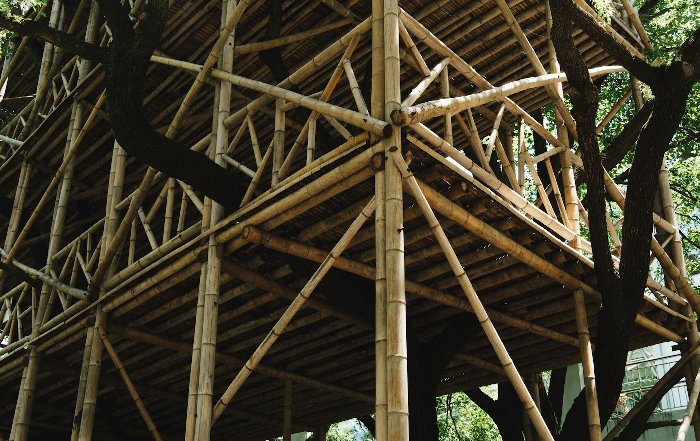
Sustainable Architecture and Green Building: From Maverick Vision Dreams to Mainstream Reality
The Growing Importance of Sustainable Architecture Today
Please pay attention, because sustainable architecture has shifted somewhat from tiny aspiration to a top necessity for businesses, cities and investors across the world, and as eco-natur.com engages daily with both large corporate and solo home decision-makers in the United States, Europe, Asia, Africa and the Americas, it has become clear that the built environment now sits at the center of climate, health and economic debates. With buildings responsible for nearly 40% of global energy-related carbon emissions, according to analyses from organizations such as the International Energy Agency, the way offices, homes, factories and public facilities are designed and operated increasingly determines whether national climate targets and corporate net-zero commitments can realistically be achieved, and whether communities can thrive in a century defined by climate volatility, rapid urbanization and resource constraints.
Sustainable architecture and green building therefore no longer represent a marginal "nice to have"; they form a core pillar of long-term corporate resilience, risk management and brand credibility, particularly in markets such as the United States, United Kingdom, Germany, Canada, Australia and the rapidly expanding urban centers of Asia and Africa, where investors, regulators and customers now scrutinize environmental performance with unprecedented intensity. For readers of eco-natur.com, understanding how design choices intersect with sustainable living, responsible business practices and a low-carbon economy is becoming a prerequisite for sound strategic planning, and not merely a question of environmental ethics.
In this evolving context, green building is best understood not only as a set of technical standards but as an integrated philosophy that aligns architecture with sustainability principles, circular economy thinking, biodiversity protection and human well-being, and it is this holistic perspective that is increasingly shaping policy frameworks from the European Commission's Green Deal initiatives to updated building codes in cities like New York, London, Berlin, Singapore and Seoul.
Defining Sustainable Architecture in a Global Context
Sustainable architecture in 2026 can be defined as the practice of designing, constructing and operating buildings in ways that minimize environmental impact, optimize resource efficiency, support occupant health and contribute positively to surrounding ecosystems and communities, while remaining economically viable across the full life cycle of the asset. This definition deliberately transcends the early-era focus on energy efficiency alone and incorporates the broader dimensions of embodied carbon, materials toxicity, social equity and resilience to climate-related risks such as heatwaves, flooding and storms, which are now a pressing reality for cities from Miami and Houston to Bangkok, Cape Town and São Paulo.
Global frameworks such as the United Nations Environment Programme's Global Alliance for Buildings and Construction and the World Green Building Council emphasize that sustainable buildings must be designed with regard to the entire life cycle, from material extraction and manufacturing through construction, operation, renovation and eventual deconstruction or reuse, and that they must support both planetary boundaries and human development goals. For business leaders, this life-cycle perspective is closely linked to evolving regulatory expectations, including the European Union's Corporate Sustainability Reporting Directive and climate disclosure rules in markets such as the United States, the United Kingdom and Japan, where building portfolios are increasingly seen as material climate risks that require robust management strategies and transparent reporting.
Within this broader context, eco-natur.com has consistently highlighted that sustainable architecture is also a powerful enabler of sustainable living, because the design of homes, workplaces and public spaces strongly influences daily behavior around energy use, water consumption, mobility, waste reduction and even dietary choices, thereby connecting directly to themes such as organic food, plastic-free lifestyles and urban biodiversity.
Core Principles: Energy, Materials, Water and Health
The core technical and strategic principles of green building can be grouped into several interrelated domains that together define high-performance sustainable architecture in 2026. Energy efficiency and decarbonization remain central, with leading projects now aiming for net-zero operational emissions through advanced insulation, airtight envelopes, high-performance glazing, passive solar design, intelligent shading systems and efficient heating, cooling and ventilation technologies. Programs such as Passive House Institute's passive building standards have helped demonstrate that extremely low energy demand is achievable in diverse climates, from the cold winters of Scandinavia and Canada to the hot summers of Spain, Italy and Australia, provided that design teams integrate building physics expertise from the earliest planning stages.
Materials are the second pillar, with increasing attention to embodied carbon, resource extraction impacts and end-of-life scenarios. Forward-looking developers are turning to sustainably sourced timber, low-clinker cements, recycled steel and innovative bio-based materials, while certification systems such as Cradle to Cradle Certified and databases curated by the Carbon Leadership Forum support more informed material choices. This shift aligns closely with the interest of eco-natur.com readers in plastic-free solutions and recycling, as green buildings increasingly seek to minimize single-use plastics in construction, interior finishes and on-site operations, and to design for disassembly and material recovery in line with circular economy principles promoted by organizations like the Ellen MacArthur Foundation, whose resources on circular design in the built environment have become reference points for architects and product manufacturers.
Water efficiency and resilience constitute a third principle, particularly relevant for drought-prone regions such as parts of the United States, Australia, South Africa and Southern Europe, as well as rapidly growing Asian cities facing water stress. Techniques including rainwater harvesting, greywater reuse, low-flow fixtures and drought-tolerant landscaping are now standard features in leading green buildings, supported by guidance from institutions such as the US Environmental Protection Agency, which provides extensive information on water-efficient technologies.
Finally, health and well-being have emerged as decisive factors in sustainable architecture, especially in the aftermath of global public health challenges and the growing recognition of indoor environmental quality as a determinant of productivity, cognitive performance and long-term health. Standards such as the WELL Building Standard, developed by the International WELL Building Institute, and research by organizations like Harvard T.H. Chan School of Public Health on healthy buildings have elevated issues such as ventilation, natural light, biophilic design, low-VOC materials and acoustic comfort to boardroom-level priorities, particularly for employers competing for talent in knowledge-based economies from Silicon Valley and Toronto to Stockholm, Zurich, Singapore and Tokyo.
Green Building Certifications and Regulatory Momentum
Certification systems and regulatory frameworks play a crucial role in translating sustainability aspirations into verifiable performance and market value, and by 2026, several green building rating systems have become globally recognized benchmarks for quality, risk management and investor confidence. LEED, developed by the U.S. Green Building Council, and BREEAM, administered by BRE in the United Kingdom, remain among the most widely adopted frameworks, with portfolios of certified buildings expanding rapidly across North America, Europe, Asia-Pacific and the Middle East, while regionally adapted systems such as DGNB in Germany, Green Star in Australia, HQE in France and CASBEE in Japan reflect local priorities and regulatory contexts.
These systems increasingly align with science-based climate targets and national decarbonization pathways, integrating metrics on operational energy, embodied carbon, water use, waste, site ecology and social value. As investors and lenders integrate environmental, social and governance considerations into their decision-making, certifications provide third-party assurance that assets meet recognized sustainability standards, which in turn can influence financing terms, insurance conditions and asset valuation. The World Green Building Council and regional green building councils have also collaborated with the Global Real Estate Sustainability Benchmark (GRESB) to harmonize data collection and performance indicators, allowing real estate portfolios from London and Amsterdam to Hong Kong and São Paulo to benchmark their progress against peers and global climate objectives, and to respond more effectively to disclosure requirements from regulators and stock exchanges.
For the audience of eco-natur.com, these developments underscore that sustainable architecture is tightly interwoven with sustainable business strategy and economic resilience, as companies that proactively align their buildings with high-performance standards are better positioned to meet stakeholder expectations, avoid stranded asset risks and capture opportunities in green finance, including sustainability-linked loans and green bonds guided by principles from the International Capital Market Association, which provides detailed frameworks on green bond standards.
Materials, Waste and the Transition to a Circular Built Environment
The transition from a linear to a circular model in the construction sector is one of the most profound shifts underway, with major implications for supply chains, design practices, construction methods and demolition processes across regions as diverse as the European Union, China, India, Brazil and South Africa. Traditional approaches that rely on virgin raw materials, generate substantial construction and demolition waste and lock in high embodied carbon are increasingly incompatible with climate goals, resource security concerns and evolving regulations on waste and emissions.
In response, architects, engineers and developers are exploring design-for-disassembly techniques, modular construction and material passports that document the composition and potential reuse pathways of building components, thereby enabling future recovery and recycling of materials at the end of a building's life. This aligns closely with the ethos of zero-waste thinking and advanced recycling strategies that eco-natur.com promotes, while also reflecting guidance from entities such as the European Environment Agency, which provides in-depth analysis of circular economy in construction.
Concrete, steel and insulation materials are under particular scrutiny, with research institutions and industry consortia collaborating on low-carbon and carbon-storing alternatives, including timber high-rises in cities like Vancouver, Oslo and Vienna, and bio-based insulation derived from agricultural residues and forestry by-products. Organizations such as C40 Cities and Arup have published influential reports on embodied carbon reduction strategies, illustrating how cities across North America, Europe, Asia and Latin America can integrate material efficiency into planning policies and public procurement. For businesses operating in global supply chains, these shifts demand new forms of collaboration with manufacturers, recyclers and logistics providers, as well as careful attention to the social and environmental conditions in material sourcing regions, from mining communities in Africa and South America to forestry operations in Scandinavia, Canada and Russia.
Renewable Energy Integration and Smart Building Technologies
No discussion of sustainable architecture in 2026 is complete without considering the integration of renewable energy and digital technologies into building design and operation, as decarbonization pathways increasingly depend on electrification and the deployment of low-carbon energy systems. Rooftop solar photovoltaics, building-integrated PV facades, small-scale wind turbines in appropriate contexts and geothermal heat pumps are now common features of advanced green buildings, supported by falling technology costs and policy incentives in markets such as the United States, Germany, China, India and Australia, where national and regional programs have accelerated the adoption of renewables.
For readers of eco-natur.com, this trend aligns naturally with the platform's coverage of renewable energy solutions, which emphasize the importance of integrating energy generation, storage and demand management at the building and district scales. Organizations such as the International Renewable Energy Agency provide comprehensive data and policy guidance on renewable deployment in buildings, while the Rocky Mountain Institute has long advocated for efficient, electrified and grid-interactive buildings that can support the stability of increasingly renewable-based power systems.
Smart building technologies, including advanced building management systems, occupancy sensors, predictive analytics and digital twins, now allow real-time optimization of energy use, indoor climate and maintenance, contributing to lower operating costs and improved occupant experience. The convergence of green building and PropTech innovation is particularly evident in technologically advanced markets such as Singapore, South Korea, Japan, the Netherlands and the Nordic countries, where governments and companies are experimenting with district-level energy management, peer-to-peer energy trading and integrated mobility solutions that connect buildings to public transport and active travel infrastructure. In this context, sustainable architecture becomes an integral component of smart, low-carbon cities, rather than an isolated technical endeavor confined to individual projects.
Biodiversity, Wildlife and Urban Ecology in Building Design
As climate and biodiversity crises intensify, sustainable architecture is increasingly expected to contribute positively to ecosystems and species, rather than merely reducing harm. This shift is particularly relevant for the global audience of eco-natur.com, which has shown strong interest in wildlife protection and biodiversity conservation across regions ranging from Europe and North America to Asia, Africa and Latin America.
Green roofs, living walls, pollinator-friendly landscaping and nature-based stormwater management systems are now frequently integrated into urban projects, providing habitats for birds, insects and small mammals while also enhancing thermal performance, reducing urban heat island effects and improving rainwater retention. Organizations such as the International Union for Conservation of Nature and the Convention on Biological Diversity highlight the potential of urban green infrastructure to support species resilience, and research from institutions like Kew Gardens and Royal Society for the Protection of Birds in the United Kingdom further demonstrates how city design can foster urban biodiversity even in densely built environments.
In cities such as London, Paris, Berlin, Amsterdam, New York, Singapore and Melbourne, planning authorities increasingly require biodiversity net gain or equivalent measures for new developments, compelling architects and developers to collaborate with ecologists from the earliest design stages. For business audiences, this trend signals that biodiversity considerations are becoming part of mainstream risk management and regulatory compliance, with potential implications for project timelines, permitting and stakeholder engagement, especially in sensitive areas near wetlands, forests, rivers or coastal ecosystems.
Health, Lifestyle and the Human Experience of Green Buildings
Beyond technical performance metrics, sustainable architecture in 2026 is fundamentally about enhancing human experience, quality of life and long-term well-being, themes that resonate strongly with the eco-natur.com focus on health and sustainable lifestyle choices. Buildings designed with generous natural light, access to fresh air, low-toxicity materials, acoustic comfort and visual connections to nature can significantly improve mental health, reduce absenteeism and support higher productivity, which is why investors and corporate occupiers in financial centers from New York and Toronto to London, Frankfurt, Zurich, Singapore and Hong Kong increasingly prioritize high-quality green office spaces.
The integration of biophilic design elements, such as indoor planting, natural materials and views of greenery or water, is supported by a growing body of research from institutions such as University College London, MIT and Stanford University, as well as guidance from the Center for Active Design, which promotes design for health and well-being. For residential projects, sustainable architecture can encourage healthier behaviors by making it easier to choose stairs over elevators, to cycle or walk rather than drive, and to access local parks, community gardens and fresh organic food options via thoughtful urban planning that co-locates housing with amenities and public transport.
In regions such as Scandinavia, the Netherlands, New Zealand and parts of Canada and Australia, the combination of green building practices and active mobility infrastructure has demonstrated how design can support low-carbon, healthy lifestyles that align with broader societal goals for climate action, social cohesion and economic inclusion, offering valuable lessons for rapidly urbanizing areas in Asia, Africa and South America.
Business Models, Finance and the Economics of Green Building
From the perspective of corporate strategy and finance, sustainable architecture is now deeply entwined with risk management, capital allocation and competitive differentiation, and this is particularly evident in the commercial real estate, hospitality, retail and industrial sectors. Numerous studies from organizations such as McKinsey & Company, World Bank and International Finance Corporation have documented that certified green buildings often command higher rental premiums, exhibit lower vacancy rates and benefit from reduced operating costs compared to conventional counterparts, especially in markets where energy prices are high and tenant expectations regarding environmental performance are mature.
For companies with significant property portfolios, whether owner-occupied or leased, aligning buildings with sustainability standards can also support broader decarbonization targets and climate disclosures, reducing exposure to regulatory risks such as carbon pricing, minimum energy performance standards and mandatory retrofit requirements that are emerging in regions including the European Union, the United Kingdom and several U.S. states. The Task Force on Climate-related Financial Disclosures and evolving frameworks from the International Sustainability Standards Board further reinforce the expectation that companies will quantify and manage climate risks associated with their built assets, including transition and physical risks.
Platforms like eco-natur.com increasingly support businesses in understanding these dynamics through dedicated coverage of sustainable business models and the evolving green economy, highlighting how investors, insurers and lenders are incorporating environmental performance into credit analysis and pricing. International initiatives such as the UN Principles for Responsible Investment and the Net-Zero Asset Owner Alliance further amplify the financial case for green building, as large institutional investors signal clear preferences for low-carbon, climate-resilient assets in markets across North America, Europe, Asia-Pacific and emerging economies.
Regional Trends: A Worldwide but Differentiated Movement
While the principles of sustainable architecture are globally relevant, their implementation reflects diverse regional contexts, regulatory frameworks, cultural preferences and economic realities. In North America, especially the United States and Canada, a combination of state-level policies, corporate leadership and city initiatives has driven substantial growth in certified green building stock, with major metropolitan areas such as New York, San Francisco, Vancouver and Toronto setting ambitious performance standards for new construction and retrofits.
In Europe, the European Green Deal and related policy instruments have accelerated the integration of energy performance, circular economy and biodiversity considerations into building codes, with countries such as Germany, the Netherlands, Sweden, Denmark and Finland often at the forefront of innovation, while the United Kingdom continues to refine its own pathways post-Brexit. Southern European countries like Spain, Italy and Greece are increasingly focusing on climate adaptation and passive cooling strategies in response to intensifying heatwaves, integrating traditional vernacular design knowledge with modern technologies.
In Asia, rapid urbanization and infrastructure expansion in China, India, Southeast Asia and parts of the Middle East present both challenges and opportunities, as governments and developers seek to balance economic growth with environmental constraints. Singapore has positioned itself as a global leader in tropical green building, with the Building and Construction Authority promoting high-performance standards and biophilic design, while South Korea and Japan leverage technological innovation and advanced manufacturing to push the boundaries of smart, efficient buildings.
In Africa and South America, resource constraints and climate vulnerability are driving interest in context-specific solutions that emphasize affordability, resilience and locally available materials, with cities like Cape Town, Nairobi, São Paulo and Bogotá experimenting with green infrastructure, community-based housing initiatives and climate-resilient public buildings. Across all these regions, platforms such as eco-natur.com serve as bridges between global best practices and local implementation, offering perspectives that help businesses, policymakers and citizens adapt sustainable architecture principles to their unique circumstances.
The Path of EcoNatur in Advancing Sustainable Architecture
Eco-natur.com occupies a distinctive environmental position at the intersection of sustainable living, green business strategy and environmental nature innovation, providing analysis and guidance that connect high-level policy and technology trends with practical decisions made by homeowners, developers, corporate real estate teams and city planners. By exploring topics ranging from sustainable living practices and global sustainability trends to specialized themes such as plastic-free design choices and regenerative approaches to biodiversity, the platform helps its international audience understand how sustainable architecture can be integrated into everyday life and long-term investment strategies.
In a world where climate, health and economic stability are increasingly intertwined, the evolution of sustainable architecture and green building represents both a profound responsibility and a significant opportunity, and by curating fresh and unique insights from leading organizations such as the UN Environment Programme, World Green Building Council, International Energy Agency and many others, while highlighting real-world examples from cities and regions across the globe, eco-natur.com aims to support a transition in which every building, whether in New York, London, Berlin, Toronto, Sydney, Paris, Singapore, Johannesburg or São Paulo, contributes meaningfully to a low-carbon, resilient and equitable future.
