
Strategic Steps to Start a Community Garden in 2026: Building Sustainable, Resilient Neighborhoods
Community Gardens as Cornerstones of Sustainable Living in 2026
By 2026, community gardens have evolved from modest neighborhood projects into sophisticated, multi-functional assets that sit at the intersection of climate strategy, public health, local food systems, and community development. In cities and towns across North America, Europe, Asia, Africa, and South America, they are increasingly embedded in municipal climate adaptation plans, corporate sustainability roadmaps, and community resilience strategies. For readers of Eco-Natur, this transformation is highly relevant, because community gardens now embody in one physical space many of the themes discussed across the platform: sustainable living, sustainability, plastic-free practices, recycling, wildlife, organic food, and sustainable local economies.
Global frameworks have reinforced this shift. The United Nations continues to promote community-based food and green infrastructure initiatives as practical pathways to achieving the Sustainable Development Goals, particularly SDG 2 on Zero Hunger, SDG 11 on Sustainable Cities and Communities, and SDG 12 on Responsible Consumption and Production. Climate science synthesized by the Intergovernmental Panel on Climate Change (IPCC) underscores the role of nature-based solutions and localized food systems in mitigation and adaptation efforts, particularly in rapidly urbanizing regions of Asia and Africa and in climate-vulnerable communities in the United States, Canada, Australia, and Europe. Against this backdrop, starting a community garden in 2026 is no longer simply a lifestyle choice; it is a strategic intervention that can deliver measurable benefits in food security, heat reduction, biodiversity, mental health, and local economic resilience.
Clarifying Vision and Purpose: From Hobby Space to Strategic Asset
The most successful community gardens begin with a clear and shared purpose, articulated before any physical work on the land begins. In practice, this means that a garden in New York, London, Berlin, Toronto, Singapore, or Cape Town will look very different depending on whether its primary goals are food production, social inclusion, climate resilience, youth education, or wildlife conservation. This stage is where the values and priorities that Eco-Natur promotes-holistic sustainability, health, and community-are translated into a local, operational vision.
Stakeholder engagement is central to this process. Structured conversations with residents, schools, local businesses, health providers, and municipal departments help clarify whether the garden should prioritize access to fresh organic food, opportunities for intergenerational learning, safe green space for children, integration with zero waste initiatives, or habitat restoration for pollinators and urban wildlife. Organizations such as the American Community Gardening Association and the Royal Horticultural Society provide practical guidance on how early community consultation can reduce conflict, increase participation, and attract funding, because funders and public authorities are more likely to support projects with a clearly defined mission and measurable objectives. In dense urban neighborhoods in the United States or United Kingdom, this might mean framing the garden as a response to food deserts and social isolation, while in industrial regions of Germany, South Korea, or China, it might be positioned as a pilot for regenerative urban design and circular economy practices that align with broader sustainability goals.
Establishing Governance, Leadership, and Trust
Once the purpose is defined, the next strategic step is to form a core leadership team and governance structure capable of stewarding the project over the long term. Experience from cities like New York, Amsterdam, Melbourne, and Tokyo shows that gardens with strong governance endure beyond the enthusiasm of their founders, while those without clear roles and processes often struggle with burnout, conflict, or mission drift. For readers of Eco-Natur, this aspect speaks directly to Experience, Expertise, Authoritativeness, and Trustworthiness: a well-governed garden behaves more like a small, mission-driven enterprise than an informal hobby group.
A typical steering group will include people with complementary skills in community organizing, horticulture or agroecology, finance, communications, and legal or regulatory understanding. Best practice guidance from bodies such as the Local Government Association in the UK and ICLEI - Local Governments for Sustainability emphasizes the value of a written charter or constitution, transparent decision-making processes, and clearly defined membership rules. These frameworks can be light-touch but should address how plots are allocated, how conflicts are resolved, how funds are managed, and how decisions about design or expansion are made. This level of structure builds trust among participants and external partners, and mirrors the type of governance that sustainable businesses are expected to demonstrate. For a community garden associated with Eco-Natur values, embedding principles of inclusivity, ecological responsibility, and financial transparency in governance documents reinforces the garden's identity as a credible sustainability initiative rather than a temporary project.
Securing Land and Managing Legal Complexity
Land access remains one of the most significant hurdles for community gardens, especially in high-density cities in the United States, United Kingdom, France, Japan, and Singapore, where land values are high and ownership patterns are complex. In contrast, many cities in Brazil, South Africa, Malaysia, or Thailand may have more vacant or underutilized public land, but tenure security and regulatory clarity can still be uncertain. In all these contexts, the long-term viability of a garden depends on securing a site with clear, documented permission and an understanding of legal responsibilities.
Potential sites range from municipal parks and vacant lots to school grounds, hospital campuses, faith institution land, and even corporate-owned spaces that companies wish to repurpose as part of their environmental, social, and governance (ESG) strategies. In the United States, guidance from USDA Urban Agriculture and the US Environmental Protection Agency (EPA) helps communities navigate zoning, soil contamination concerns, and land-use regulations. In the United Kingdom, the UK Government Planning Portal provides information on planning permission, temporary use of land, and permissible structures such as sheds, greenhouses, and composting facilities. Similar guidance is available from national and municipal planning authorities in Canada, Australia, Germany, and the Nordic countries, where community gardens are increasingly recognized as part of urban green infrastructure and climate adaptation policies.
Formal agreements-whether leases, licenses, or memoranda of understanding-should clarify responsibilities for maintenance, liability, utilities, and what happens if the land is redeveloped. Engaging pro bono legal support from local law clinics or non-profit organizations can help community groups understand risks and negotiate fair terms. For an initiative aligned with Eco-Natur, this legal clarity is not just a formality; it is a way of protecting investments in soil improvement, infrastructure, and community programming, ensuring that the garden can deliver long-term environmental and social value rather than being displaced after a few years of success.
Designing for Ecology, Community, and Aesthetic Quality
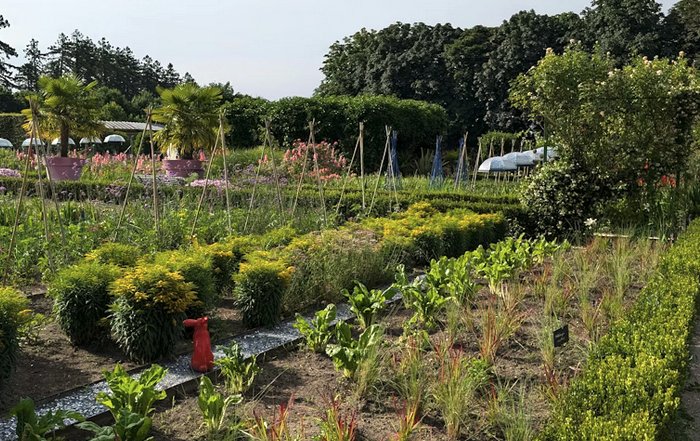
Design is where strategy becomes visible, and in 2026, community garden design is informed by ecological science, universal accessibility, and climate resilience. Rather than simply marking out a series of identical plots, experienced designers approach the site as a living system, integrating soil health, water flows, biodiversity, circulation, and social interaction into a cohesive plan. This approach aligns with the principles discussed in Eco-Natur's content on design and regenerative landscapes, which emphasize beauty, function, and ecological integrity.
A thorough site assessment is the foundation of good design. This includes mapping sun and shade patterns, wind exposure, slope and drainage, existing vegetation, and potential sources of contamination, especially in former industrial or heavily trafficked urban sites. Technical resources from the EPA in the United States and the Environment Agency in the UK outline methods for soil testing, risk assessment, and remediation, including the use of raised beds, phytoremediation, or soil replacement where contamination is significant. Once constraints and opportunities are understood, designers can plan circulation routes, communal gathering spaces, tool storage, composting zones, water points, and educational or play areas.
Universal design principles are increasingly non-negotiable. Accessible paths, raised beds at different heights, shaded seating, and clear multilingual signage make it possible for older adults, people with disabilities, and families with young children to participate fully. Integrating habitat features such as native hedgerows, pollinator meadows, and small ponds strengthens urban biodiversity and aligns with recommendations from organizations like WWF, BirdLife International, and the International Union for Conservation of Nature (IUCN), all of which advocate for nature-positive urban planning. In European, North American, and Asian cities where pollinator decline and habitat fragmentation are major concerns, community gardens designed as ecological stepping stones can contribute meaningfully to city-wide green networks and species recovery efforts.
Soil Health, Water Management, and Climate Resilience
Soil and water management are core technical pillars of any community garden and are increasingly framed as climate resilience strategies. The Food and Agriculture Organization (FAO) has highlighted the role of healthy soils in carbon sequestration, water retention, and long-term food security, and these insights are now being applied at neighborhood scale. Many community gardens adopt no-dig or low-tillage approaches, using compost, cover crops, and organic mulches to build soil structure, increase biodiversity in the soil microbiome, and reduce erosion. Avoiding synthetic fertilizers and pesticides is not only consistent with organic principles but also reduces pollution and aligns with the broader health-focused perspective that Eco-Natur promotes across its content on health and environment.
Water management strategies must be tailored to local climate conditions and regulatory frameworks. In drought-prone regions such as California, parts of Spain, Australia, and South Africa, rainwater harvesting, drip irrigation, mulching, and drought-tolerant plant selection are essential to ensure that gardens remain viable during water restrictions and heatwaves. Organizations like Waterwise in the UK and the Alliance for Water Efficiency in North America provide guidance on efficient irrigation, leak prevention, and water budgeting for small-scale projects. In monsoon-influenced areas of Southeast Asia or regions with increasingly intense rainfall events in Europe and North America, design solutions may focus on raised beds, swales, and permeable surfaces that manage stormwater and reduce flooding. Integrating low-carbon technologies, such as solar-powered pumps or lighting, connects water and energy management to the broader conversation on renewable energy and climate-aligned infrastructure, turning the garden into a visible demonstration of practical, localized climate solutions.
Embedding Plastic-Free and Zero-Waste Principles
A defining characteristic of leading community gardens in 2026 is their commitment to minimizing waste and eliminating unnecessary plastics, reflecting a wider societal shift toward circular economy models. For Eco-Natur readers engaged with plastic-free living and zero-waste strategies, the garden becomes an ideal testing ground for these concepts in practice. Garden policies can specify the use of durable, repairable tools and containers, discourage single-use plastics in packaging and events, and promote alternatives such as wooden stakes, metal watering cans, and natural fiber twine.
Composting is at the heart of a zero-waste garden system. By transforming kitchen scraps, plant residues, and other organic materials into high-quality compost, gardens reduce landfill waste, cut greenhouse gas emissions, and close nutrient loops at the neighborhood scale. Resources from the Zero Waste International Alliance, UN Environment Programme (UNEP), and national initiatives such as Recycle Now in the UK or the EPA's recycling resources in the United States provide practical guidance on designing composting systems, managing contamination, and integrating compost education into community programming. Over time, a well-managed garden can become a local hub for broader waste reduction initiatives, demonstrating how everyday practices-food storage, event catering, garden maintenance-can be redesigned to reduce environmental impact and support a more circular local economy.
Enhancing Wildlife and Urban Biodiversity
Community gardens can play a critical role in restoring and connecting habitats in increasingly fragmented urban and peri-urban landscapes. In cities from Los Angeles and Vancouver to Paris, Stockholm, Singapore, and Johannesburg, well-designed gardens support birds, pollinators, beneficial insects, reptiles, and small mammals, often achieving levels of biodiversity comparable to much larger green spaces. For Eco-Natur readers interested in wildlife and biodiversity, this is a powerful reminder that small, community-led interventions can contribute to global conservation goals.
Practical measures include planting native and regionally adapted species that provide nectar, pollen, seeds, and berries throughout the year; creating layered vegetation structures with trees, shrubs, perennials, and groundcovers; leaving some areas less manicured to provide shelter; and installing features such as bird boxes, insect hotels, and small ponds. Organizations like the National Wildlife Federation in the United States and The Wildlife Trusts in the UK offer certification schemes and guidance for wildlife-friendly gardens, emphasizing pesticide-free management and structural diversity. Avoiding synthetic pesticides and herbicides protects both ecological health and human wellbeing, which is particularly important in gardens used by children, older adults, and individuals with health vulnerabilities. By integrating biodiversity objectives into planting plans, maintenance schedules, and educational activities, community gardens become living demonstrations of how food production and habitat restoration can coexist, reinforcing the holistic sustainability perspective that Eco-Natur advocates.
Operational Systems, Shared Resources, and Risk Management
Behind the visible success of a thriving community garden lies a set of operational systems that manage shared resources, reduce conflict, and protect participants. Clear rules and communication channels help ensure that plots are maintained, tools are returned, paths are kept accessible, and harvests are shared in line with the garden's mission. Many gardens balance individually managed plots with communal growing areas that supply food banks, schools, or local shelters, strengthening the garden's social impact and its alignment with sustainable living and community wellbeing.
Risk management is an increasingly important consideration, particularly in jurisdictions with strong liability frameworks such as the United States, Canada, the United Kingdom, and parts of the European Union. Guidance from the World Health Organization (WHO) and national public health agencies can inform policies on safe tool use, water quality, soil contamination, and hygienic handling of produce. Depending on scale and context, gardens may consider volunteer agreements, incident reporting procedures, and insurance coverage for public events or structures. Approaching operations with the discipline of a small enterprise-defining roles, documenting procedures, and tracking key information-aligns community gardens with the standards expected of sustainable businesses and enhances their credibility with municipalities, funders, and corporate partners.
Financing, Partnerships, and Economic Value Creation
Although many community gardens are powered by volunteer energy, long-term resilience typically depends on diversified funding and strategic partnerships. Seed funding may come from municipal grants, philanthropic foundations, local businesses, or corporate social responsibility programs, particularly those focused on health, environment, and community development. Organizations such as GreenThumb in New York City and Groundwork UK illustrate how public-private partnerships can support hundreds of community garden projects with technical assistance, funding, and political backing.
From an economic perspective, community gardens contribute value in ways that extend far beyond the direct harvest. Research compiled by institutions such as The World Bank and the Organisation for Economic Co-operation and Development (OECD) highlights the role of urban green spaces in reducing healthcare costs, increasing property values, improving stormwater management, and enhancing labor productivity through better mental health and social cohesion. At the household level, gardens can reduce food bills, provide opportunities for micro-enterprises such as seedling sales or value-added products, and strengthen local supply chains. By documenting these benefits and framing them within broader sustainable economy narratives, garden organizers can build compelling business cases for ongoing investment, integrate their projects into local economic development plans, and align with ESG priorities of companies seeking credible community partnerships.
Education, Engagement, and Digital Integration
Education and community engagement are central to the long-term vitality of a community garden. In many neighborhoods across the United States, United Kingdom, Germany, Canada, Australia, France, Italy, Spain, the Netherlands, and beyond, gardens have become informal campuses where residents learn about composting, soil health, climate change, nutrition, and cultural food traditions. Institutions such as the Harvard T.H. Chan School of Public Health and Public Health England (now part of UK Health Security Agency and Office for Health Improvement and Disparities) have documented the mental and physical health benefits of access to green space and fresh produce, particularly in underserved communities, reinforcing the public health rationale for investing in community gardens.
Digital tools have become indispensable in coordinating volunteers, sharing knowledge, and connecting local projects to global networks. Many gardens use simple platforms for scheduling, messaging, and resource sharing, while others maintain websites or social media channels to showcase progress, publish planting calendars, and promote events. International networks such as the Global Ecovillage Network and Transition Network offer frameworks and case studies for integrating gardens into wider community resilience initiatives and low-carbon lifestyle transitions. For Eco-Natur, curating case studies, design guidance, and practical resources on sustainable living and global sustainability trends helps practitioners in the United States, Europe, Asia, Africa, and South America learn from each other and adapt successful models to their own climatic, cultural, and regulatory contexts.
Measuring Impact and Scaling What Works
As community gardens mature, systematic impact measurement becomes critical for continuous improvement, policy influence, and funding. Metrics can include food production volumes, participant numbers, volunteer hours, biodiversity indicators, soil carbon improvements, waste diverted from landfill, and the number of educational sessions or community events delivered. While most gardens do not need complex corporate reporting systems, frameworks inspired by organizations such as the Global Reporting Initiative (GRI) and CDP can be adapted to community scale, helping projects communicate their value in formats that resonate with municipal authorities, philanthropic funders, and corporate partners.
Scaling successful models does not mean imposing a single blueprint; rather, it involves identifying transferable principles-clear vision, robust governance, ecological design, inclusive access, diversified funding-and supporting their adaptation in different regions and cultures. In North America, this might involve aligning community gardens with food justice movements and Indigenous land stewardship practices; in Europe, integrating them into green infrastructure and climate adaptation plans; in Asia and Latin America, connecting them with urban agriculture strategies and informal settlement upgrading. By sharing open-source design resources, documenting lessons learned, and participating in regional and international networks, community gardens become catalysts for broader system change, contributing to more resilient, low-carbon, and equitable societies across continents.
Eco-Natur's Role in Guiding Community Garden Futures
For professionals, municipal leaders, and citizen organizers seeking to start or strengthen community gardens in 2026, the project is no longer a side activity but a strategic investment in sustainable neighborhoods and resilient local economies. Eco-Natur positions its platform as a trusted partner in this process, offering integrated guidance across key domains: sustainable living, sustainability, plastic-free practices, recycling and circularity, wildlife and biodiversity, organic food systems, renewable energy, and the economic and design frameworks that underpin resilient communities.
By grounding community garden initiatives in robust planning, evidence-based ecological practices, transparent governance, and clear impact measurement, practitioners can ensure that these spaces become enduring institutions rather than short-lived experiments. For readers across the United States, United Kingdom, Germany, Canada, Australia, France, Italy, Spain, the Netherlands, Switzerland, China, the Nordic countries, Singapore, Japan, South Korea, South Africa, Brazil, Malaysia, New Zealand, and other regions, the strategic steps outlined here provide a roadmap for turning underused land into productive, biodiverse, and socially vibrant spaces. In doing so, they give tangible form to the principles of Experience, Expertise, Authoritativeness, and Trustworthiness that define Eco-Natur's approach, and they demonstrate how local action in a community garden can contribute meaningfully to global sustainability goals.
