
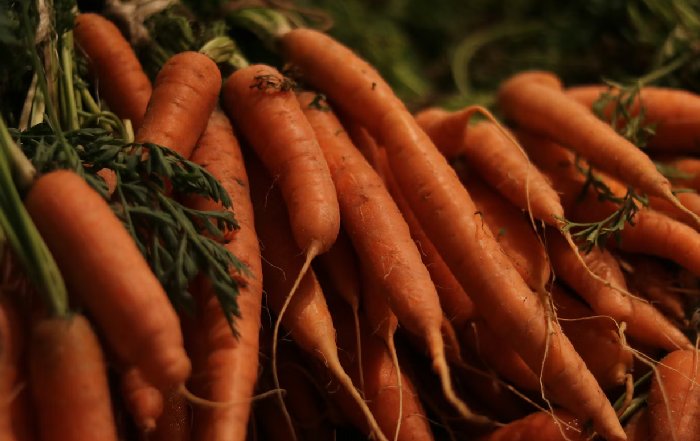
The Strategic Importance of Soil Health for Organic Farming
Soil as a Strategic Asset in the Global Organic Economy
Soil health has moved from being a niche agronomic concern to a strategic priority at the heart of the global organic economy, and for eco-natur.com this shift is more than a technical trend; it is the foundation of the lifestyles, businesses and policy choices the platform seeks to inform and inspire. As organic food markets in the United States, Europe and Asia continue to expand, and as climate volatility reshapes risk calculations from California to Germany and from Brazil to South Africa, healthy soil is increasingly understood as natural capital that underpins productivity, resilience and long-term profitability. Leading institutions such as the Food and Agriculture Organization of the United Nations (FAO) emphasize that over 95% of global food production depends directly or indirectly on soil, and that soil degradation threatens food security, biodiversity and climate stability across continents. Readers who follow the broader sustainability agenda on eco-natur.com, whether through its focus on sustainable living or its coverage of the green economy, will recognize that soil health is now a central pillar of both environmental stewardship and sound business strategy.
The organic farming sector, from family farms in the United Kingdom and France to large certified operations in the United States, Canada and Australia, is uniquely positioned to treat soil not as an input to be exploited but as a living system to be cultivated and protected. This perspective aligns closely with the principles promoted by IFOAM - Organics International, which frame organic agriculture as a system that sustains the health of soils, ecosystems and people. As investors and policymakers in Europe, Asia and North America refine definitions of sustainable finance and environmental, social and governance performance, the way farms manage soil is increasingly being scrutinized as a proxy for long-term risk and resilience. For the global community engaging with eco-natur.com, understanding soil health is therefore not only a matter of ecological ethics but also of competitive positioning in a rapidly evolving organic marketplace.
Defining Soil Health: A Living System, Not a Static Resource
Soil health in the context of organic farming is best understood as the continued capacity of soil to function as a vital living ecosystem that sustains plants, animals and humans. This definition, widely used by organizations such as the United States Department of Agriculture (USDA), emphasizes biological activity, structure and resilience rather than simply chemical fertility. Healthy soils host complex communities of microorganisms, fungi, insects and larger fauna that interact in ways that regulate nutrient cycles, suppress disease and maintain structure, and these living communities are central to the philosophy of organic production, which rejects synthetic fertilizers and pesticides in favor of ecological processes.
From the perspective of sustainable living and responsible consumption, which eco-natur.com regularly explores through its pages on sustainability and lifestyle, this living-soil concept has profound implications. It reframes soil from a background factor in food production to a dynamic ecosystem that connects consumer choices in cities such as London, Berlin, New York, Singapore or Tokyo with landscapes in rural Spain, Thailand or South Africa. When consumers in the United Kingdom choose certified organic vegetables, or when restaurants in Sweden and Denmark prioritize regional organic supply chains, they are implicitly supporting farming systems that seek to protect and regenerate soil life rather than deplete it. Scientific bodies such as the European Food Safety Authority (EFSA) and research organizations across Europe and Asia have increasingly highlighted how soil biodiversity contributes to ecosystem services such as water purification and carbon sequestration, reinforcing the idea that soil health is a public good as well as a private asset.
Soil Health as the Foundation of Organic Crop Productivity
For organic farmers operating without synthetic nitrogen fertilizers or systemic pesticides, soil health is not a luxury; it is the primary engine of crop productivity and reliability. In regions as diverse as the Midwestern United States, the Po Valley in Italy and the grain belts of Australia, organic producers depend on biological nitrogen fixation, organic matter decomposition and complex root-microbe interactions to supply nutrients and maintain yields. Institutions such as Rodale Institute have spent decades demonstrating that systems built around compost, cover crops and crop rotations can match or, under stress conditions, outperform conventional systems in terms of yield stability and profitability over the long term.
The mechanisms are both physical and biological. Soils rich in organic matter and well-structured aggregates hold water more effectively, a crucial advantage during droughts that are becoming more frequent in Mediterranean Europe, parts of Brazil, South Africa and the western United States. Deeper rooting and improved porosity allow plants to access moisture and nutrients more efficiently, while diverse microbial communities help mobilize phosphorus and trace elements that might otherwise remain locked in mineral forms. As research published by the International Food Policy Research Institute (IFPRI) and other global think tanks illustrates, these characteristics are particularly important for smallholder farmers in Asia, Africa and South America, where access to external inputs is limited and climate risks are intensifying. For the audience of eco-natur.com, which includes both consumers and business leaders, understanding these agronomic realities clarifies why soil-focused organic systems are a rational response to long-term resource constraints, not simply an ethical preference.
Soil Health, Climate Resilience and Carbon Management
The climate dimension of soil health has become impossible to ignore. Globally, soils store more carbon than the atmosphere and terrestrial vegetation combined, and their management can either release this carbon or lock it away for decades. Organizations such as the Intergovernmental Panel on Climate Change (IPCC) have repeatedly highlighted soil carbon as a critical component of climate mitigation and adaptation strategies. Organic farming systems, with their emphasis on compost, green manures and reduced reliance on fossil fuel-intensive inputs, are naturally aligned with practices that build soil organic carbon and enhance resilience to climate shocks.
In practical terms, this means that organic farms in Germany, France, the Netherlands or Switzerland that adopt diversified crop rotations, maintain permanent soil cover and integrate livestock in carefully managed systems are not only improving fertility but also contributing to national climate targets. In countries such as Canada, New Zealand and Norway, where agricultural emissions are a significant share of total greenhouse gas profiles, soil-centric organic practices offer credible pathways to emission reductions and carbon sequestration. Readers interested in the broader energy and climate nexus can connect these dynamics with the transition described on eco-natur.com in its coverage of renewable energy, as decarbonized energy systems and carbon-rich soils are complementary pillars of a low-carbon economy. Initiatives such as 4 per 1000, supported by several governments and research bodies, illustrate how modest annual increases in soil carbon stocks could offset a significant portion of anthropogenic emissions, reinforcing the strategic value of organic management for climate policy.
Biodiversity, Wildlife and the Ecological Web Beneath Our Feet
Soil health is inseparable from biodiversity, both above and below ground. Healthy soils are home to an extraordinary diversity of organisms, from bacteria and fungi to earthworms, arthropods and small mammals, all of which contribute to nutrient cycling, pest regulation and structural stability. The Convention on Biological Diversity (CBD) and conservation organizations such as WWF have underscored the importance of soil biota as a foundation for terrestrial biodiversity, and this perspective resonates strongly with the wildlife and habitat themes that eco-natur.com explores through its dedicated section on wildlife and its broader coverage of biodiversity.
Organic farms that prioritize soil health tend to reduce or eliminate synthetic pesticides and herbicides, maintain field margins, hedgerows and buffer zones, and support more diverse rotations, all of which provide habitat and food sources for pollinators, birds and beneficial insects. In regions such as the United Kingdom, Sweden and the Netherlands, agri-environment schemes increasingly reward farmers for such practices, recognizing that landscapes with healthy soils also support richer wildlife communities. In tropical and subtropical regions, including parts of Brazil, Malaysia, Thailand and South Africa, organic systems that protect soil from erosion and chemical contamination help maintain downstream aquatic ecosystems and wetlands, which are critical for migratory birds and fisheries. For readers of eco-natur.com who care about both sustainable food and wildlife conservation, soil health offers a unifying lens through which to view farming as a partner, rather than an adversary, of biodiversity.
Organic Food Quality, Human Health and Soil Functions
The relationship between soil health and human health is attracting increasing attention from researchers, health professionals and consumers. While scientific debates continue about the precise nutritional differences between organic and conventional foods, institutions such as Harvard T.H. Chan School of Public Health and World Health Organization (WHO) acknowledge that reduced pesticide exposure and more sustainable land management can have significant public health benefits. Soils that are rich in organic matter and biologically active tend to support crops with more balanced nutrient profiles and lower uptake of certain contaminants, especially where heavy metal risks are present.
From the perspective of eco-natur.com, which addresses the intersection of organic food, health and sustainable consumption, soil health becomes a critical but often invisible determinant of food quality. Consumers in markets such as the United States, Canada, Japan and Singapore are increasingly aware that their choices influence farming practices, but few fully appreciate the extent to which soil structure, microbial diversity and organic matter content shape the nutritional and sensory characteristics of their food. Research compiled by the European Commission and national food safety agencies in countries like Germany and Italy suggests that longer-term organic management can improve certain aspects of soil function that, in turn, may influence plant secondary metabolites, antioxidant levels and other quality parameters. While more work is needed to clarify these pathways, the direction of travel is clear: healthy soils are a precondition for healthy diets and resilient food systems, especially in the face of climate stress and resource constraints.
The Business Case: Soil Health as a Core Asset for Sustainable Enterprises
For businesses operating along organic value chains, from farm enterprises and cooperatives to processors, retailers and hospitality brands, soil health is increasingly recognized as a material factor that influences risk, cost structures and brand equity. Reports from organizations such as the World Business Council for Sustainable Development (WBCSD) and World Resources Institute (WRI) highlight how soil degradation can lead to yield volatility, increased input costs and reputational risks, especially where supply chains depend on vulnerable regions such as drought-prone areas in Spain, Australia or South Africa. Conversely, companies that support regenerative and organic practices can secure more stable supplies, differentiate their products and align with investor expectations around environmental stewardship.
The audience of eco-natur.com, many of whom are engaged in or interested in sustainable business, will recognize that soil health fits naturally into broader corporate sustainability strategies. Retailers in the United Kingdom, Germany and the United States are beginning to integrate soil metrics into supplier standards, while financial institutions in Switzerland, the Netherlands and Singapore are exploring how soil health indicators can inform sustainability-linked loans and green bonds. Frameworks such as those discussed by the Taskforce on Nature-related Financial Disclosures (TNFD) are pushing companies to account for their dependencies on natural capital, including soils, in a more systematic way. For organic brands, demonstrating credible commitments to soil regeneration-through long-term contracts with farmers, support for training and investment in on-farm composting or agroforestry-strengthens both market positioning and stakeholder trust.
Soil Health, Circularity and Plastic-Free, Low-Waste Systems
Soil health is also intimately connected to broader circular economy and waste reduction agendas that feature prominently on eco-natur.com, particularly in its sections on recycling, plastic-free living and zero waste. Organic farming systems that prioritize composting, on-farm nutrient cycling and the use of biodegradable inputs reduce reliance on synthetic fertilizers and minimize waste streams that can contaminate soils and waterways. In many countries, including France, Italy, South Korea and Japan, municipal organic waste collection and composting programs are increasingly linked to local farms, creating symbiotic relationships that close nutrient loops and support soil regeneration.
At the same time, concerns about microplastics in soils, highlighted by research from the United Nations Environment Programme (UNEP) and leading universities, underscore the importance of moving towards plastic-free or reduced-plastic agricultural systems, including the gradual replacement of conventional plastic mulches with biodegradable or organic alternatives. For readers committed to plastic-free lifestyles and sustainable consumption, it is important to recognize that their efforts to reduce packaging waste and support compostable materials have direct implications for soil health on farms in North America, Europe, Asia and beyond. Organic farmers who integrate principles of circular design, as reflected in the design-oriented perspectives available on eco-natur.com through its design content, are better positioned to maintain soil quality while aligning with evolving regulations and consumer expectations around waste and pollution.
Regional Perspectives: Soil Health Challenges and Opportunities Worldwide
While the principles of soil health are universal, their practical application varies across regions, climates and socio-economic contexts. In North America, particularly in the United States and Canada, large-scale organic grain and horticultural producers face challenges related to soil erosion, compaction and nutrient management on extensive fields, yet they also benefit from access to advanced research, machinery and digital tools that can support precision cover cropping and reduced tillage. In Europe, where land is more fragmented and policy frameworks such as the European Green Deal and the Farm to Fork Strategy set ambitious targets for organic expansion, soil health is becoming a central criterion for subsidy schemes and certification programs, influencing practices from Germany and France to Spain, Denmark and Finland.
In Asia, the picture is more heterogeneous. Countries such as Japan and South Korea have long traditions of integrating organic matter into soils, while emerging organic markets in China, Thailand and Malaysia are grappling with the legacy of intensive chemical use and rapid land-use change. African regions, including South Africa and parts of East and West Africa, face acute soil degradation due to erosion, nutrient mining and climate stress, yet they also host innovative agroecological initiatives supported by organizations like the Alliance for a Green Revolution in Africa (AGRA) and regional research centers. In South America, Brazil offers both cautionary tales of soil depletion under monocultures and inspiring examples of organic and agroforestry systems that rebuild soil fertility while supporting local communities and biodiversity. For a global platform such as eco-natur.com, which explicitly addresses global sustainability dynamics, highlighting these regional nuances is essential to avoid one-size-fits-all narratives and to support context-appropriate soil health strategies.
Integrating Soil Health into Sustainable Living and Consumer Choices
For individuals and households seeking to align their lifestyles with the principles of sustainable living, soil health may seem distant from daily decisions, yet in reality it is deeply embedded in choices about food, waste, energy and even financial products. By prioritizing certified organic food, especially from local or regional producers where transparency is higher, consumers in cities from New York to Berlin, Sydney to Singapore and Cape Town to São Paulo can directly support farming systems that invest in soil regeneration. Resources that help consumers learn more about sustainable living practices and understand organic labels and supply chains are therefore critical components of a soil-aware lifestyle.
Beyond purchasing decisions, urban residents can contribute to soil health by supporting community composting, participating in urban gardening initiatives, and advocating for municipal policies that direct organic waste towards high-quality composting rather than landfills or incineration. In many European, North American and Asian cities, partnerships between municipalities, waste companies and organic farmers are already demonstrating how citizen engagement can improve soil quality in surrounding rural areas. Financial choices also matter: investors and consumers can favor banks, pension funds and brands that commit to regenerative and organic agriculture as part of their sustainability strategies, aligning personal values with broader systemic shifts. For the readership of eco-natur.com, who are often looking to integrate ecological principles into both private and professional spheres, recognizing soil as a central thread that connects diet, waste, energy and finance can make sustainability more coherent and actionable.
Soil Health as a Cornerstone of a Sustainable Future
The importance of soil health for organic farming is no longer a specialist topic confined to agronomists and environmentalists; it is a strategic concern for policymakers, investors, businesses and citizens across continents. Healthy soils underpin the organic food systems that many readers of eco-natur.com rely on and advocate for, they stabilize economies by reducing climate and supply risks, and they provide essential ecosystem services that cannot be easily replicated by technology. Organizations such as FAO, IPCC, IFOAM, WRI and numerous national research institutes continue to refine the science and policy frameworks that will guide soil management in the coming decades, but the core message is already clear: without living, fertile soils, ambitions for sustainable living, resilient economies and thriving wildlife will remain out of reach.
For eco-natur.com, which has consistently highlighted the connections between soil, food, health, biodiversity and business, the coming years offer both opportunity and responsibility. By deepening coverage of soil-centered organic practices, showcasing innovations from farms and businesses in Europe, North America, Asia, Africa and South America, and equipping readers with practical knowledge about sustainability, organic food, and the broader green economy, the platform can help ensure that soil health moves from the margins of public awareness to the center of strategic decision-making. In doing so, it supports not only the organic farming sector but also the wider transition towards a regenerative, low-carbon and equitable global society, in which the ground beneath our feet is recognized and respected as one of our most valuable shared assets.
