
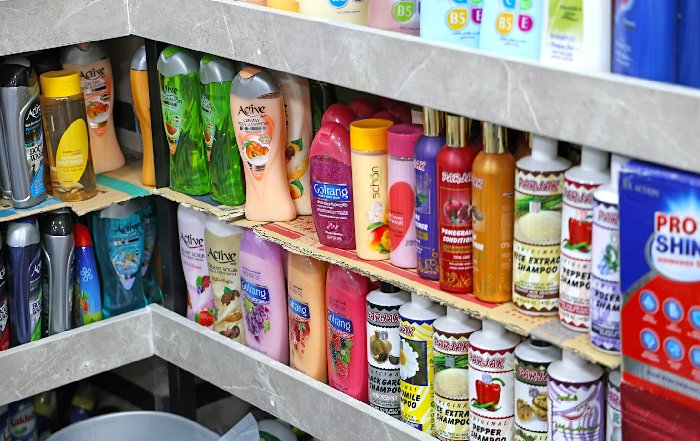
Eco-Friendly Alternatives to Common Products: How Everyday Choices Shape a Sustainable Future
The Strategic Power of Everyday Products in a Warming World
Sustainability has shifted from a niche concern to a strategic imperative for households, businesses and policymakers across the globe, driven by intensifying climate risks, mounting regulatory pressure and a more informed, values-driven consumer base in regions as diverse as North America, Europe, Asia and Africa. As organizations from UNEP, OECD and World Bank continue to highlight the systemic impact of consumption patterns, it has become clear that eco-friendly alternatives to common products are no longer marginal lifestyle upgrades; they are levers that influence supply chains, resource use, public health and long-term economic resilience.
For eco-natur.com, which serves readers from the United States, United Kingdom, Germany, Canada, Australia, France, Italy, Spain, the Netherlands, Switzerland, China, the Nordic countries, Singapore, South Korea, Japan, Thailand, South Africa, Brazil, Malaysia, New Zealand and beyond, the question is no longer whether sustainable living is necessary, but how to translate broad sustainability goals into practical product decisions that work in real homes and real businesses. Through its focus on sustainable living, sustainability and sustainable business, the platform is increasingly positioned as a bridge between global research and local, day-to-day choices.
Eco-friendly alternatives now exist for almost every category of common products, from cleaning and personal care to packaging, food and energy. Yet the market's rapid growth has also created confusion, greenwashing and inconsistent standards, making it essential to evaluate options through the lens of experience, expertise, authoritativeness and trustworthiness. The following analysis explores key product categories, the science behind their impacts and the practical pathways for households and companies seeking to shift from conventional products to more sustainable, circular and regenerative alternatives.
Rethinking Plastic: From Convenience to Circularity
The last decade has seen a dramatic rise in public awareness of plastic pollution, with images of oceans choked with waste and microplastics detected in human blood, breast milk and even placentas, as documented by researchers referenced by organizations such as WHO and UNESCO. Single-use plastics, from bags and bottles to food wraps and cosmetic packaging, remain among the most common products in homes and offices worldwide, particularly in rapidly urbanizing regions of Asia, Africa and South America.
Eco-friendly alternatives in this space are not limited to "biodegradable" labels, which can be misleading; instead, they encompass a spectrum of strategies including durable reusables, refill systems, certified compostable materials and innovative packaging-free formats. Households in Europe and North America, for example, have increasingly adopted stainless steel or glass water bottles, silicone food bags, beeswax wraps and solid personal care bars, while businesses in global cities from London and Berlin to Singapore and Seoul are piloting refill stations and deposit-return systems. Learn more about how a plastic-free lifestyle aligns with broader sustainability goals.
However, the environmental performance of these alternatives depends heavily on context and behaviour. Life cycle assessments from institutions such as European Environment Agency and US EPA show that reusable items must be used many times to offset the higher initial resource and energy inputs of materials like glass or metal. For organizations and consumers aiming to reduce their plastic footprint without unintended consequences, the most credible path is a hierarchy of reduction first, then reuse, followed by recycling and, only where appropriate, certified composting. This approach is supported by circular economy frameworks developed by Ellen MacArthur Foundation, which emphasize redesigning systems to keep materials in use at their highest value.
In regions with limited waste management infrastructure, from parts of Southeast Asia to sub-Saharan Africa, the challenge is more complex, since even well-intentioned "green" packaging can become pollution if collection and processing are inadequate. For these contexts, low-tech, locally appropriate solutions such as refillable containers, bulk purchasing, traditional reusable packaging and community-based collection schemes may outperform imported "eco" products. For readers of eco-natur.com in diverse markets, the priority is to align product choices with realistic end-of-life pathways, rather than relying solely on marketing claims.
Cleaning and Home Care: Concentration, Chemistry and Health
Household and commercial cleaning products are among the most ubiquitous items in homes, offices, hotels and industrial facilities, yet their environmental and health impacts often remain invisible. Conventional cleaners frequently contain petrochemical surfactants, synthetic fragrances, preservatives and disinfectants that can contribute to indoor air pollution, aquatic toxicity and antimicrobial resistance, issues increasingly documented by bodies such as European Chemicals Agency and US National Institutes of Health.
Eco-friendly alternatives in this category include concentrated formulas that reduce packaging and transport emissions, plant-based surfactants, fragrance-free or naturally scented products, refillable containers and multi-purpose cleaners that reduce the need for multiple specialized products. In North America, Europe and parts of Asia-Pacific, brands certified by credible ecolabels such as EU Ecolabel, Blue Angel in Germany or Green Seal in the United States provide a degree of assurance regarding ingredient safety and environmental performance, although certification criteria vary.
For readers seeking practical guidance, a resilient strategy is to prioritize minimal, multi-use products with transparent ingredient lists, supported by independent standards where available, and to avoid unnecessary disinfectants in routine cleaning, as advised by public health agencies and organizations like Centers for Disease Control and Prevention. At a household level, simple solutions such as vinegar, baking soda and castile soap can address many cleaning needs when used correctly, particularly in regions where specialized eco-products remain expensive or hard to access. Businesses, especially in hospitality, healthcare and commercial real estate, can integrate greener cleaning protocols into broader sustainable business practices, aligning procurement with corporate ESG strategies and staff training.
The health dimension is especially relevant for families with children, elderly people or individuals with respiratory conditions, as well as for professional cleaners who experience daily exposure. By adopting safer alternatives, organizations not only reduce environmental impacts but also demonstrate a tangible commitment to occupational health and wellness, strengthening trust with employees and clients.
Personal Care and Cosmetics: Transparency, Microplastics and Ethical Sourcing
The global beauty and personal care industry, led by companies such as L'Oréal, Unilever, Procter & Gamble and emerging natural brands, has faced intense scrutiny over ingredients, packaging and social impact. Common products such as shampoos, shower gels, moisturizers, deodorants and makeup often contain synthetic fragrances, microplastics, silicones and preservatives that can persist in the environment and accumulate in aquatic ecosystems, as highlighted by research supported by International Union for Conservation of Nature and other scientific bodies.
Eco-friendly alternatives in this sector focus on reducing packaging, eliminating microplastics, using certified organic or naturally derived ingredients and ensuring ethical sourcing of raw materials such as palm oil, shea butter and mica. Solid shampoo and conditioner bars, refillable deodorants and glass or aluminum packaging have gained traction in markets from the United Kingdom and Germany to Australia and Japan, while refill boutiques and zero-waste stores are expanding in urban centres from New York to Amsterdam and Singapore. To deepen understanding of how such choices integrate into a zero-waste lifestyle, readers can explore guidance that connects product formats with waste reduction strategies.
Yet the landscape is complicated by greenwashing and inconsistent definitions of "natural" or "clean." Authoritative sources such as Environmental Working Group, Soil Association and COSMOS-standard AISBL have attempted to define standards and certification schemes, but global harmonization remains incomplete. For professionals and consumers seeking trustworthy options, the most robust approach is to look for transparent ingredient disclosure, third-party certifications where relevant, and companies that publish detailed sustainability reports aligned with frameworks such as Global Reporting Initiative.
Cultural and regional preferences also shape adoption. In parts of Asia, for instance, traditional botanical ingredients and fermented formulations are being rediscovered and integrated into modern eco-friendly brands, while in Scandinavia and the Netherlands, minimalist, fragrance-free products are gaining popularity among environmentally conscious consumers. Across these markets, the intersection of personal health, environmental impact and ethical sourcing is becoming a defining feature of brand differentiation and long-term loyalty.
Food, Packaging and Organic Choices: From Farm to Fork
Food is one of the most powerful levers for sustainability, influencing land use, biodiversity, water consumption, climate emissions and public health. Common products such as conventionally grown fruits and vegetables, processed snacks, meat and dairy, as well as single-use food packaging, collectively shape the environmental footprint of households and businesses worldwide. Organizations such as FAO, IPCC and World Resources Institute have repeatedly stressed that shifting diets and reducing food waste are essential to meeting global climate and biodiversity targets.
Eco-friendly alternatives in the food space include certified organic produce, locally sourced products, plant-rich diets, minimally processed foods and packaging innovations such as compostable or reusable containers. For readers of eco-natur.com, exploring the benefits of organic food offers insight into how reduced pesticide use, improved soil health and more diverse farming systems can support both human health and ecosystem resilience. While organic certification schemes such as USDA Organic, EU Organic and Soil Association Organic remain imperfect, they provide a structured framework for minimizing synthetic inputs and promoting more regenerative practices.
In parallel, the rise of reusable food containers, deposit systems for takeaway packaging and packaging-free bulk stores in cities from Berlin and Paris to Toronto and Melbourne reflects a broader cultural shift toward valuing materials as resources rather than disposable waste. Initiatives documented by organizations like Ellen MacArthur Foundation and Zero Waste Europe show that when cities and businesses collaborate on reuse infrastructure, the environmental and economic benefits can be substantial, reducing both waste management costs and emissions.
However, affordability and access remain critical considerations, particularly in lower-income communities and regions where organic or package-free options are limited. Policy interventions such as subsidies for sustainable farming, support for farmers' markets and investment in local food infrastructure, as discussed by OECD and European Commission, can help bridge these gaps. For businesses in food service, hospitality and retail, integrating sustainable sourcing and packaging into core strategy is increasingly recognized as a risk management and brand value issue, not merely a marketing add-on.
Energy, Appliances and Everyday Technology
While many eco-friendly alternatives focus on physical products and packaging, the energy that powers homes, offices and digital infrastructure is equally important. Common products such as incandescent bulbs, inefficient appliances, fossil fuel-based heating systems and non-optimized electronics collectively contribute significantly to greenhouse gas emissions, particularly in high-income regions like the United States, Canada, Western Europe, Japan and South Korea.
Eco-friendly alternatives here include LED lighting, high-efficiency appliances, smart thermostats, renewable energy contracts, rooftop solar and building retrofits that improve insulation and reduce heating and cooling demand. Readers interested in how these choices intersect with broader climate and energy transitions can explore resources on renewable energy, which increasingly examine both household systems and utility-scale projects. Organizations such as International Energy Agency, IRENA and IPCC have repeatedly demonstrated that energy efficiency, combined with rapid deployment of renewables, is central to limiting global warming to internationally agreed thresholds.
Digital technology also plays a nuanced role. While cloud computing, AI and data centres consume growing amounts of electricity, they can also enable smarter resource management, from optimizing building energy use to improving logistics and reducing waste. Companies such as Google, Microsoft and Apple have made high-profile commitments to 100 percent renewable energy and carbon neutrality, although the details and verification of these claims require careful scrutiny. For businesses and individuals, choosing energy-efficient devices, extending product lifespans through repair and refurbishment, and selecting service providers with credible climate commitments are practical steps that align technology use with sustainability goals.
In emerging markets across Asia, Africa and South America, the rapid expansion of distributed solar, clean cooking solutions and energy-efficient appliances offers a chance to leapfrog high-carbon development pathways. Multi-lateral initiatives coordinated by World Bank and UNDP highlight how targeted investment and policy support can accelerate access to clean, affordable energy while fostering local innovation and green jobs.
Waste, Recycling and the Reality of Circular Systems
Recycling has long been promoted as a core environmental action, yet the reality of global recycling systems is more complex and often less effective than public narratives suggest. Common products such as plastic packaging, paper, glass, metals and electronics enter waste streams that differ dramatically between countries, cities and even neighbourhoods, with recycling rates influenced by infrastructure, policy, market demand and consumer behaviour.
Eco-friendly alternatives in this context are not only about substituting materials but also about redesigning products and systems for durability, repairability and true circularity. For readers seeking to understand how their local waste management systems interact with product choices, exploring guidance on recycling and design for sustainability can clarify which materials are realistically recyclable and which are more likely to be downcycled or landfilled. Reports from OECD, European Environment Agency and US EPA show that while metals and paper often achieve relatively high recycling rates, many plastics do not, especially in regions without advanced sorting and processing facilities.
Businesses across sectors, from consumer goods to electronics and fashion, are experimenting with take-back schemes, repair services and product-as-a-service models that decouple value creation from linear material throughput. Organizations like Ellen MacArthur Foundation have documented successful pilots in Europe and Asia, where companies design products for disassembly and reuse, supported by reverse logistics networks. For households and small enterprises, practical steps include favouring products with modular components, choosing brands that offer repair and spare parts, and reducing total material throughput by sharing or renting items that are rarely used.
In many regions, especially in the Global South, informal waste pickers and community recyclers play a critical yet often under-recognized role in material recovery. Integrating their expertise into formal systems, as encouraged by UN-Habitat and other urban development agencies, can improve recycling rates, create dignified livelihoods and enhance social equity within the circular economy.
Wildlife, Biodiversity and the Hidden Footprint of Everyday Goods
One of the less visible but most profound impacts of common products is their effect on wildlife and biodiversity. From deforestation linked to palm oil, soy and cattle production to habitat fragmentation caused by mining, infrastructure and urban sprawl, everyday items in supermarkets, fashion stores and electronics shops can be traced back to ecosystems under stress. Organizations such as WWF, IUCN and IPBES have warned that biodiversity loss is accelerating, with severe implications for ecosystem services, food security and climate resilience.
Eco-friendly alternatives that protect wildlife go beyond "eco-labels" to address the full supply chain, including land use, water use, pesticide application and sourcing regions. Products made with certified sustainable timber, palm oil, cocoa or coffee, for example, can support better practices when certification systems such as FSC, RSPO or Rainforest Alliance are robustly implemented and independently audited. For readers of eco-natur.com interested in how consumer choices intersect with conservation, resources on wildlife and biodiversity can help connect product categories to specific ecosystems, from tropical rainforests in Brazil and Indonesia to grasslands in Africa and wetlands in Europe.
Urban and suburban purchasing decisions also matter. Choosing peat-free compost, native plants for gardens and bird-friendly building designs can create micro-habitats that support pollinators and local species, complementing larger conservation efforts. Municipalities in countries such as the United Kingdom, Germany, Sweden and Canada are increasingly integrating biodiversity considerations into planning and procurement, demonstrating that sustainable products and nature-positive design can be embedded into public infrastructure and services.
For businesses, particularly in sectors like agriculture, forestry, mining and infrastructure, adopting science-based targets for nature, as promoted by initiatives linked to Science Based Targets Network, is emerging as a key component of long-term risk management. Aligning product portfolios with these targets requires collaboration across supply chains, transparency and a willingness to innovate beyond compliance.
Health, Lifestyle and the Human Dimension of Eco-Friendly Choices
Eco-friendly alternatives are often framed in terms of carbon, waste and ecosystems, but their human health implications are equally significant. Exposure to endocrine-disrupting chemicals, air pollutants, microplastics and ultraprocessed foods has been linked to a range of health issues, from respiratory diseases and allergies to metabolic disorders and developmental impacts, as documented by World Health Organization and national health agencies across Europe, North America and Asia.
By choosing products with safer ingredients, lower emissions and more natural materials, households can reduce their exposure to potentially harmful substances while contributing to broader public health benefits. For readers interested in this intersection, resources on health and environment and sustainable lifestyle choices can illustrate how eco-friendly alternatives in cleaning, personal care, food and furnishings collectively shape indoor air quality, water quality and long-term wellbeing.
In urban centres from New York and London to Shanghai and Johannesburg, lifestyle shifts toward cycling, walking, public transport, plant-rich diets and reduced consumption of disposable goods are increasingly recognized as co-benefits strategies: they lower emissions and pollution while improving physical and mental health. Public policy initiatives, such as low-emission zones, healthy school meals and green space investments, amplify the impact of individual product choices, creating environments where the sustainable option becomes the easy, default option.
At a psychological level, aligning daily consumption with personal values can strengthen a sense of agency and purpose, countering the climate anxiety reported in many surveys, particularly among younger generations in Europe, North America and Asia-Pacific. Eco-friendly alternatives, when chosen thoughtfully rather than impulsively, become part of a coherent narrative about living well within planetary boundaries.
Building Trust: How Eco Natur Curates and Guides Sustainable Choices
In a marketplace crowded with claims of "eco," "green" and "natural," trust is built not only on product attributes but on the quality of information, the transparency of methods and the consistency of values. For readers and partners of eco-natur.com, the platform's role is to synthesize research, field experience and global best practice into practical guidance that respects regional diversity and economic realities. By connecting topics such as sustainable living, sustainability, economy and global environmental trends, the site aims to show that eco-friendly alternatives are not isolated consumer trends but components of a broader transition in how societies organize production, consumption and value creation.
This involves engaging with authoritative institutions like UNEP, IPCC, World Bank, OECD, IEA and leading universities, while also listening to practitioners, entrepreneurs and communities in the United States, United Kingdom, Germany, Canada, Australia, France, Italy, Spain, the Netherlands, Switzerland, China, Sweden, Norway, Singapore, Denmark, South Korea, Japan, Thailand, Finland, South Africa, Brazil, Malaysia, New Zealand and beyond. By highlighting case studies, innovations and policy developments from these regions, eco-natur.com seeks to demonstrate that there is no single "perfect" eco-friendly product, but rather a spectrum of better choices adapted to local contexts and evolving knowledge.
Ultimately, the transition to eco-friendly alternatives is less about replacing one product with another and more about rethinking what is necessary, how long it should last and what happens at the end of its life. For businesses, this means embedding sustainability into core strategy, governance and culture, not treating it as a peripheral initiative. For households, it means approaching purchases with curiosity, critical thinking and a willingness to experiment with new habits.
The convergence of regulatory change, technological innovation and shifting consumer expectations will continue to accelerate the availability and quality of eco-friendly alternatives. The challenge, and the opportunity, lies in navigating this landscape with discernment and integrity. Platforms like eco-natur.com are positioned to support that journey, offering informed perspectives, curated resources and a global lens that helps readers translate complex environmental realities into concrete, trustworthy choices in their kitchens, bathrooms, offices and communities.
