
Protecting Marine Wildlife from Plastic Pollution: A Strategic Imperative for Business and Society
The Rising Tide of Plastic and Its Global Business Relevance
Plastic pollution has moved from being framed as a distant environmental concern to a central strategic issue for businesses, policymakers and investors across the world. The cumulative impact of decades of linear production and consumption, combined with insufficient waste management infrastructure, has resulted in an estimated millions of tonnes of plastic entering the oceans every year, affecting marine ecosystems from the Arctic to the Southern Ocean. This reality is no longer just an ecological tragedy; it is a material risk to supply chains, brand value, regulatory compliance and long-term economic stability. As a platform dedicated to sustainability, Eco-Natur has observed that protecting marine wildlife from plastic pollution now sits at the intersection of environmental stewardship, sustainable innovation and corporate responsibility, and is directly connected to the broader agendas of sustainable living, circular economies and regenerative business models.
Global institutions such as the United Nations Environment Programme (UNEP) and the Organisation for Economic Co-operation and Development (OECD) have repeatedly highlighted that current trajectories of plastic production and waste are incompatible with climate goals, biodiversity targets and human health safeguards. Businesses operating in key markets including the United States, United Kingdom, Germany, Canada, Australia, France, Italy, Spain, the Netherlands, Switzerland, China, Sweden, Norway, Singapore, Denmark, South Korea, Japan, Thailand, Finland, South Africa, Brazil, Malaysia and New Zealand are now operating under intensifying scrutiny from regulators, investors and consumers who increasingly understand that marine plastic is a visible symptom of deeper systemic failures. For organizations seeking to build resilient, future-fit strategies, understanding the links between plastic, marine wildlife and the global economy is no longer optional; it is a core competence.
How Plastic Pollution Harms Marine Wildlife and Ecosystems
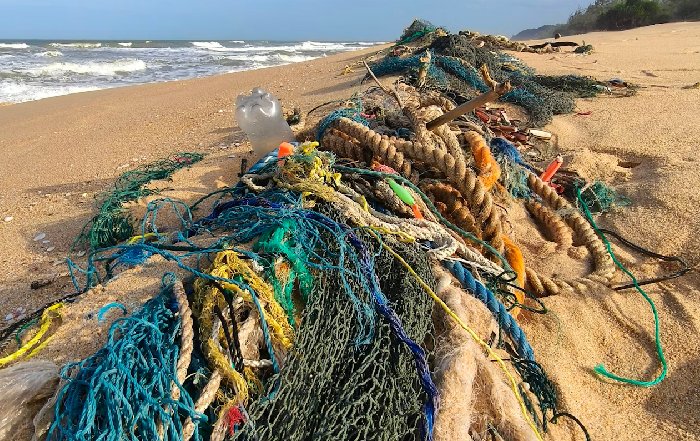
Marine wildlife bears the brunt of humanity's dependence on disposable plastics. From plankton to whales, species at every trophic level are affected by macroplastics such as discarded fishing gear and packaging, as well as microplastics generated through fragmentation and the shedding of synthetic fibers. Research synthesized by bodies like the Intergovernmental Science-Policy Platform on Biodiversity and Ecosystem Services (IPBES) and organizations such as WWF shows that entanglement, ingestion and habitat degradation are now routine pressures on marine fauna. Seabirds ingest brightly colored fragments they mistake for prey; turtles confuse plastic bags with jellyfish; marine mammals become ensnared in ghost nets, leading to injury, starvation and death.
The ecological consequences extend well beyond individual animals. Plastic pollution disrupts food webs, alters the structure and function of habitats such as coral reefs and seagrass beds, and may act as a vector for invasive species and pathogens hitchhiking across oceans. Studies compiled by the International Union for Conservation of Nature (IUCN) indicate that microplastics are now embedded in marine sediments and water columns across all oceans, potentially affecting the feeding behavior, reproduction and survival of species that underpin fisheries and coastal economies. These impacts on marine biodiversity directly intersect with the themes explored by Eco-Natur on biodiversity protection and wildlife conservation, underscoring that ocean health is inseparable from terrestrial and freshwater ecosystems.
The Human and Economic Dimensions of Ocean Plastic
For business leaders and policymakers, the implications of marine plastic pollution reach far beyond environmental metrics. Coastal communities in Europe, Asia, Africa, North America and South America depend on healthy marine ecosystems for fisheries, tourism, transportation and cultural identity. The World Bank and Food and Agriculture Organization (FAO) have documented how degraded marine environments can erode livelihoods, undermine food security and generate social instability. When plastic waste accumulates on beaches in Thailand, Brazil or Spain, tourism revenues decline; when fish stocks are compromised by habitat degradation and ingestion of plastics, the economic viability of fisheries in countries such as Norway, Japan or South Africa is threatened.
Moreover, the infiltration of microplastics into seafood and drinking water has raised legitimate concerns for public health. Research coordinated by the World Health Organization (WHO) and the European Food Safety Authority (EFSA) is ongoing, but there is growing unease about the long-term effects of microplastic exposure on human health, particularly in relation to chemical additives and contaminants that adhere to plastic particles. For companies in the food, beverage and hospitality sectors, this creates reputational and regulatory risks that must be managed with the same rigor as any other material safety issue. At the same time, the macroeconomic costs of unmanaged plastic waste, including marine litter, are becoming clearer through analyses by institutions such as the International Monetary Fund (IMF), which has linked environmental degradation to reduced productivity and increased public expenditure.
Plastic, Climate and the Broader Sustainability Agenda
Plastic pollution in marine environments cannot be treated in isolation from climate change and resource depletion. From extraction of fossil fuels to manufacturing, transport and incineration, the plastic lifecycle is deeply carbon intensive. The Ellen MacArthur Foundation and International Energy Agency (IEA) have highlighted that plastics could account for a growing share of global oil demand if current trends continue, undermining efforts to decarbonize energy systems and meet the Paris Agreement targets. As a result, strategies to protect marine wildlife from plastic are inherently linked to broader commitments to renewable energy, energy efficiency and low-carbon industrial processes.
For businesses that have embraced science-based climate targets, reducing plastic dependency is becoming an integral part of climate strategy. Companies in Europe and Asia are increasingly integrating plastic reduction into their net-zero roadmaps, recognizing that circular material flows and low-carbon design are mutually reinforcing. This alignment is particularly evident in markets like Germany, the Netherlands, Sweden and Denmark, where policy frameworks and consumer expectations strongly favor eco-design and high recycling rates. By treating plastic reduction as both a climate action and a biodiversity protection measure, organizations can build coherent sustainability narratives that are credible to investors, regulators and customers alike.
The Shift Toward Plastic-Free and Circular Design
One of the most powerful levers for protecting marine wildlife is preventing plastic from becoming waste in the first place. Design decisions taken in boardrooms, studios and laboratories across the United States, United Kingdom, China, Japan and beyond determine the materials, formats and end-of-life options for billions of products and packages every year. At Eco-Natur, the concept of plastic-free innovation is viewed as a cornerstone of a truly sustainable economy, in which products are conceived with durability, repairability, recyclability or compostability in mind from the outset.
Forward-thinking companies are increasingly adopting design frameworks inspired by the circular economy, drawing on guidance from organizations such as the Ellen MacArthur Foundation and design schools that collaborate with industry. Biobased materials, refill and reuse models, and minimalist packaging strategies are gaining traction in sectors ranging from personal care and household goods to food and beverage. While not all alternatives are automatically better for the environment, rigorous life cycle assessments and transparent reporting, as encouraged by initiatives like the Global Reporting Initiative (GRI), are helping businesses identify options that genuinely reduce environmental footprints. For marine wildlife, every gram of plastic that never enters the waste stream is a potential entanglement or ingestion incident prevented.
Recycling, Waste Management and Infrastructure Gaps
Even as design evolves, the world must deal with the vast quantities of plastic already in circulation. Effective recycling and waste management systems are essential to keep plastics out of rivers and oceans, but infrastructure varies dramatically between and within countries. In many parts of Asia, Africa and South America, rapid urbanization and economic growth have outpaced investments in waste collection and processing, resulting in leakage of plastics into waterways that ultimately reach the ocean. Conversely, in regions such as the European Union, Japan and parts of North America, relatively advanced systems still struggle with contamination, complex packaging formats and low economic incentives for recycling certain plastics.
The World Bank and UNEP have emphasized that closing these infrastructure gaps requires coordinated public and private investment, technological innovation and robust policy frameworks. For businesses, supporting improved recycling is no longer just a philanthropic gesture but a strategic necessity to ensure compliance with extended producer responsibility regulations and to secure secondary raw materials. Partnerships with municipal authorities, waste management companies and social enterprises in countries like India, Brazil, Indonesia and South Africa are emerging as models for inclusive, scalable solutions that reduce marine litter while creating dignified employment. When viewed through the lens of Eco-Natur's broader focus on sustainability and zero-waste strategies, these efforts illustrate how systemic change can be achieved when design, infrastructure and policy are aligned.
Sustainable Business Leadership and Regulatory Momentum
Across major economies, regulatory pressure on single-use plastics and packaging is intensifying. The European Union's Single-Use Plastics Directive, plastic bag bans in numerous US states, extended producer responsibility schemes in Canada and Australia, and policy experiments in countries like France, South Korea and Singapore are reshaping the operating environment for businesses. The ongoing negotiations under the UN Global Plastics Treaty process, supported by UNEP, signal that a harmonized international framework for plastic production, consumption and waste may soon emerge, creating both compliance obligations and competitive opportunities.
In this context, companies that embed sustainable business practices into their core strategies are better positioned to manage risk and capture value. Investors guided by frameworks such as Principles for Responsible Investment (PRI) and disclosure standards from the Task Force on Climate-related Financial Disclosures (TCFD) and the Taskforce on Nature-related Financial Disclosures (TNFD) are increasingly scrutinizing how corporations address plastic pollution and its biodiversity impacts. Brands that proactively phase out problematic plastics, invest in circular models and support policy reforms are able to demonstrate genuine leadership, strengthening trust with stakeholders in markets from the United Kingdom and Germany to Japan and New Zealand. For Eco-Natur, showcasing such leadership stories is part of building an ecosystem of knowledge and practice that accelerates the transition toward an economy that no longer sacrifices marine wildlife for short-lived convenience.
Consumer Behavior, Lifestyle Shifts and Market Demand
While policy and corporate action are critical, the behavior of individuals and households across the world ultimately shapes demand for single-use plastics. Over the last decade, a growing number of consumers in North America, Europe, Asia-Pacific and Latin America have embraced more conscious purchasing habits, opting for reusable bottles, bulk shopping, refill stations and minimal packaging where available. This shift is supported by public awareness campaigns from organizations like Ocean Conservancy and Surfrider Foundation, and by educational resources that help people learn more about sustainable lifestyles and everyday choices that reduce plastic footprints.
However, behavioral change is not simply a matter of individual willpower; it depends on the availability, affordability and convenience of alternatives. Businesses in sectors such as retail, hospitality and e-commerce play a decisive role in normalizing low-plastic and plastic-free options, from packaging-free aisles in supermarkets in Germany and the Netherlands to reusable container systems in cafes across Canada, Australia and Singapore. As Eco-Natur emphasizes in its coverage of sustainable living practices, the most effective solutions are those that integrate seamlessly into daily routines, making the environmentally responsible choice the easiest and most attractive option. In this way, market demand can reinforce regulatory frameworks and corporate commitments, creating a virtuous cycle that ultimately benefits marine wildlife.
Organic Food, Health and the Ocean Connection
The growing interest in organic food and healthier diets is closely tied to concerns about environmental contamination, including plastic pollution. Consumers in the United States, United Kingdom, France, Italy, Spain and other markets increasingly associate organic and sustainably sourced products with reduced chemical inputs, better soil health and more responsible packaging. For producers and retailers, this presents an opportunity to align product integrity with packaging innovation, ensuring that foods marketed as environmentally friendly do not arrive encased in unnecessary plastic.
Research shared by institutions such as the Harvard T.H. Chan School of Public Health and Lancet Planetary Health underscores the interconnectedness of human health, diet and ecosystem integrity. When marine wildlife is exposed to plastics and associated chemicals, these contaminants can move through food webs, potentially reaching human consumers of seafood. By reducing plastic pollution and adopting more sustainable agricultural and packaging practices, businesses can support both public health and ocean health, reinforcing the message that personal wellbeing, environmental protection and ethical consumption are mutually reinforcing objectives. This holistic perspective is central to Eco-Natur's work on health and sustainability, and it resonates strongly with audiences seeking coherence between their values and purchasing decisions.
Economic Transformation and Opportunities in a Low-Plastic Future
Transitioning away from a plastic-dependent model of growth requires significant restructuring of value chains, yet it also opens substantial opportunities for innovation, job creation and competitive differentiation. Analyses by the World Economic Forum (WEF) and McKinsey & Company have shown that circular economy approaches, including advanced recycling technologies, reuse systems and material substitution, can generate new markets and revenue streams while reducing environmental externalities. For economies in Europe, Asia, Africa and the Americas, investing in circular infrastructure and skills can enhance resilience, reduce import dependence on virgin fossil-based materials and position local industries at the forefront of sustainable innovation.
From the perspective of Eco-Natur's focus on the sustainable economy, protecting marine wildlife from plastic pollution is not merely a cost center but a catalyst for rethinking how value is created and measured. Companies that internalize environmental costs, design for longevity and participate in collaborative platforms for material recovery are better equipped to navigate volatile resource prices and shifting regulatory landscapes. In emerging markets, where waste management challenges are often most acute, international finance and technology transfer can help leapfrog outdated models and build modern, inclusive systems that keep plastics out of rivers and oceans while supporting livelihoods.
Global Collaboration and the Role of Knowledge Platforms
Because ocean currents do not recognize political borders, no country can solve marine plastic pollution in isolation. Global collaboration, informed by robust science and transparent data, is indispensable. International agreements under the auspices of the United Nations, regional frameworks such as the EU Green Deal, and multistakeholder initiatives like the Global Partnership on Marine Litter (GPML) are gradually shaping a shared agenda for action. Research institutions, NGOs and citizen science projects contribute vital insights into sources, pathways and impacts of plastic pollution, enabling more targeted interventions.
In this landscape, knowledge platforms such as Eco-Natur play an increasingly important role by connecting evidence, solutions and stakeholders. Through in-depth coverage of sustainability, global environmental trends and practical guidance on topics like plastic-free living and recycling systems, the platform supports decision-makers in business and policy as well as engaged citizens. By curating best practices from across continents, highlighting innovative business models and amplifying the voices of communities directly affected by marine pollution, Eco-Natur helps transform concern into concrete, scalable action.
A Needed Path Forward for 2026 and Beyond
Well the evidence is unequivocal: protecting marine wildlife from plastic pollution is a defining challenge and opportunity of this decade. The oceans that connect the United States with Asia, Europe with Africa, and the Pacific with South America are under unprecedented pressure, yet they also offer immense potential for climate regulation, food security and economic prosperity if managed wisely. Businesses that recognize the intrinsic value of marine ecosystems and act decisively to reduce plastic footprints, redesign products, support effective waste management and engage consumers are not only fulfilling ethical responsibilities but also securing long-term competitiveness.
For leaders seeking to align strategy with this reality, the path forward involves integrating plastic reduction into core business objectives, collaborating across value chains and borders, and embracing innovation that respects planetary boundaries. It requires acknowledging that the health of marine wildlife is directly linked to the stability of markets, the resilience of supply chains and the trust of customers. Platforms like Eco-Natur will continue to provide expert and impartial analysis, guidance and inspiration for organizations and individuals determined to be part of the solution, demonstrating that a world where oceans thrive, economies prosper and communities flourish is not only necessary but entirely achievable when collective expertise, experience and commitment are brought to bear on the challenge of plastic pollution.
