
The Truth About Biodegradable Plastics - Promise, Pitfalls, and the Path Forward
Is Biodegradable Plastics at a Crossroads
Biodegradable plastics have slowly moved from innovation to mainstream marketing claim, appearing on packaging, shopping bags, single-use cutlery, textiles, and even electronics casings. For many consumers across North America, Europe, Asia, Africa, and South America, the "biodegradable" label has become shorthand for "guilt-free," suggesting that the product will harmlessly disappear once discarded. Yet the reality is more complex, and the gap between perception and performance is now a central concern for policymakers, scientists, and responsible brands.
On eco-natur.com, which has long focused it's totally unique content on sustainable living and transparent environmental information, the question is no longer whether biodegradable plastics exist, but what they actually deliver in practice, how they compare with genuinely plastic-free solutions, and how businesses and consumers can navigate a marketplace crowded with ambiguous claims. Understanding the truth about biodegradable plastics requires examining material science, waste infrastructure, regulatory frameworks, and the broader economic and ecological context that shapes how these materials behave in the real world rather than in laboratory conditions.
What "Biodegradable" Really Means
In scientific and regulatory terms, "biodegradable" describes a material that can be broken down by microorganisms such as bacteria and fungi into water, carbon dioxide (or methane in anaerobic conditions), and biomass within a defined period and under specific conditions. Standards such as EN 13432 in Europe and ASTM D6400 in the United States attempt to formalize these conditions, typically referring to industrial composting environments with controlled temperature, humidity, and aeration. Readers can explore these standards further through resources from CEN and ASTM International, which outline the technical criteria for compostability and biodegradability.
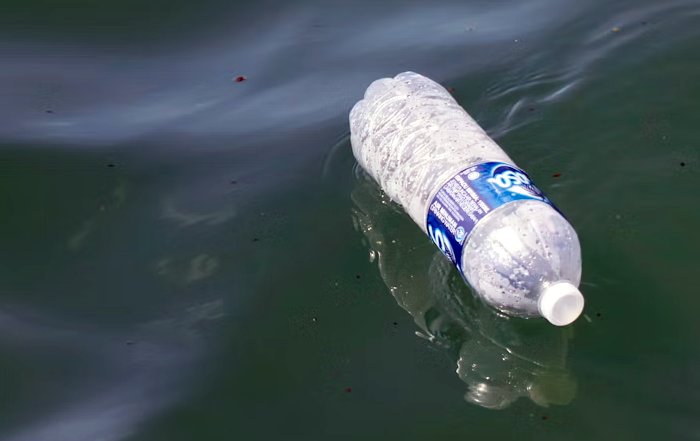
However, the label "biodegradable" on consumer products rarely communicates the required conditions, the timeframe, or the likely fate of the material in a municipal waste system. Many items marketed as biodegradable require industrial composting facilities that are not widely available in large parts of the United States, Canada, or emerging economies, while in the United Kingdom, Germany, the Netherlands, and the Nordic countries, regional availability is improving but still uneven. As a result, a supposedly biodegradable plastic fork that ends up in a landfill, a river, or the open environment may persist for years or decades, undermining the very purpose of the material and contributing to the global plastic pollution crisis documented by organizations such as UNEP.
For a business audience, this distinction is critical. Claims about biodegradability intersect with consumer protection law, greenwashing regulations, and corporate ESG reporting. Companies that wish to build genuine sustainability leadership need to understand that biodegradable is not a universal property but a context-dependent characteristic that is only meaningful when paired with appropriate collection and treatment systems.
Types of Biodegradable Plastics and Their Real-World Performance
The category of biodegradable plastics encompasses a diverse family of materials, each with distinct feedstocks, processing requirements, and environmental profiles. Common examples include polylactic acid (PLA), polybutylene adipate terephthalate (PBAT), polyhydroxyalkanoates (PHA), and starch-based blends. Detailed technical overviews can be found through resources such as PlasticsEurope and the American Chemical Society, which track advances in polymer science and industrial applications.
PLA, often derived from corn or sugarcane, has become one of the most widely used bioplastics for packaging, food containers, and disposable tableware. Under industrial composting conditions, PLA can break down within a few months, but in home compost bins or marine environments it degrades very slowly, if at all. PBAT and PHA, by contrast, can show faster biodegradation under a broader range of conditions, yet their production remains more expensive and resource-intensive, limiting uptake beyond high-value niche applications in Europe, Japan, and parts of North America. Starch-based blends, frequently marketed as "eco-friendly," may contain significant fractions of conventional polyethylene or polypropylene, which complicates recycling and can lead to microplastic formation when only the starch portion degrades.
This diversity of materials and performance profiles poses a challenge for municipal recycling programs from the United States to Australia and South Africa, as biodegradable plastics are often visually indistinguishable from conventional plastics and can contaminate recycling streams. Industry bodies such as The Recycling Partnership in the United States and WRAP in the United Kingdom have repeatedly warned that mixing biodegradable items with standard recyclables can reduce the quality of recycled plastic and increase processing costs. For this reason, many waste authorities instruct residents not to place compostable or biodegradable plastics in recycling bins, even though consumers often assume that "eco-plastic" must be recyclable.
Biodegradable Plastics and the Circular Economy
From the perspective of a circular economy, which aims to keep materials in use at their highest value for as long as possible, biodegradable plastics occupy an ambiguous position. On the one hand, they offer the potential to reduce long-term persistence of waste in landfills and natural ecosystems. On the other hand, they can encourage single-use habits and divert attention from more robust circular strategies such as reuse, refill, and mechanical recycling. Organizations like the Ellen MacArthur Foundation have emphasized that material substitution alone is insufficient without systemic changes in design, logistics, and consumer behavior.
For eco-natur.com, whose readers are interested in the intersection of sustainable business and the broader economy, the key question is how biodegradable plastics can fit into credible circular models. In some contexts, such as food-contaminated packaging or agricultural mulch films, compostable plastics may facilitate organic waste collection and reduce contamination of compost streams, especially in regions with well-developed bio-waste infrastructure like Germany, Austria, and parts of Italy. In other contexts, such as e-commerce packaging or takeaway coffee cups, reuse systems or fully recyclable mono-material solutions may deliver superior environmental outcomes.
A growing body of life-cycle assessments, summarized by agencies such as the European Environment Agency and EPA in the United States, indicates that the benefits of biodegradable plastics are highly scenario-dependent. The climate and resource impacts of growing feedstocks, processing biopolymers, and managing end-of-life can outweigh the advantages of biodegradability if systems are not carefully designed. This reinforces the need for businesses to base material choices on specific use cases, local infrastructure, and independent environmental assessments rather than on generic marketing narratives.
Misconceptions, Greenwashing, and Regulatory Crackdowns
One of the most persistent misconceptions among consumers in the United States, the United Kingdom, Canada, and many emerging markets is the belief that "biodegradable" means that a product will quickly dissolve in any environment, including oceans and rivers. Scientific reviews, including those disseminated by NOAA and IUCN, have shown that many so-called biodegradable plastics behave similarly to conventional plastics in marine conditions, breaking down extremely slowly and fragmenting into microplastics that threaten wildlife and ecosystems from the Mediterranean to the Pacific.
This gap between perception and reality has prompted regulators in Europe, Asia, and North America to scrutinize environmental claims more closely. The European Commission has moved to restrict vague terms such as "biodegradable" and "environmentally friendly" unless backed by clear standards and timeframes, while authorities in the United States, Canada, and Australia are updating green marketing guidelines to prevent misleading claims. In the United Kingdom, the Competition and Markets Authority has signaled that companies may face enforcement action if they cannot substantiate biodegradability claims with robust evidence and clear instructions for disposal.
For brands seeking to build trust with eco-conscious audiences, including the global readership of eco-natur.com, this regulatory shift underscores the importance of transparency and specificity. Instead of relying on broad "biodegradable" labels, responsible companies are beginning to specify whether a product is "industrially compostable," "home compostable," or "designed for mechanical recycling," and to communicate the exact conditions required. This trend aligns with the platform's emphasis on zero-waste principles and its long-standing advocacy for clear, consumer-friendly information over vague sustainability rhetoric.
Biodegradable Plastics and the Plastic-Free Movement
The rise of biodegradable plastics has coincided with a powerful global movement toward plastic reduction and elimination, especially in regions such as the European Union, the United States, and parts of Asia-Pacific. Cities from San Francisco and Vancouver to Paris, Berlin, Singapore, and Seoul have introduced bans or restrictions on certain single-use plastics, while retailers and hospitality businesses in Australia, New Zealand, and Scandinavia are rethinking packaging strategies to align with consumer expectations for plastic-free experiences.
In this context, biodegradable plastics can be either a bridge technology or a distraction. For some product categories where immediate elimination is difficult, such as medical packaging or specific food-safety applications, transitioning to certified compostable materials may represent a pragmatic interim step. Yet for many everyday items-shopping bags, water bottles, coffee cups, and cutlery-biodegradable options risk reinforcing the single-use paradigm that the plastic-free movement seeks to dismantle. Advocacy groups and research institutes, including Greenpeace and the Stockholm Environment Institute, have argued that genuine transformation requires redesigning systems around reduction, reuse, and refill rather than substituting one disposable material for another.
The editorial stance at eco-natur.com has consistently emphasized that the most sustainable plastic is often the one that is never produced. Articles on lifestyle change, recycling, and conscious consumption highlight that personal and organizational commitments to reduction, repair, and sharing models typically deliver larger environmental benefits than incremental shifts in material composition. Biodegradable plastics, in this view, should be evaluated as part of a hierarchy of options, not as a default "green" solution.
Impacts on Wildlife, Biodiversity, and Human Health
Beyond waste management considerations, the ecological and health implications of biodegradable plastics are increasingly scrutinized. Even when a bioplastic item eventually breaks down, its intermediate fragments can pose risks to marine and terrestrial organisms, similar to conventional microplastics. Studies coordinated by bodies such as FAO and WHO have raised concerns about the ingestion of microplastics by fish, birds, and mammals, with potential knock-on effects for human food chains and public health.
For regions rich in biodiversity, from the coral reefs of Thailand and Malaysia to the forests of Brazil and the savannas of South Africa, the expansion of biodegradable plastics does not automatically translate into reduced ecological pressure. If these materials leak into the environment due to inadequate collection and infrastructure, they can still entangle animals, disrupt habitats, and introduce chemical additives. Conservation organizations and scientific networks, including WWF and the Convention on Biological Diversity, stress that any material strategy must be paired with robust measures to prevent litter, improve waste management, and protect biodiversity.
Moreover, the agricultural production of bioplastic feedstocks raises additional sustainability questions. Large-scale cultivation of corn, sugarcane, or other crops for bioplastics can compete with food production, drive land-use change, and increase pesticide and fertilizer use, with implications for soil health, water quality, and rural communities in countries such as the United States, Brazil, China, and Thailand. For readers interested in organic food and regenerative agriculture, this tension underscores the need to evaluate bioplastics not only at end-of-life but across their entire supply chain.
Regional Differences: Infrastructure, Policy, and Consumer Expectations
The truth about biodegradable plastics is highly regional, shaped by differences in policy frameworks, infrastructure investment, and cultural attitudes across continents. In parts of Western Europe, especially Germany, the Netherlands, the Nordic countries, and Switzerland, industrial composting facilities and separate bio-waste collection systems are relatively advanced, enabling certain biodegradable packaging solutions to perform closer to their intended design. The European Commission's circular economy action plans have encouraged member states to develop harmonized approaches to bio-waste and bioplastics, although implementation remains uneven between urban and rural areas.
In North America, the picture is more fragmented. Some cities in the United States and Canada have invested in industrial composting and accept certified compostable packaging, while others lack the facilities or choose not to process bioplastics due to contamination challenges and economic constraints. In many parts of Asia, Latin America, and Africa, rapid urbanization and limited waste infrastructure mean that both conventional and biodegradable plastics often end up in open dumps, waterways, or informal recycling channels, which significantly diminishes the environmental benefits of biodegradable materials. Reports from UN-Habitat and World Bank highlight the scale of these challenges and the need for integrated waste management strategies that consider local realities.
Consumer expectations also vary. In Japan and South Korea, where meticulous waste sorting is culturally embedded, there is growing interest in bioplastics that align with existing collection systems. In the United Kingdom, France, Italy, and Spain, public debates around plastic pollution, climate change, and corporate responsibility have driven retailers and brands to experiment with compostable packaging, often in partnership with local authorities and waste operators. In Australia and New Zealand, strong public support for marine conservation and zero-waste lifestyles has spurred both government regulation and grassroots innovation, prompting businesses to reevaluate the role of biodegradable materials within broader sustainability roadmaps.
For eco-natur.com, which serves a global audience from Singapore to Denmark and from South Africa to Canada, this regional diversity reinforces the importance of contextual advice. A solution that works in a city with advanced composting infrastructure may be inappropriate in a rural area without such facilities, even within the same country. Responsible decision-making therefore requires attention to local conditions, not just global trends.
Integrating Biodegradable Plastics into Holistic Sustainability Strategies
In 2026, forward-looking businesses and policymakers are increasingly aware that biodegradable plastics must be integrated into broader sustainability strategies rather than treated as a standalone fix. This integration begins at the design stage, where product developers consider material selection, durability, repairability, and end-of-life pathways in tandem. Resources on design for sustainability and circular product development, including guidance from ISO and innovation hubs such as EIT Climate-KIC, emphasize that decisions about whether to use biodegradable, recyclable, or reusable formats should be based on system-level analysis, not on isolated properties.
Companies that aspire to leadership in corporate sustainability increasingly adopt multi-pronged approaches: reducing overall material use, investing in reuse and refill systems, improving recyclability of remaining materials, and deploying biodegradable plastics only where they deliver clear, verifiable benefits. This may include specific applications in food service, agriculture, or medical contexts where contamination or hygiene requirements make reuse or conventional recycling impractical. Transparent reporting frameworks, such as those promoted by the Global Reporting Initiative and CDP, encourage organizations to disclose not only the volume of bioplastics used but also the associated impacts and management strategies.
For readers of eco-natur.com, this holistic perspective aligns with the site's long-standing emphasis on interconnected solutions spanning renewable energy, low-impact lifestyles, and systemic economic change. Biodegradable plastics can play a role in a sustainable future, but only when their deployment is guided by rigorous analysis, honest communication, and alignment with broader climate and resource-efficiency goals.
What Businesses and Consumers Should Do Now
Given the complexity of biodegradable plastics, both businesses and consumers face a learning curve if they wish to make responsible choices. For companies operating in multiple markets-from the United States and the United Kingdom to China, Singapore, and Brazil-the first step is to map local waste infrastructure, regulations, and consumer expectations, then align packaging and product strategies accordingly. Collaborating with local authorities, waste management companies, and independent experts can help avoid missteps and ensure that biodegradable materials, where used, are compatible with existing systems. Businesses can deepen their understanding by exploring resources on sustainable business practices and engaging in multi-stakeholder initiatives that share data and best practice.
Consumers, whether in Germany, Canada, France, South Korea, or South Africa, can focus on a hierarchy of actions: reducing unnecessary consumption, choosing durable and reusable options, supporting brands that prioritize transparency and genuine system change, and carefully following local guidance on waste sorting and composting. Learning more about recycling systems, local composting rules, and credible eco-labels empowers individuals to distinguish between meaningful certifications and superficial claims. When encountering products labeled as "biodegradable" or "compostable," consumers can look for clear information about conditions, timeframes, and certifications, and question any claim that seems too simple for such a complex issue.
In both cases, trust is built through evidence, clarity, and alignment between words and actions. That alignment is at the heart of eco-natur.com's editorial mission, which seeks to provide readers with nuanced, globally relevant insights into sustainability, sustainable living, and the evolving relationship between business, society, and the natural world.
Walking Ahead, Beyond the Biodegradable Hype
The debate around biodegradable plastics is shifting from simplistic enthusiasm to more mature, evidence-based evaluation. Advances in material science continue, with researchers in Europe, Asia, and North America exploring new polymers derived from agricultural residues, algae, and even captured carbon dioxide, aiming to improve biodegradation performance while reducing competition with food crops. At the same time, digital technologies-from blockchain-enabled traceability to AI-driven waste sorting-are opening possibilities for more sophisticated material management and accountability.
Yet the core insight emerging from global experience is that no material, however innovative, can substitute for systemic change. The future of sustainable consumption and production lies in redesigning business models, infrastructure, and cultural norms so that waste is minimized, resources are valued, and ecosystems are respected. Biodegradable plastics may contribute to this transformation in specific, well-designed niches, but they cannot replace the fundamental work of reducing dependence on disposability, enhancing sustainable living practices, and building resilient, low-carbon economies.
For the growing sustainable loving community that turns to eco-natur.com for guidance-from entrepreneurs in London and Berlin to policymakers in Ottawa and Canberra, from activists in São Paulo and Johannesburg to families in Tokyo and Bangkok-the truth about biodegradable plastics is both sobering and empowering. Sobering, because the label alone does not guarantee environmental benefit and may, if misunderstood, perpetuate harmful patterns. Empowering, because with accurate information, critical thinking, and collaborative action, businesses and citizens can move beyond marketing slogans toward strategies that genuinely protect the planet's climate, oceans, and biodiversity.
The path forward is not defined by a single material but by collective choices across design, policy, investment, and daily life. In that broader journey, biodegradable plastics are one small, carefully bounded tool-useful when deployed wisely, inadequate when treated as a panacea, and always in need of scrutiny in the pursuit of a truly sustainable and regenerative future.
Don't forget to bookmark, share, like, follow and subscribe and we will see you back here tomorrow!
