
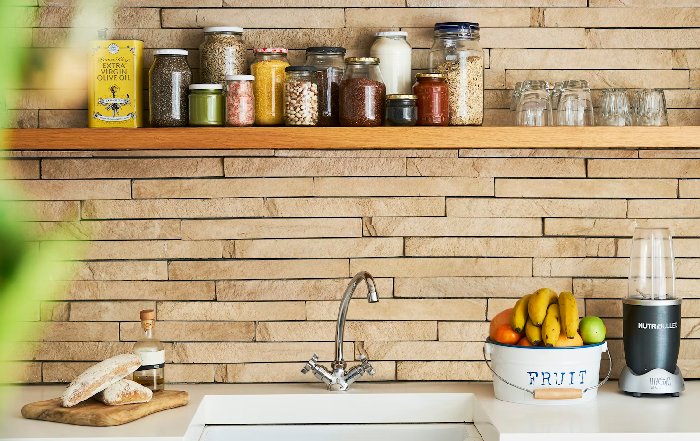
Zero-Waste Kitchen Essentials: Building a High-Impact, Low-Footprint Hub at Home and at Work
The Zero-Waste Kitchen as a Strategic Sustainability Lever
The kitchen has emerged as one of the most strategic spaces for reducing environmental impact, not only in private homes but also in offices, co-working hubs, hospitality venues, and food service operations. For an audience that follows Eco-Natur and is already attuned to sustainable living, the concept of the zero-waste kitchen is no longer a fringe lifestyle choice; it is a practical, measurable and increasingly mainstream route to cutting carbon emissions, reducing resource use, and strengthening resilience across households and businesses in the United States, Europe, Asia, Africa and beyond.
The zero-waste kitchen is not simply a matter of swapping plastic wrap for beeswax or buying a few reusable containers, although such changes are important. It is a holistic system that integrates product choices, food sourcing, storage practices, waste management, and behavioral design, all underpinned by verifiable data and robust standards. As organizations and individuals seek to align with global frameworks such as the United Nations Environment Programme's guidance on sustainable consumption and production, the kitchen becomes a microcosm of wider sustainability ambitions, linking climate, biodiversity, health, and economic performance in a single, highly visible environment. Readers who explore Eco-Natur's perspectives on sustainable living and sustainability will recognize that the zero-waste kitchen is one of the most tangible and immediate areas where theory can be translated into practice.
Experience and Evidence: Why the Kitchen Matters
Globally, food systems are responsible for a significant share of greenhouse gas emissions, land use, and water consumption, and the kitchen is the final stage where food is stored, prepared, and often wasted. According to analyses compiled by the Food and Agriculture Organization of the United Nations, food loss and waste account for substantial environmental and economic losses, with households and the food service sector in countries such as the United States, the United Kingdom, Germany, Canada, Australia and others contributing heavily to avoidable waste. Those who wish to understand the scale of the challenge can review international data and methodologies through resources such as the FAO and the UN Environment Programme, and then translate those insights into daily decisions in their own homes and businesses.
From an experiential standpoint, practitioners who have implemented zero-waste kitchens in offices, hotels, restaurants, and residential complexes consistently report that the process reshapes organizational culture. When employees in a London co-working space see transparent compost collection, or guests in a Berlin hotel experience refillable glass containers instead of single-use plastics, the zero-waste kitchen becomes a visible symbol of corporate values. For businesses that explore sustainable business strategies with Eco-Natur, the kitchen is increasingly treated as a pilot environment where new circular models, supplier partnerships, and employee engagement initiatives can be tested before being scaled across other functions.
Core Zero-Waste Kitchen Principles: Beyond Aesthetic Minimalism
A zero-waste kitchen is grounded in the principles of refuse, reduce, reuse, repair, and recycle, but in 2026 these principles are applied with greater precision and data-driven rigor. Organizations such as Zero Waste International Alliance and Ellen MacArthur Foundation have helped to popularize the idea of circularity, yet translating this into kitchen practice requires a careful balance between design, procurement, and behavioral science.
The first principle is to refuse unnecessary inputs, particularly single-use plastics, disposable packaging, and redundant gadgets. This aligns directly with the themes explored in Eco-Natur's dedicated pages on plastic-free living and zero waste approaches, where the emphasis is on questioning default consumption patterns rather than simply seeking "greener" versions of the same disposable products. The second principle is to reduce the volume and diversity of materials entering the kitchen, for example by standardizing container types, simplifying cleaning products, and consolidating ingredients to those that are regularly used and can be stored efficiently.
The third and fourth principles, reuse and repair, are where the zero-waste kitchen begins to demonstrate its economic as well as ecological value. Durable glass jars, stainless steel containers, cast-iron cookware, and modular appliances that can be repaired rather than replaced offer longer lifespans and lower total cost of ownership. In countries such as Sweden, Norway, Denmark, and Germany, tax incentives and repair cafes have encouraged consumers and businesses to extend product life, a trend that can be observed through initiatives referenced by organizations like the European Environment Agency. The final principle, recycling, is positioned not as the primary solution but as a last resort once reduction and reuse have been fully optimized, in line with guidance available from entities such as the U.S. Environmental Protection Agency and Recycling Council of Ontario.
Essential Tools and Materials: Designing a High-Performance Zero-Waste Kitchen
A zero-waste kitchen in 2026 is defined less by a specific checklist of products and more by the performance criteria those products meet. Nonetheless, several categories of tools and materials have emerged as widely recognized essentials for both home users and professional operators seeking to minimize waste while maintaining high standards of hygiene, safety, and efficiency.
Durable, non-toxic food storage is central to this effort. Glass containers with airtight lids, stainless steel lunch boxes, and silicone lids or baking mats certified as food-safe provide robust alternatives to disposable plastics and aluminum foil. Organizations such as Consumer Reports and Environmental Working Group have published guidance on evaluating materials for potential chemical exposure, which is particularly relevant for markets in North America, Europe, and Asia where regulatory frameworks differ. For readers who also prioritize health outcomes, Eco-Natur's coverage of health and ecological impacts complements these external resources by highlighting the intersection between material choices and long-term wellbeing.
In addition to storage, cooking equipment plays a pivotal role. High-quality knives that can be sharpened rather than discarded, cast-iron or stainless-steel pans that last decades, and modular appliances with replaceable parts all contribute to a lower-waste profile. In professional kitchens in cities such as New York, London, Singapore, and Tokyo, chefs are increasingly turning to equipment certified by organizations like Energy Star to minimize energy use while maintaining performance, thereby linking zero waste to broader climate goals. Interested readers can explore how renewable energy integration in homes and businesses further reduces the footprint of cooking and refrigeration.
Cleaning systems are another critical component. Concentrated, refillable cleaning solutions, solid dish soap bars, and reusable cloths made from organic fibers reduce packaging waste and limit chemical discharge into waterways. Research from institutions such as Harvard T.H. Chan School of Public Health and World Health Organization has documented the health and environmental impacts of common cleaning chemicals, prompting many organizations and households in regions from Canada to South Africa to shift towards safer, low-waste alternatives that still meet hygiene standards.
Food Sourcing and Organic Choices: Reducing Waste Before It Enters the Kitchen
While equipment and materials are important, the largest share of environmental impact in a kitchen typically arises from food itself. The transition to a zero-waste kitchen therefore begins well before ingredients cross the threshold of a home, restaurant, or corporate cafeteria. Choosing organic, seasonal, and locally sourced food wherever feasible can significantly reduce packaging, transport emissions, and chemical inputs, while also supporting regional economies in Europe, North America, Asia, and other regions.
Organizations such as IFOAM - Organics International and USDA Organic provide frameworks for understanding organic certification and its implications for soil health, biodiversity, and water quality. For readers who wish to align their kitchen choices with these broader ecological benefits, Eco-Natur offers detailed perspectives on organic food and sustainable agriculture, connecting procurement decisions with their real-world impacts on farms and ecosystems. In markets like France, Italy, Spain, and the Netherlands, consumer cooperatives and community-supported agriculture schemes have made it easier to purchase unpackaged or minimally packaged organic produce, thereby cutting down on both food and packaging waste.
Digital tools have also transformed sourcing practices. Apps and platforms that connect consumers and businesses with surplus food from supermarkets, restaurants, and bakeries, such as those profiled by organizations like WRAP UK and ReFED in the United States, offer a practical route to preventing edible food from being discarded. For business readers in hospitality and food service, leveraging such platforms has become a standard component of corporate sustainability strategies, often integrated with internal key performance indicators and external reporting frameworks such as those discussed by the Global Reporting Initiative.
Storage, Meal Planning, and Behavioral Design: Preventing Waste at the Source
Even with the best sourcing practices, a kitchen can still generate significant waste if food is not stored and used efficiently. In 2026, experience from households and organizations across Germany, Sweden, Japan, Singapore, and Brazil demonstrates that the combination of intelligent storage, realistic meal planning, and subtle behavioral design can cut food waste dramatically.
Effective storage starts with understanding how different foods behave. Resources from authorities like USDA Food Safety and Inspection Service and Food Standards Agency in the United Kingdom offer detailed guidance on refrigeration, freezing, and shelf life, which can be adapted to local contexts in Asia, Africa, and South America. Transparent containers, clear labeling, and a "first in, first out" system make it easier for both families and kitchen staff to see what needs to be used next, reducing the likelihood that items will be forgotten and eventually discarded. For readers following Eco-Natur's broader lifestyle guidance, integrating these practices becomes part of a holistic routine rather than an isolated chore.
Meal planning is equally important. Rather than rigid weekly menus that may not reflect changing schedules, many successful zero-waste kitchens use flexible frameworks, planning around core ingredients that can be repurposed across multiple meals. Leftovers become intentional components of future dishes rather than an afterthought. Behavioral design techniques, such as placing perishable items at eye level, using smaller plates in buffet settings, or providing visual prompts near waste bins, have been shown in studies by organizations such as World Resources Institute to reduce plate waste in cafeterias and hotels across North America, Europe, and Asia.
Managing Organic Waste: Composting, Recycling, and Circular Flows
Even the most efficient zero-waste kitchen will generate some organic scraps, from vegetable peels to coffee grounds. The way these materials are handled determines whether they become a climate liability or a resource. In 2026, cities from San Francisco to Seoul and from Copenhagen to Wellington have expanded municipal composting and anaerobic digestion programs, transforming food waste into compost or biogas that supports local agriculture and energy systems.
For households and smaller businesses, home or community composting remains a powerful tool. Guidance from organizations such as National Resources Defense Council and Royal Horticultural Society provides practical advice on composting methods suited to different climates, housing types, and cultural contexts, from apartment dwellers in Singapore to smallholdings in South Africa. Those who wish to deepen their understanding of material cycles can also explore Eco-Natur's analysis of recycling systems and circular economy principles, where the kitchen is used as a case study for how biological and technical nutrients can be kept in productive use for as long as possible.
In parallel, effective separation of recyclables such as glass, metal, and paper remains crucial. However, experience from municipalities in the United States, Canada, Germany, and Japan shows that recycling outcomes depend heavily on contamination rates and market demand for recovered materials. Consequently, leading organizations and cities increasingly emphasize waste prevention and reuse, treating recycling as one component within a broader strategy rather than the primary solution.
Plastic-Free Pathways: Redesigning Packaging and Daily Habits
The goal of a plastic-free or near plastic-free kitchen is particularly resonant for readers of Eco-Natur, many of whom already engage with the platform's insights on plastic-free choices and zero-waste design thinking. In 2026, regulatory frameworks in the European Union, the United Kingdom, Canada, and parts of Asia have accelerated the phase-out of certain single-use plastics, while extended producer responsibility schemes are reshaping how packaging is designed and financed.
From a practical standpoint, eliminating unnecessary plastic in the kitchen involves a combination of product swaps and systemic changes. Refillable glass bottles for oils, vinegars, and cleaning products, cloth or mesh bags for produce, and bulk bins for dry goods are increasingly common in supermarkets and zero-waste stores in countries such as the Netherlands, France, Italy, and New Zealand. Organizations like Plastic Pollution Coalition and Surfrider Foundation have documented the environmental benefits of these shifts, particularly in relation to marine ecosystems and coastal communities.
At the same time, businesses in hospitality and corporate catering are redesigning their service models to avoid single-use items. Reusable container systems, deposit-return schemes, and on-site dishwashing infrastructure are becoming standard in progressive operations from New York to Bangkok, supported by case studies and guidance from entities such as Ellen MacArthur Foundation and World Business Council for Sustainable Development. For companies that engage with Eco-Natur on sustainable business and green economy topics, these plastic-free kitchen initiatives are not only environmental measures but also brand and risk management strategies.
Wildlife, Biodiversity, and the Kitchen's Hidden Ecological Footprint
The impacts of kitchen choices extend far beyond waste bins and recycling facilities, shaping habitats and species survival across continents. Intensive agriculture, overfishing, and poorly managed waste all contribute to biodiversity loss and ecosystem degradation, issues documented extensively by organizations such as World Wildlife Fund and International Union for Conservation of Nature.
A zero-waste kitchen that prioritizes organic, regenerative, and fair-trade sourcing can help reverse some of these trends by supporting farming and fishing practices that protect soil health, water quality, and wildlife corridors. For example, purchasing certified sustainable seafood in markets like Japan, Norway, and the United States, guided by resources from Marine Stewardship Council, can reduce pressure on vulnerable marine species. Similarly, choosing shade-grown coffee or cocoa from certified sources in Brazil, Thailand, and other producing countries can protect critical habitats for birds, pollinators, and other wildlife. Readers interested in these broader ecological relationships can explore Eco-Natur's focus on wildlife and biodiversity and its dedicated section on biodiversity protection, where the kitchen is framed as a point of leverage in global conservation efforts.
By minimizing plastic leakage, reducing food waste, and supporting regenerative agriculture, the zero-waste kitchen becomes a practical expression of environmental stewardship that links daily routines in cities such as London, Berlin, Toronto, Sydney, Shanghai, Cape Town, and São Paulo to the health of forests, oceans, and grasslands worldwide.
Economic and Business Dimensions: From Cost Savings to Strategic Advantage
For business leaders and entrepreneurs in North America, Europe, Asia, and beyond, the zero-waste kitchen represents not only an environmental imperative but also a compelling economic opportunity. Operational data from hotels, restaurants, corporate cafeterias, and institutional kitchens indicate that systematic efforts to reduce food waste, optimize procurement, and transition to reusable systems can generate substantial cost savings, sometimes within months. Organizations such as ReFED, WRAP, and World Resources Institute have published case studies documenting these outcomes in the United States, United Kingdom, and other markets, demonstrating that waste reduction is often one of the most cost-effective climate actions available.
In parallel, investors and consumers are scrutinizing corporate sustainability performance more closely, with environmental, social, and governance (ESG) metrics influencing access to capital and market positioning. A company that can demonstrate credible zero-waste practices in its kitchens-from headquarters in New York or London to facilities in Singapore, Seoul, or Johannesburg-signals operational excellence and long-term risk awareness. This aligns with the themes explored on Eco-Natur's pages covering global sustainability trends and the evolving green economy, where the integration of environmental and financial performance is treated as a core business competency rather than a peripheral concern.
For small and medium-sized enterprises, particularly in the food and hospitality sectors, adopting zero-waste kitchen essentials can differentiate their brand in crowded markets from Melbourne to Madrid and from Vancouver to Vienna. Transparent communication about sourcing, waste reduction, and circular packaging can build trust with customers who are increasingly informed through sources such as OECD, World Bank, and national environment agencies, and who expect concrete evidence rather than generic sustainability claims.
A Personal and Practical Path Forward
For the environment and nature, loving community that turns to Eco-Natur for guidance on sustainable living, plastic-free choices, recycling, wildlife protection, organic food, and the broader sustainability agenda, the zero-waste kitchen offers a uniquely personal yet globally significant project. Whether located in a small apartment in Singapore, a family home in the United States, a shared flat in Germany, or a guesthouse in South Africa, the kitchen is the space where environmental values are most visibly translated into daily action.
By integrating durable, non-toxic tools, thoughtful sourcing of organic and regenerative foods, intelligent storage and meal planning, robust composting and recycling systems, and a determined shift away from single-use plastics, individuals and organizations can create kitchens that are both highly functional and profoundly low-impact. These changes, while sometimes incremental, accumulate into measurable reductions in waste, emissions, and ecological harm, and they contribute to healthier, more resilient lifestyles and business models.
As wildlife, caring readers explore the resources available across Eco-Natur, from sustainable living practices and zero-waste strategies to organic food choices and global sustainability developments, the zero-waste kitchen can serve as both a starting point and a continuous learning environment. In 2026 and beyond, the kitchens of homes, offices, hotels, schools, and community centers across North America, Europe, Asia, Africa, and South America will play a quiet but decisive role in shaping a more sustainable, equitable, and resilient world-one carefully considered meal, container, and habit at a time. Thanks for being part of our environmentally nurturing community. We create and update original long-form articles daily, with useful links that help you explore each topic in greater depth.
