
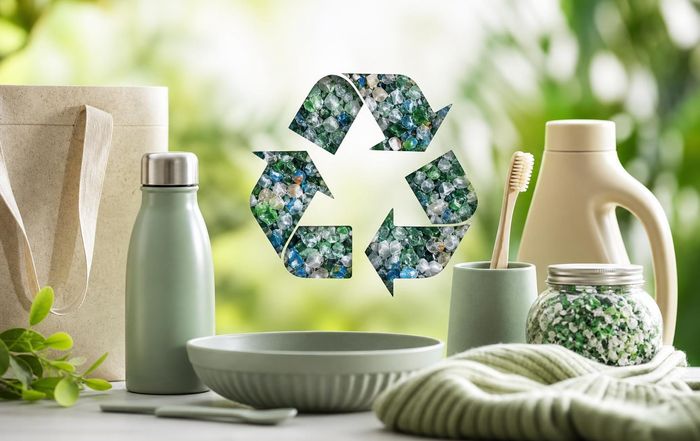
Why Recycled Content Matters in Everyday Products
A New Chapter for Everyday Things
Across homes, offices, and city streets, the objects people touch every day are quietly changing. Packaging carries labels that highlight recycled content, clothing brands promote garments made from recovered fibers, and building materials increasingly incorporate reclaimed inputs. Behind these shifts lies a profound transformation in how societies think about resources, waste, and responsibility. For rather unique individuals coming here that are committed to practical, science-based sustainability, understanding why recycled content matters in everyday products is central to making informed choices that genuinely reduce environmental impact while supporting a more resilient economy.
Recycled content is not merely a marketing claim or a symbol printed on a box; it is a measurable attribute that connects individual purchasing decisions to global material flows, climate strategies, and social outcomes. When consumers and businesses insist that products contain meaningful levels of high-quality recycled material, they help reshape supply chains, encourage better product design, and create powerful economic signals that keep valuable resources in circulation for longer. In an era defined by climate risk, biodiversity loss, and mounting waste challenges, this quiet revolution in materials is one of the most practical levers available to households, communities, and companies.
What "Recycled Content" Really Means
At its core, recycled content refers to the proportion of a product's material that comes from previously used or recovered inputs, rather than from virgin resources extracted from the earth. Standards bodies such as ISO and organizations like UL and SCS Global Services distinguish between post-consumer recycled content, which comes from materials used and discarded by end consumers, and pre-consumer recycled content, which is typically manufacturing scrap that is collected and reprocessed instead of being landfilled or incinerated. Both forms can play a role in reducing environmental burdens, although post-consumer material is often more challenging and more impactful to recover because it is dispersed across millions of households and businesses.
For climate carrying mavericks, this distinction matters when evaluating labels and certifications. A paper towel made from 100 percent post-consumer recycled fiber has diverted waste from municipal streams, while a product that only uses pre-consumer scrap may primarily reflect better internal manufacturing efficiency. Reputable ecolabels and standards, such as those documented by the U.S. Environmental Protection Agency on recycled content programs, provide guidance on what these claims mean and how they are verified. Learning how recycled content is defined and measured is a foundational step toward more responsible sustainable living.
Climate Benefits and the Carbon Logic of Recycling
The climate case for recycled content is rooted in the basic physics and chemistry of material production. Extracting and processing virgin raw materials-whether bauxite for aluminum, crude oil for plastics, or ore for steel-requires substantial energy and generates significant greenhouse gas emissions. By contrast, using recycled feedstocks often bypasses the most energy-intensive steps, leading to large reductions in carbon footprints. Data compiled by organizations such as the International Energy Agency and the European Environment Agency show that recycled aluminum, for example, can require up to 95 percent less energy than primary aluminum production, while recycled steel, glass, and many plastics also deliver notable energy and emissions savings, although the precise percentages vary by process and region.
Analyses from the Ellen MacArthur Foundation and Circle Economy highlight that a circular economy, in which materials are reused and recycled at high rates, could significantly reduce global emissions associated with industry and consumption by mid-century, complementing energy system decarbonization. When a consumer chooses packaging made with high recycled content, or when a business specifies recycled inputs in its procurement policies, they are therefore participating in a concrete climate strategy rather than making a symbolic gesture. For Eco Natur readers evaluating products, understanding this carbon logic offers a rigorous lens through which to assess claims and to align everyday decisions with broader sustainability goals.
Conserving Resources and Protecting Ecosystems
Beyond climate impacts, recycled content directly influences the rate at which societies draw on finite resources and disturb ecosystems. Virgin material extraction often involves mining, drilling, logging, or large-scale agriculture, each of which can lead to habitat destruction, water pollution, and social conflict. Reports from the United Nations Environment Programme and the World Resources Institute document how rising demand for raw materials is putting pressure on biodiversity hotspots, freshwater systems, and indigenous lands in regions ranging from the Amazon to Southeast Asia and sub-Saharan Africa.
By substituting recycled inputs for a portion of virgin materials, manufacturers can reduce the need for new extraction and thereby alleviate some of these pressures. For instance, recycled paper and cardboard help reduce demand for timber, while recycled metals can decrease the need for new mines in sensitive areas. Organizations such as the Forest Stewardship Council and Rainforest Alliance emphasize that even in responsibly managed forestry, demand moderation through recycling remains critical for protecting high-value conservation areas. From the perspective of biodiversity and wildlife protection, recycled content is therefore a practical tool for slowing the expansion of extractive frontiers.
In urban regions of North America, Europe, and increasingly Asia, recycling infrastructure has matured to the point where high-quality recovered materials can reliably feed into manufacturing. However, in many parts of Africa, South America, and Southeast Asia, collection systems remain underdeveloped, and informal waste pickers play a crucial role in supplying recyclables. When global brands commit to using more recycled content in their packaging and products, they create stable demand that can support better waste management systems, improve working conditions, and foster new green jobs, especially if paired with strong social safeguards and fair pricing.
The Plastic Challenge and Recycled Content
Nowhere is the debate over recycled content more visible than in the realm of plastics. Plastic pollution has become a defining environmental concern, with images of marine animals entangled in debris and microplastics detected from the Arctic to the deep ocean. Scientific assessments from organizations such as UNEP, the World Wildlife Fund, and the Pew Charitable Trusts demonstrate that without significant changes to production, use, and disposal, plastic leakage into the environment will continue to rise for decades.
Recycled content in plastics, particularly in packaging, is one of the key strategies identified to address this challenge, alongside reduction, reuse, and redesign. Many multinational consumer goods companies have set voluntary targets to incorporate specific percentages of recycled plastic into their bottles, containers, and films. Policy initiatives, including the European Union's requirements for recycled content in beverage bottles and similar discussions in the United States and other regions, are pushing the market toward higher levels of recycled polymer use.
However, technical and economic barriers remain. Food-grade recycled plastics must meet strict safety standards, and contamination in collection streams can limit the quality of recyclate. Chemical recycling technologies, which aim to break plastics down to their molecular building blocks, are being developed and piloted by firms such as Eastman and BASF, but independent assessments from groups like Zero Waste Europe and Greenpeace caution that these processes can be energy-intensive and may not always deliver the claimed environmental benefits. The scientific community is still evaluating their long-term role relative to proven mechanical recycling.
For Eco Natur fans seeking a genuinely plastic-free lifestyle where feasible, prioritizing reduction and reuse remains paramount. Yet in cases where plastic is still the most practical option, selecting products with verifiable recycled content helps support a market that values circularity over disposability. As international negotiations progress toward a global plastics treaty under the auspices of UNEP, recycled content requirements are likely to feature prominently in regulatory frameworks, reinforcing the importance of informed consumer and business choices.
Recycling as an Engine of a Circular Economy
Recycled content does not exist in isolation; it is one element of a broader circular economy vision in which materials are designed to stay in use for as long as possible, at their highest value, before being safely returned to natural systems or reprocessed into new products. In this context, recycling serves as both a practical waste management tool and a material supply strategy. By closing loops, societies can decouple economic development from linear resource extraction, a goal highlighted by organizations such as the Ellen MacArthur Foundation and the World Economic Forum.
For everyday products, this means rethinking how items are designed, manufactured, used, and recovered. Packaging that is made from a single, widely recycled material and contains a high proportion of recycled content is more likely to be efficiently captured and remanufactured than complex, multi-layer formats that are difficult to sort and process. Electronics designed for easy disassembly and material recovery can feed recycled metals and plastics back into new devices, reducing the need for virgin inputs and lowering the environmental footprint of digital infrastructure.
Readers exploring Eco Natur's guidance on recycling and zero-waste practices can see how household behaviors-such as careful sorting, contamination avoidance, and support for local recycling programs-connect directly to the availability and quality of recycled content in products. When residents of cities from New York to Berlin, Singapore, and Stockholm participate in well-designed recycling systems, they are not simply diverting waste from landfills; they are supplying the raw materials for tomorrow's products and helping to stabilize a circular materials economy.
Health, Safety, and Quality Considerations
Some consumers express concern that products made with recycled content might be less safe or lower in quality than those made from virgin materials. In certain categories, such as food contact materials or children's products, these worries are understandable and warrant careful scrutiny. Regulatory agencies, including the European Food Safety Authority and the U.S. Food and Drug Administration, maintain rigorous approval processes for recycled materials used in direct food contact applications, particularly plastics. Only recycling processes that meet stringent decontamination and traceability requirements are authorized, and manufacturers must comply with ongoing testing and quality control.
Research summarized by public health organizations and academic institutions, such as Harvard T.H. Chan School of Public Health and Imperial College London, indicates that when properly managed, recycled content can be used safely in many applications without increasing health risks. For example, recycled metals and glass generally pose minimal additional concerns compared to their virgin counterparts, provided that smelting and reprocessing facilities control emissions and handle hazardous residues appropriately. Paper and cardboard recycling systems have evolved to reduce the presence of legacy chemicals, although vigilance remains necessary, especially for packaging used with fatty or moist foods.
From a health and wellness perspective, the broader benefits of reduced pollution, lower greenhouse gas emissions, and less habitat destruction associated with higher recycled content can indirectly contribute to improved air and water quality, which in turn support human well-being. For Eco Natur's audience, the key is to look for certifications, transparent supply chain information, and compliance with relevant regulations, while recognizing that recycled content, when responsibly managed, is compatible with high standards of safety and performance.
Organic Food, Packaging, and Material Choices
The movement toward organic and regenerative agriculture has transformed how many people think about food, soil, and health. Yet the sustainability of a meal or a grocery basket is not determined solely by what is on the plate; it also depends on the packaging and logistics that bring food from farm to table. Many organic brands have embraced recycled content in their packaging as part of a broader commitment to environmental stewardship, recognizing that organic ingredients wrapped in resource-intensive, non-recyclable materials send a contradictory message.
Organizations such as IFOAM - Organics International and research centers like Rodale Institute emphasize that sustainable food systems require attention to the entire value chain, from inputs and farming practices to distribution and waste. By specifying packaging made from recycled paper, cardboard, or responsibly managed bioplastics, food producers can reduce their overall footprint. For consumers exploring organic food options through Eco Natur, prioritizing brands that pair organic certification with high recycled content and clear recyclability can amplify the positive impact of their dietary choices.
There are, however, trade-offs to consider. Some high-barrier packaging materials that extend shelf life and reduce food waste may be harder to recycle or may contain lower levels of recycled content due to regulatory or technical constraints. Studies from the Food and Agriculture Organization and the World Resources Institute highlight that food waste itself carries a heavy climate and resource burden, so in certain cases, slightly more complex packaging that prevents spoilage can be justified. The optimal solution often involves a combination of smarter design, improved recycling technologies, and behavior changes that reduce both packaging waste and food waste.
Sustainable Business and the Economics of Recycled Content
For businesses, integrating recycled content into products is not merely an environmental gesture; it is increasingly a strategic imperative. Investors, regulators, and customers are scrutinizing corporate sustainability claims more closely, and recycled content targets have become a common element of environmental, social, and governance (ESG) strategies. Reports from CDP, Sustainalytics, and MSCI show that companies with credible resource efficiency and circular economy initiatives often enjoy reputational benefits and may be better positioned to manage regulatory and supply chain risks.
From a cost perspective, the economics of recycled versus virgin materials vary by commodity and region. In some cases, such as aluminum and certain paper grades, recycled inputs can be cost-competitive or even cheaper, especially when energy prices or carbon costs are high. In others, particularly for high-quality recycled plastics, supply constraints and processing expenses can make recycled content more expensive than virgin resin. Nonetheless, as policies such as extended producer responsibility, landfill taxes, and carbon pricing expand across Europe, North America, and parts of Asia, the relative advantage of circular materials is expected to grow.
For enterprises exploring sustainable business practices, partnering with suppliers that can reliably provide certified recycled materials, investing in product redesign to facilitate recyclability, and engaging in collaborative industry initiatives can all help build resilient supply chains. Organizations such as the World Business Council for Sustainable Development, BSR, and regional industry coalitions in Europe, Asia, and the Americas offer guidance and case studies on integrating circularity into business models. By embedding recycled content commitments into procurement policies and product development, companies can send clear market signals that stimulate innovation and scale.
Policy, Regulation, and Global Momentum
Around the world, governments are increasingly using policy tools to encourage or mandate recycled content in key product categories. The European Union's Single-Use Plastics Directive and related packaging regulations include minimum recycled content requirements for PET beverage bottles, with additional measures under discussion for other materials. In the United States, several states, including California, Washington, and New Jersey, have enacted laws that set phased-in recycled content targets for plastic beverage containers and other packaging types, backed by penalties for non-compliance. Similar frameworks are emerging in countries such as Canada, the United Kingdom, and parts of Asia-Pacific.
These policies aim to create predictable demand for recycled materials, which in turn justifies investment in collection, sorting, and reprocessing infrastructure. Organizations like the Organisation for Economic Co-operation and Development and the World Bank have documented how well-designed extended producer responsibility schemes and recycled content standards can drive higher recycling rates and support green jobs, while cautioning that careful implementation and enforcement are essential to avoid unintended consequences such as increased exports of poorly sorted waste.
For citizens and companies across regions as diverse as Europe, North America, East Asia, and the Global South, staying informed about evolving regulations is crucial. Recycled content requirements can influence product availability, pricing, and labeling, and they present opportunities for innovation in materials science, design, and logistics. Eco Natur, through its totally original of global sustainability trends and the economy, helps readers navigate this changing landscape and understand how policy decisions translate into practical changes in the products they encounter every day.
Everyday Choices and the Power of Collective Action
Although recycled content is shaped by industrial processes and policy frameworks, its success ultimately depends on millions of individual choices and behaviors. When a household in Canada separates its recyclables carefully, a business in Germany specifies recycled materials in its procurement contracts, or a community in South Africa advocates for improved collection services, they each contribute to a system that values resources and reduces waste. Over time, these actions reinforce one another, creating a positive feedback loop in which demand for recycled content drives better recycling infrastructure, which in turn increases the availability and quality of recycled materials.
For those exploring a more sustainable lifestyle through eco-natur, several practical steps can amplify impact. Seeking out products that clearly disclose their recycled content, favoring packaging formats that are widely recyclable in local systems, supporting brands and retailers that invest in circular design, and engaging with local authorities to improve recycling programs all contribute to a healthier materials economy. Learning more about renewable energy, sustainable design, and responsible consumption further deepens this journey, as energy systems and material systems are closely interconnected.
Organizations such as GreenBlue, The Recycling Partnership, and WRAP in the United Kingdom provide accessible resources on how individuals, businesses, and municipalities can collaborate to enhance recycling performance and increase the share of recycled content in products. When combined with the insights and tools offered by platforms like Eco Natur, these resources empower people across continents-from the United States and Brazil to India, Japan, and South Africa-to participate in a shared project of environmental restoration and economic renewal.
Recycled Content as a Foundation for Hope !!
As societies confront the intertwined challenges of climate change, biodiversity loss, pollution, and social inequality, it can be easy to feel overwhelmed. Yet within the complexity of global supply chains and policy debates, recycled content in everyday products stands out as a tangible, measurable, and scalable solution that individuals and organizations can influence directly. Each time a manufacturer increases the percentage of recycled material in its offerings, each time a city upgrades its recycling infrastructure, and each time a consumer chooses a product that supports circularity, a small but meaningful shift occurs in the balance between extraction and regeneration.
In the middle of this decade, with scientific understanding advancing and public awareness stronger than ever, the opportunity is to move from isolated pilot projects to systemic change. Recycled content is not a silver bullet, and it must be complemented by reduction, reuse, and thoughtful design, but it is an essential pillar of a sustainable future. For Eco Natur and its community of readers worldwide, embracing recycled content is both a practical step and a statement of values: that materials have worth beyond a single use, that economic prosperity can be decoupled from waste, and that everyday choices, multiplied across millions of people, can help restore balance to the planet that all species share.
By continuing to learn, to question, and to act-drawing on trusted resources such as UNEP, the Ellen MacArthur Foundation, national environmental agencies, and the evolving knowledge base at eco-natur.com-individuals and organizations can ensure that the products surrounding them tell a story not of depletion, but of renewal. In that story, recycled content is not merely a label; it is a quiet, persistent signal that change is not only possible, but already underway.
