
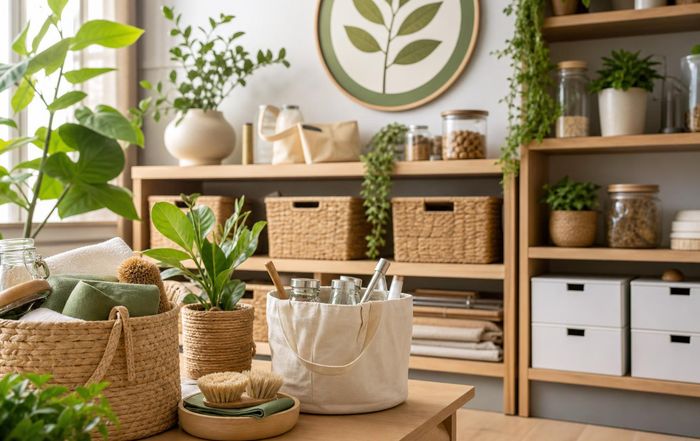
Green Home Organization Ideas That Reduce Clutter
Creating a home that feels calm, ordered, and genuinely sustainable has become a central aspiration for many households around the world. Clutter is no longer seen only as a visual nuisance; it is increasingly understood as a source of stress, a barrier to healthy living, and a driver of unnecessary consumption and waste. At the same time, the climate and biodiversity crises have pushed more people to look for ways to live with a lighter footprint, from adopting sustainable living practices to seeking out plastic-free and low-waste solutions. In this context, green home organization offers a powerful, practical bridge between personal wellbeing and planetary health.
This article explores how thoughtful organization can reduce clutter while aligning with environmental values, drawing on recent research, real-world examples, and emerging trends in circular design, reuse, and low-impact lifestyles. It is written for readers who want their homes to reflect both personal care and global responsibility, whether they live in North America, Europe, Asia, Africa, or beyond.
Rethinking Clutter: From Personal Problem to Environmental Opportunity
Clutter is often framed as a purely individual issue, but a growing body of research connects it with broader patterns of overconsumption and waste. Studies from organizations such as the U.S. Environmental Protection Agency show that household goods, packaging, and furnishings contribute significantly to municipal solid waste, with textiles, plastics, and mixed materials posing particular challenges for recycling systems. Readers can explore how these waste streams are evolving through resources from the EPA and the European Environment Agency, which tracks trends in material use and circularity across the continent.
At the same time, psychological research summarized by institutions like the American Psychological Association has linked chronic household clutter with increased stress, reduced productivity, and even poorer sleep quality. When people feel overwhelmed by their possessions, they are less able to use what they already have, which can lead to duplicate purchases, more packaging, and ultimately more waste. This creates a self-reinforcing cycle: clutter drives overconsumption, and overconsumption drives clutter.
By reframing clutter as both a wellbeing and sustainability issue, Eco Natur encourages readers to see home organization as a form of environmental action. A thoughtfully organized home makes it easier to consume less, reuse more, and maintain systems for recycling, composting, and donation. It also supports a calmer, healthier atmosphere that aligns with holistic concepts of sustainable living.
Decluttering with a Sustainability Mindset
Green home organization begins not with storage solutions but with intentional decluttering that respects resources, minimizes waste, and honors the social value of objects. Instead of simply bagging up unwanted items for the landfill, a sustainability mindset asks where each item can do the most good and cause the least harm.
Many leading environmental organizations, such as Greenpeace and the World Wildlife Fund, emphasize reducing consumption as the first priority in the familiar "reduce, reuse, recycle" hierarchy. In the home, this translates into carefully evaluating what truly serves a purpose, what can be repaired, and what can be passed on. Guides from groups like Zero Waste Europe and The Ellen MacArthur Foundation illustrate how extending the life of products through sharing, resale, and repair is central to building a circular economy.
For households in the United States, the U.S. EPA and local government portals often list community reuse and recycling options, while residents of the United Kingdom can refer to resources from WRAP UK and local councils to find charity shops, repair cafés, and textile collection points. In Germany, initiatives supported by Umweltbundesamt highlight reuse centers and secondhand networks, and similar programs exist across Canada, Australia, and other regions. Wherever they live, readers can complement these external resources with Eco Natur's own guidance on sustainability and global environmental challenges, using them as a framework for conscious decluttering.
A green decluttering process typically includes setting aside time to sort items by material and potential destination, separating what can be donated, sold, repaired, repurposed, or responsibly recycled. Clothes that no longer fit but are still in good condition might go to local charities or online resale platforms; electronics can be taken to certified e-waste collection points recommended by organizations like Basel Action Network; and broken items may find new life at community repair events. This approach reduces the volume of waste headed to landfills and incinerators while supporting social enterprises and circular businesses.
Storage Solutions that Minimize Environmental Impact
Once excess items have been carefully reduced, the next step is to store what remains in a way that is both functional and environmentally responsible. Many conventional organizing products rely on virgin plastics and mixed materials that are difficult to recycle, but a growing market of sustainable storage options offers alternatives made from renewable, recycled, or long-lasting materials.
Natural materials such as sustainably sourced wood, bamboo, cork, and organic cotton can form the backbone of green storage systems. Certifications from organizations like the Forest Stewardship Council (FSC) and Programme for the Endorsement of Forest Certification (PEFC) help consumers identify timber and bamboo products that meet recognized sustainability standards. For textiles, labels like Global Organic Textile Standard (GOTS) and OEKO-TEX provide assurance that fabrics used in baskets, bins, and closet organizers are produced with lower environmental and health impacts.
Recycled materials are another key component of eco-friendly organization. Many companies now offer storage boxes, drawer dividers, and containers made from post-consumer recycled plastics or reclaimed metals, helping to close the loop on existing material flows. Organizations such as Cradle to Cradle Products Innovation Institute highlight products designed for circularity, while platforms like B Corp showcase businesses that integrate social and environmental responsibility into their core operations. Readers interested in how these principles apply to their own homes can learn more about sustainable business practices in the context of a greener economy.
In addition to material choices, durability and repairability are vital considerations. Long-lasting, modular storage that can be reconfigured as needs change reduces the likelihood of future waste. Adjustable shelving, stackable crates, and simple, open systems make it easier to see and access belongings, which in turn reduces the temptation to buy duplicates. This principle holds true whether a person lives in a small apartment in Tokyo, a family home in Canada, or a compact urban flat in Paris; adaptable, visible storage supports both order and restraint.
Plastic-Free Organization and Low-Waste Alternatives
Avoiding unnecessary plastic is a central priority for many readers of Eco Natur, particularly in light of mounting evidence about microplastic pollution in oceans, soils, and even human bodies. Reports from UNEP and scientific studies summarized by organizations like National Geographic and The Guardian have documented the persistence and spread of plastic fragments, raising concerns about long-term health and ecological impacts.
In response, households are increasingly seeking plastic-free strategies for organizing kitchens, bathrooms, closets, and workspaces. Glass jars, metal tins, wooden crates, and fabric pouches can replace plastic containers for pantry staples, toiletries, craft supplies, and office materials. Vintage and secondhand shops often stock durable glassware and metal storage at a fraction of the cost of new items, while online marketplaces facilitate the exchange of surplus containers and baskets within local communities.
For items that still require plastic, such as certain airtight food containers or lightweight storage for damp areas, choosing high-quality, BPA-free products designed for long-term use can mitigate some environmental impacts. Whenever possible, consumers are encouraged to favor monomaterial items, which are easier to recycle at the end of their life, and to consult local recycling guidelines from municipal authorities or national bodies like Recycling Council of Ontario or Recycle Now in the UK. Additional guidance on building a zero-waste home can help households integrate plastic reduction into broader systems for composting, refilling, and reuse.
The bathroom and laundry room offer particularly strong opportunities to move away from disposable plastics. Solid shampoo bars, refillable cleaning products, and reusable cloths can all be stored in simple, non-plastic containers, reducing clutter and packaging at the same time. By treating storage as an extension of sustainable product choices, households can create environments where low-waste habits feel intuitive and aesthetically pleasing.
Organizing for Recycling, Composting, and Circular Flows
A green home is not only about what comes into the space but also about how materials flow out. Thoughtful organization can make responsible disposal and recycling far easier, turning what might otherwise be a confusing chore into a routine part of daily life. Here, clear systems and visible cues play a crucial role.
Dedicated zones for recycling, composting, and special waste streams allow households to separate materials at the source. In the kitchen, labeled bins for paper, metals, glass, and plastics, tailored to local regulations, help ensure that recyclable items are not contaminated by food waste or non-recyclable materials. Many cities in Europe, North America, and parts of Asia now provide detailed guidance on proper sorting; residents can consult official resources from municipal waste authorities or national environmental agencies such as Environment and Climate Change Canada or Australia's Department of Climate Change, Energy, the Environment and Water.
For organic waste, countertop caddies and outdoor compost bins can be integrated into the overall design of the home, making it easy to divert food scraps from landfills, where they would otherwise generate methane, a potent greenhouse gas. Organizations like Compost Now in the United States and various community composting networks in Europe and Asia provide models for both home and shared composting solutions. Combining these external services with internal organization systems supports a more circular approach to everyday living.
Special waste streams, including batteries, light bulbs, electronics, and hazardous household chemicals, require additional attention. Setting aside a small, clearly labeled container for these items in a utility closet or entryway allows them to be collected safely until they can be taken to appropriate drop-off points. Government websites and non-profit organizations, such as Earth911 in North America, compile searchable directories of local recycling and disposal options. By designing storage specifically for these categories, households minimize the risk of improper disposal and protect both human health and ecosystems.
Designing Spaces that Support Sustainable Habits
The physical layout and design of a home can either support or undermine sustainable routines. Research in environmental psychology and behavioral science, including work by institutions like University College London and Stanford University, suggests that people are more likely to maintain positive habits when their environment makes those habits easy and attractive. For Eco Natur readers, this means that green home organization is as much about thoughtful design as it is about containers and labels.
Kitchens, often the busiest and most resource-intensive rooms, benefit from zones that separate cooking, storage, cleaning, and waste management. Placing reusable shopping bags near the door, for example, increases the likelihood that they will be taken on errands, reducing the need for single-use bags. Positioning refillable jars and containers at eye level encourages their use, while keeping infrequently used appliances stored out of sight reduces visual clutter and energy consumption from "plugged-in but idle" devices.
In living rooms and bedrooms, minimalist design principles can be adapted to support sustainability without sacrificing comfort. Choosing fewer, higher-quality pieces of furniture made from certified or reclaimed materials, and organizing books, textiles, and decorative items in a way that highlights their value, discourages impulsive purchases of trendy but short-lived décor. Resources from organizations like The Sustainable Furnishings Council and Green Building Council chapters in various countries offer guidance on low-impact interior design, which can be complemented by Eco Natur's own insights on design and sustainable aesthetics.
Home offices and study areas have become more prominent in recent years, and organizing these spaces for both productivity and environmental responsibility is increasingly important. Digital decluttering, including unsubscribing from unnecessary emails and organizing files to reduce data storage, can complement physical organization of paper, devices, and accessories. While the direct environmental impact of individual digital choices is still an area of active research, many experts agree that reducing unnecessary data storage and device turnover contributes to a broader culture of resource efficiency.
Organic Kitchens and Pantries: Order that Nurtures Health and Planet
The kitchen is where sustainable living, health, and organization most clearly intersect. A well-ordered pantry and refrigerator not only reduce food waste but also make it easier to choose nutritious, lower-impact options such as organic food, whole grains, and plant-based ingredients. Organizations like FAO and IFOAM - Organics International provide overviews of how organic farming practices can support soil health, biodiversity, and reduced pesticide use, while nutrition bodies such as Harvard T.H. Chan School of Public Health outline the health benefits of diets rich in minimally processed foods.
From an organizational perspective, grouping foods by type and frequency of use helps ensure that perishable items are consumed before they spoil. Transparent containers or clearly labeled jars make it easy to see what is available, reducing the likelihood of overbuying. Many households find that dedicating a small "eat first" section in the refrigerator or pantry, where items close to their best-before dates are placed, significantly cuts down on waste. This simple organizational habit aligns with global efforts to reduce food waste, as championed by Project Drawdown and Champions 12.3, who highlight food waste reduction as a major climate solution.
Choosing reusable, non-toxic food storage options, such as glass containers, stainless steel boxes, and beeswax wraps, reinforces both organization and sustainability goals. These choices reduce reliance on disposable plastics and aluminum foil, while also creating a visually cohesive pantry that invites mindful cooking. Readers can deepen their understanding of the link between diet, environment, and wellbeing through Eco Natur's resources on health and sustainable lifestyle, integrating culinary organization into a broader vision of holistic living.
Protecting Wildlife and Biodiversity Through Home Choices
Although home organization may seem far removed from forests, oceans, and wildlife habitats, the choices made inside a home can have far-reaching effects on biodiversity. Demand for certain materials, such as unsustainably harvested timber, exotic stones, or palm-oil-based products, can drive deforestation and habitat loss in regions from Southeast Asia to the Amazon. Conversely, opting for certified, recycled, or alternative materials helps reduce pressure on vulnerable ecosystems.
Organizations like WWF, Conservation International, and IUCN document how consumer choices influence biodiversity, while initiatives such as the Convention on Biological Diversity encourage governments and businesses to integrate nature protection into their policies. Households can support these efforts by choosing storage and décor made from responsibly sourced materials, avoiding products linked to illegal logging or wildlife exploitation, and favoring companies that demonstrate transparent supply chains.
Furthermore, organizing outdoor spaces such as balconies, gardens, and yards with biodiversity in mind can directly support local wildlife. Simple measures like dedicating a corner of the garden to native plants, avoiding synthetic pesticides, and providing water sources or nesting sites create micro-habitats for pollinators, birds, and beneficial insects. Guidance from organizations such as Royal Society for the Protection of Birds (RSPB) in the UK, National Wildlife Federation in the United States, and similar groups in other regions can help households tailor their actions to local species and conditions.
For readers of Eco Natur, integrating these ecological considerations into home organization aligns with the platform's emphasis on wildlife protection and biodiversity. A home that is ordered, low-waste, and nature-friendly becomes part of a much larger network of spaces that collectively support life on Earth.
The Economic Dimension: Green Organization and a Sustainable Economy
Beyond environmental and personal benefits, green home organization connects with broader economic trends toward sustainability, circularity, and responsible consumption. As more consumers prioritize durability, repairability, and ethical sourcing, markets around the world are responding with products and services designed to support low-waste lifestyles. This includes modular furniture, refillable household goods, repair and upcycling services, and digital platforms that facilitate sharing and secondhand exchange.
Organizations like the OECD, World Bank, and UN Environment Programme analyze how these shifts contribute to the emerging green economy, while networks such as the Circular Economy 100 (CE100) showcase innovative business models built around reuse and resource efficiency. Households that invest in high-quality, versatile organizational tools and adopt mindful consumption habits help drive demand for these sustainable solutions, influencing supply chains and corporate strategies far beyond their own walls.
From an individual perspective, organized, minimalist spaces often lead to financial savings over time. When people can clearly see what they own, they are less likely to buy duplicates or be swayed by impulse purchases. Repairing and repurposing existing items can be more economical than constantly buying new ones, particularly in regions where the cost of living is rising. Readers interested in the intersection of personal finance and sustainability can explore Eco Natur's insights on the economy and how greener choices can support resilience and long-term wellbeing.
A Vision of Home that Aligns with Planetary Health
In an era when climate change, resource depletion, and biodiversity loss are pressing concerns, the way homes are organized takes on new significance. Green home organization is not about perfection or rigid minimalism; it is about aligning everyday spaces with values of care, sufficiency, and respect for the natural world. By decluttering mindfully, choosing sustainable materials, designing systems for recycling and composting, and integrating health and biodiversity considerations into every room, households can transform their living environments into quiet yet powerful expressions of environmental stewardship.
For our global community of happy and kind readers, this journey is both practical and deeply hopeful. Each drawer sorted, each plastic-free container chosen, and each donation made to a reuse charity is part of a broader cultural shift toward sustainable living and regenerative economies. While no single home can solve global environmental challenges, millions of homes organized with intention and care can collectively change patterns of production and consumption, sending a clear signal that a cleaner, calmer, and more sustainable future is not only desirable but entirely achievable.
