
How to Avoid Plastic in Online Shopping Deliveries
Online shopping has become a defining feature of modern life, bringing unprecedented convenience while quietly generating a mounting wave of packaging waste. For readers of Eco Natur, who are already deeply engaged with sustainable living and conscious consumption, the question is no longer whether to shop online, but how to do so in a way that aligns with low-waste values and reduces plastic pollution across supply chains.
As e-commerce volumes continue to rise globally, researchers and environmental organizations are documenting the rapid growth of plastic packaging, from air pillows and bubble wrap to multilayer mailers that are difficult or impossible to recycle. Reports from organizations such as OECD, UNEP, and Greenpeace consistently highlight that packaging remains one of the largest and fastest-growing uses of plastic worldwide, with a substantial share linked to online retail. At the same time, there is growing evidence that consumers, regulators, and businesses are beginning to respond, creating new opportunities for individuals to influence how their orders are packed and delivered.
This article explores practical, credible, and globally relevant ways to avoid plastic in online shopping deliveries, while also examining how consumer choices, business innovation, and public policy are reshaping the future of e-commerce packaging. It is written for an international audience, with particular relevance to readers in North America, Europe, Asia-Pacific, and beyond, and is intended to support the mission of eco-natur to promote a healthier relationship between people, products, and the planet.
Understanding the Plastic Problem in E-Commerce
The first step toward avoiding plastic in online deliveries is understanding how and why it is used. E-commerce packaging generally serves several functions: protecting products during transport, consolidating multiple items, providing branding, and complying with shipping standards. Plastic is often favored because it is lightweight, cheap, water-resistant, and easy to process at scale. However, these apparent advantages conceal significant environmental costs.
Studies from organizations such as the Ellen MacArthur Foundation and UN Environment Programme indicate that a large proportion of plastic packaging is used only once and then discarded, with recycling rates for flexible plastics and composite materials remaining stubbornly low. In many countries, thin plastic films, bubble wrap, and padded mailers are not accepted in household recycling systems, or they require specialized collection points that are not widely available. Readers can explore broader background on recycling challenges to see how this fits into the wider circular economy debate.
Furthermore, plastic packaging that escapes waste management systems often fragments into microplastics, which have been detected in oceans, rivers, soils, and even human blood and lung tissue, as documented by research summarized by UNEP and public health institutions. These impacts extend far beyond the moment a parcel is opened, affecting wildlife, ecosystems, and human health. WWF and other conservation organizations have repeatedly warned that marine species are particularly vulnerable, with plastic fragments and fishing-related debris contributing to entanglement and ingestion across many regions.
Against this backdrop, the role of online shoppers becomes more than a matter of personal preference; it becomes a lever for systemic change. When customers consistently request plastic-free packaging, reward companies that invest in sustainable alternatives, and share knowledge about plastic-free living, they help shift the incentives that guide e-commerce logistics and packaging design.
Choosing Retailers with Strong Packaging Policies
One of the most effective ways to reduce plastic in deliveries is to be selective about where to shop. Many retailers now publish packaging policies or sustainability reports that outline their commitments to reducing plastics, improving recyclability, and investing in reusable systems. Consumers can look for clear, verifiable information rather than vague marketing language.
Some large online marketplaces and brands have introduced "frustration-free" or minimal-packaging options, often using cardboard, paper fillers, and easily recyclable materials. Independent audits and reporting by organizations such as CDP, Sustainalytics, and Corporate Knights can provide additional insight into how seriously companies are addressing packaging waste. Customers can also review third-party certifications and initiatives, such as the B Corp movement, which encourages companies to measure and reduce their environmental footprint, including packaging.
For readers of Eco Natur, it can be helpful to integrate sustainability criteria into everyday shopping decisions. Before placing an order, one can search the retailer's website for terms like "sustainable packaging," "plastic-free shipping," or "eco-friendly delivery," and verify whether the claims are supported by transparent data and independent assessments. Learning more about sustainability in business offers additional context on how credible commitments are structured and reported.
In regions such as the European Union, the United Kingdom, and parts of North America and Asia, regulatory pressure is reinforcing these trends. The European Commission has introduced proposals to reduce packaging waste and encourage reuse, while extended producer responsibility schemes in countries like Germany, France, and Canada are making companies more accountable for the end-of-life of their packaging. These policy shifts, reported by sources such as the European Environment Agency and national environment ministries, create a more favorable environment for plastic-free options to emerge.
Communicating Packaging Preferences Effectively
Even when retailers do not prominently advertise plastic-free shipping, consumers often have more influence than they realize. Many e-commerce platforms allow customers to leave order notes, contact customer service, or select gift-wrapping options, and these channels can be used to request minimal or plastic-free packaging.
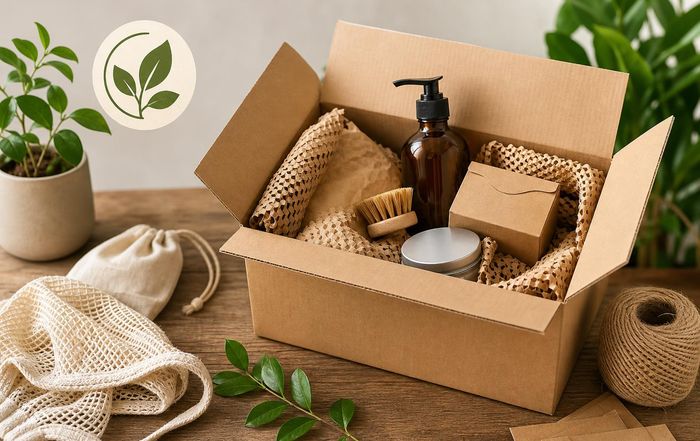
Clear, polite, and specific requests tend to be most effective. Instead of a general remark, customers might write that they prefer cardboard boxes, paper tape, and paper cushioning, and that they wish to avoid bubble wrap, plastic air pillows, and plastic mailers wherever possible. Over time, as more customers make similar requests, businesses are more likely to recognize the demand and adjust their standard procedures.
Customer feedback systems and sustainability surveys, which are increasingly common on major platforms, also provide opportunities to highlight packaging concerns. Organizations such as Consumer Reports and Which? have noted that consumer pressure has influenced retailers on issues ranging from energy efficiency to ingredient transparency; packaging is following a similar trajectory as awareness grows.
For eco-conscious readers, it can be useful to align personal communication with broader lifestyle choices, such as a commitment to zero-waste habits or participation in local environmental initiatives. Sharing these motivations in feedback channels reinforces the message that plastic-free packaging is not a passing trend but part of a wider cultural and ethical shift.
Prioritizing Plastic-Free and Low-Waste Packaging Materials
When evaluating how orders are packed, not all alternatives are equally sustainable, and it is important to distinguish between genuinely low-impact materials and those that merely appear green. Packaging experts and life-cycle assessments referenced by organizations like the Ellen MacArthur Foundation, Zero Waste Europe, and the U.S. Environmental Protection Agency (EPA) generally emphasize several key principles.
First, packaging should be right-sized, minimizing unnecessary volume and void fill. Oversized boxes that require large amounts of filler, even if paper-based, consume additional resources and increase transport emissions. Second, materials should be easily recyclable in local systems, which often means favoring plain cardboard, paper, and simple mono-material designs over complex composites. Readers can consult local guidance from municipal waste authorities or national agencies such as the UK Environment Agency or Germany's Umweltbundesamt to understand what is accepted in their area.
Third, genuinely reusable packaging can be a powerful tool when it is part of a well-designed system. Some companies are experimenting with reusable shipping boxes and mailers that can be returned and circulated multiple times, as documented by case studies from organizations like Ellen MacArthur Foundation's New Plastics Economy and various circular logistics startups. However, the environmental benefits depend on high return rates and efficient logistics; otherwise, the additional materials and transport can offset the gains.
Biodegradable and compostable plastics present a more complex picture. While they may sound appealing, research from European Bioplastics, UNEP, and independent academic studies indicates that many such materials require industrial composting conditions to break down properly and may not degrade in the natural environment or standard landfills. They can also contaminate conventional plastic recycling streams if not clearly separated. As a result, conscious consumers often prioritize recyclable paper-based materials and reusable systems over single-use bioplastics, unless local infrastructure is specifically designed to handle them.
Readers seeking deeper guidance on material choices can explore broader sustainability principles, which emphasize resource efficiency, circular design, and alignment with local waste management realities.
Rethinking Shopping Habits to Reduce Packaging Altogether
Avoiding plastic in online deliveries is not only about substituting materials; it is also about rethinking consumption patterns to reduce the need for packaging in the first place. One of the most powerful strategies is to consolidate orders, buying less frequently but in larger, well-planned batches. This can significantly reduce the number of parcels, labels, and protective materials required, while also lowering transport emissions per item.
Another approach is to favor local or regional retailers that offer click-and-collect or low-packaging delivery options. In many cities across Europe, North America, and Asia, independent shops and cooperatives are experimenting with refill systems, deposit schemes, and reusable containers, sometimes in partnership with digital platforms. Organizations such as ShareWaste, Zero Waste Europe, and local zero-waste networks document examples of how communities are adapting retail models to reduce waste.
In some cases, it may be possible to switch from online orders to local bulk purchases, especially for items like dry foods, household cleaners, and personal care products, which are central to a sustainable lifestyle. Bulk stores, farmers' markets, and community-supported agriculture schemes can often provide goods with little or no packaging, or in reusable containers, while supporting regional economies and reducing transport distances.
When online shopping is necessary, choosing durable, high-quality products that last longer and require fewer replacements is another indirect way to cut packaging waste. This aligns with broader principles of sufficiency, repair, and longevity that are increasingly emphasized by sustainability researchers and organizations like The Repair Café Foundation and iFixit, which promote repair culture and right-to-repair initiatives.
Aligning Product Choices with Plastic-Free Goals
The type of product purchased can strongly influence the kind of packaging used. Fragile items, liquids, and temperature-sensitive goods often require more protection, and therefore more packaging, than durable, compact items. Consumers who wish to minimize plastic in deliveries can factor this into their purchasing decisions, especially when alternative formats are available.
For example, switching from liquid detergents in plastic bottles to solid or concentrated forms, such as detergent sheets or bars, can reduce both product and packaging weight, as highlighted by various life-cycle assessments and case studies from environmental organizations. Many of these products are now available from companies that explicitly commit to plastic-free or low-waste packaging, using cardboard sleeves or compostable paper.
Similarly, choosing organic food products that are packaged in glass, metal, or paper, and that are shipped with minimal protective materials, can reduce plastic use while supporting more sustainable agricultural practices. Certification schemes such as USDA Organic, EU Organic, and Soil Association Organic provide frameworks for assessing environmental standards, though they do not directly regulate packaging; nonetheless, many organic brands voluntarily adopt more eco-friendly packaging as part of their identity.
In the realm of personal care and household goods, solid shampoos, refills, and concentrated cleaners are gaining traction in markets from the United States and Canada to Germany, the UK, Australia, and parts of Asia. Reviews and guides from organizations like Environmental Working Group (EWG), Good On You, and national consumer advocacy groups can help shoppers identify brands that combine safer ingredients with thoughtful packaging.
By aligning product choices with packaging goals, consumers create coherent patterns of demand that signal to manufacturers and retailers that plastic-free options are both valued and viable.
Supporting Policy, Innovation, and Systemic Change
Individual actions, while important, are most powerful when they connect with broader structural changes in policy and business practice. Around the world, governments are beginning to regulate single-use plastics more strictly, including bans and restrictions on certain items, extended producer responsibility schemes, and targets for reusable and recyclable packaging. These developments are tracked by organizations such as UNEP, OECD, and regional bodies like the European Commission, which provide policy overviews and progress reports.
For readers of eco-natur, engaging with these processes can take many forms, from staying informed about national and local regulations to supporting advocacy groups that push for more ambitious packaging standards. Environmental NGOs such as Greenpeace, Oceana, and Surfrider Foundation often run campaigns focused on plastic pollution, highlighting the role of e-commerce and calling for stronger commitments from major retailers and logistics companies.
Innovation is also reshaping the packaging landscape. Startups and research institutions in countries including the United States, Germany, the Netherlands, Japan, and Singapore are developing new materials and systems, ranging from fiber-based packaging and mycelium-grown protective inserts to advanced reusable container networks. Industry collaborations such as the New Plastics Economy Global Commitment, led by the Ellen MacArthur Foundation and UNEP, encourage companies and governments to set measurable targets for reducing virgin plastic use and increasing reuse.
Consumers can support these developments by choosing products and services from companies that participate in credible initiatives, by investing through sustainable finance platforms, or simply by sharing information about successful models in their communities and networks. Exploring broader themes of sustainable economy and circular business models can help place these innovations in context, showing how they relate to jobs, competitiveness, and long-term resilience.
Considering Wildlife, Health, and Global Equity
Avoiding plastic in online deliveries is not just a technical or logistical issue; it is deeply connected to concerns about wildlife, human health, and social justice. Plastic pollution disproportionately affects coastal communities, Indigenous peoples, and low-income regions that often bear the brunt of waste exports and inadequate waste management infrastructure. Reports from UNEP, Human Rights Watch, and various academic studies have documented how informal waste pickers and communities near landfills and incinerators can face heightened exposure to pollutants.
At the same time, plastic debris and microplastics pose serious threats to biodiversity. Marine conservation organizations and scientific institutions, including WWF, IUCN, and leading universities, have recorded impacts on seabirds, turtles, fish, and marine mammals, while terrestrial ecosystems are also affected as plastics accumulate in soils and freshwater systems. Readers interested in the ecological dimension can explore more about wildlife and biodiversity and biodiversity protection, which are central to the mission of Eco Natur.
Human health concerns are another important driver of change. While the science of microplastics and chemical additives is still developing, research summarized by institutions such as the World Health Organization (WHO) and European Food Safety Authority (EFSA) indicates potential risks associated with certain plasticizers, flame retardants, and other substances that can leach from plastics. These findings reinforce the case for reducing unnecessary plastic use and improving material safety, especially in food contact applications and consumer goods.
By choosing plastic-free packaging and supporting systemic reforms, online shoppers contribute to a broader effort to protect ecosystems, safeguard health, and promote more equitable resource use across regions and generations.
Integrating Plastic-Free Deliveries into a Holistic Sustainable Lifestyle
For the community around eco-natur, avoiding plastic in online shopping deliveries is part of a larger journey toward a more balanced and regenerative way of living. This journey connects everyday decisions about what to buy and how it is delivered with deeper questions about values, identity, and responsibility.
Integrating plastic-free deliveries into a holistic lifestyle might involve combining several strategies: choosing retailers with strong packaging policies, communicating preferences clearly, consolidating orders, favoring durable and repairable products, and supporting local, low-packaging alternatives. It may also include ongoing learning about renewable energy, health and environmental well-being, and the design of sustainable products and systems, as explored in Eco Natur's resources on sustainable design.
Crucially, this approach is not about perfection but about continuous improvement and alignment. Even in a world where some plastic use remains difficult to avoid, especially in medicine, safety equipment, and certain technologies, individuals and businesses can significantly reduce unnecessary plastic and accelerate the transition toward more circular, nature-positive models.
As the decade progresses, the collective choices of millions of online shoppers are already influencing how companies think about packaging, logistics, and responsibility. Each time a customer requests plastic-free shipping, chooses a brand that invests in sustainable materials, or shares knowledge about low-waste practices, they help normalize a future in which convenience and environmental stewardship can coexist.
For those who wish to deepen this journey, Eco Natur offers a growing body of guidance on global sustainability challenges, practical steps for plastic-free living, and inspiring examples of communities and businesses that are proving a different way is possible. By bringing these insights into the realm of online shopping, readers can transform each delivery from a source of hidden waste into a tangible expression of their commitment to a more resilient and compassionate world.
