
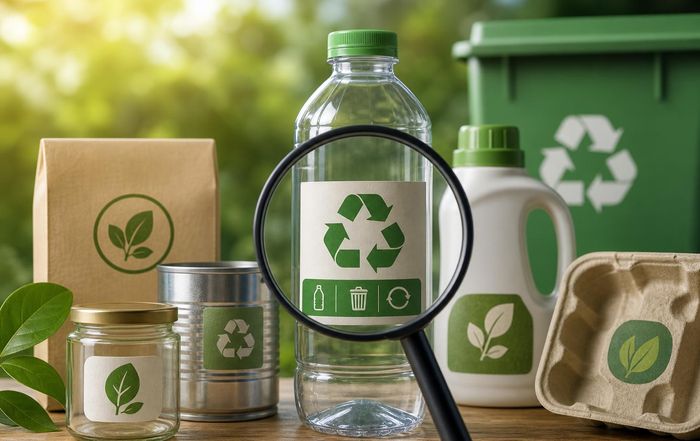
Why Product Labels Matter for Better Recycling
Product labels, often treated as mere marketing tools or regulatory necessities, have quietly become one of the most powerful levers for improving recycling outcomes and building a circular economy. As policymakers, brands, and consumers seek practical ways to reduce waste and emissions, attention is increasingly turning to the information printed, embossed, or digitally linked on everyday products and packaging. For a nature watching and nurturing community, whose readers care deeply about sustainable living, plastic reduction, organic choices, and wildlife protection, understanding why labels matter is no longer a niche concern; it is central to how individuals and businesses can drive systemic change.
This article explores how clearer, more consistent, and more trustworthy product labels can transform recycling performance, reduce contamination, support sustainable business models, and empower households across the world to make better environmental decisions.
From Confusion to Clarity: The Role of Labels in Everyday Recycling
Recycling systems in many countries are under strain, not because people are unwilling to recycle, but because they are often confused about what can go in which bin and under what conditions. Studies from organizations such as the OECD and UN Environment Programme highlight that packaging contamination and mis-sorting significantly reduce the quality and value of recyclable materials, leading to higher processing costs and, in many cases, incineration or landfill instead of genuine material recovery. When a coffee cup lined with plastic is incorrectly placed with paper, or when a greasy pizza box is mixed with high-quality cardboard, the entire batch can be downgraded or rejected.
Clear, standardized labels can dramatically reduce this confusion. Initiatives like the How2Recycle label in the United States and Canada, overseen by the Sustainable Packaging Coalition, aim to provide simple, on-pack instructions that reflect the actual capabilities of recycling systems rather than vague claims. Consumers no longer have to guess whether a flexible pouch or a colored tray is recyclable; the label gives them a simple, behavior-focused message that translates complex material science and local infrastructure realities into understandable guidance.
For readers here, this shift from guesswork to informed action aligns closely with the principles of sustainable living, where everyday choices are grounded in reliable information rather than assumptions or greenwashing.
Why Recycling Labels Are Often Misleading - And How That Is Changing
Historically, many recycling-related symbols have been poorly understood. The triangular "chasing arrows" symbol, for example, is frequently assumed to mean that an item is recyclable, when in reality it often only identifies the plastic resin type. In several countries, including the United States and parts of Europe, regulators and consumer advocates have criticized this symbol for creating a false sense of recyclability, especially for complex or composite plastics that most facilities cannot process economically.
In response, regulators have begun to tighten rules. The U.S. Federal Trade Commission (FTC) has been updating its Green Guides to clarify when companies can use terms such as "recyclable," "compostable," or "biodegradable," emphasizing that such claims must be backed by evidence about actual collection and processing in the majority of communities. In the European Union, the European Commission and member states are moving to restrict misleading environmental claims and to require more robust, harmonized labeling as part of the broader Circular Economy Action Plan. Measures such as the EU's upcoming rules on "green claims" and the revision of packaging and packaging waste legislation are designed to ensure that labels correspond to real-world recycling options, not theoretical possibilities.
These regulatory shifts are complemented by voluntary standards and certification schemes. The Ellen MacArthur Foundation, through its work on the New Plastics Economy, encourages brands to adopt design-for-recycling principles and to communicate them transparently. Independent certifications from organizations like TÜV Austria for compostability, or the Forest Stewardship Council (FSC) for responsibly sourced paper, provide additional layers of verification that can be reflected on labels and help consumers make more informed choices. Readers interested in the broader context of these changes can learn more about sustainability frameworks and how they guide responsible product design and labeling.
Connecting Labels, Material Science, and Recycling Infrastructure
Effective recycling labels sit at the intersection of material science and local infrastructure. A plastic bottle made from PET (polyethylene terephthalate) may be technically recyclable, but if it includes dark pigments, multi-layer barriers, or glued-on components that complicate sorting, its recyclability in practice may be far lower. Similarly, a compostable bioplastic fork might only break down in industrial composting facilities, which are still limited in many regions, making the label "compostable" misleading if it does not specify the required conditions.
Organizations such as Plastics Recyclers Europe and the Association of Plastic Recyclers in North America publish design guidelines that specify which colors, additives, closures, and labels are compatible with high-quality recycling streams. Brands that follow these guidelines can legitimately claim "designed for recycling" or similar language, but the on-pack label must then translate these technical decisions into straightforward instructions for the consumer. Without this translation, even well-designed packaging can end up in the wrong bin.
In parallel, digital technologies are beginning to bridge the gap between static labels and dynamic, location-specific information. QR codes and digital product passports, promoted in initiatives like the EU's Digital Product Passport framework, can link a physical item to an online resource that explains how to recycle or repair it in a particular country or municipality. Organizations such as GS1 are working on global standards that allow such data to be interoperable, while platforms like Open Food Facts and WWF's product guides experiment with crowd-sourced and expert-verified information about packaging and recyclability.
For our kind audience, this evolution means that responsible recycling will increasingly involve both reading the label and, where available, scanning codes or consulting trusted databases to understand local options. This aligns with the broader lifestyle approach promoted on eco-natur's sustainability pages, where conscious consumption is supported by digital tools and transparent data.
Product Labels as Gateways to Plastic-Free and Low-Waste Choices
Beyond indicating how to dispose of packaging, labels also influence whether that packaging is purchased in the first place. For individuals striving for a plastic-free lifestyle or a zero-waste approach, labels serve as quick filters for identifying products with minimal, reusable, or refillable packaging. Terms such as "refill pack," "bulk," or "concentrated formula" can signal opportunities to reduce plastic use and transport emissions, while labels indicating "no plastic packaging" or "plastic-free" are becoming more common, especially in Europe and parts of Asia.
However, these claims also require scrutiny. Consumer organizations, including Consumer Reports in the United States and Which? in the United Kingdom, have repeatedly found instances where "plastic-free" products still contained hidden synthetic components or where compostable or biodegradable plastics were labeled in ways that confused consumers and waste operators. To address this, some national standards bodies and regulators, such as BSI in the UK and DIN in Germany, are working on clearer definitions and labeling standards for plastic alternatives, particularly in single-use items.
For eco-conscious shoppers, the most reliable approach is to look for third-party certifications and to favor reusable systems where possible. Refill schemes in supermarkets, returnable glass bottle programs, and deposit-return systems for beverage containers, as promoted by organizations like Reloop and Ellen MacArthur Foundation, are all supported by simple but powerful labeling cues that indicate how and where to return packaging. These schemes demonstrate how labels can not only guide disposal, but also actively support reuse and refill models that avoid waste in the first place.
Organic Food, Health, and Trustworthy Environmental Information
Labels on food and drink products carry an especially heavy burden, because they must convey nutritional, safety, and environmental information simultaneously. For readers who prioritize organic food and sustainable diets, certifications such as the USDA Organic seal in the United States, the EU organic logo in Europe, and labels from organizations like Soil Association in the UK or Ecocert internationally provide assurance that farming practices meet defined environmental and animal welfare standards. These organic labels, however, do not automatically guarantee that packaging is recyclable, compostable, or minimal; this must be communicated separately.
In recent years, there has been growing interest in integrating environmental footprint information into food labels, including carbon scores, water use indicators, and biodiversity impacts. Research projects supported by institutions like Oxford University, and initiatives such as Foundation Earth in Europe, are exploring ways to present this data in a simple, comparable format. While many of these systems are still evolving and sometimes face methodological debates, they represent an important step toward aligning food choices with planetary health.
From a recycling perspective, food labels can also help reduce contamination by clarifying when packaging must be rinsed, when caps should be left on or removed, and whether components like films or trays need to be separated. Public guidance from organizations such as WRAP in the UK and the U.S. Environmental Protection Agency (EPA) stresses that cleaner, better-sorted packaging significantly improves the value of recycled materials and reduces the risk of pests and odors in collection systems. For Eco Natur readers, combining organic, health-conscious purchasing with careful attention to disposal instructions on labels can create a powerful synergy between personal well-being and environmental responsibility, as explored further in eco-natur's resources on health and sustainability.
Wildlife, Biodiversity, and the Hidden Impact of Mislabeling
The consequences of poor labeling extend far beyond household bins and recycling plants. When packaging is mislabeled or when consumers are misled about recyclability, more waste ends up in landfills, incinerators, or the natural environment. Plastic fragments, microplastics, and chemical residues can then enter rivers, oceans, and soils, with serious impacts on wildlife and ecosystems. Organizations such as UNESCO, IUCN, and WWF have documented how marine animals ingest or become entangled in plastic waste, while terrestrial species are affected by litter in forests, grasslands, and urban areas.
Accurate labels that reduce contamination and increase recycling rates can help cut the volume of plastic and other materials escaping into nature. In addition, labels that highlight eco-design features, such as "made from 100% recycled plastic" or "recycled paperboard," when verified and correctly used, create demand for secondary materials and support markets that keep resources in circulation rather than in the environment. Certifications like Blue Angel in Germany and Nordic Swan Ecolabel in Nordic countries integrate recyclability and recycled content criteria into their standards, providing consumers with trustworthy symbols that link purchasing decisions to wildlife protection.
At the same time, biodiversity-focused labels, such as Rainforest Alliance Certified or Marine Stewardship Council (MSC) for seafood, indirectly support better waste and packaging practices by promoting sustainable management of ecosystems. While these labels primarily address resource extraction and production, many certified companies also adopt stronger waste and recycling policies as part of their broader environmental commitments. Interested readers can explore how these efforts connect to global biodiversity goals through eco-natur's dedicated section on biodiversity and wildlife protection and biodiversity.
Sustainable Business, the Green Economy, and the Strategic Value of Labels
For businesses, product labels are no longer just a regulatory requirement or a marketing tool; they are a strategic asset that reflects a company's environmental performance, transparency, and long-term resilience. Investors, regulators, and consumers increasingly scrutinize how companies communicate their environmental impact, and misleading or incomplete labels can lead to reputational damage, legal risks, and lost market share.
Frameworks such as the Global Reporting Initiative (GRI), the Task Force on Climate-related Financial Disclosures (TCFD), and the evolving standards of the International Sustainability Standards Board (ISSB) encourage companies to disclose how they manage resource use, waste, and circularity. While these frameworks focus on corporate reporting rather than on-pack labels, they create pressure for consistency between what a company claims in its sustainability reports and what it prints on its products. If a brand highlights high recycling rates or circular design in its annual report, consumers and watchdogs will expect to see clear, accurate recycling guidance on the label itself.
Forward-looking companies are responding by integrating eco-design teams, regulatory experts, and marketing departments to ensure that labels accurately reflect product lifecycles and end-of-life options. Some are working with NGOs and industry coalitions, such as the Consumer Goods Forum and World Business Council for Sustainable Development (WBCSD), to harmonize labeling approaches across markets and to avoid consumer confusion. Others are experimenting with digital twins and blockchain-based tracking systems that link physical products to verified data about material content, repairability, and recyclability.
For entrepreneurs, retailers, and manufacturers who follow Eco Natur's coverage of sustainable business models and the green economy, this trend underscores that investing in accurate, user-friendly labels is not only a compliance task but also a way to differentiate products, build trust, and align with evolving regulations and consumer expectations.
Global and Regional Trends in Recycling Labels
Around the world, a patchwork of labeling schemes is gradually converging toward clearer, more standardized approaches, though differences remain between regions.
In the European Union, the drive for harmonized recycling labels is closely linked to the Single Market for Green Products and the Circular Economy Action Plan. Countries such as France and Italy have introduced national labeling requirements that specify how recyclability and sorting instructions must be displayed, while the EU works on common rules to avoid fragmentation. Organizations such as EUROPEN and Zero Waste Europe monitor and influence these developments, advocating for labels that genuinely reflect infrastructure realities and encourage packaging reduction.
In North America, the How2Recycle label has become a de facto standard among many major brands and retailers, while state-level regulations, particularly in California, are tightening rules on when products can be labeled as recyclable. The U.S. EPA and Environment and Climate Change Canada provide public guidance on recycling best practices and support community-level education campaigns that reinforce label messages.
In Asia-Pacific, countries like Japan and South Korea have long-standing systems for material-specific labels and sorting rules, supported by robust public education and high participation rates. Japan's recycling marks, regulated by the Japan Containers and Packaging Recycling Association, clearly distinguish between PET bottles, steel cans, paper, and other materials, while South Korea's resource recycling laws require detailed labeling and have contributed to high recycling performance. Emerging economies in Southeast Asia, Africa, and South America are increasingly exploring similar schemes, often supported by international organizations such as UNDP and World Bank, which recognize that clear labels can reduce contamination and improve the economics of recycling in rapidly growing urban areas.
For a global audience like that of eco-natur, these regional experiences highlight that while cultural, economic, and infrastructural conditions differ, the fundamental role of labels as bridges between product design and waste management is universal. Readers interested in the broader international context can explore eco-natur's global sustainability insights and renewable energy and circular economy coverage to see how labeling fits into larger climate and resource strategies.
How Eco Natur's Community Can Leverage Labels for Real-World Impact
Within households, workplaces, schools, and communities, the simple act of reading and acting on product labels can have cumulative effects that extend far beyond a single bin or collection day. When individuals consistently follow clear sorting instructions, rinse containers as recommended, and separate components as indicated, they help local recycling facilities operate more efficiently and produce higher-quality secondary materials. When consumers favor products with transparent, trustworthy labels that reflect real recyclability and reduced packaging, they send market signals that encourage brands to invest in better design and clearer communication.
For Eco Natur, this dynamic offers a powerful opportunity to align editorial content, community engagement, and practical guidance. Articles on recycling best practices, plastic-free alternatives, and sustainable living strategies can help readers interpret labels more effectively and distinguish between credible and misleading claims. Features on innovative businesses and circular economy pioneers can showcase how thoughtful labeling supports new service models, such as refill stations, repair services, and product-as-a-service offerings.
At the same time, eco-natur's global perspective allows it to share success stories from cities, regions, and countries that have improved recycling outcomes through better labeling and education. Whether it is a European supermarket chain that has redesigned its private-label packaging to be fully recyclable and clearly labeled, an Asian municipality that has introduced color-coded labels and smartphone apps to guide residents, or a North American startup that embeds digital product passports into packaging, these examples illustrate what is possible when design, policy, and consumer engagement come together.
What Are the Labels as Catalysts for a Circular Future
As the world moves deeper into the decade, the humble product label is likely to become even more central to environmental policy and consumer behavior. Regulatory frameworks will continue to tighten around green claims, recyclability definitions, and extended producer responsibility, making it more difficult for vague or misleading labels to persist. At the same time, advances in digital identification, data sharing, and material science will enable labels to carry richer, more accurate information about product lifecycles and end-of-life options.
For individuals committed to sustainable living, this evolution offers both a challenge and an opportunity. The challenge lies in staying informed, recognizing trustworthy symbols and certifications, and adapting habits as new systems emerge. The opportunity lies in using labels as practical tools to align daily choices with broader goals: reducing waste, protecting wildlife, supporting a circular economy, and nurturing healthier communities.
Within this landscape, we are well positioned to help readers navigate complexity with clarity and confidence. By highlighting credible standards, sharing best practices from around the world, and connecting the dots between product design, labeling, recycling, and planetary health, eco-natur can ensure that its community not only understands why product labels matter for better recycling, but also feels empowered to use that knowledge in every purchase, every bin, and every conversation about a more sustainable future.
