
How to Reduce Plastic Waste in Your Home: A Practical Roadmap for Modern Households
The Serious New Reality of Household Plastic!
Now the science based global conversation on plastic waste has shifted from abstract environmental concern to an urgent operational issue affecting households, businesses, and policymakers alike. Growing evidence from organizations such as UN Environment Programme shows that plastic production continues to rise, with packaging, consumer goods, and textiles driving much of the growth, while recycling systems, even in advanced economies such as the United States, the United Kingdom, Germany, Canada, and Australia, remain unable to keep pace with the volume and complexity of modern plastics. For many families, plastic has become so embedded in daily routines that it can feel almost invisible, yet its long-term environmental and health implications are now too substantial to ignore. Learn more about the global plastic challenge through the latest reports from UNEP.
For scientific climate studying readers of eco-natur, this reality is not merely a distant policy issue; it is a personal and practical question of how to live, shop, cook, clean, work, and raise families in a way that aligns with sustainability values without sacrificing comfort, convenience, or economic resilience. The concept of sustainable living has evolved from a niche lifestyle choice into a mainstream performance indicator for households and businesses that wish to demonstrate credible environmental responsibility. Reducing plastic waste at home has become one of the most tangible, measurable, and impactful entry points into this broader sustainability journey.
Understanding Where Plastic Hides in the Home
Plastic waste reduction begins with a clear understanding of where plastic enters and accumulates in the home. In 2026, detailed analyses by organizations such as OECD and European Environment Agency show that the majority of household plastic waste originates from packaging, food and beverage containers, personal care products, cleaning supplies, textiles, and increasingly, e-commerce logistics. For a deeper overview of global material flows and policy trends, readers can explore the data-driven insights available from the OECD environment portal.
In many households across North America, Europe, Asia, and beyond, the kitchen remains the primary hub of plastic consumption, from single-use grocery bags and cling film to multilayer snack packaging and disposable beverage bottles. Bathrooms follow closely, with shampoo bottles, toothpaste tubes, razors, and cosmetic containers contributing significantly to the waste stream. Living rooms, home offices, and children's rooms often contain synthetic textiles, mixed-material toys, and electronic accessories that are difficult to recycle. By mapping these hotspots, families can begin to align their daily decisions with the broader principles of sustainability, creating a structured plan rather than relying on ad hoc changes.
In many regions, from Germany and the Netherlands to Japan and South Korea, municipal waste systems are relatively advanced, yet even there, contamination, mixed materials, and low-value plastics continue to undermine recycling rates. Readers can explore how recycling systems function and why many plastics are not easily recovered by visiting resources such as EPA's recycling overview in the United States or the European Commission's waste and recycling pages. Understanding these systemic constraints helps households focus not only on recycling more, but on consuming less plastic in the first place.
Moving from Awareness to Action: The Plastic-Free Mindset
For the global eco-natur.com community, the shift toward a more plastic-free lifestyle is less about perfection and more about direction. This mindset recognizes that complete elimination of plastic is neither realistic nor necessarily desirable in all cases, given its critical role in medicine, transport, and certain safety applications. Instead, the focus is on systematically reducing unnecessary, single-use, and non-recyclable plastics, while choosing longer-lasting, lower-impact alternatives wherever possible.
This transition begins with a re-evaluation of convenience. Over recent decades, households in countries as diverse as the United States, the United Kingdom, Singapore, and Brazil have been encouraged to equate convenience with disposability, often at the expense of long-term environmental and economic resilience. By reframing convenience as reliability, durability, and reduced waste, families can begin to see reusable containers, refill systems, and bulk purchasing not as sacrifices, but as investments in a more efficient and resilient household economy. To understand how these choices intersect with broader economic systems, readers may wish to explore the concept of the circular economy through resources from the Ellen MacArthur Foundation, available at ellenmacarthurfoundation.org.
Within this mindset, eco-natur.com positions the home not as a passive endpoint of supply chains, but as an active micro-hub of sustainable business practices. Every purchasing decision becomes a signal to manufacturers, retailers, and policymakers. When households in major markets such as Germany, France, Italy, Canada, and Australia consistently choose low-plastic or plastic-free products, they create a measurable demand that encourages innovation in packaging, materials, and logistics. Learn more about how consumer behavior shapes corporate sustainability strategies via insights from World Business Council for Sustainable Development at wbcsd.org.
Practical Strategies in the Kitchen: Where Change Matters Most
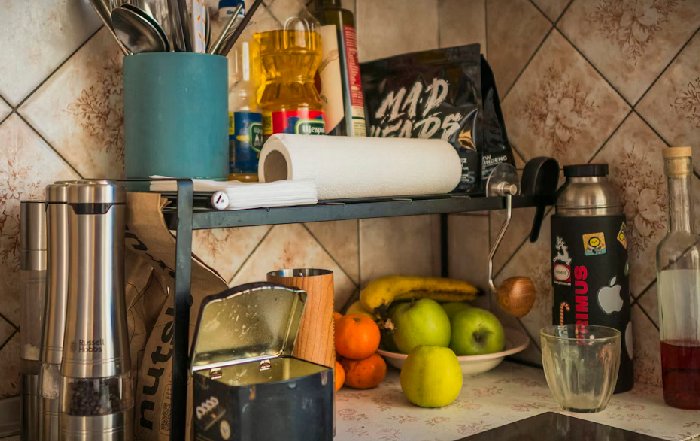
The kitchen is the most strategic place to begin reducing plastic waste, because it combines frequent purchasing, high packaging intensity, and significant opportunities for substitution. Many households across Europe, Asia, and the Americas have already begun to make changes such as replacing single-use plastic bags with durable cloth or jute bags, opting for glass or stainless-steel containers instead of disposable plastic boxes, and purchasing dry goods in bulk where local infrastructure allows.
One of the most effective levers is food purchasing. By prioritizing organic food and minimally packaged products, consumers can significantly reduce their plastic footprint while supporting farming practices that are generally more aligned with soil health and biodiversity. Resources such as FAO and IFOAM - Organics International provide detailed perspectives on how organic agriculture intersects with packaging and supply chains; readers can explore these topics further at fao.org and ifoam.bio. In many countries, farmers' markets and community-supported agriculture schemes offer produce with little or no packaging, enabling consumers to use their own reusable bags and containers.
Another critical shift involves beverages. Globally, plastic beverage bottles remain one of the most visible forms of plastic pollution, from coastal regions in Thailand and Malaysia to rivers in South Africa and Brazil. Households can reduce this impact by using water filtration systems where needed and switching to refillable bottles made from stainless steel or glass. In regions with safe tap water, such as much of Europe and parts of North America and Asia, this change can be implemented almost immediately, delivering both environmental and economic benefits. Those interested in water quality and safety can review assessments from the World Health Organization at who.int.
Food storage practices also play a significant role. Many households have traditionally relied on plastic wrap and single-use zip-top bags, yet in 2026, there is now a wide range of alternatives, including beeswax wraps, silicone covers, and reusable glass containers. These options not only reduce plastic waste but can also improve food visibility and reduce spoilage, supporting a broader zero-waste approach to kitchen management. For further inspiration on minimizing food waste, readers can consult the guidance from WRAP UK at wrap.org.uk, which offers practical tools and research on household food waste reduction.
Transforming the Bathroom: Personal Care with Less Plastic
The bathroom is often a hidden source of plastic waste, with many everyday items designed for single or short-term use. In 2026, however, product innovation and shifting consumer expectations have made it far easier to adopt low-plastic alternatives without compromising hygiene or comfort. Across markets from Sweden and Norway to Japan and New Zealand, consumers are increasingly turning to solid shampoo and conditioner bars, refillable dispensers, safety razors, and reusable cosmetic pads to replace disposable plastic-intensive products.
Personal care is also an area where concerns about microplastics and chemical additives intersect with broader health and wellness priorities. Microbeads and certain synthetic ingredients in cosmetics and exfoliating products have been shown to contribute to microplastic pollution in waterways, with potential impacts on human health and wildlife. Readers interested in the science of microplastics and their health implications can review the latest research summaries from ScienceDirect at sciencedirect.com. By choosing products that avoid microplastics, unnecessary plastic packaging, and harmful chemicals, households support both personal health and ecosystem integrity.
From a eco-natur.com perspective, the bathroom becomes an important testing ground for aligning health, sustainability, and design. Refillable systems, whether offered through local zero-waste shops in cities such as Berlin, London, Singapore, and Vancouver or through mail-based refill programs, allow consumers to maintain familiar routines while drastically reducing plastic bottle consumption. This approach reflects the broader philosophy of design for sustainability, in which products and packaging are conceived with their entire life cycle in mind rather than focusing solely on first use.
Cleaning and Laundry: Rethinking High-Volume Plastic
Household cleaning and laundry products are often packaged in large plastic containers, contributing significantly to the waste stream, particularly in high-consumption markets in North America, Europe, and parts of Asia. In recent years, concentrated cleaning solutions, refill tablets, and detergent sheets have emerged as viable alternatives, dramatically reducing both plastic packaging and transport emissions. These formats align well with emerging regulatory frameworks in the European Union and elsewhere that encourage product designs minimizing packaging waste. To understand these policy trends, readers can explore the European Green Deal initiatives at europa.eu.
For households, the transition to lower-plastic cleaning solutions is both a technical and behavioral shift. It often involves reusing existing spray bottles, mixing concentrates with water at home, and selecting brands that prioritize recyclable or compostable packaging. In many cases, traditional cleaning agents such as vinegar, baking soda, and castile soap, when used correctly, can replace multiple specialized plastic-packaged products, simplifying both storage and purchasing. Those interested in evidence-based assessments of cleaning product safety and environmental impact can consult resources from Environmental Working Group at ewg.org.
Laundry practices also deserve attention. Large plastic detergent jugs and softener bottles are a common feature in homes from the United States to South Africa. Switching to cardboard-packaged powder, concentrated liquids in refill pouches, or solid detergent strips can significantly reduce plastic waste. Moreover, the choice of textiles themselves, such as favoring natural fibers over synthetics where appropriate, can reduce the shedding of microplastics during washing, thereby supporting biodiversity and healthier aquatic ecosystems.
Managing Waste: Recycling, Reuse, and Systemic Thinking
While reducing plastic at the source is the most effective strategy, responsible management of unavoidable plastic remains essential. In many regions, recycling systems have improved but still face challenges of contamination, inconsistent labeling, and limited markets for certain plastic types. Households that wish to maximize their impact must therefore invest time in understanding local recycling rules and aligning their behavior with them. For readers in the United States, the EPA provides clear guidance on what can and cannot be recycled in most municipalities, which can be accessed through their recycling basics. For those in Europe, national and municipal websites, often linked through the European Environment Agency, offer region-specific instructions.
On eco-natur.com, recycling is framed as one element of a broader recycling and resource management strategy, which also includes reuse, repair, and redesign. Reusing sturdy plastic containers for storage, organizing, or gardening can extend their useful life and delay entry into the waste stream. However, long-term, it is crucial to avoid accumulating low-quality plastics that degrade quickly or release harmful substances. Where possible, households should gradually transition toward materials such as glass, metal, and high-quality, well-designed plastics that are more amenable to recycling or long-term reuse.
In many cities across Europe, Asia, and the Americas, deposit-return schemes for beverage containers have proven highly effective in increasing collection rates and reducing litter. Countries such as Germany, Norway, and Canada have demonstrated that well-designed systems can recover the vast majority of bottles and cans, often at over 90 percent return rates. Interested readers can learn more about these systems and their performance through the work of Reloop Platform, accessible at reloopplatform.org. Where such systems exist, households can maximize their impact simply by returning containers consistently and supporting policy proposals that extend these schemes to more product categories.
Connecting Plastic Reduction to Wildlife, Climate, and Global Equity
Reducing plastic waste at home is not only a matter of tidier kitchens and fewer overflowing bins; it is deeply connected to the health of ecosystems, climate stability, and social equity across regions. Plastic pollution affects wildlife and ecosystems from the Arctic to the Mediterranean, from the Pacific islands to African river systems, with animals ingesting or becoming entangled in debris that originated in distant households and businesses. Organizations such as WWF and Ocean Conservancy have documented these impacts extensively; readers can explore detailed case studies and campaigns at worldwildlife.org and oceanconservancy.org.
Plastic is also a climate issue. Most plastics are derived from fossil fuels, and their production, transport, and disposal contribute to greenhouse gas emissions. By using fewer single-use plastics and supporting products with lower-carbon packaging, households contribute indirectly to climate mitigation efforts, complementing broader transitions toward renewable energy and energy-efficient buildings. For a comprehensive overview of the link between plastics and climate change, readers may consult reports from Carbon Tracker and Center for International Environmental Law, available at carbontracker.org and ciel.org.
Equity is another dimension. Waste management infrastructure varies widely between regions such as Europe, Asia, Africa, and South America. In some countries, inadequate collection and disposal systems result in open dumping and burning, which harms local communities through air and water pollution. Informal waste pickers, particularly in parts of Asia, Africa, and Latin America, often work in hazardous conditions to recover recyclable materials. Households in wealthier regions, including North America and Western Europe, can help reduce this burden by generating less waste, supporting fair-trade and responsible brands, and engaging with policy initiatives that promote extended producer responsibility and just transition frameworks. To understand these global dynamics, readers can explore the work of UN-Habitat on solid waste management at unhabitat.org.
Aligning Household Choices with Sustainable Business and the Economy
From a business and economic perspective, the shift away from single-use plastics is reshaping supply chains, product design, and consumer expectations across industries. For the eco-natur.com audience, many of whom are professionals, entrepreneurs, or decision-makers, household choices are naturally connected to organizational practices. The same principles that guide a low-plastic home-efficiency, durability, transparency, and lifecycle thinking-are increasingly recognized as core components of a resilient sustainable economy.
Companies in sectors as diverse as food and beverage, personal care, logistics, and e-commerce are responding to regulatory pressure and consumer demand by redesigning packaging, investing in refill systems, and experimenting with new materials such as compostable bioplastics and fiber-based solutions. However, not all innovations are equally beneficial, and there is growing recognition, supported by research from institutions like MIT and University of Cambridge, that lifecycle assessments are essential to avoid unintended consequences. Readers interested in the science of materials and lifecycle analysis can explore open-access research via MIT OpenCourseWare and the Cambridge Institute for Sustainability Leadership at cisl.cam.ac.uk.
At the household level, supporting businesses that demonstrate genuine commitment to sustainability, through clear reporting and robust targets, helps accelerate this transition. When consumers in the United States, United Kingdom, Germany, France, Italy, Spain, the Netherlands, China, Japan, and beyond align their purchasing power with their values, they send a strong signal that low-plastic, circular solutions are not merely a niche preference but a mainstream expectation. This alignment between personal lifestyle choices and corporate strategy is central to the mission of eco-natur.com, which seeks to bridge individual action with systemic change.
Building a Long-Term, Plastic-Reduced Lifestyle
Ultimately, reducing plastic waste at home is less about isolated actions and more about cultivating a coherent, long-term lifestyle that integrates environmental responsibility into daily routines. This process is iterative and context-specific; the opportunities and constraints in Singapore differ from those in rural Canada, urban India, or coastal Spain. Yet, across these diverse contexts, several common themes emerge: awareness of plastic flows through the home, preference for durable and reusable solutions, critical evaluation of marketing claims, and a willingness to experiment and adjust habits over time.
As households progress on this journey, they often find that plastic reduction aligns naturally with other sustainability goals, including healthier diets, lower energy use, and stronger community connections. Buying fresh, unpackaged produce often means engaging with local farmers; using refill stations may involve supporting neighborhood businesses; choosing quality over quantity can lead to more intentional consumption and financial resilience. These recent interconnections reflect the integrated vision of global sustainability promoted by Eco Natur, where environmental, social, and economic dimensions reinforce rather than compete with one another.
For academic original content seeking readers visiting here from across Europe, Asia, Africa, North America, South America, and Oceania, the path forward is clear, even if the precise steps will vary by region. By recognizing the hidden presence of plastic in the home, adopting a plastic-reducing mindset, transforming key spaces such as the kitchen and bathroom, managing waste responsibly, and aligning household decisions with broader economic and environmental objectives, families can significantly reduce their plastic footprint. In doing so, they not only protect local environments and global oceans but also contribute to a more resilient, trustworthy, and future-ready way of living that embodies the core values of eco-natur.com and the wider sustainability community.
