
Green Bonds and Sustainable Infrastructure: Financing the Next Decade of Transition
Green Finance Comes of Age
Green finance has moved from the margins of capital markets to the center of global economic strategy, and nowhere is this shift more visible than in the rapid expansion of green bonds and their role in funding sustainable infrastructure. What began as a niche product less than two decades ago has become a cornerstone of climate policy, corporate strategy, and long-term investment planning across North America, Europe, Asia, Africa, and South America, as governments and businesses seek credible pathways to decarbonization, resilience, and inclusive growth.
For eco-natur.com, whose community follows developments in sustainable living, circular economy, organic food systems, and low-carbon innovation, green bonds are no longer an abstract financial instrument but a practical mechanism that determines which projects get built, which technologies scale, and how quickly societies can transition toward a more resilient and regenerative economic model. As sustainable infrastructure-from renewable energy and low-carbon transport to nature-based solutions and circular waste systems-becomes a defining feature of national development strategies, understanding how green bonds work, why they matter, and where the risks and opportunities lie has become indispensable for decision-makers and citizens alike.
What Green Bonds Are and Why They Matter
Green bonds are fixed-income securities where the proceeds are earmarked for projects with clear environmental benefits, typically related to climate mitigation, climate adaptation, biodiversity, pollution prevention, or resource efficiency. The basic financial structure resembles conventional bonds, but the use-of-proceeds restrictions, external reviews, and reporting requirements are designed to enhance transparency and align capital flows with environmental objectives. Frameworks such as the Green Bond Principles developed by the International Capital Market Association (ICMA) have helped standardize the market, while taxonomies and regulatory guidance from institutions like the European Union, the People's Bank of China, and the Monetary Authority of Singapore have added further clarity for issuers and investors.
Global issuance of green bonds has grown from a few billion dollars in the late 2000s to well over a trillion in cumulative volume, with annual issuance now regularly tracked by organizations such as the Climate Bonds Initiative, which provides detailed market data and evolving definitions of what constitutes green and climate-aligned assets. This surge reflects a confluence of regulatory pressure, investor demand, and technological maturity, as asset managers, pension funds, and insurers in the United States, United Kingdom, Germany, Canada, Australia, France, Italy, Spain, the Netherlands, Switzerland, China, and across emerging markets seek instruments that can deliver both financial returns and measurable environmental impact.
For readers of eco-natur.com, the relevance of green bonds lies in how they channel capital into the real economy: renewable power projects, efficient buildings, clean transportation, sustainable agriculture, and water systems that directly influence local air quality, biodiversity, food security, and community resilience. The bridge between high-level climate targets and everyday sustainable living is built through these investments, which increasingly define the infrastructure of modern life.
The Infrastructure Imperative in a Warming World
The urgency behind green bonds is anchored in the scale of infrastructure investment needed to meet climate and development goals. Analyses by organizations such as the International Energy Agency (IEA) and the World Bank indicate that the world must invest trillions of dollars annually in energy, transport, buildings, and industrial systems to align with a net-zero pathway while supporting economic growth and poverty reduction. Much of this infrastructure will be built in the coming decades, particularly in rapidly urbanizing regions of Asia, Africa, and South America, where choices made today will lock in emissions trajectories for generations.
In developed economies such as the United States, United Kingdom, Germany, Canada, Australia, and the broader European Union, the focus is increasingly on replacing or upgrading aging assets-power grids, housing stock, transport networks, and industrial facilities-to meet stringent emissions standards and climate resilience requirements. In emerging economies including Brazil, South Africa, Malaysia, Thailand, and India, the priority is often to expand access to energy, water, housing, and mobility in ways that are both low-carbon and socially inclusive. Across all regions, the intersection between sustainable infrastructure and macroeconomic performance is now well recognized, with institutions like the OECD highlighting how green infrastructure can enhance productivity, reduce risk, and create long-term employment.
The community at eco-natur.com has long followed the evolution of sustainable living and sustainability as practical frameworks for everyday choices, yet these choices increasingly depend on the availability of clean energy, low-emission transport, safe and efficient buildings, and resilient ecosystems. Green bonds provide a structured financing mechanism to accelerate such infrastructure, connecting the preferences of citizens, consumers, and responsible investors with the capital-intensive projects that shape daily life.
How Green Bonds Work in Practice
In operational terms, a green bond begins with an issuer-often a government, municipality, development bank, financial institution, or corporation-defining a green bond framework that specifies eligible project categories, selection processes, management of proceeds, and reporting commitments. External reviewers or verifiers, such as Sustainalytics, Moody's, or CICERO Shades of Green, may provide second-party opinions or certification to enhance credibility and reduce concerns about greenwashing. Investors then purchase the bonds, typically at yields comparable to conventional debt, with the understanding that their capital will finance or refinance projects aligned with specific environmental objectives.
The range of eligible projects has expanded significantly, reflecting advances in technology and policy. Classic categories include renewable energy, energy efficiency, clean transport, water and wastewater management, and pollution prevention. Increasingly, however, issuers are using green bonds to fund nature-based solutions, sustainable agriculture, and biodiversity conservation, aligning with growing global recognition of the interdependence between climate stability and healthy ecosystems. Organizations such as the United Nations Environment Programme (UNEP) and the Intergovernmental Panel on Climate Change (IPCC) have emphasized the importance of integrated approaches that link climate mitigation, adaptation, and ecosystem resilience, reinforcing the relevance of green bonds for both climate and nature.
At eco-natur.com, the connection between financial instruments and real-world outcomes is central to how sustainable finance is interpreted and communicated. Whether readers are interested in renewable energy, recycling, or plastic-free lifestyles, the effectiveness of these efforts is magnified when supported by large-scale infrastructure investments funded through credible green bonds and complementary instruments such as sustainability-linked bonds, transition bonds, and blended finance structures.
Linking Green Bonds to Sustainable Living and Circular Economies
While green bonds are often associated with large infrastructure projects, their influence extends deeply into the domains of sustainable living, circular economy, and resource efficiency. When cities issue green bonds to fund mass transit, cycling infrastructure, and pedestrian-friendly urban design, they create the conditions for low-carbon lifestyles in dense urban centers from Stockholm and Oslo to Seoul, Singapore, and Tokyo. When utilities in North America or Europe finance smart grids and distributed energy resources, households gain access to cleaner electricity and more flexible consumption patterns that align with the values of climate-conscious citizens.
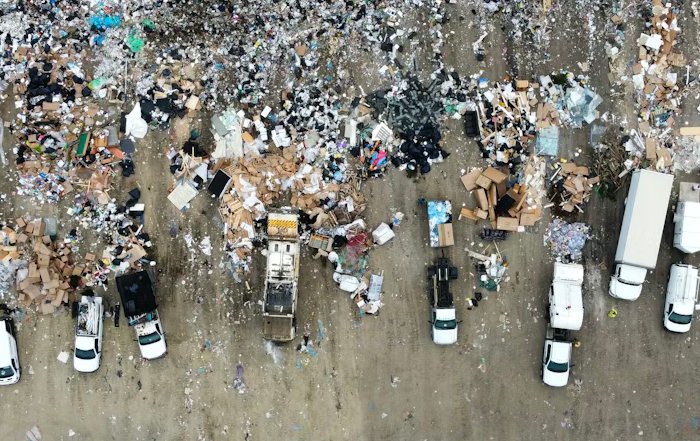
Green bonds also play a role in enabling circular economy solutions, a theme that resonates strongly with the zero-waste and plastic-free narratives that are central to eco-natur.com. Municipalities and private companies in the Netherlands, Germany, Denmark, and Japan have used green financing to build advanced recycling facilities, waste-to-energy plants with stringent emissions controls, and industrial symbiosis parks where by-products from one process become inputs for another. Learn more about sustainable business practices in this context to understand how circular design, extended producer responsibility, and advanced materials recovery can be scaled through targeted capital allocation.
For communities in South Africa, Brazil, Malaysia, and Thailand, where waste management challenges intersect with social and economic inequalities, green bonds can help fund inclusive recycling systems, landfill remediation, and community-based collection networks that not only reduce pollution but also create dignified employment. The linkage between recycling, local livelihoods, and formal capital markets demonstrates how sustainable finance can translate into tangible improvements for both people and ecosystems.
Financing Organic and Regenerative Food Systems
The global shift toward organic and regenerative agriculture is another domain where green bonds and sustainable infrastructure intersect with the interests of the eco-natur.com audience. As consumers in the United States, United Kingdom, Germany, France, Italy, Spain, Canada, Australia, and New Zealand demand more organic food and transparent supply chains, producers and retailers are investing in certification systems, cold-chain logistics, renewable-powered processing facilities, and sustainable packaging solutions that require substantial capital.
Development banks and commercial lenders have begun structuring green bonds and sustainability-linked loans to support farmers transitioning to organic or regenerative practices, particularly in regions such as Latin America, Africa, and Asia, where the potential for soil carbon sequestration, biodiversity restoration, and rural livelihood enhancement is significant. Organizations like the Food and Agriculture Organization (FAO) and the World Resources Institute (WRI) have documented how sustainable agriculture can contribute to climate mitigation, water security, and nutrition, reinforcing the case for integrating food systems into green bond taxonomies.
On eco-natur.com, discussions about sustainable diets, local sourcing, and low-impact consumption are increasingly framed within this systemic perspective, emphasizing that personal choices around food intersect with global capital flows, land-use decisions, and policy frameworks. Green bonds that support irrigation efficiency, agroforestry, methane reduction in livestock systems, and deforestation-free supply chains contribute not only to climate goals but also to health, biodiversity, and rural economic resilience.
Wildlife, Nature-Based Solutions, and Biodiversity Finance
The integration of biodiversity and wildlife conservation into green finance has accelerated in the last few years, reflecting mounting scientific evidence and public concern about species loss and ecosystem degradation. From the wetlands of Europe and the forests of Brazil and Indonesia to the coral reefs of Australia, Thailand, and the Pacific, natural systems underpin climate regulation, water cycles, food security, and cultural identity. Financial instruments that can channel capital into their protection and restoration are therefore gaining prominence.
Green bonds and related instruments are increasingly used to finance nature-based solutions such as reforestation, mangrove restoration, watershed protection, and urban green spaces. Organizations like the International Union for Conservation of Nature (IUCN) and the Convention on Biological Diversity (CBD) have highlighted how such investments can deliver co-benefits for climate adaptation, disaster risk reduction, and human well-being. For example, financing mangrove restoration in coastal regions of Asia and Africa can protect communities from storm surges while enhancing fisheries and sequestering carbon.
For the readership of eco-natur.com, which follows wildlife protection and biodiversity as core themes, understanding how green bonds can be structured to support conservation is increasingly important. Some sovereign issuers have launched sustainability or biodiversity-linked bonds where debt servicing is partially tied to conservation performance, while others have used green bond proceeds to fund protected area management, wildlife corridors, and ecological restoration projects. Learn more about sustainable business practices in sectors such as tourism, forestry, and fisheries to see how private actors are integrating biodiversity into their financing strategies.
Regional Dynamics: From Europe and North America to Asia, Africa, and Latin America
The geography of green bonds and sustainable infrastructure reflects diverse policy frameworks, market maturity, and development priorities. In Europe, the European Union Green Bond Standard and the EU Taxonomy have set a high bar for transparency and environmental integrity, influencing issuers from Germany, France, Italy, Spain, the Netherlands, and the Nordic countries. Public institutions such as the European Investment Bank (EIB) have played a catalytic role by issuing large volumes of climate-aligned bonds and supporting cross-border infrastructure, from offshore wind in the North Sea to intercity rail and energy-efficient housing.
In the United States and Canada, municipal and state-level green bonds have become important for financing public transit, water systems, and resilience projects, especially as climate-related disasters impose rising costs on local governments. Federal initiatives and guidance from regulators such as the U.S. Securities and Exchange Commission (SEC) have also begun to shape disclosure expectations and risk management practices related to climate and environmental factors.
Across Asia, pioneering work by China, Japan, South Korea, Singapore, and India has expanded the green bond market, with local taxonomies and incentives tailored to regional priorities, including clean energy, industrial upgrading, urban air quality, and climate resilience. In China, green bonds have helped finance large-scale renewable energy, electric mobility, and pollution control, while Japan and South Korea have leveraged green and transition bonds to support industrial decarbonization and hydrogen infrastructure. Singapore has positioned itself as a regional hub for sustainable finance, issuing guidance and incentives that attract international issuers and investors.
In Africa and Latin America, green bonds have been used to finance renewable energy, sustainable transport, and water projects, often with support from multilateral development banks such as the World Bank, the Inter-American Development Bank (IDB), and the African Development Bank (AfDB). These institutions often blend concessional and market-rate capital to de-risk projects in countries with limited credit histories, enabling investments that might otherwise struggle to attract private finance. For countries like South Africa, Brazil, and Mexico, green bonds are becoming tools not only for climate action but also for broader development agendas that include job creation, social inclusion, and improved public services.
For the global community that engages with global sustainability perspectives on eco-natur.com, these regional dynamics underscore the importance of context-specific approaches. While the overarching objectives of decarbonization, resilience, and ecosystem protection are shared, the specific infrastructure needs, regulatory environments, and social priorities of each region shape how green bonds are structured and deployed.
Governance, Standards, and the Fight Against Greenwashing
As the green bond market has scaled, concerns about greenwashing-where projects are labeled green without delivering genuine environmental benefits-have intensified. Investors, regulators, and civil society organizations increasingly demand robust frameworks, transparent reporting, and independent verification to ensure that capital labeled as green aligns with credible transition pathways. Institutions such as the International Capital Market Association (ICMA), the Climate Bonds Initiative, and the Network for Greening the Financial System (NGFS) have contributed to the development of standards, taxonomies, and supervisory expectations that seek to harmonize practices and reduce ambiguity.
Regulators in the European Union, United States, United Kingdom, Singapore, and other jurisdictions are also tightening disclosure requirements related to climate and sustainability, which indirectly raise the bar for green bond issuance. Learn more about sustainable business practices in this evolving regulatory landscape to understand how companies and financial institutions are adapting governance structures, risk management systems, and reporting processes to meet stakeholder expectations.
For eco-natur.com, which emphasizes sustainable business and economy topics, this governance dimension is crucial. Experience, expertise, authoritativeness, and trustworthiness in sustainable finance are increasingly assessed not only on the basis of project selection but also on how issuers integrate environmental and social considerations into their core strategies, how they manage trade-offs, and how transparently they communicate outcomes. The credibility of green bonds as a tool for real change depends on rigorous standards, continuous improvement, and open dialogue between issuers, investors, regulators, and affected communities.
Integrating Green Bonds into Corporate and Investor Strategy
For corporations operating in sectors such as energy, transport, real estate, manufacturing, and consumer goods, green bonds have become an important component of capital structure and sustainability strategy. Issuing a green bond can signal long-term commitment to decarbonization and resilience, align financing costs with environmental performance, and engage investors who increasingly integrate environmental, social, and governance (ESG) criteria into their decisions. Major global companies, including utilities, technology firms, and industrial conglomerates, now routinely tap the green bond market to fund renewable energy portfolios, building retrofits, clean mobility fleets, and low-carbon product development.
Institutional investors-pension funds, insurance companies, and sovereign wealth funds-have likewise integrated green bonds into their strategic asset allocations, often guided by frameworks from organizations such as the UN-supported Principles for Responsible Investment (PRI). Many have set explicit targets for climate-aligned investments or net-zero portfolios by mid-century, using green bonds as one of several tools, alongside direct investments in infrastructure, private equity, and engagement with portfolio companies. Learn more about sustainable business practices in the investment community to see how stewardship, voting, and engagement complement allocation decisions in driving corporate behavior.
From the perspective of eco-natur.com, which connects macro-level economic developments with lifestyle and sustainable living choices, the integration of green bonds into mainstream finance marks a shift in how sustainability is perceived: not as a peripheral concern or marketing exercise, but as a central determinant of risk, opportunity, and competitive advantage. The alignment of capital with climate and nature objectives is becoming a core expectation rather than a niche preference, reshaping markets from New York and London to Frankfurt, Zurich, Hong Kong, and Sydney.
Looking Ahead: The Next Phase for Green Bonds and Sustainable Infrastructure
As of 2026, the trajectory for green bonds and sustainable infrastructure points toward further growth, diversification, and integration. New instruments such as sustainability-linked bonds, transition bonds, and blended finance platforms are emerging to complement traditional use-of-proceeds structures, addressing sectors and regions where the path to net zero is complex and capital needs are particularly acute. Advances in data, digital technologies, and impact measurement are enabling more granular tracking of environmental outcomes, from avoided emissions and energy savings to biodiversity indicators and social co-benefits.
For eco-natur.com, the challenge and opportunity lie in translating these financial and technical developments into accessible narratives and practical guidance for its global audience, spanning North America, Europe, Asia, Africa, and South America. By connecting the dots between green bond frameworks, infrastructure projects, policy initiatives, and everyday choices-from how people travel and heat their homes to what they eat and how they manage waste-the platform can help ensure that sustainable finance remains grounded in real-world impacts and community priorities.
In the coming decade, the effectiveness of green bonds will ultimately be judged not by issuance volumes or market share but by their contribution to tangible outcomes: stabilized climate systems, restored ecosystems, resilient cities, inclusive economies, and healthier lives. As governments, businesses, and citizens in countries from the United States and United Kingdom to Germany, China, Brazil, South Africa, Japan, Singapore, and New Zealand navigate the transition, the alignment of financial flows with sustainability goals will remain a central theme. Green bonds, as a mature yet evolving instrument, are poised to remain at the heart of this transformation, financing the sustainable infrastructure that will define how societies live, work, and thrive in a low-carbon, nature-positive world.