Bird Migration Patterns and Climate Change: What a Warming World Means for Global Flyways
Introduction: A Turning Point for Migratory Birds
Evidence from ornithologists, climate scientists, and conservation organizations converges on a single, sobering conclusion: climate change is reshaping bird migration on every continent. From Arctic-breeding shorebirds to tropical songbirds crossing the Sahara or the Pacific, the timing, routes, and success of migration are increasingly influenced by rising temperatures, shifting seasons, and altered ecosystems. For the global audience of eco-natur.com, which follows developments in sustainable living, biodiversity, and responsible business, understanding these changes is not only a matter of scientific curiosity but also of ethical responsibility and strategic foresight.
Bird migration has always been dynamic, with species adapting routes and schedules in response to natural variability in climate and habitat. Yet the current rate of change, documented by institutions such as NASA and the Intergovernmental Panel on Climate Change, far exceeds historical baselines, creating mismatches between birds and the resources they depend on. These disruptions carry cascading implications for ecosystems, food systems, and economies, particularly in regions where birds support pollination, pest control, seed dispersal, and nature-based tourism. Against this backdrop, eco-natur.com positions bird migration as a lens through which to explore the interconnected themes of sustainability, wildlife protection, and climate-resilient development.
How Bird Migration Works: The Ecology Behind the Journey
Migratory behavior is the product of millions of years of evolution, combining genetic programming, environmental cues, and learned knowledge passed across generations. Birds use a sophisticated toolkit to navigate, including the position of the sun and stars, the Earth's magnetic field, polarized light, and even olfactory cues. Scientific work by organizations such as the Cornell Lab of Ornithology has shown that many species integrate these signals with internal biological clocks, allowing them to depart, travel, and arrive with remarkable precision.
Migration patterns are broadly shaped by the need to exploit seasonal peaks in food availability. Many species breed in temperate or Arctic regions where long daylight hours and insect abundance support rapid chick growth, then move to milder wintering grounds in Africa, South America, Asia, or Australasia. The Royal Society for the Protection of Birds and other conservation bodies have documented how these journeys often span thousands of kilometers, crossing oceans, deserts, and mountain ranges in tightly synchronized waves. At key stopover sites, birds refuel on insects, seeds, nectar, or marine resources, making these habitats critical bottlenecks in global flyways.
For readers of eco-natur.com, these ecological dynamics connect directly to themes of biodiversity and wildlife conservation. Migratory birds knit together ecosystems on different continents, carrying nutrients and seeds, influencing insect populations, and providing essential ecosystem services that underpin agriculture and forestry, especially in regions such as North America, Europe, and East Asia where intensive land use has already stressed natural systems.
Climate Change and the Timing of Migration
One of the most thoroughly documented impacts of climate change on birds is the shift in migration timing. Long-term datasets from organizations like the Audubon Society and the British Trust for Ornithology show that many species now arrive earlier in spring and delay departure in autumn, particularly in the United States, the United Kingdom, Germany, and the Nordic countries. Warmer temperatures trigger earlier plant flowering and insect emergence, prompting birds to adjust their schedules to track food availability.
However, these shifts are not uniform across species or regions. Long-distance migrants that winter in sub-Saharan Africa, South America, or Southeast Asia often rely on day length rather than local temperature as a cue to start migration, which means they may not adjust quickly enough to earlier springs on their breeding grounds in Europe or North America. This creates a mismatch between the peak abundance of food-such as caterpillars in temperate forests-and the period when chicks most need it. Research summarized by the European Environment Agency highlights that such mismatches can reduce breeding success, contributing to population declines in iconic species like swifts, flycatchers, and warblers.
These timing disruptions intersect with broader concerns about sustainable living and climate adaptation. Communities across Canada, Scandinavia, and Japan, for example, have long used the arrival of certain migratory birds as cultural markers of seasonal change, guiding planting, fishing, and traditional practices. As the seasons decouple from historical patterns, local knowledge systems must adapt, and climate-resilient strategies in agriculture and resource management increasingly depend on integrating ecological monitoring with human decision-making.
Shifting Routes and Expanding Ranges
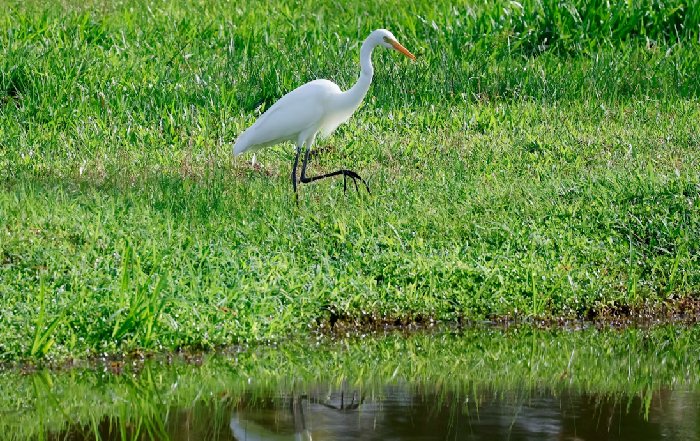
Beyond timing, climate change is reshaping where birds travel and where they can successfully breed or overwinter. As temperatures rise, many species are shifting their ranges poleward or to higher elevations, a trend documented by the U.S. Geological Survey and other national research agencies. In North America, some waterfowl and shorebirds now winter further north than they did a few decades ago, while in Europe, species such as herons and egrets have expanded into regions that were once too cold.
These range shifts create both winners and losers. Some generalist species adapt quickly, exploiting new habitats and food sources, while specialists with narrow ecological requirements struggle. For example, high-altitude species in the Alps, the Pyrenees, and the Himalayas face a literal ceiling: as conditions warm, suitable habitat retreats upward until there is nowhere left to go. In the Arctic, melting sea ice and thawing permafrost alter the breeding landscapes of geese, shorebirds, and seabirds, with implications for Indigenous communities whose livelihoods and cultural practices are tied to these species.
The International Union for Conservation of Nature has increasingly incorporated climate vulnerability into its Red List assessments, noting that migratory birds are particularly exposed because they depend on multiple habitats across continents. In South America, Africa, and Asia, rapid land-use change for agriculture, urbanization, and infrastructure development compounds the stress of climate change, fragmenting the stopover sites that birds need for rest and refueling. For readers engaged with eco-natur.com on themes such as recycling and circular economies, these patterns underline how resource-intensive development in one region can reverberate through ecological networks worldwide.
Flyways Under Pressure: Global Hotspots of Change
Major migratory flyways-such as the East Asian-Australasian Flyway, the African-Eurasian Flyway, and the Americas Flyways-are experiencing profound environmental change. Along the East Asian-Australasian Flyway, which connects Siberia and Alaska to Southeast Asia, Australia, and New Zealand, extensive coastal reclamation and sea-level rise have reduced tidal flats that shorebirds rely on during migration. The Ramsar Convention on Wetlands has identified several of these sites in China, South Korea, and Southeast Asia as internationally important, yet many remain under pressure from industrial expansion and urban growth.
In the African-Eurasian Flyway, the increasing frequency and intensity of droughts across the Sahel and North Africa, as documented by the World Meteorological Organization, threaten wetlands that serve as critical stopovers for European migrants. Similarly, in the Americas, hurricanes and storms intensified by warmer ocean temperatures can devastate coastal habitats and directly cause mass mortality events among birds attempting long ocean crossings. These challenges demonstrate how climate change interacts with other environmental stressors, creating a complex risk landscape for migratory species.
For businesses and policymakers, these flyway pressures highlight the importance of cross-border cooperation and integrated planning. Nature-based tourism in countries such as South Africa, Brazil, Costa Rica, and New Zealand depends heavily on healthy bird populations, and disruptions to migration can affect local employment, community enterprises, and national branding. By aligning business strategies with conservation frameworks, including those promoted by the Convention on Migratory Species, companies can help safeguard the natural capital on which their long-term success depends.
Ecosystem Services, Food Systems, and the Green Economy
Migratory birds contribute significantly to ecosystem services that support human well-being and economic activity. In agricultural landscapes across the United States, Europe, China, and Australia, insectivorous birds help regulate pest populations, reducing reliance on chemical pesticides and supporting more sustainable farming systems. Pollinating birds, particularly in tropical regions, assist in the reproduction of fruits, nuts, and other crops, while seed-dispersing species help maintain forest health and regeneration, which in turn supports climate mitigation through carbon sequestration.
Studies aggregated by the Food and Agriculture Organization of the United Nations emphasize that resilient food systems depend on biodiversity, including the services provided by migratory birds. As climate change alters migration patterns, the timing and intensity of these services can shift, potentially affecting yields, pest outbreaks, and the stability of rural livelihoods. For readers interested in organic food and regenerative approaches, the protection of migratory birds is part of a broader strategy to align agriculture with ecological processes rather than against them.
From a macroeconomic perspective, the emerging green economy recognizes biodiversity as a form of natural capital. The World Bank and other financial institutions increasingly incorporate ecosystem risk into assessments of infrastructure, agriculture, and urban development projects. Countries in Europe, Asia, Africa, and the Americas are beginning to factor migration corridors and key habitats into spatial planning, recognizing that the cost of losing these services-through crop losses, increased disease vectors, or diminished tourism-far outweighs the investment required to conserve them. In this context, the themes explored in eco-natur.com's economy section intersect directly with climate-smart policies and biodiversity stewardship.
Urbanization, Light Pollution, and Climate Synergies
Urban growth represents another critical dimension of change for migratory birds, and its impacts are intensified by climate dynamics. Expanding cities in North America, Europe, and Asia create vast areas of artificial light that disorient nocturnally migrating birds, leading to collisions with buildings and other infrastructure. Warmer temperatures can extend the duration of insect activity in cities, drawing some species into urban environments where they face new risks from glass facades, traffic, and domestic predators.
Organizations such as BirdLife International have documented how light pollution, combined with extreme weather events driven by climate change, can cause significant mortality during peak migration periods. Efforts to reduce unnecessary lighting, adopt bird-friendly building designs, and integrate green spaces into urban planning are gaining traction in cities such as Toronto, London, Berlin, Singapore, and Melbourne. These initiatives align with broader sustainability agendas, including energy efficiency, public health, and climate mitigation.
For readers of eco-natur.com exploring plastic-free living and urban sustainability, the connection between everyday choices and migratory bird survival is increasingly clear. Reducing single-use plastics, for example, helps limit the ingestion and entanglement hazards that affect seabirds and shorebirds along coasts and river systems worldwide. Similarly, supporting urban policies that prioritize green infrastructure contributes to safer migratory pathways and more livable cities for people and wildlife alike.
Conservation, Policy, and Corporate Responsibility
Responding to the challenges facing migratory birds requires coordinated action across governments, businesses, civil society, and local communities. International agreements such as the Convention on Biological Diversity and region-specific instruments like the African-Eurasian Waterbird Agreement provide frameworks for habitat protection, monitoring, and research. However, effective implementation depends on integrating these commitments into national policies on land use, climate adaptation, energy, and transport.
The private sector has a particularly important role in this transition. Companies in sectors ranging from agriculture and forestry to energy and tourism influence many of the landscapes and seascapes that birds depend on. By adopting science-based targets, conducting biodiversity impact assessments, and aligning investment with conservation priorities, businesses can help maintain the integrity of flyways while also enhancing their own resilience. Resources from organizations such as the World Resources Institute and the OECD offer guidance on integrating nature into corporate strategy and sustainable finance.
Within this context, eco-natur.com positions itself as a platform that connects readers with practical insights into sustainable business practices, highlighting how responsible supply chains, low-carbon operations, and circular design approaches can reduce pressures on migratory species. By fostering an informed audience across regions including the United States, the United Kingdom, Germany, Canada, Australia, and emerging economies in Asia, Africa, and South America, the site contributes to a global conversation about aligning economic development with ecological limits.
Lifestyle, Health, and Citizen Science
Individual choices and community initiatives also play a significant role in supporting migratory birds in a changing climate. Citizen science platforms, such as eBird and national bird monitoring schemes, have transformed the ability of researchers to track migration patterns in near real time, using observations from volunteers across the globe. These datasets inform conservation planning, climate models, and local decision-making, illustrating how engaged citizens can contribute to evidence-based policy.
For individuals and families pursuing sustainable lifestyles, supporting migratory birds can involve relatively simple actions that collectively have large impacts. Creating bird-friendly gardens with native plants, reducing pesticide use, supporting certified sustainable products, and choosing low-carbon transport options all help reduce pressure on ecosystems along migration routes. At the same time, spending time in nature and observing seasonal bird movements offers well-documented benefits for mental and physical health, as emphasized by public health agencies and organizations such as the World Health Organization.
These connections between environmental stewardship and well-being resonate strongly with themes explored in eco-natur.com's health content. As climate change accelerates, maintaining a close relationship with the natural world, including the rhythms of migration, can foster resilience, community cohesion, and a sense of shared purpose that transcends national borders.
Renewable Energy, Design, and Minimizing Unintended Impacts
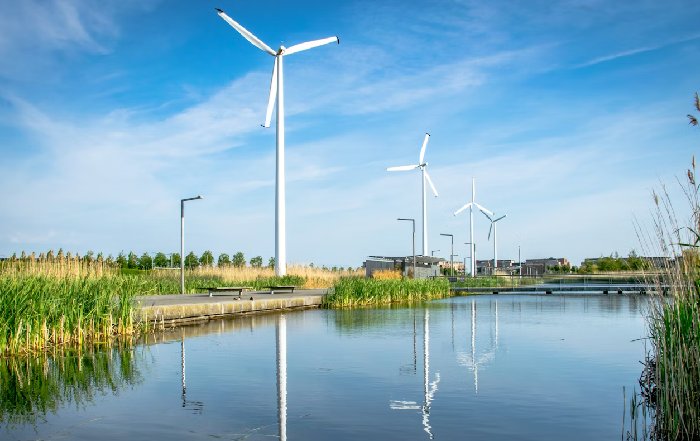
The global shift toward decarbonization is essential for limiting climate change, yet it must be pursued in ways that minimize unintended harm to migratory birds. Wind farms, solar installations, and transmission lines, if poorly sited, can create collision risks or disrupt key habitats. Research from the International Renewable Energy Agency and conservation groups underscores that careful planning and design can significantly reduce these impacts, for example by avoiding major flyways, incorporating bird-safe technologies, and restoring habitat around infrastructure.
For designers, architects, and engineers, this challenge represents an opportunity to innovate. Bird-friendly glass, lighting systems that reduce nocturnal disorientation, and landscape designs that integrate habitat corridors demonstrate how sustainability can be embedded in the built environment. These themes align closely with the emphasis on responsible design and renewable energy on eco-natur.com, where readers seek guidance on technologies and approaches that support both climate goals and biodiversity.
By advocating for integrated planning that considers carbon, biodiversity, and social outcomes together, eco-natur.com helps its global audience-from Europe and North America to Asia, Africa, and South America-navigate the complexities of the energy transition in ways that respect the needs of migratory species and local communities alike.
Toward a Climate-Resilient Future for Migratory Birds
The transformation of bird migration patterns in response to climate change is not an abstract phenomenon confined to remote wilderness; it is a visible, measurable signal of planetary change that touches urban centers, rural landscapes, and coastal communities on every continent. As global temperatures continue to rise, the success of migratory birds will depend on the speed and effectiveness with which societies reduce greenhouse gas emissions, protect and restore critical habitats, and redesign economies around principles of circularity and ecological integrity.
For the community that gathers around eco-natur.com, this moment calls for a renewed commitment to integrating environmental considerations into daily life, business strategy, and policy advocacy. Whether through supporting zero-waste initiatives, advancing global sustainability goals, or promoting climate-smart agriculture and conservation finance, each action contributes to a broader effort to keep migratory flyways alive and thriving.
Birds have long connected continents, cultures, and climates, serving as messengers of seasonal change and indicators of ecosystem health. Now their altered journeys remind humanity of both the fragility and resilience of the natural world. By aligning sustainable living, responsible economic development, and science-based conservation, societies across the United States, Europe, Asia, Africa, and the Americas can help ensure that future generations continue to witness the extraordinary spectacle of migration in a climate-stable, nature-rich world.